Shopify vs BigCommerce 2026: Which Platform Is Better for Scaling Your Brand?
Choosing between Shopify vs BigCommerce 2026? This data-driven comparison covers TCO, AI agents, and scalability to help your DTC or B2B brand win in 2026.
In 2026, the choice between ecommerce platforms is no longer just about picking a theme and a payment gateway. It is about choosing the foundation for an autonomous AI-driven business. As the 'Big Two' continue to evolve, the Shopify vs BigCommerce 2026 debate has shifted toward which ecosystem best supports high-scale automation, complex catalog requirements, and the lowest Total Cost of Ownership (TCO).
While Shopify remains the dominant force in global market share, powering over 5.6 million active stores, BigCommerce has carved out a massive stronghold in the mid-market and Enterprise B2B segments. For brands scaling past $10M in revenue this year, the technical nuances — from native variant limits to URL freedom — can mean the difference between a seamless expansion and a multi-month technical bottleneck.
The Ecommerce Landscape in 2026: By the Numbers
The market data for 2026 reflects two distinct paths to growth. Shopify commands a massive 29% to 30% of the US market, reporting an annual revenue of over $11 billion. This scale allows them to invest heavily in proprietary AI like Sidekick and the high-converting Shop Pay checkout. On the other hand, BigCommerce powers approximately 41,200 to 130,000+ merchants, but its focus is on quality over quantity. According to BigCommerce Investor Relations, Enterprise customers now account for 75% of their Annual Recurring Revenue (ARR).
| Metric | Shopify (2026) | BigCommerce (2026) |
|---|---|---|
| Global Market Share | 10.3% - 10.5% | ~3.2% |
| US Market Share | ~30% | ~3% |
| Target Audience | DTC, SMB, and Enterprise | Mid-Market, B2B, and Complex DTC |
| Primary Edge | Ecosystem & Checkout Speed | "Open SaaS" & Native B2B Tools |
"The 2026 decision isn't about which platform is 'better' in a vacuum; it's about whether your brand values a polished 'Closed Ecosystem' (Shopify) or a flexible 'Open SaaS' architecture (BigCommerce)."
Shopify’s 2026 'Renaissance': Shattering the Variant Ceiling
For years, the biggest complaint from complex merchants was Shopify's 100-variant limit. In the Winter ’26 'Renaissance' Edition, Shopify officially shattered this limit, increasing native product variants to 2,048 per SKU. This update, as noted by Front Row Group, removes the single biggest technical barrier for brands in fashion, automotive, and home goods who previously relied on third-party apps or custom API workarounds.
Shopify has also leaned into Agentic Commerce. With the introduction of Shopify Sidekick App Extensions, the platform's native AI assistant can now perform complex back-office actions. You can tell Sidekick to "Run a 20% sale on all blue items and update the homepage hero banner," and it will execute the changes across the store. To minimize risk, Shopify launched SimGym, a sandbox environment that allows merchants to stress-test storefront changes and AI agents before they go live.
While these native tools are powerful, they often stop at the 'storefront' level. This is where an AI ecommerce employee like Stormy AI comes in. While Sidekick updates your theme, Stormy AI works in the background to sync those same inventory changes with your suppliers, follow up on late shipments, and update your fulfillment spreadsheets across Amazon and TikTok Shop.
BigCommerce 2026: The Power of 'Open SaaS' and Catalyst
BigCommerce’s primary value proposition in 2026 remains its flexibility. Unlike Shopify’s rigid URL structures (e.g., forcing `/products/` and `/collections/`), BigCommerce offers full URL control. This is a massive advantage for technical SEO. According to Ecommerce Pro, brands migrating from BigCommerce to Shopify often see a 15-20% organic traffic dip if they don't manage their 301 redirects with surgical precision due to these forced structural changes.
The platform has also expanded its Catalyst framework. Catalyst is a React-based headless starter that, as of late 2025, is fully integrated with Makeswift — a no-code visual editor. This allows marketers to manage a high-performance headless frontend without needing a developer for every small change. For brands like MKM Building Supplies, moving to a headless BigCommerce architecture resulted in an 82% growth in revenue within weeks of launch.
The Financial Face-off: Total Cost of Ownership (TCO)
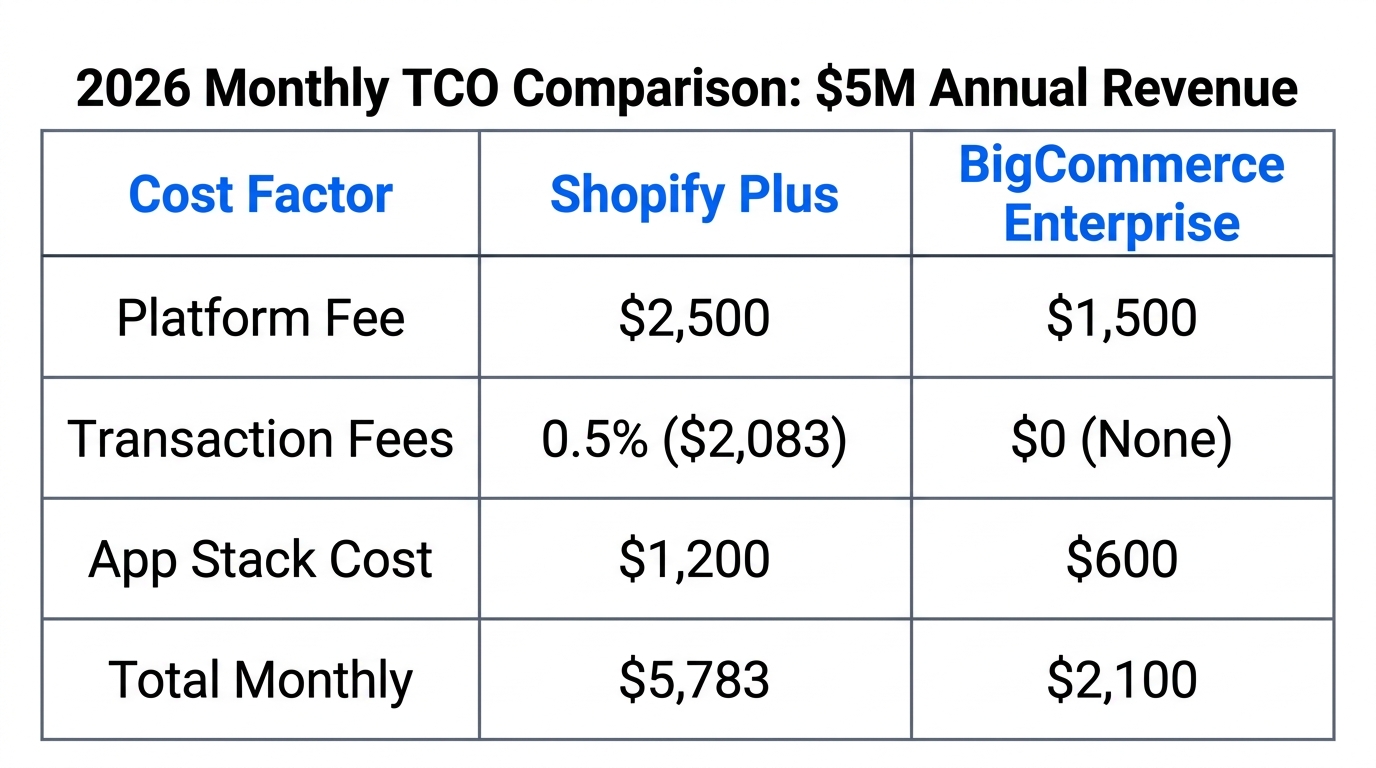
When comparing Shopify vs BigCommerce 2026, the "sticker price" of the monthly plan is rarely the real cost. You must account for transaction fees, app bloat, and conversion lift.
1. Transaction Fees and Payment Gateways
Shopify charges 0.5% to 2% in transaction fees if you do not use Shopify Payments. For high-volume merchants with specific local banking needs or high-risk products, this "tax" can cost thousands of dollars every month. BigCommerce offers 0% transaction fees across all plans, regardless of which payment processor you use.
2. The 'BigCommerce Tax' (Revenue Caps)
While BigCommerce saves you on transaction fees, it introduces revenue caps. If your sales exceed $400k/year on the Pro plan, you are automatically upgraded to Enterprise or charged an additional $150/mo for every $200k in additional sales. Sellvia notes that this makes BigCommerce's pricing more of a 'success tax' than Shopify's fixed-tier logic.
3. App Costs and Native Features
A major hidden cost on Shopify is "app bloat." Basic features like faceted search, gift cards, and advanced product reviews often require paid apps on Shopify's non-Plus plans. AdsX reports that BigCommerce users save an average of $200–$500/mo by using these features natively. However, Shopify counters this with the Shop Pay conversion advantage. Shopify’s optimized checkout yields a 15% higher average conversion rate than competitors, and up to 36% higher in enterprise tests.
"Shopify's checkout is the gold standard for conversion, but BigCommerce's native feature set is the gold standard for back-office cost efficiency."
Decision Framework: Choosing Your Platform in 2026
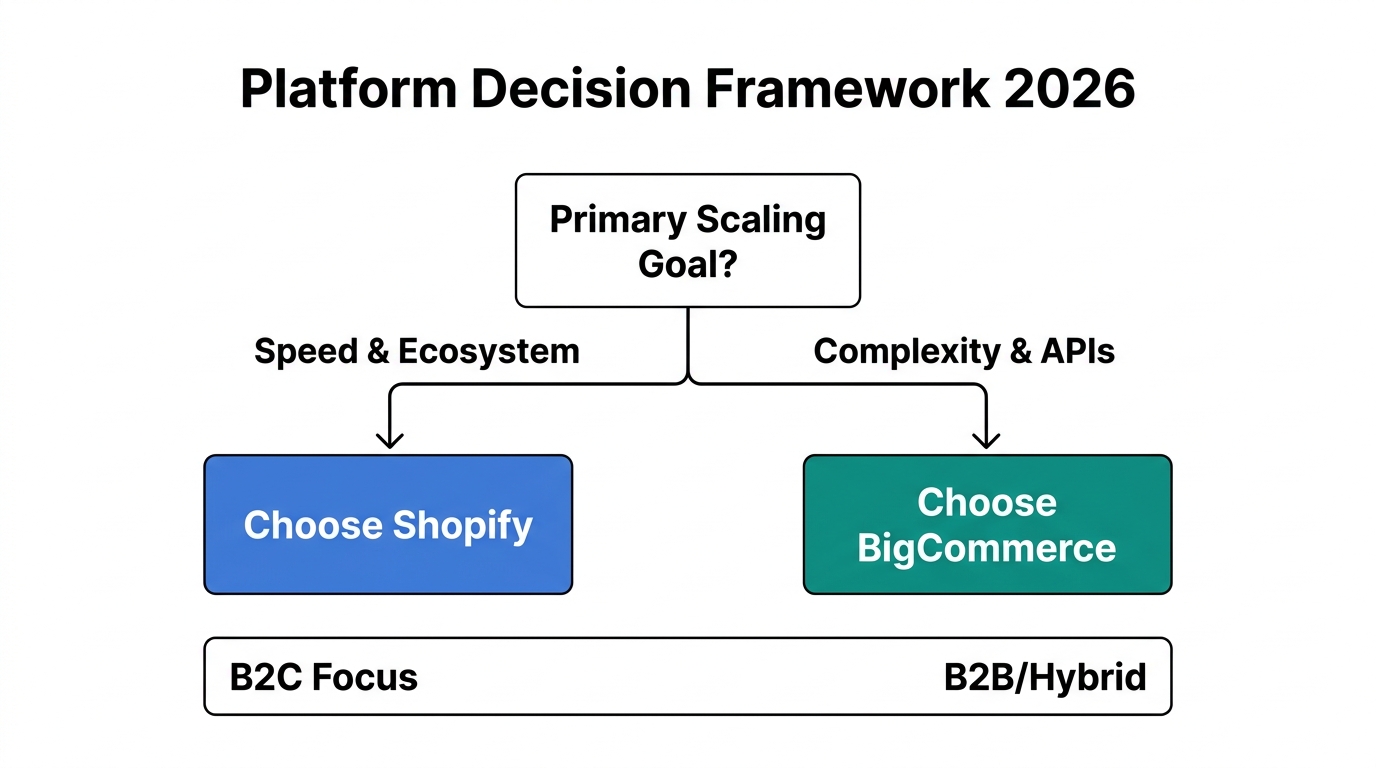
Choosing the best ecommerce platform for 2026 comes down to your brand's specific DNA. Use this playbook to decide:
- Choose Shopify If:
- You are a fast-growth DTC brand where Conversion Rate Optimization (CRO) is your #1 priority.
- You want the largest ecosystem of plug-and-play apps (16,000+ on the Shopify App Store).
- You want to leverage Shop Pay to capture mobile buyers instantly.
- You have a lean team and need the most intuitive dashboard for non-technical staff.
- Choose BigCommerce If:
- You have a complex B2B catalog with wholesale pricing, net terms, and corporate account hierarchies.
- You require absolute URL freedom for a multi-year SEO strategy.
- You want to avoid transaction fees while using a third-party gateway like Stripe or a local bank.
- You need unlimited API rate limits for heavy syncing with an ERP or custom CRM.
How Stormy AI Bridges the Gap on Either Platform
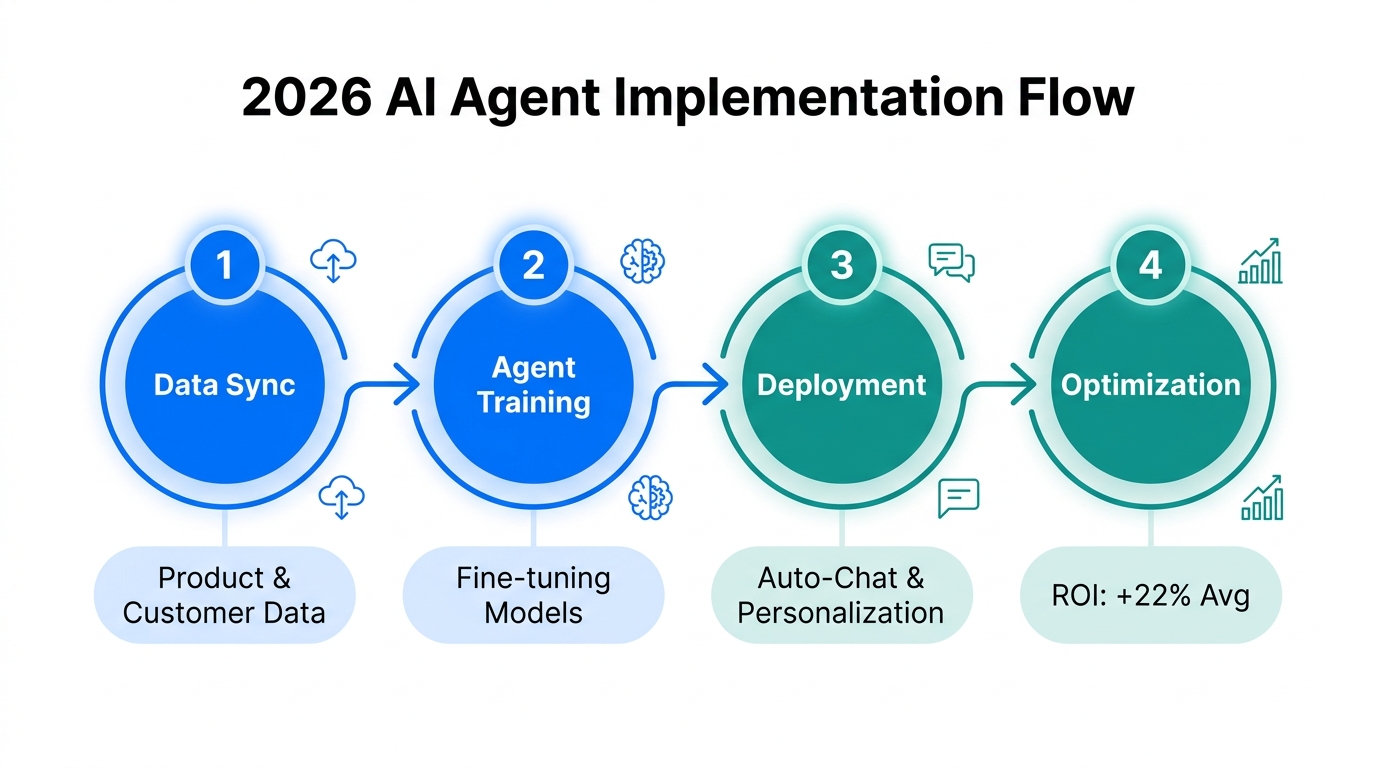
Regardless of whether you choose the Shopify or BigCommerce camp, the messy back office of an ecommerce brand remains the same. You still have to monitor inventory levels, follow up with creators, track supplier lead times, and report on ad spend. This is where Stormy AI acts as your AI ecommerce employee.
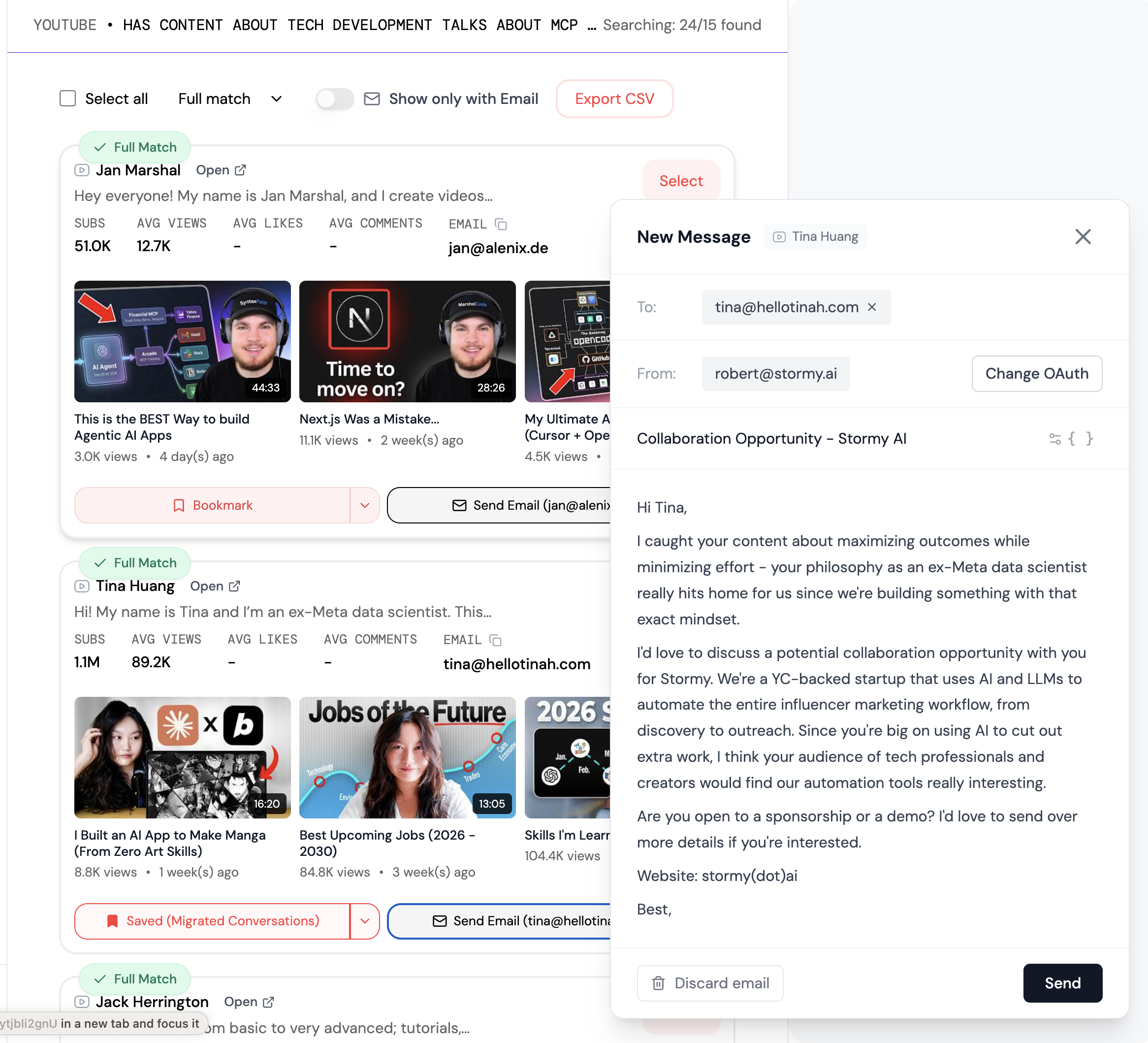
While Shopify Sidekick might help you write a product description, Stormy AI can wake up at 8:00 AM every Monday, pull your Meta Ads and Google Ads spend, compare it against your Shopify or BigCommerce revenue, and drop a polished weekly P&L report into your shared workbook. If an influencer hasn't posted their promised UGC, Stormy AI detects the missing post and sends a polite follow-up email automatically.

Final Verdict: Shopify vs BigCommerce 2026
The Best ecommerce platform for 2026 depends on your scaling strategy. Shopify is the polished, 'iOS-like' system that "just works" and offers the world's best checkout experience. For 90% of DTC brands, it is the correct choice. However, for the 10% of brands with complex B2B needs, heavy technical SEO requirements, or a desire for 'Open SaaS' freedom, BigCommerce remains the more powerful, flexible machine.
Whichever platform you choose, remember that the software is only as good as the team (or AI) running it. Leverage an AI ecommerce employee like Stormy AI to handle the tedious operations, and focus your human energy on brand strategy and product innovation.