In the current e-commerce landscape of 2026, the gap between a successful $1 million niche brand and a $100 million category leader isn't just a matter of increasing your ad spend on Meta Ads Manager. It is a fundamental shift in how you perceive your Total Addressable Market (TAM). Most founders fail to scale because they view their market as a static pie—a fixed number of customers they must fight their competitors to capture. According to recent retail research from McKinsey, the true winners this year are the merchants who understand how to grow the pie itself, transforming boring utility products into high-growth luxury categories and hacking distribution until their product is available on every digital and physical surface area imaginable.
The Sequoia Error: Why Static Market Forecasting Fails
 6:44
6:44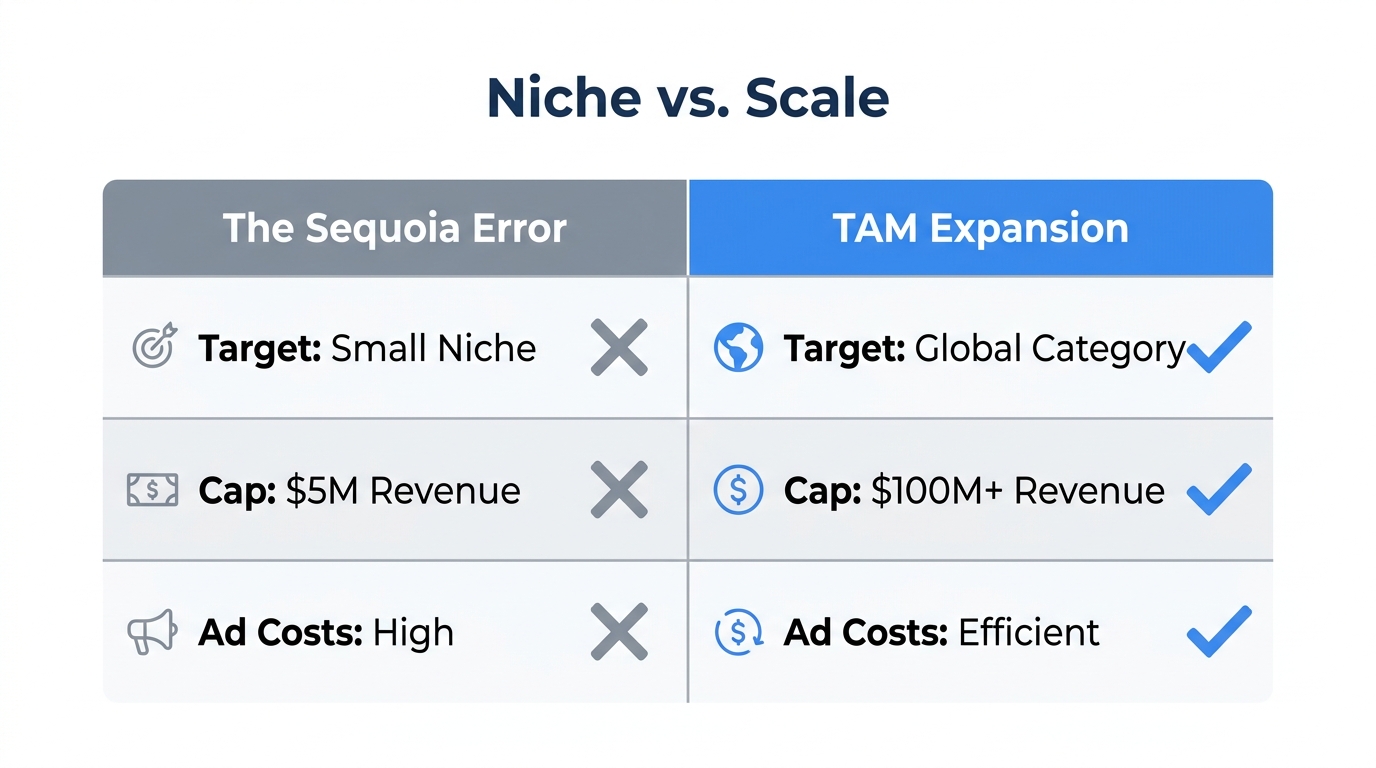
To understand how to scale a Shopify store to 100 million, we must first look at one of the most famous miscalculations in venture capital history. Years ago, the legendary firm Sequoia famously passed on investing in Shopify because they looked at the TAM of retail SMBs and forecasted that even with a dominant market share, the ceiling was too low. They viewed the market as zero-sum.
What they missed—and what defines the DTC growth frameworks of 2026—is the "positive sum" effect of modern platforms. Shopify didn't just take a slice of the existing retail pie; it lowered the barrier to entry so significantly that it created millions of new entrepreneurs who didn't exist before, as highlighted in The Generalist's analysis of the platform's ecosystem. When you create a tool or a product that makes an action 10x easier or more delightful, you aren't just competing for existing customers; you are pulling people from the sidelines into the market.
"Don't look for a bigger piece of the pie; build a product so compelling that it forces the pie to grow infinitely."
The Touchland Strategy: Making the Boring Beautiful
4:07One of the most potent examples of a TAM expansion strategy 2026 is Touchland. Before Touchland, hand sanitizer was a commodity utility product found in hospitals and teacher's desks. By reimagining hand sanitizer as a "sensory essential" with luxury scents and Apple-esque industrial design, the founder didn't just compete with Purell—she created a new category of hand sanitizer that people actually gift to one another.
By shifting from utility to luxury, Touchland expanded its market from people who "need to kill germs" to people who "want a lifestyle accessory." This allowed them to scale from a $67,000 Kickstarter to over $130 million in annual revenue by 2026. This is the Specialty Store to Category Leader mindset: you don't sell a product; you sell a "delightful moment of care."
Leveraging Modern Media for Storytelling
Success in 2026 requires more than just a great product; it requires a founder who can tell a story. Look at how James Dyson uses YouTube to turn a vacuum cleaner demo into a viral event. By taking a non-serious product seriously, you signal to the market that your brand represents uncompromising quality. Whether you are using Canva for your initial brand assets or Figma for high-end product design, the aesthetic must match the ambition of a $100M brand.
The Single-SKU Powerhouse: The AG1 Model
11:24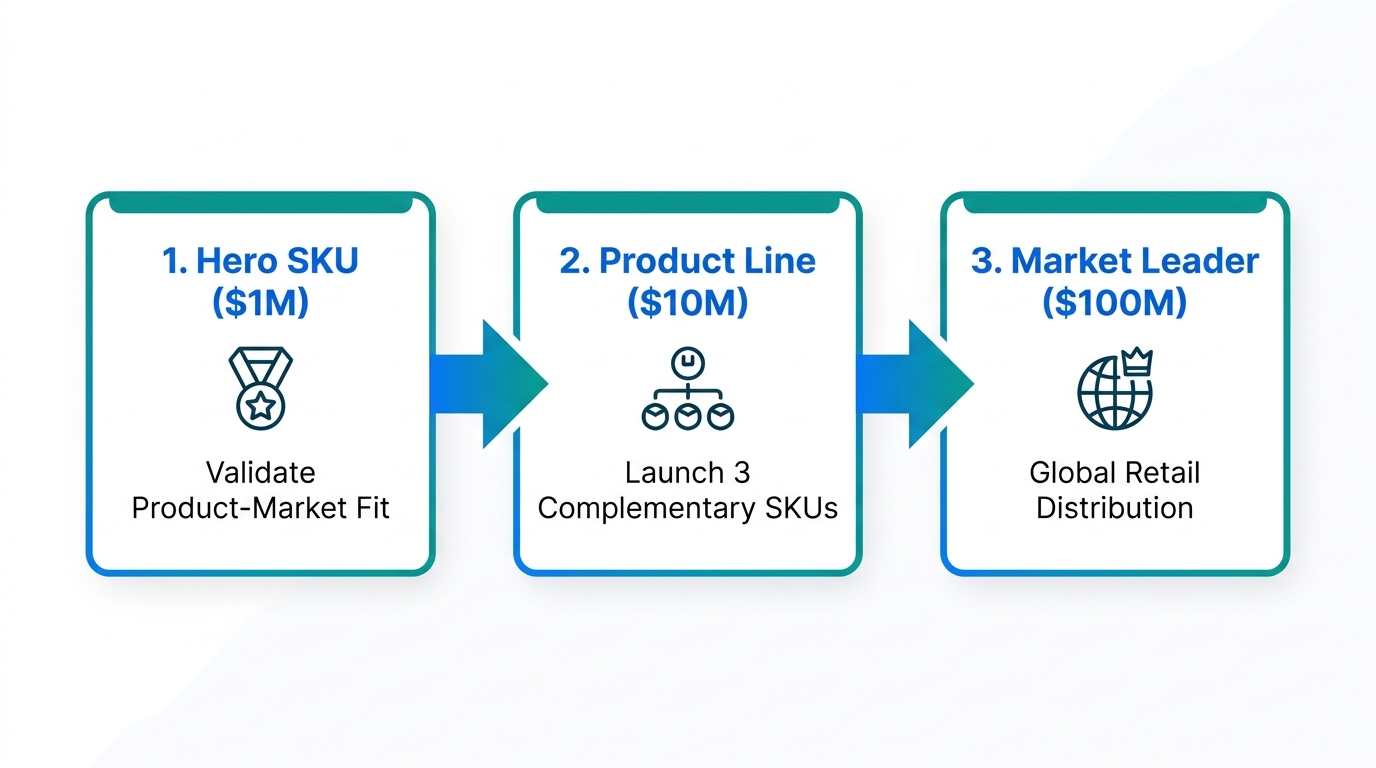
A common mistake in a go-to-market strategy for e-commerce is over-complicating the product line too early. Many merchants think they need 50 SKUs to reach $100M. However, AG1 (Athletic Greens) proved that you can reach massive revenue with a single SKU. By focusing all their marketing, research, and supply chain efforts on one hero product, they achieved a level of category dominance that is nearly impossible to disrupt.
| Strategy Component | The Niche Mindset ($1M) | The Scale Mindset ($100M) |
|---|---|---|
| Product Range | 10-20 low-margin SKUs | 1-3 high-margin Hero SKUs |
| Market View | Competitive / Zero-Sum | Category Creator / Positive-Sum |
| Primary Driver | Paid Social Arbitrage | Community & Distribution Hacking |
| Distribution | Direct Website Only | Omnichannel (Online + Physical) |
When you focus on a single SKU, your omnichannel distribution playbook becomes much simpler. You aren't managing 50 different inventory cycles; you are managing one global supply chain that can be plugged into any surface area. This focus allows you to reinvest more into influencer marketing and UGC. For instance, platforms like Stormy AI can help you find the exact creators who align with your single-SKU mission, ensuring your outreach is personalized and high-converting without the manual bloat.
"Complexity is the enemy of scale. If you can't get to $10M with one SKU, you aren't ready for $100M with ten."
Distribution Hacking: From Shopify to 7-Eleven
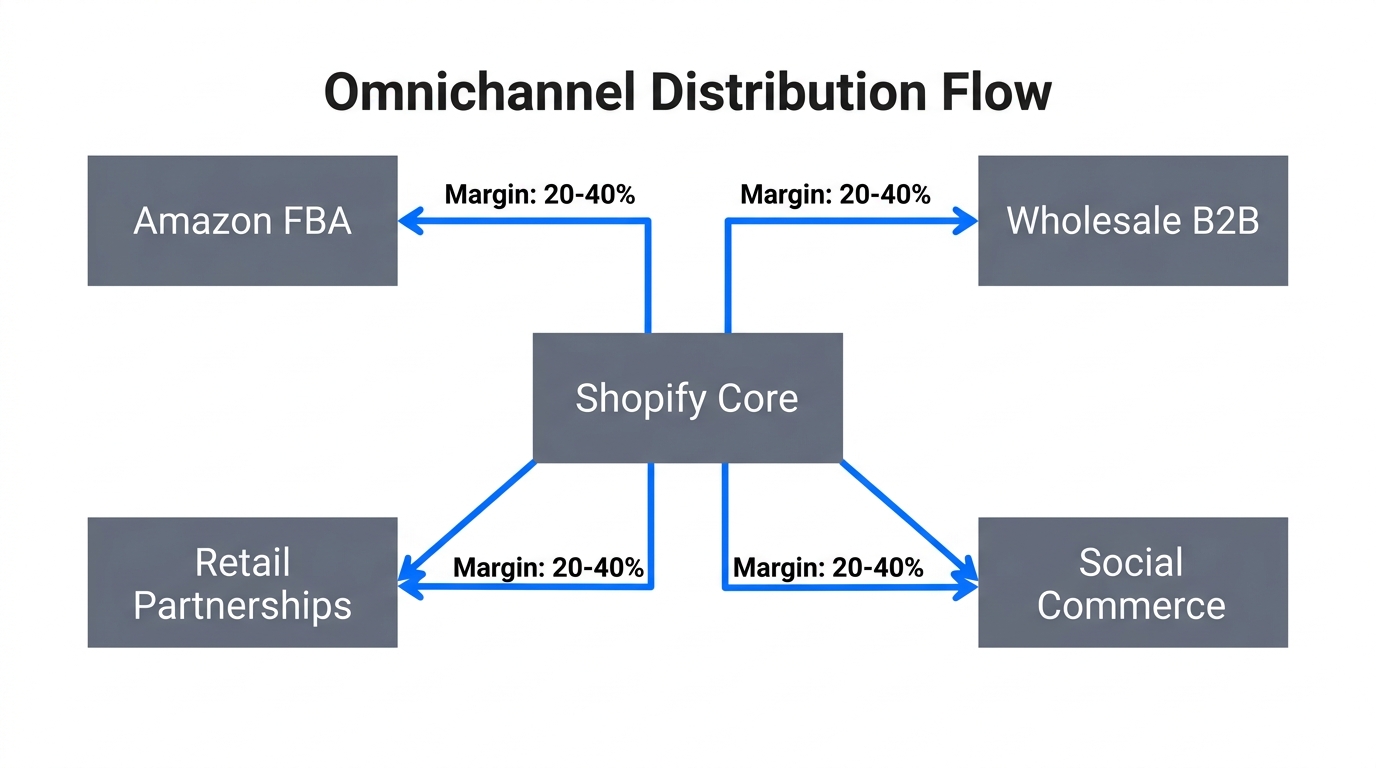
To hit the $100M mark in 2026, your product must move beyond the digital walls of your Shopify store. The goal is to capture impulse-buy volume. This is why brands like Native Deodorant—which sold for $100M to Procter & Gamble—succeeded. They moved from "online-only" to "everywhere."
Omnichannel Mastery: Roblox, Pinterest, and Physical Retail
In 2026, commerce is happening everywhere. Shopify has evolved into a "commerce everywhere" engine. You can now embed your checkout directly into the Roblox universe, allowing users to buy physical goods without leaving the metaverse. If your audience is spending time on Pinterest or Instagram, you must have native, friction-free checkout enabled.
- Metacommerce: Selling digital/physical hybrids in virtual worlds like Roblox.
- B2B/Wholesale: Using tools like Handshake to manage retail partnerships at scale.
- Personalization: Using follicle analysis or DNA data (like brands such as Prose) to create "segment of one" products.
Building a High-Output Team with Reflexive AI
49:33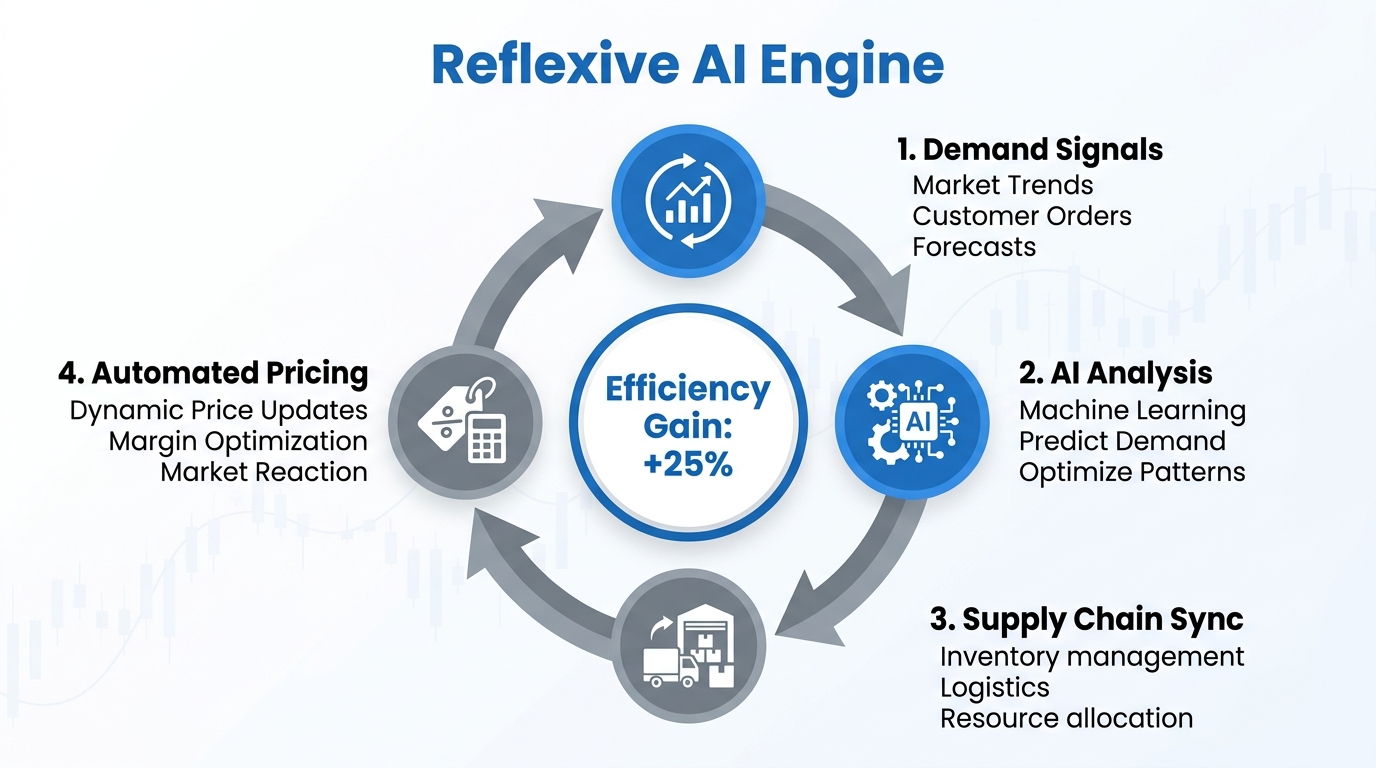
Scaling to $100M requires a different approach to human capital. The "Toby Lutke Memo" of 2026 introduced the concept of Reflexive AI. At Shopify, you cannot hire a new person until you substantiate why AI cannot do the job better. This friction forces teams to stay lean and maximize the output of every individual.
For a scaling merchant, this means using AI agents for tasks that used to require entire departments. Instead of hiring five junior marketers for outreach, you can use the AI Agent within Stormy AI to autonomously discover, vet, and contact 50+ influencers per day while you sleep. By making AI usage reflexive—part of your daily muscle memory rather than a side project—you keep your overhead low and your profit margins high enough to reinvest in growth.
"AI doesn't just save time; it changes the definition of what a small team is capable of achieving."
Conclusion: The Path to $100M
Scaling to $100 million in 2026 isn't about working harder; it's about thinking bigger. It requires moving from a Specialty Store mindset—where you are a merchant selling a product—to a Category Leader mindset, where you are an innovator expanding a market. By leveraging omnichannel distribution, maintaining single-SKU focus, and adopting reflexive AI, you can grow the pie and claim your place as a leader in the next generation of commerce. Success this year belongs to those who don't just follow the map, but those who redraw it.