By early 2026, the definition of a "lean" ecommerce business has undergone a radical transformation. We have officially entered the era of agentic commerce, where the goal isn't just to have tools that help you work, but to have AI agents that work for you. According to research from SellersCommerce, the global AI in ecommerce market is projected to reach $9.9 billion this year, and for the 29.8 million solopreneurs in the U.S., these agents are the difference between burnout and a billion-dollar valuation.
The transition from rigid, frustrating chatbots to proactive sales agents is no longer a futuristic concept—it is a baseline requirement. Today, a single human founder can manage a sprawling operation by employing an AI ecommerce employee like Stormy AI to handle the messy back office while tools like Zipchat manage the front-line sales and support. This playbook details how to move beyond basic automation into a fully autonomous operation.
"The first billion-dollar company with a single employee will emerge in 2026, made possible by autonomous customer service and agentic supply chains."
The State of Agentic Commerce in 2026
As of 2026, the data is clear: shoppers who engage with AI conversational agents convert at 12.3%, compared to a meager 3.1% for unassisted shoppers. This 4x increase in conversion rate is why Triple Whale reports that 93% of ecommerce businesses now view AI agents as their primary competitive advantage. It is no longer enough to wait for a customer to ask a question; your AI must anticipate the need before the ticket is even created.
This shift is driven by the rise of "Answer Engine Optimization" (AEO). As consumers move away from traditional search engines toward LLM interfaces like ChatGPT and Perplexity, Shopify merchants are optimizing for "Share of Model Response" (SMR). This means ensuring your store data is perfectly structured so that when a customer asks an AI agent for a recommendation, your product is the one that gets selected.
Deploying Zipchat for Proactive Sales Triggers
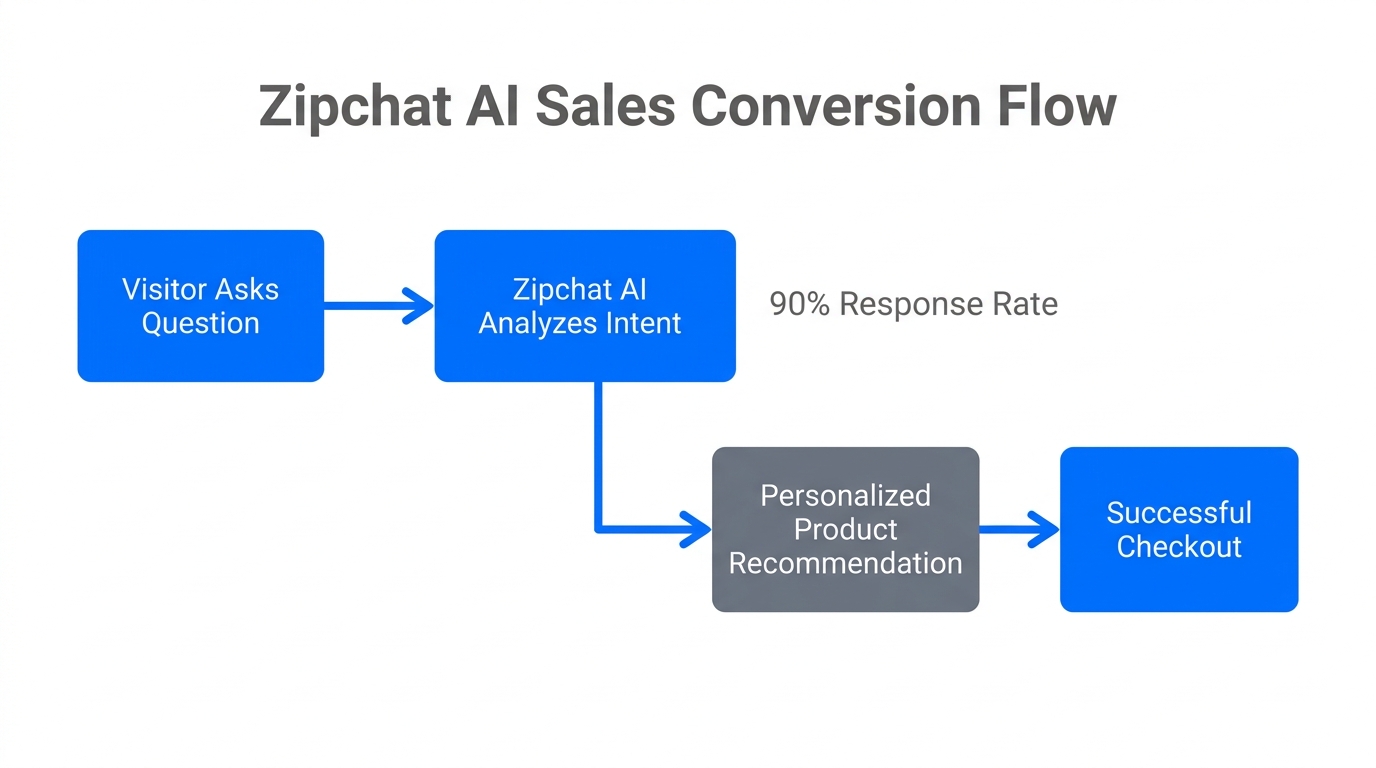
While legacy support tools focused on "deflection," Zipchat focuses on conversion. In 2026, Zipchat has become the gold standard for Shopify support automation 2026 because it functions as an autonomous sales agent that resolves 90%+ of tickets while actively hunting for revenue.
Step 1: Setting Up Proactive Sales Triggers
Instead of a floating bubble that waits for a click, configure Zipchat to trigger based on behavioral data. For example, if a user spends more than 45 seconds on a high-value product page without adding to cart, Zipchat can initiate a conversation: "I see you're looking at the Leather Weekender. Would you like to see a video of how much it can actually hold?"
Step 2: WhatsApp Cart Recovery AI
One of the most powerful features in the 2026 stack is WhatsApp cart recovery AI. Unlike stale email reminders that get buried, Zipchat can send personalized WhatsApp messages with a 13-39% recovery rate. These aren't generic "you forgot something" texts; the AI references the specific items and offers to answer any final questions about sizing or shipping directly in the chat.
| Feature | Traditional Bot | Zipchat AI Agent (2026) |
|---|---|---|
| Response Type | Scripted / If-Then | Autonomous & Context-Aware |
| Sales Approach | Reactive | Proactive Sales Triggers |
| Recovery | Email Only | WhatsApp & SMS Cart Recovery |
| Ticket Resolution | 40-50% | 90%+ Resolution Rate |
Stormy AI: The AI Employee for Your Back Office
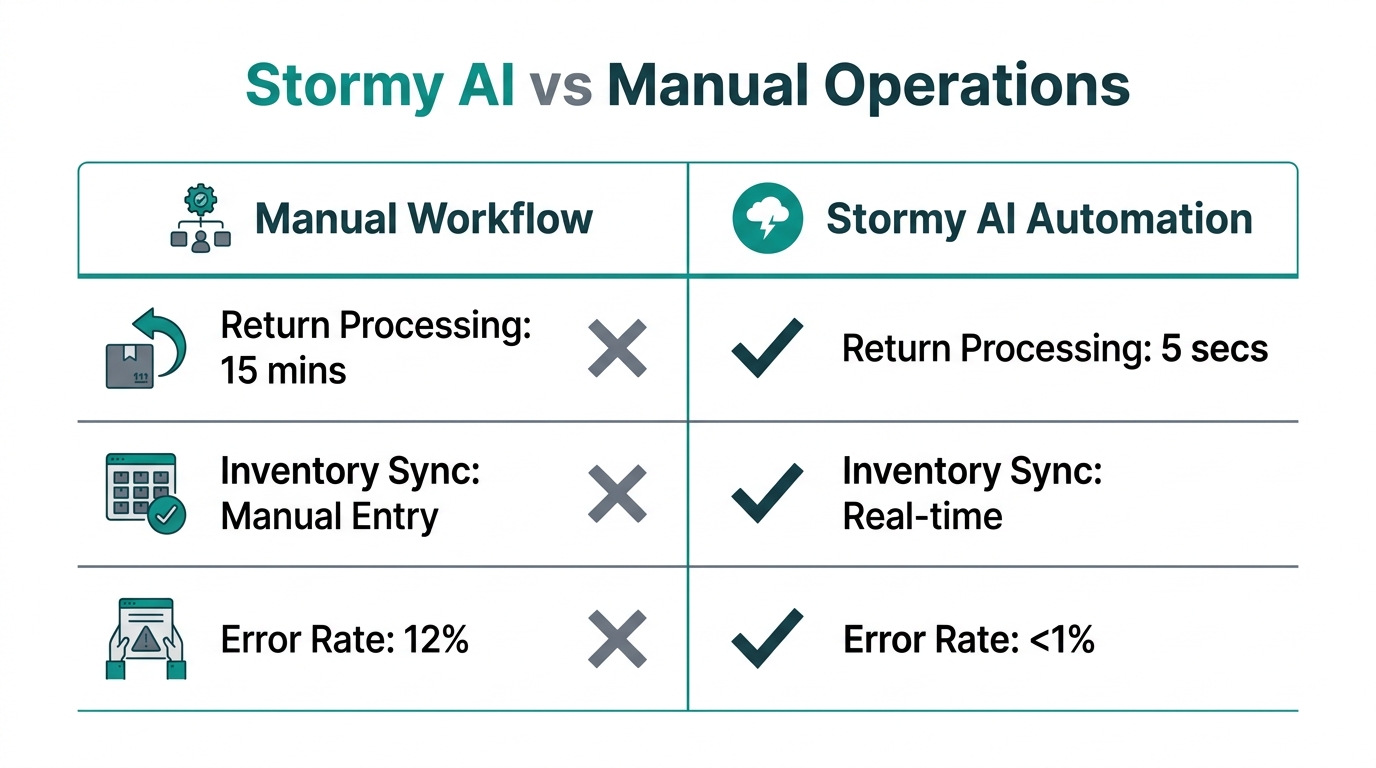
If Zipchat is your front-of-house sales team, Stormy AI is your operations manager. While sales are climbing, the "messy back office" of spreadsheets, supplier emails, and inventory monitoring often becomes the bottleneck. This is where an AI ecommerce employee takes over.
Stormy AI doesn't just show you a dashboard; it acts on your behalf. For example, Stormy AI can monitor your Shopify inventory levels in real-time. When it detects a stockout risk, it doesn't just send a notification—it can draft a restock purchase order, email your supplier, and follow up every three days until a shipping confirmation is received.
Automating Supplier Follow-ups and Inventory
One of the biggest drains on a founder's time is the "follow-up loop." Stormy AI handles this by linking your Gmail or Outlook inbox to a dynamic spreadsheet. If a supplier hasn't replied to a production update request within 48 hours, Stormy automatically sends a polite nudge. This ensures that AI inventory monitoring Shopify workflows remain unbroken without you ever opening Gmail.
"Efficiency isn't about doing more work; it's about having the right agents handle the tasks that don't require a human heart."
Case Study: How The Lullaby Club Reduced Returns by 24%
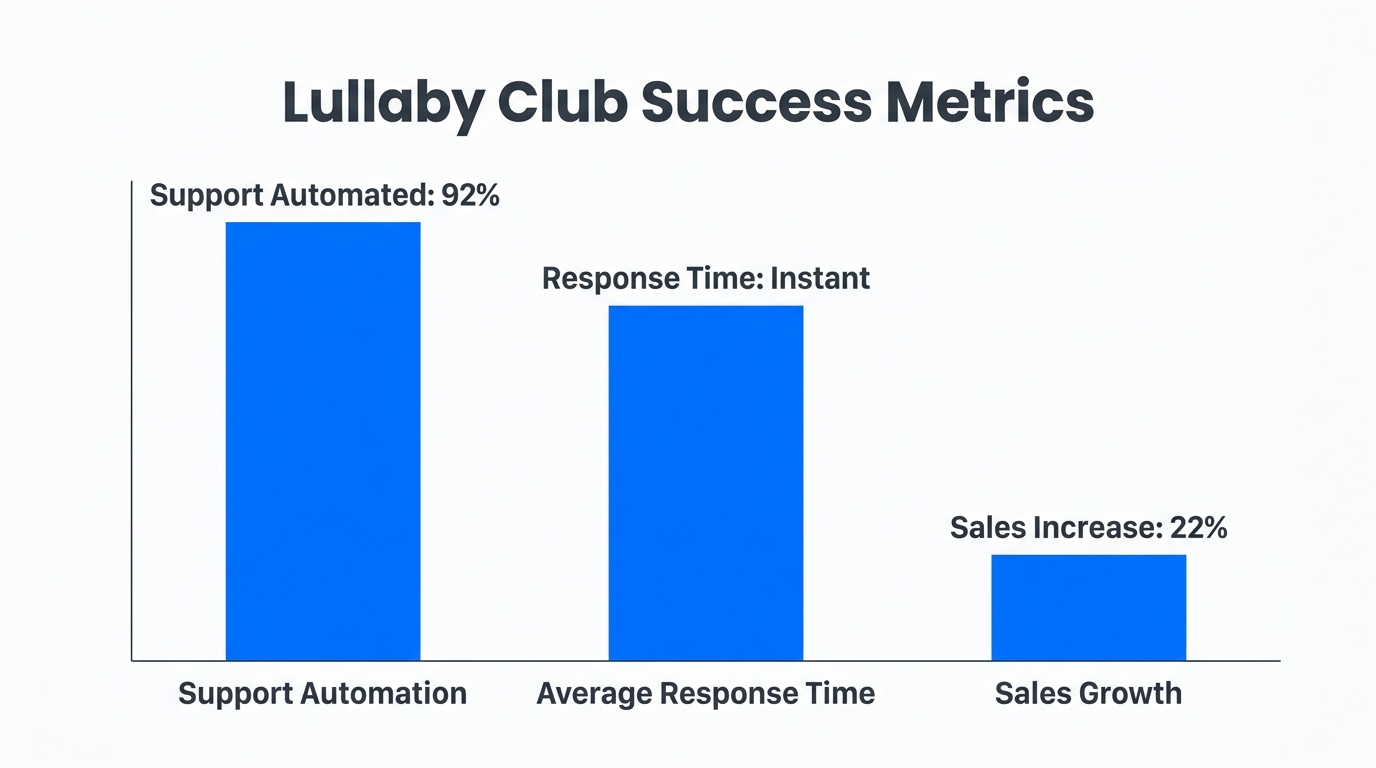
One of the most persistent issues in ecommerce is automated ecommerce returns management. High return rates can kill margins, especially for fashion brands. The Lullaby Club, an Australian brand, tackled this by deploying an AI sizing agent.
Instead of a static size chart, the agent engaged customers in real-time, asking about their measurements and preferred fit (tight vs. oversized). The result? A 24% increase in conversions in a single week and a 97% accuracy rate in size recommendations. By solving the sizing problem at the point of sale, they drastically reduced the downstream need for returns processing. This data, cited by Anchor Group, highlights how "Support" and "Sales" are now the same department in the AI era.
The Payment Revolution: Agent-to-Merchant Transactions
We are entering the era of "Zero-Click Commerce." In April 2026, Visa’s Intelligent Commerce Connect launched, providing a framework for Agent-to-Merchant transactions. This allows an AI agent (like a customer's personal assistant) to spend money on behalf of a human after authenticating the request.
For the Shopify merchant, this means your store must be "machine-readable." Using the Storefront MCP (Model Context Protocol), as detailed by Revize and championed by Anthropic, allows these agents to read your live SKU data and execute checkouts autonomously. If your store isn't agent-ready, you are invisible to the segment of the market that has outsourced their shopping to AI.
Avoiding the 'Hallucination Trap'
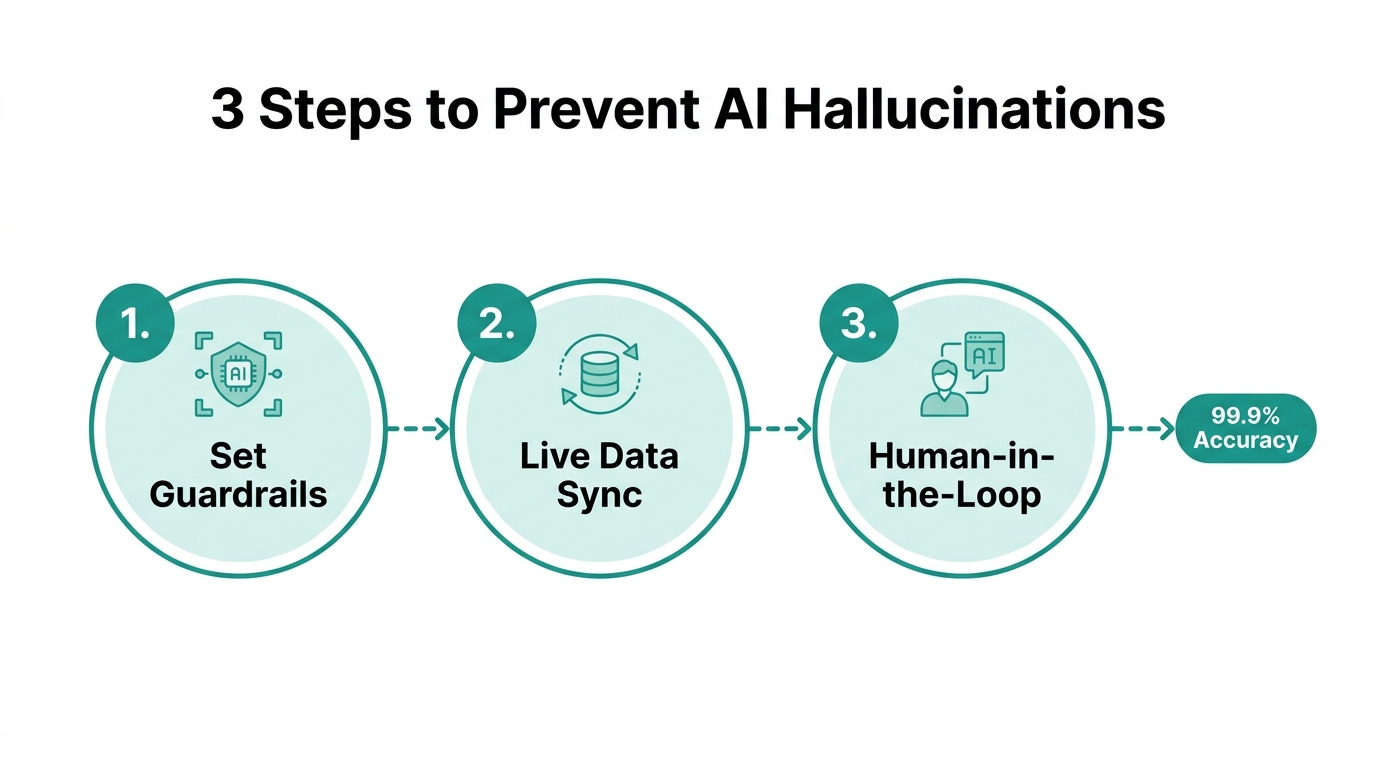
With great autonomy comes great liability. One of the biggest risks in 2026 is the "Hallucination Trap." There have already been legal cases, documented by Extuitive, where AI agents mistakenly promised customers products for $1.00 and stated the deal was "legally binding."
To prevent AI hallucinations, you must set strict guardrails:
- Knowledge Base Isolation: Only allow your AI to answer questions based on your uploaded PDF manuals and return policies.
- Price Integrity: Use tools like Stormy AI to sync your live Shopify pricing directly to your support agent's context, ensuring it never "guesses" a discount.
- Human-in-the-Loop: For refunds or shipping disputes over a certain dollar amount, require the AI to draft the response but wait for human approval in the Stormy AI task scheduler.
"AI requires 'clean' data. Messy product descriptions lead to AI hallucinations that can cost you both revenue and reputation."
Conclusion: The 2026 Operational Playbook
The ecommerce brands winning this year aren't the ones with the biggest teams; they are the ones with the best-integrated agents. By deploying Zipchat for proactive sales and WhatsApp cart recovery, you capture the high-intent traffic that legacy stores lose. By employing Stormy AI as your AI ecommerce employee, you ensure that as sales scale, your back-office operations (inventory, suppliers, and reporting) scale with them autonomously.
The era of the billion-dollar solopreneur is here. Start by connecting your Shopify store to Stormy AI today and experience what it's like to have a teammate that never sleeps, never forgets to follow up, and always keeps the spreadsheet updated.