In 2026, the traditional e-commerce search landscape has been fundamentally reshaped. We are no longer just optimizing for "blue links" on a page; we are optimizing for Generative Engine Optimization (GEO) and Answer Engine Optimization (AEO). For e-commerce growth managers, the manual Shopify SEO audit of yesteryear is dead. Today, staying competitive means leveraging a high-velocity AI SEO automation workflow to capture the massive influx of traffic coming from AI agents and answer engines.
Since the start of last year, Shopify has reported a staggering 15x increase in orders originating directly from AI search platforms like ChatGPT, Gemini, and Perplexity. If your store isn't visible in these AI Overviews, you aren't just losing rankings—you're losing revenue. This playbook outlines the four-phase automated workflow required to audit and optimize your Shopify store at scale for the 2026 market.
The 2026 Shift: Why AI Search is Redefining Shopify Growth
The core of modern ecommerce growth strategy 2026 lies in understanding that search engines are now "answer engines." Google’s AI Overviews (AIO) have moved from a beta feature to the primary way users consume information. Interestingly, research shows that URLs cited in AIO results are 25.7% "fresher" than those found in traditional SERPs, according to data from Digitaloft. This means a static SEO strategy is a failing strategy; your store needs real-time, automated updates to remain relevant.
"In 2026, SEO is no longer about being the first link; it is about being the most trusted data source for the AI agents that now complete checkouts for users."
Furthermore, the rollout of Semantic Search across all Shopify stores in 2025 has made structured data and rich product context mandatory. Shopify's Semantic Search infrastructure ensures that AI agents are now capable of navigating stores and performing transactions autonomously, provided the store's data is clean, well-structured, and machine-readable. This is where the automated on-page SEO audit becomes your most powerful tool.
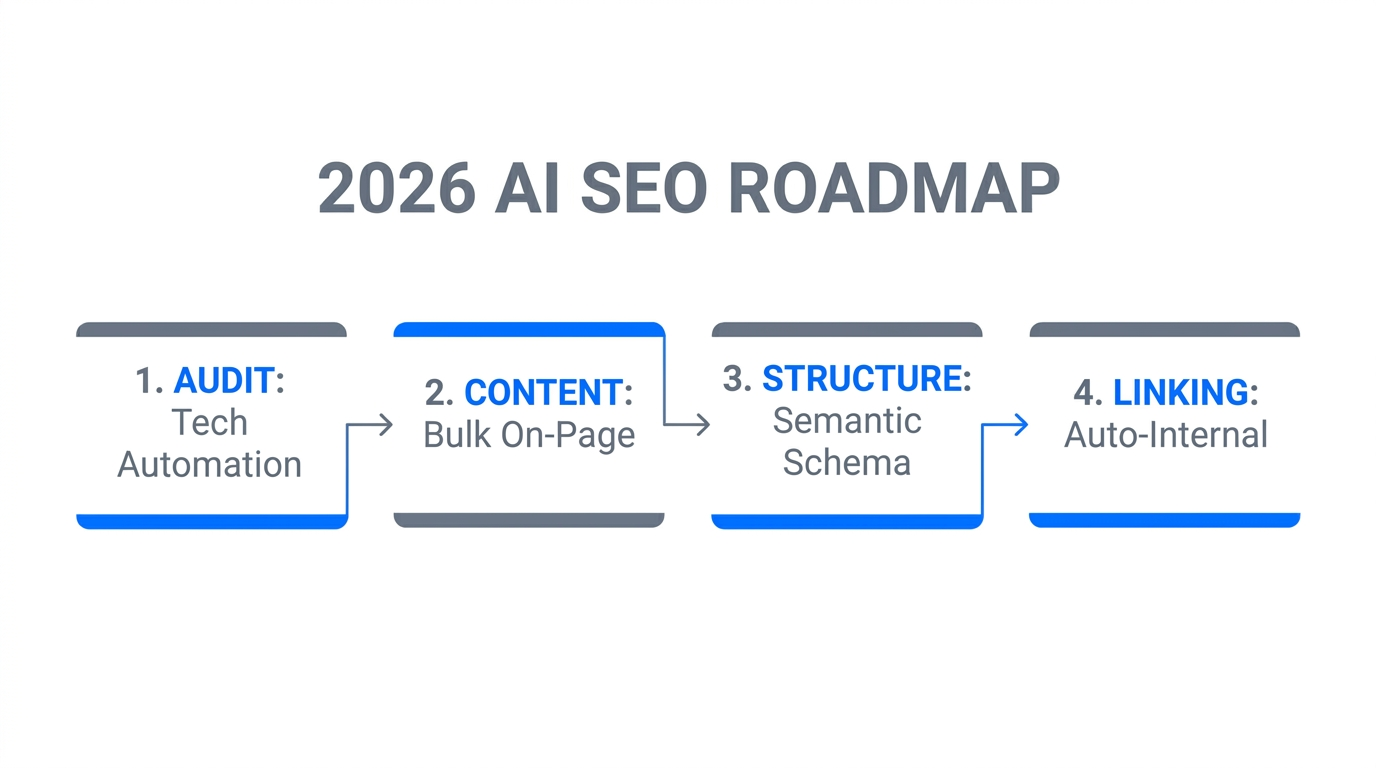
Phase 1: Technical & Site Speed Audit Automation
Site speed remains a foundational pillar for both user experience and search rankings. However, manually checking 5,000 product pages for unoptimized assets is impossible. Marketers using AI tools save an average of 13 hours per week, much of which is reclaimed from routine technical reporting and data entry.
Automating Core Web Vitals
Using a combination of PageSpeed Insights and TinyIMG, you can set up a continuous audit loop. AI algorithms now automatically detect oversized images and inefficient scripts that contribute to high Largest Contentful Paint (LCP) scores. Instead of a developer fixing these one-by-one, automation rules can compress images and apply "lazy loading" across your entire catalog in seconds.
- Automated Image Compression: Set rules to auto-resize any upload over 200KB via tools like Adobe Express or Shopify apps.
- Smart Alt Text: Use tools like Caseo.ai to generate context-aware alt text for thousands of products simultaneously.
- Script Management: Identify and defer non-essential Shopify app scripts that slow down the Liquid rendering engine using Avada SEO.
Phase 2: Bulk On-Page Audit & Fix (The Matrixify Method)
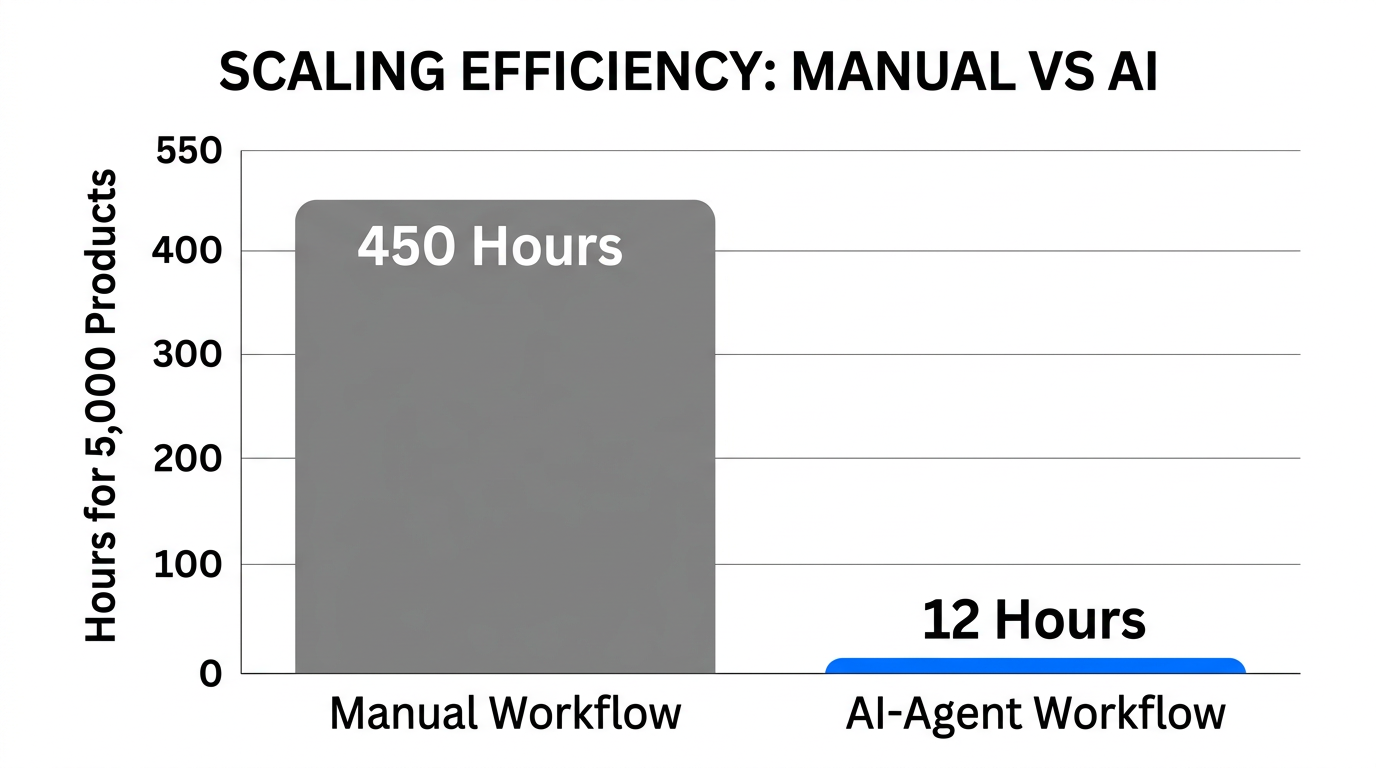
The most time-consuming part of a Shopify SEO audit is fixing thin content, missing meta descriptions, and duplicate H1 tags across thousands of SKUs. In 2026, the smart way to handle this is through the Matrixify + ChatGPT API workflow.
The Bulk Content Workflow
- Export: Use Matrixify to export your entire product database, including current SEO titles, descriptions, and body content into a CSV.
- Audit & Generate: Feed this data into a custom GPT or use the ChatGPT API to identify content gaps. The AI can instantly write 1,000 meta descriptions that are optimized for both clicks and AI search engine intent.
- Import: Re-import the AI-optimized file back into Shopify via Matrixify to update your entire store instantly.
This process ensures that every SKU has unique, high-quality content that prevents the "thin content" penalties often associated with large e-commerce catalogs. When scaling your content strategy, platforms like Stormy AI can help you discover niche-specific creators to produce authentic UGC that adds a layer of human trust to these AI-optimized pages, further boosting your credibility in the eyes of search engines.
"The 2026 SEO winner is not the one who writes the most content, but the one who best orchestrates AI to maintain 100% optimization across 100% of their catalog."
Phase 3: Schema & Semantic Structure Audit
If AI agents cannot understand your product specifications, they cannot recommend your store. A critical phase of any Shopify store optimization is the automated injection of structured data. Tools like Alli AI or JSON-LD for SEO allow brands to "live-patch" their schema without touching a single line of Liquid code.
| Audit Focus | Recommended AI Tool | Primary Benefit |
|---|---|---|
| All-in-One Audit | SearchPie | Real-time tracking of SEO health and automated fixes. |
| Bulk Deployment | Alli AI | Bypasses manual code edits to push optimizations globally. |
| Semantic Structure | JSON-LD for SEO | Ensures product, review, and FAQ data is machine-readable for Schema.org compliance. |
| AIO Tracking | Airefs | Specifically monitors performance within AI Overviews. |
By automating schema, you ensure that rich snippets (price, availability, star ratings) appear in search results, which can significantly improve click-through rates (CTR). This semantic clarity is exactly what AI search platforms like Perplexity and ChatGPT look for when sourcing "best of" product recommendations.
Phase 4: Internal Linking and Semantic Relevance
Internal links are the "highways" that distribute page authority throughout your site. However, as your blog and product catalog grow, maintaining a logical internal link structure becomes a nightmare. In 2026, we solve this with SEOpilot AI.
Using SEOpilot AI, you can set rules for the AI to scan every new blog post or landing page and automatically insert internal links to high-priority product pages based on semantic relevance. This ensures that your most important pages are always receiving "link juice" without needing a manual audit every month. This approach to automated on-page SEO ensures that search engine crawlers (and AI agents) can easily navigate your site's hierarchy.
"Internal linking used to be a chore; now it is a semantic rule-set that scales with your content production."
The Human QA Layer: Protecting E-E-A-T
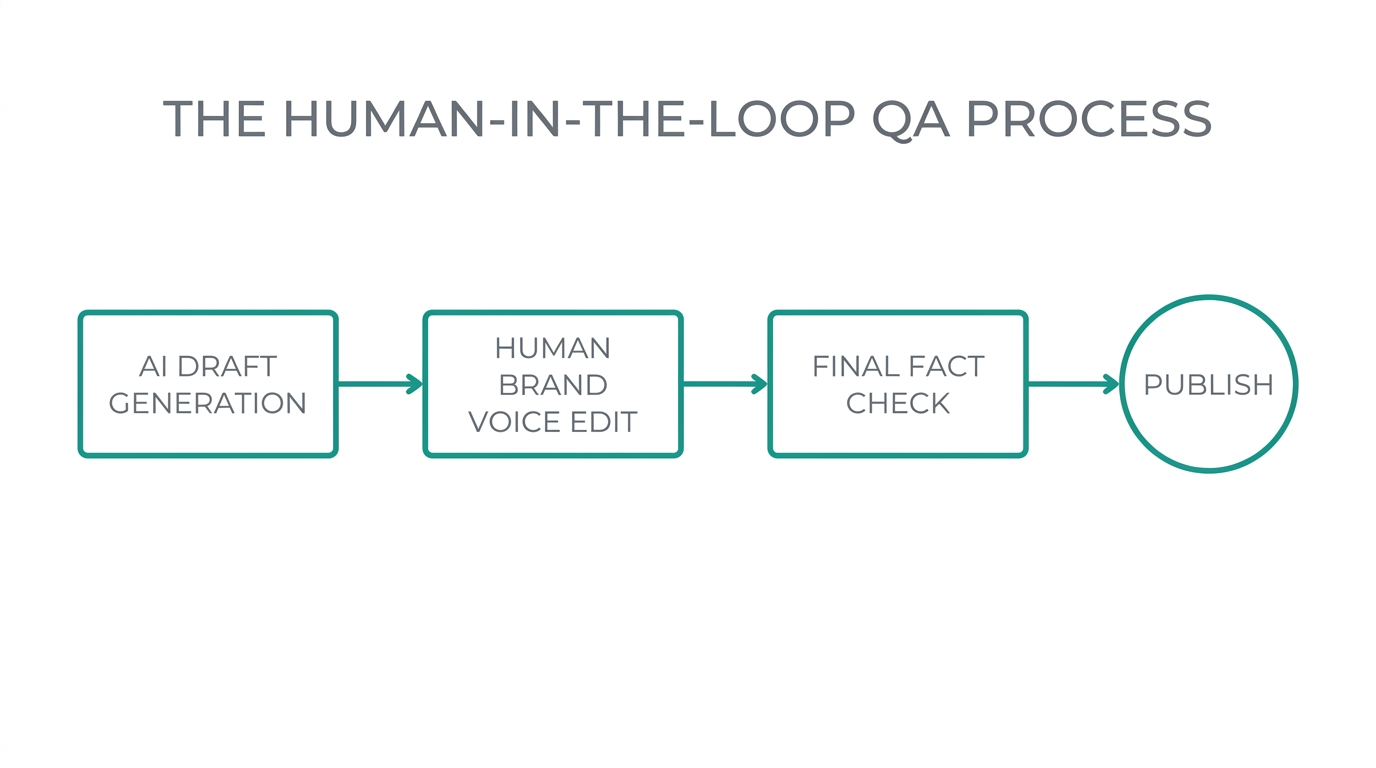
While AI can handle the heavy lifting of a Shopify SEO audit, it is not infallible. Experts at Shopify Academy warn that "AI is an accelerant, not a replacement." One of the biggest risks in 2026 is "hallucination"—where the AI generates incorrect facts or specs about your products. This can lead to a disastrous drop in Experience, Expertise, Authoritativeness, and Trustworthiness (E-E-A-T).
Every automated workflow must include a human-in-the-loop editorial oversight stage. This is particularly vital when using programmatic tools like CapGo AI or Surfer SEO to generate content. A quick manual check ensures that the AI hasn't accidentally hallucinated a product feature that doesn't exist or failed to capture the brand's unique voice.
Common Mistakes to Avoid in AI SEO Automation
As you implement this 2026 playbook, be wary of these common pitfalls identified by industry veterans at The Prompt Nest and PureRapid:
- Automating Chaos: If your site structure is messy, AI will only make the confusion worse. Fix your basic taxonomy before applying automation.
- The "App Overload" Trap: Installing too many SEO apps can bloat your code. Stick to a "3-App Limit" for core SEO functions to keep your store fast.
- Ignoring Intent: AI can write perfect grammar that fails to address "buying intent." Ensure your AI prompts are focused on answering the specific questions your customers ask, or you will face high bounce rates as noted by AdLiveTech.
- Blind Trust in Crawlers: Some AI crawlers fail to render Liquid templates correctly, leading to "false negatives" regarding missing meta tags. Always verify a sample with a manual check using Screaming Frog.
Conclusion: Future-Proofing Your Store for 2026
The 2026 Shopify SEO audit is a blend of high-speed technical automation and strategic semantic data management. By implementing the four-phase workflow—Technical, Bulk On-Page, Schema, and Internal Linking—you position your brand to capture the massive growth of AI search traffic. Remember that tools like Stormy AI can complement your SEO efforts by providing the UGC and creator relationships that build the "human layer" search engines now crave.
The goal is no longer just to rank; it is to dominate the "answer" provided by the next generation of search. Start by auditing your current site speed and image assets today using Google Analytics 4, and begin building the automated infrastructure that will drive your store's revenue into the future.