In 2026, scaling a Shopify brand past the $10M revenue mark is no longer a battle of creative output alone—it is a war of data integrity. As the global ecommerce analytics market swells to $30.32 Billion, according to Coherent Market Insights, the decision between Triple Whale and Northbeam has become the pivotal choice for DTC founders.
While both platforms offer sophisticated attribution, the 2026 landscape demands more than just a dashboard. Brands are moving toward "Incrementality-first" models to combat the rising CPAs on TikTok Ads and Meta Ads. This is where the choice between Triple Whale’s ecosystem and Northbeam’s server-side precision becomes critical.
Triple Whale: The All-in-One Command Center
Triple Whale remains the darling of the Shopify ecosystem. Its "Moby" AI assistant and centralized dashboard make it incredibly easy for lean teams to see their ROAS and POAS (Profit on Ad Spend) in real-time. However, for brands scaling aggressively, simply seeing the data isn't enough—you need someone to act on it.
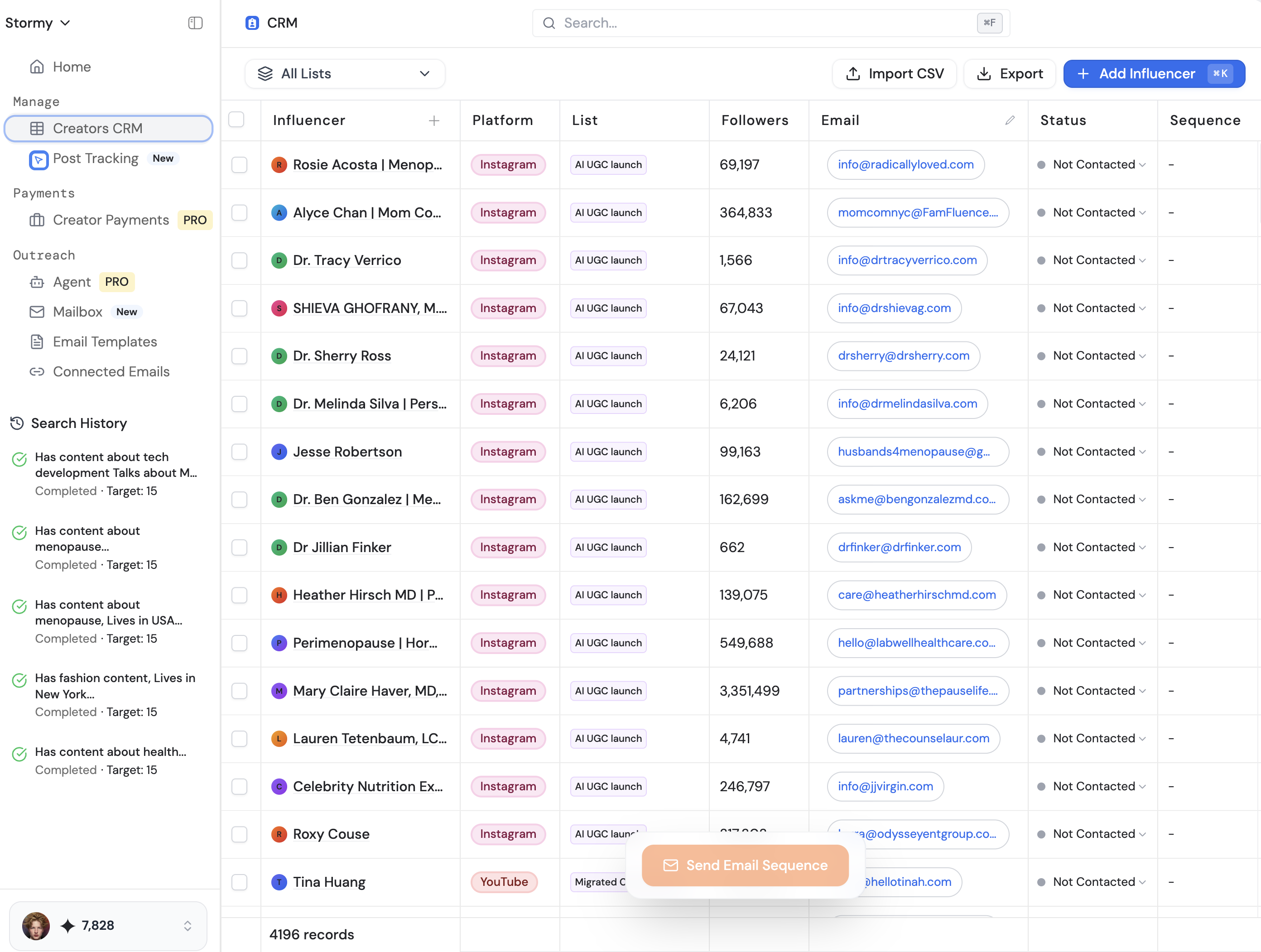
While Triple Whale visualizes your spend, an AI ecommerce employee like Stormy AI actually uses that data. Stormy can pull your Triple Whale reports into a dynamic spreadsheet, compare it against supplier lead times, and automatically adjust your creator outreach strategy based on which SKUs are actually driving incremental lift.

Northbeam: The Enterprise Choice for Multi-Channel Brands
Northbeam has doubled down on its proprietary "First-Party Pixel," offering a deeper look into the customer journey across Google Ads, Amazon Ads, and even offline channels. In 2026, Northbeam is the go-to for brands running complex geo-testing to prove incrementality.
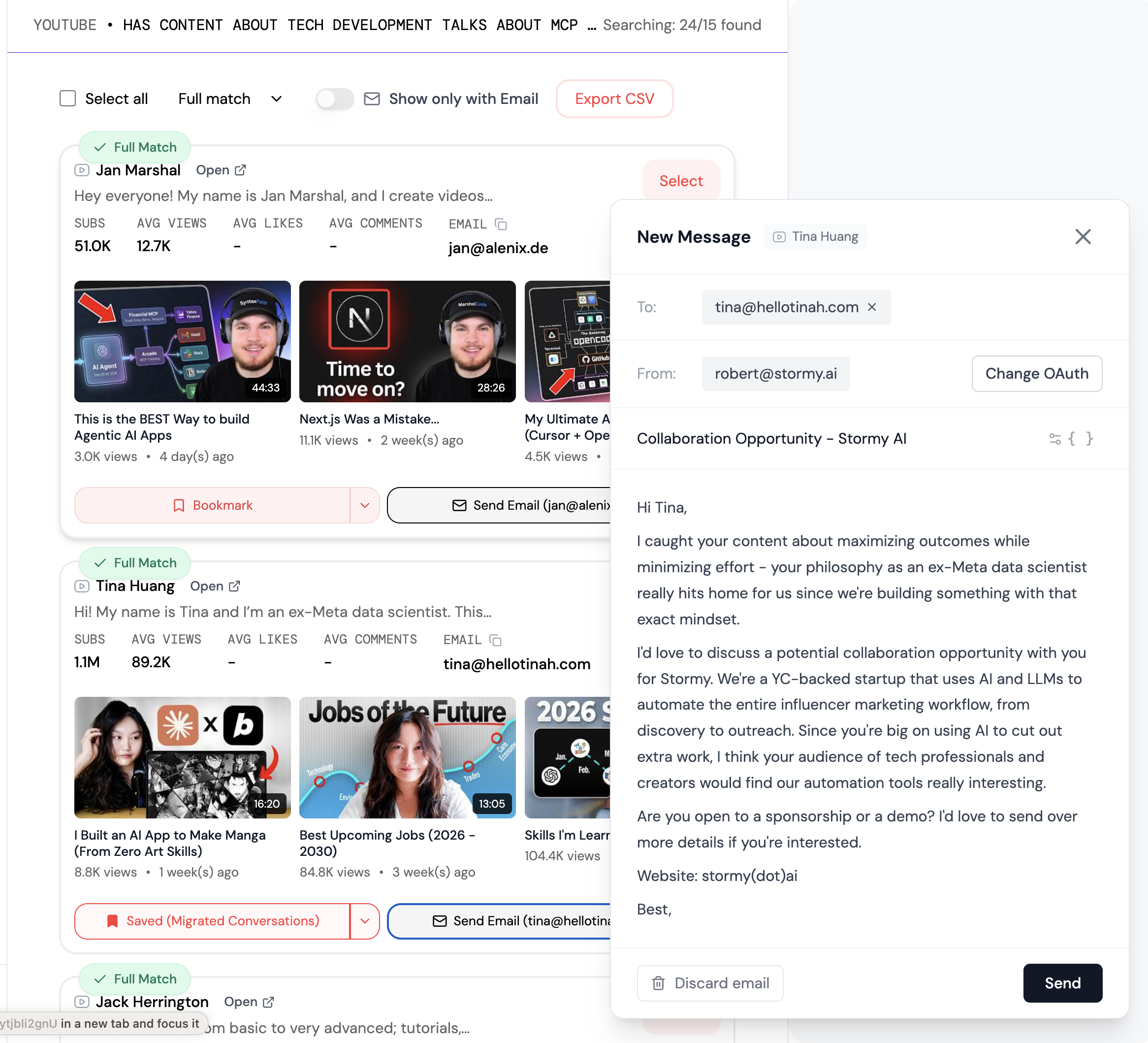
The challenge with Northbeam is the sheer volume of data. It provides the "truth," but the back-office labor required to turn that truth into action is high. Modern operators are now pairing Northbeam with Stormy AI to handle the "messy middle" of ecommerce. For example, when Northbeam identifies a high-performing geographic region during a geo-test, Stormy can instantly wake up, search for influencers in that specific zip code via its discovery tool, and initiate outreach to capitalize on the trend.
Geo-Testing and Incrementality: The 2026 Standard
In the current privacy-first era, incrementality testing (proving that an ad actually caused a sale) is the only way to scale with confidence. Triple Whale offers simplified "Smart-Features" for this, while Northbeam offers a more granular, statistical approach.
Regardless of which tool you use for measurement, the operational execution remains the bottleneck. Scaling brands are using Stormy AI to monitor these experiments. Stormy can track Klaviyo email performance alongside ad platform data, flagging when a "lift" in sales is actually just a result of an unannounced promotion rather than ad spend.
The Verdict: Which Should You Choose?
- Choose Triple Whale if: You are a Shopify-exclusive brand doing $1M–$20M and want an easy-to-use interface that your entire team can understand. It integrates perfectly with your Gorgias support tickets and PostHog analytics for a unified view.
- Choose Northbeam if: You are a multi-channel brand doing $20M+ with significant spend on YouTube and Amazon, and you have a dedicated data scientist or growth lead to interpret the server-side models.
The most successful brands in 2026 aren't just choosing between Triple Whale and Northbeam; they are building an autonomous back office. By using Stormy AI as their "AI Employee," they ensure that when the analytics platform says "Scale," the inventory is checked, the creators are contacted, and the spreadsheets are updated—all without a human lifting a finger.
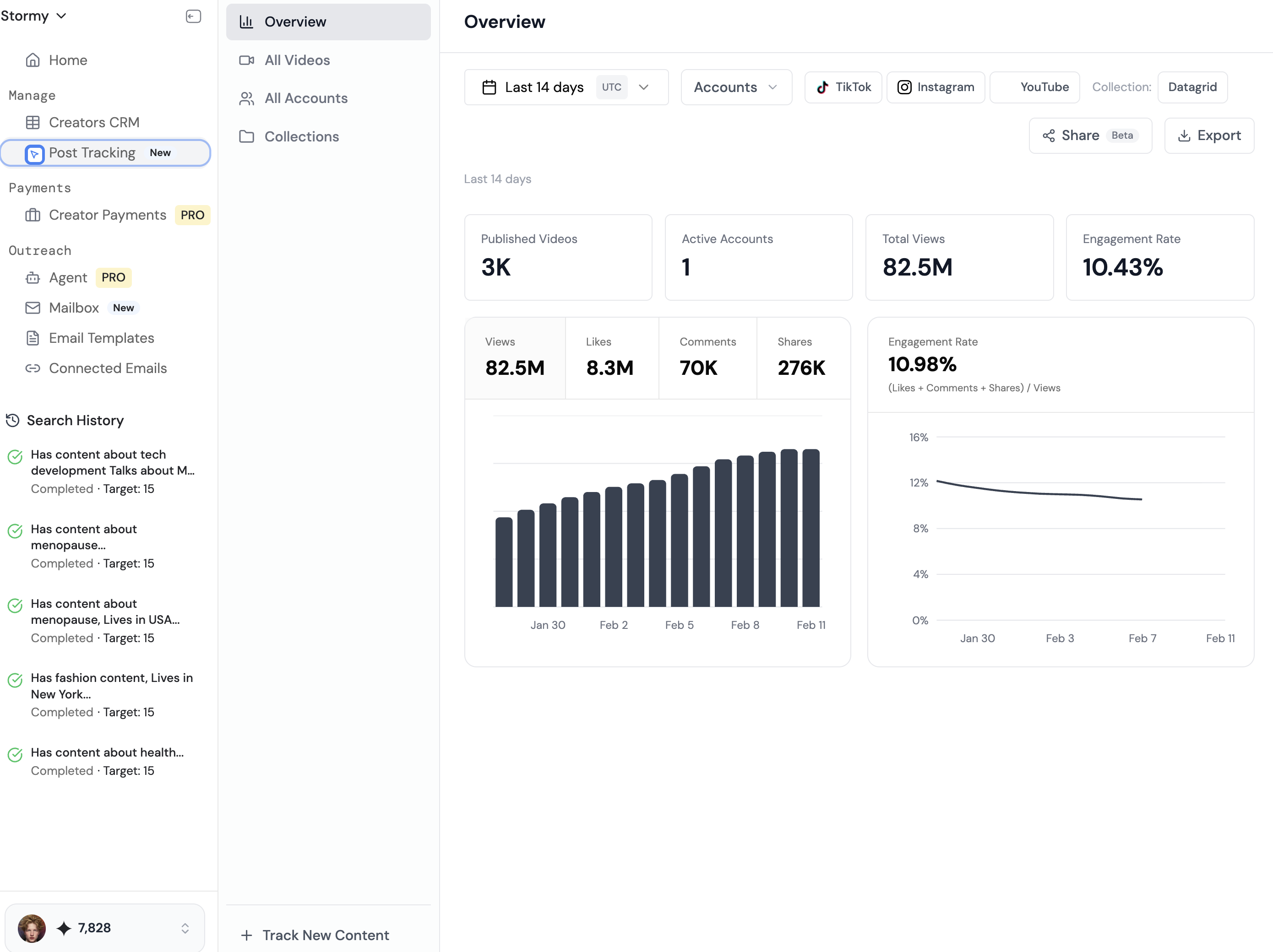
Whether you go with the accessibility of Triple Whale or the depth of Northbeam, remember that data is only as good as the action it triggers. Let Stormy AI handle the execution while you focus on the vision.