Most entrepreneurs believe that a successful Shopify launch requires a finished product, a massive warehouse, and a prayer to the algorithm gods. Colin McIntosh, the founder of Sheets & Giggles, proved the opposite. After being fired twice and laid off once, McIntosh decided to build a business that didn't just sell a product, but validated a community. By the time his first box of eucalyptus bed sheets actually shipped, he had already generated $284,000 in sales within his first 30 days of launching. This wasn't luck; it was a clinical execution of a sell before you build framework that turned traditional retail on its head.
The 'Sell Before You Build' Framework
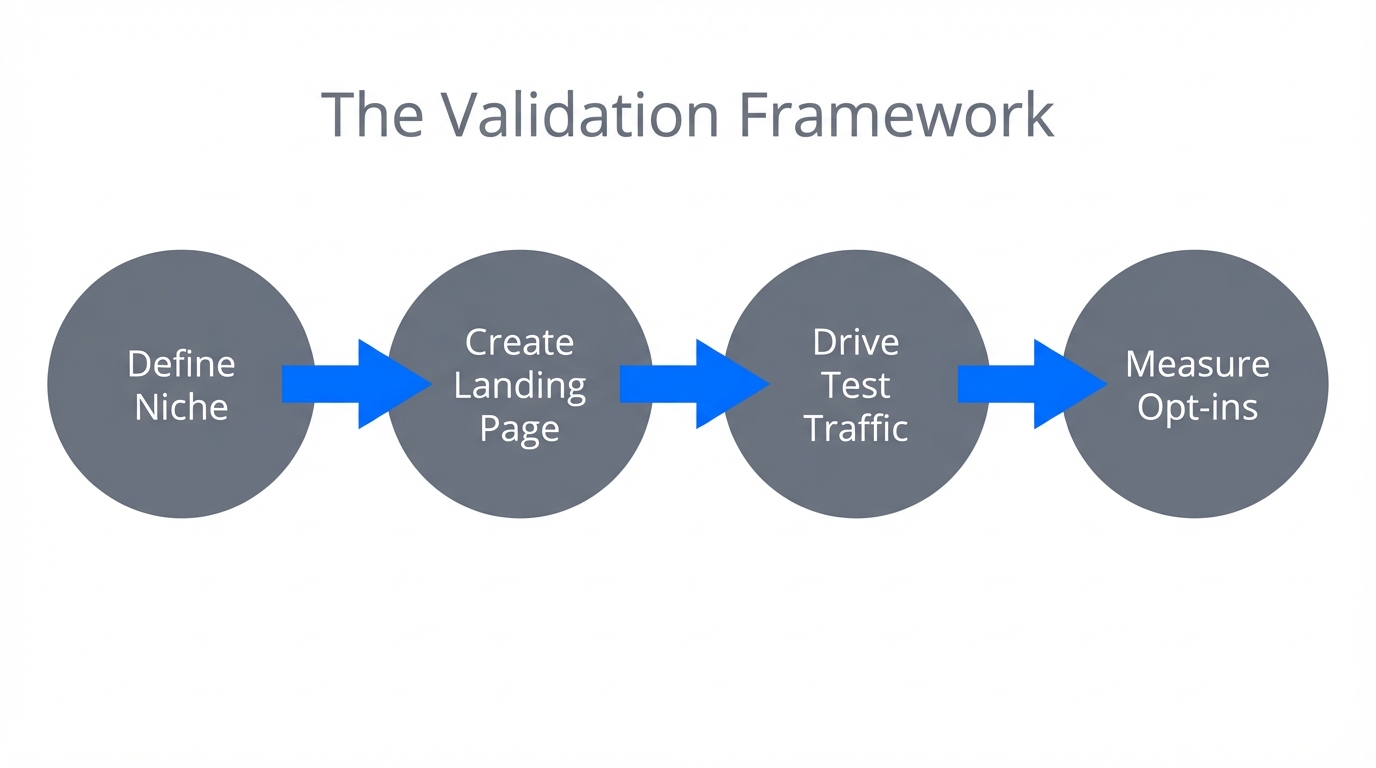
The biggest mistake in direct to consumer growth is investing capital into inventory before confirming that anyone actually wants to buy it. McIntosh argues that you should be able to sell a wireframe, a sign-up form, or a brand identity before a single unit is manufactured. Before Sheets & Giggles was a physical product, it was a brand identity map and a financial model. He validated his unit economics first, ensuring the model made sense before falling in love with the product itself.
By using simple landing pages and wireframes, McIntosh achieved a staggering 46% email capture rate. This wasn't just a list of names; it was a list of early adopters who were emotionally invested in the brand's success. He focused on founder-market fit, aligning his personal strengths—humor and communication—with a boring, crowded industry like bedding to create a unique value proposition.
"You can sell a wireframe, you can sell an idea, you can sell a signup form. If you get people feeling like they're building a product with you, they become emotionally invested."
The 10,000 Email Rule: The Math of Crowdfunding
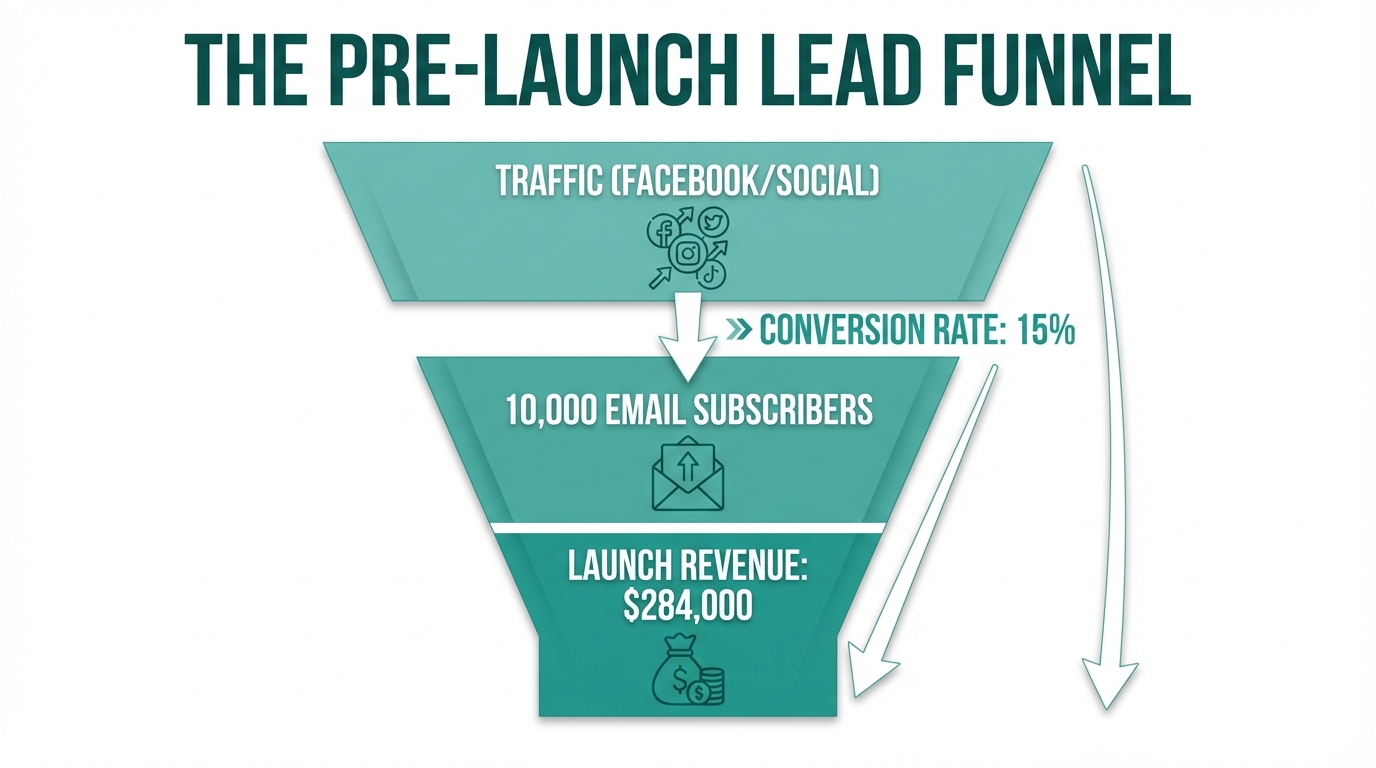
A successful crowdfunding marketing plan is governed by math, not magic. To reach a total goal of $100,000, McIntosh explains that you typically need to secure 30% of your total goal on Day One. This initial spike signals to the platform's algorithm that your project is trending, which triggers secondary organic traffic from the crowdfunding site itself.
| Metric | Standard Benchmark | Sheets & Giggles Result |
|---|---|---|
| Email List Size | 10,000 | 11,000 |
| Email Conversion Rate | 2-3% | 4.5% |
| Day 1 Revenue | $30,000 (Goal dependent) | $45,000 |
| 30-Day Campaign Total | $100,000 | $284,000 |
To hit that $30,000 Day One target with a $100 Average Order Value (AOV), you need 300 customers. At a standard 3% conversion rate for ecommerce email marketing, that necessitates a pre-launch list of 10,000 emails. McIntosh didn't just guess; he calculated the exact number of leads required to ensure success before the campaign even went live. Because his engagement was so high, his list converted at 4.5%, leading to 450 customers on day one and $45,000 in immediate revenue.
Validation Through Micro-Engagement and Surveys
Building an email list is only half the battle; keeping them engaged is where the real work happens. McIntosh used his pre-launch phase to treat his subscribers like a product development team. He sent regular surveys asking critical questions: What colors do you want? How much would you pay for this? This strategy does two things: it provides free market research and it builds intense brand loyalty because the customers feel like they are co-creators of the brand.
McIntosh famously responded to every single social media comment and customer care email himself during the early days. In an era of automated bots and outsourced support, this personal touch created a 1-on-1 connection with thousands of people. He wrote every word of copy on the website, ensuring a consistent, humorous brand voice that resonated with his audience.
The Four Rules of Brand Naming
The name "Sheets & Giggles" wasn't just a pun; it followed a strict set of criteria that McIntosh believes are essential for any multi-million dollar brand. When developing your shopify launch strategy, your brand name must act as a marketing tool in itself. He follows four core rules:
- Rule 1: Spellable, Sharable, and Memorable. If people can't spell it, they can't find it.
- Rule 2: Connote or Denote what you do. The name should tell the customer what you sell (e.g., "Sheets").
- Rule 3: Strong SEO potential. Don't pick a name that competes with massive, established terms where you'll never rank on page one of Google Search.
- Rule 4: The .com rule. For the US market, a .com domain from providers like Namecheap or GoDaddy is non-negotiable for trust and authority.
"If you’re not pissing at least 20% of people off, you’re probably not doing it right. You can't be everything for everyone."
Scaling to $1 Million Per Month
After the initial crowdfunding success, the challenge shifted to sustainable growth. While traditional channels like Meta Ads Manager and Google Ads provided a baseline, McIntosh found significant success in "founder-led" advertising. He sponsored podcasts and YouTube channels that he personally enjoyed. His logic: if the founder likes a creator, the brand’s target audience likely does too.
This is where modern tools can replace manual labor. For brands looking to replicate this success through creator partnerships, platforms like Stormy AI can help source and manage UGC creators at scale. Instead of manually scouring social media, you can use AI to find influencers who match your brand voice and have genuine engagement, much like the niche communities McIntosh targeted for his early growth.
The Modern DTC Tech Stack
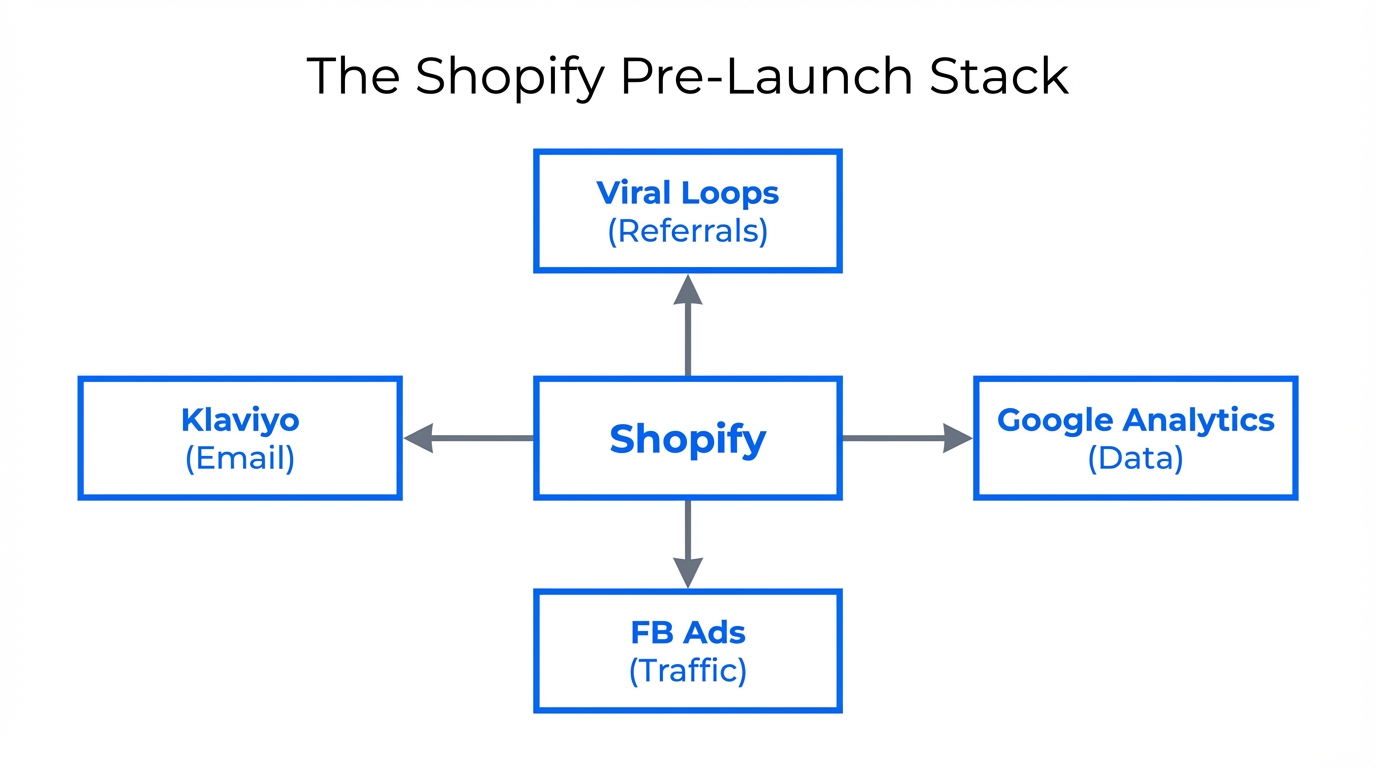
Efficiency is the secret to scaling a business from a bed in Denver to a multi-million dollar enterprise. McIntosh utilizes a suite of tools that automate the heavy lifting of Shopify management and customer retention.
| Tool Category | Recommended Tool | Function |
|---|---|---|
| Upsells | Rebuy | In-cart and post-purchase upsells to increase AOV. |
| Reviews | Okendo | Capturing high-quality customer reviews and photos. |
| Customer Care | SiteGPT | AI chatbot trained on your site to answer FAQs instantly. |
| Content | Canva / StockIMG | Quick image creation and design for social and ads. |
One notable addition to his stack is the use of an AI-powered chatbot that cut customer care tickets by 30%. By offering a discount code like "AI" during successful conversations, the bot actually became one of their best salesmen. For ongoing relationship management with creators, tools like the creator CRM within Stormy AI can similarly automate the follow-up and outreach process, allowing founders to focus on higher-level strategy.
The Path to $1.2 Million Months
By November 2020, Sheets & Giggles hit its first $1.2 million revenue month. The journey from a laid-off employee to a multi-million dollar founder didn't come from reinventing the wheel, but from obsessing over the details. McIntosh proved that if you focus on kindness, hard work, and intelligence, and combine them with a data-backed pre-launch strategy, the results will follow.
If you're planning your own launch, start with the math. Build your brand identity map, calculate your 10,000-email target, and don't be afraid to sell the vision before the product exists. Whether you are using TikTok Ads to drive traffic or personalizing your outreach with AI via Make.com or Zapier, the goal remains the same: build a brand that people feel proud to support.