In the high-stakes landscape of 2026 ecommerce, the era of "growth at any cost" has officially ended. As global ecommerce sales surge toward a staggering $7.4 trillion, accounting for nearly 24% of all retail spending according to data from Invesp, the barrier between a struggling brand and a 7-figure powerhouse is no longer just ad spend—it is systems-led retention. Today, scaling a brand to the $1M+ annual revenue mark requires moving beyond founder-led hustle and into automated customer lifecycle management.
The mathematical reality is stark: while there are over 28 million online stores, only a tiny fraction ever breach the 7-figure threshold. The primary culprit? The "CAC-LTV gap," where the cost to acquire a customer exceeds the profit from their first purchase, a phenomenon highlighted by Shopify research. To survive and thrive this year, brands must pivot to the philosophy that retention is the new CAC. By leveraging enterprise-grade tools like Shopify Plus and Klaviyo automation, businesses can build a 30-40% revenue floor that remains stable regardless of fluctuating ad costs.
Implementing the 2026 Lifecycle Marketing Framework
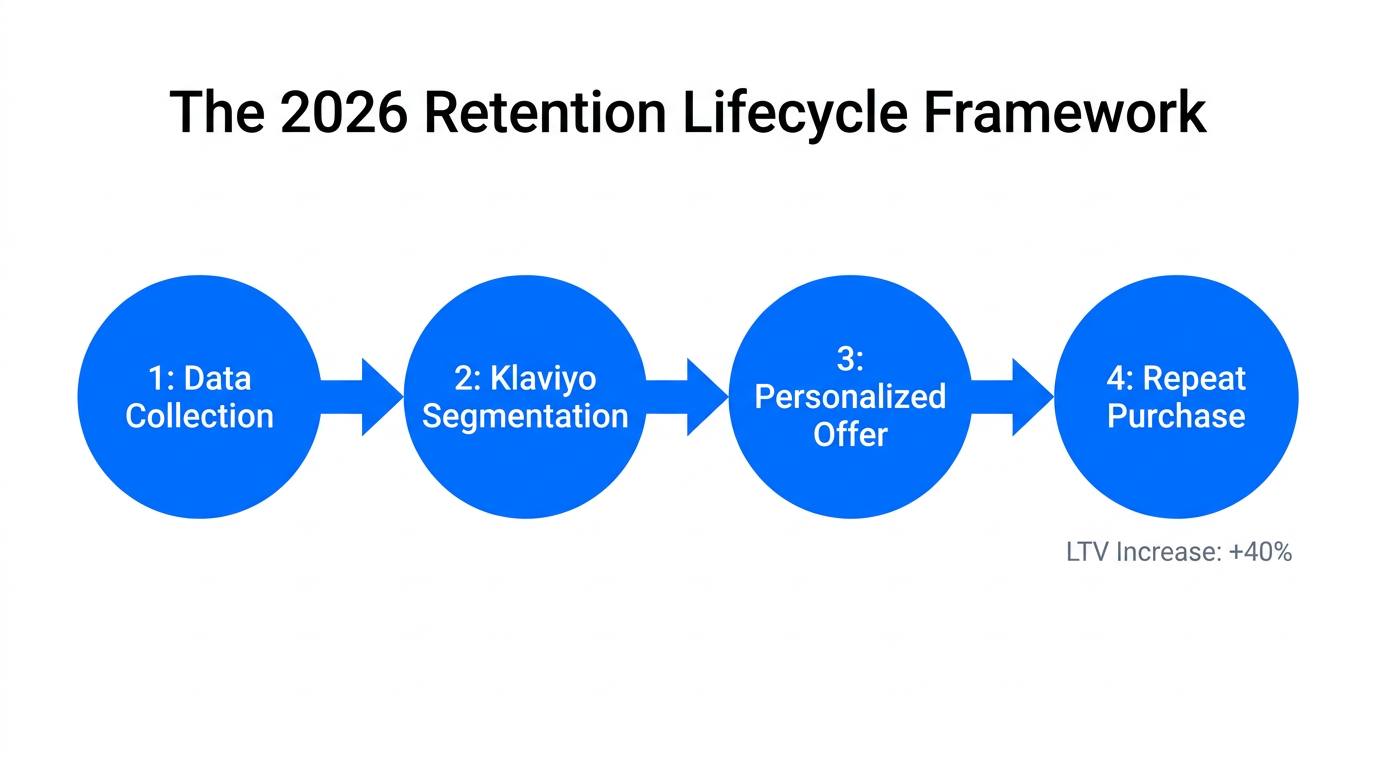
In 2026, 7-figure shopify store systems are built on a foundation of automated flows that run 24/7. These aren't just "set and forget" emails; they are dynamic, AI-driven interactions that respond to real-time customer behavior. According to experts at Shoplift.ai, your email and SMS marketing should ideally drive at least 30-40% of your total revenue to ensure long-term sustainability. For brands looking to scale this even further, platforms like Stormy AI can help identify the exact creators who will resonate with your core segments to fuel these automated journeys.
The Welcome Series: Beyond the Discount
Your welcome sequence is the first impression. In 2026, it must do more than offer a 10% coupon. It should use zero-party data (preferences collected via quizzes) to segment users immediately. As noted by Forbes, this data is the new gold standard for privacy-compliant personalization. If a customer signals interest in a specific product category, their welcome journey should be entirely unique to that interest. This level of Klaviyo automation ensures that engagement remains high from day one.
AI-Driven Abandoned Cart & Checkout Recovery
Cart abandonment is no longer a static email. 2026's best practices involve multi-channel orchestration. If a high-value customer abandons a cart, the system triggers a personalized SMS followed by a dynamic Meta ad featuring the exact items left behind. By using Meta Ads Manager in sync with your Klaviyo segments, you create a cohesive re-engagement loop that is impossible to ignore.
"Scaling to 7 figures is no longer about finding more customers; it is about finding more value in the customers you already have."Predictive Win-back Sequences
The most sophisticated brands use predictive analytics to identify when a customer is about to churn before they actually leave. By analyzing historical purchase frequency, BizHealth notes that AI can now trigger win-back sequences exactly three days before a customer’s predicted next purchase date, offering a personalized incentive to keep the habit alive.
Retention Economics: Turning a 5% Boost into 25% Profit
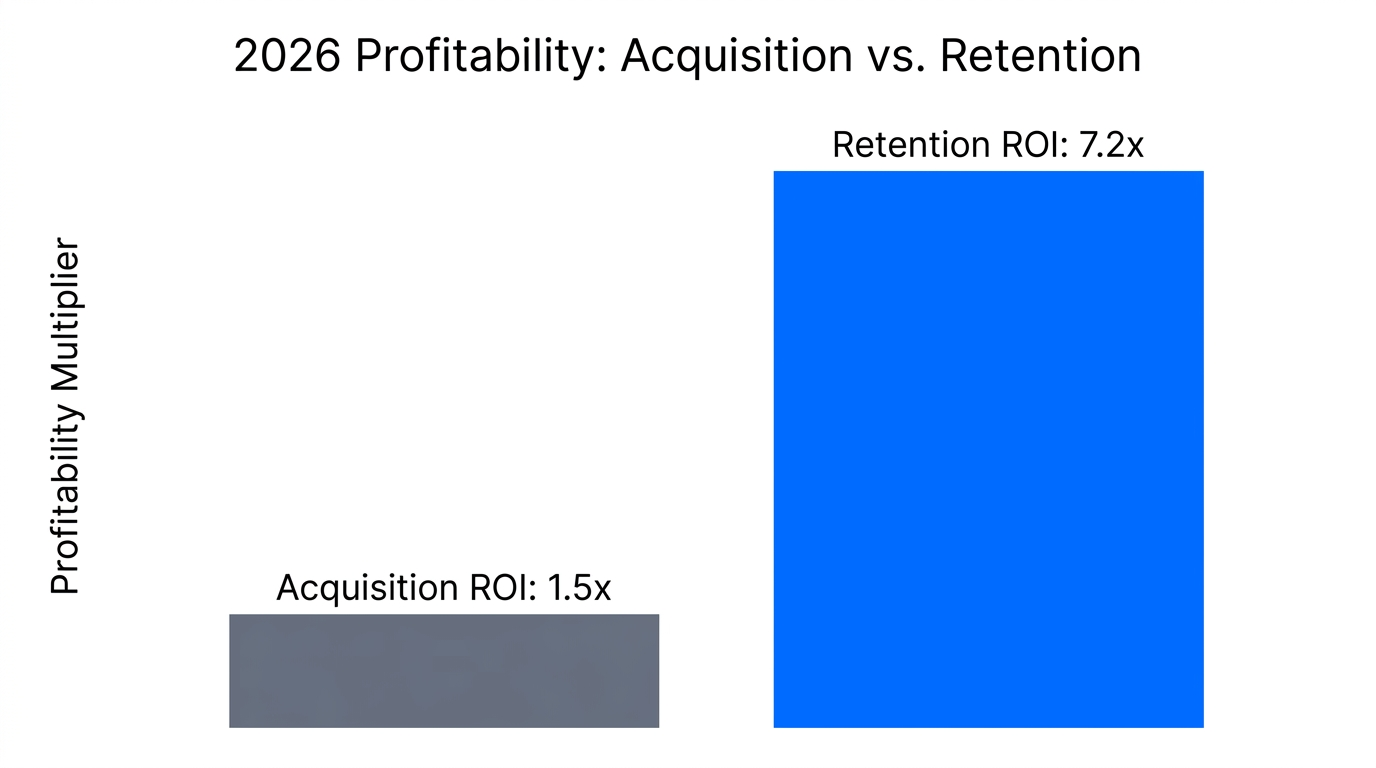
Why is everyone obsessed with retention in 2026? Because acquisition is expensive. Meta CPMs have seen massive volatility, and relying solely on top-of-funnel traffic is a recipe for cash flow disaster. As Headline reports, the profitability delta between a one-time buyer and a repeat customer is where 7-figure brands are built.
| Metric | Acquisition-Heavy Model | Retention-Focused Model (Stormy AI Recommended) |
|---|---|---|
| Avg. CAC | $45.00 | $38.00 (via referrals/organic) |
| Customer LTV | $65.00 | $180.00+ |
| Contribution Margin | 12% | 34% |
| Revenue Stability | Low (Ad-dependent) | High (Flow-dependent) |
To move from vanity metrics like ROAS to actual growth, brands must focus on Contribution Margin. The Common Thread Collective suggests using a "Growth Map" to forecast performance at the P&L level rather than just the ad account level. This shift ensures that every dollar spent on acquisition is supported by a robust backend that maximizes ecommerce customer lifetime value.
Hyper-Personalization: Predictive Analytics in Action
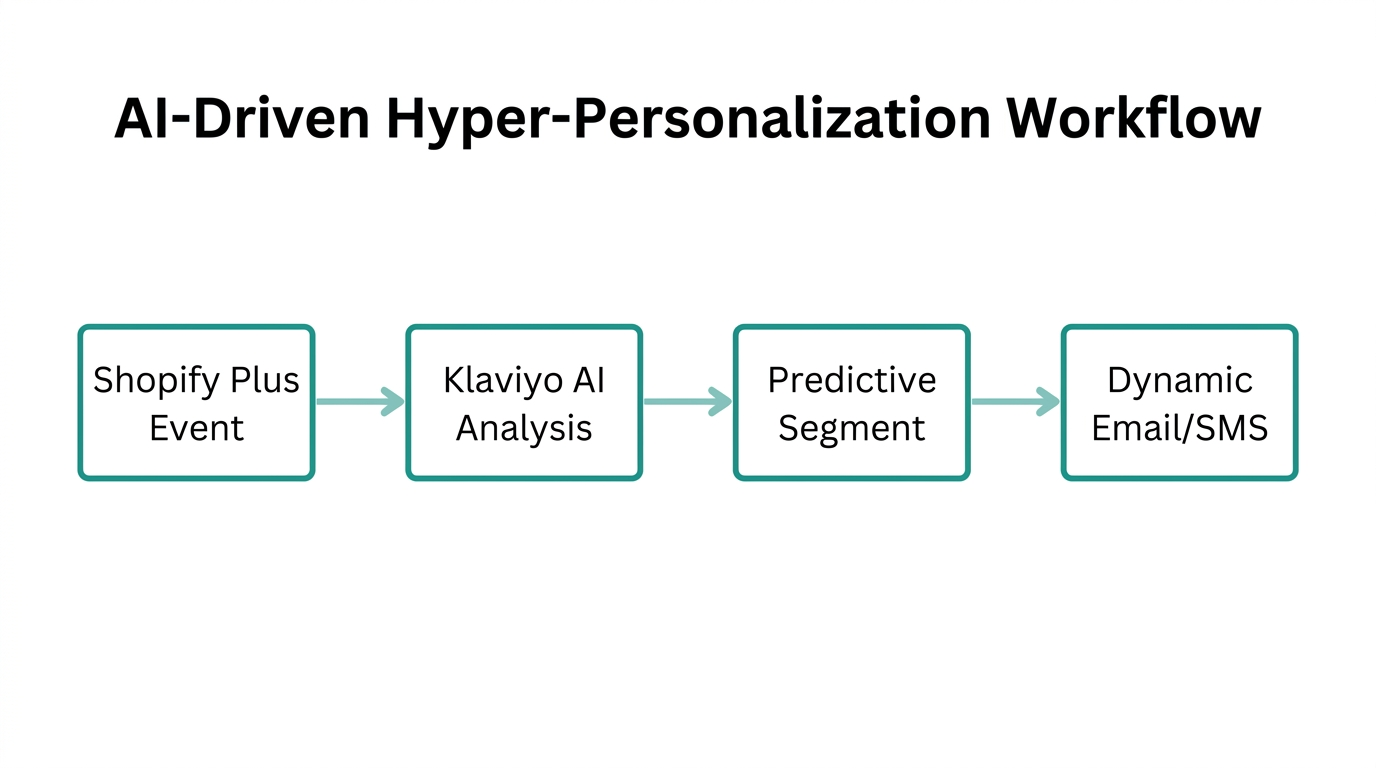
Ecommerce personalization trends in 2026 have moved far beyond "Hi [First_Name]." Today, it is about dynamic content blocks that change based on a user's Lifetime Value (LTV). For example, a "VIP" customer with an LTV over $500 might see a completely different homepage layout on Shopify Plus than a first-time visitor.
71% of consumers now expect these tailored experiences, according to McKinsey. Using tools like Triple Whale for attribution and Klaviyo for execution allows brands to deliver hyper-relevant offers at the exact moment of need. Whether it's a refill reminder for a consumable or a styling guide for a recent apparel purchase, the goal is to make the customer feel understood. For brands looking to feed this personalization engine with high-quality content, sourcing diverse UGC creators via Stormy AI can provide the visual assets needed for these segmented campaigns.
"Personalization is not a feature; it is the fundamental infrastructure of 2026 commerce."Building a Post-Purchase Community for High-LTV Advocacy
The sale doesn't end at the checkout. To scale to 7 figures, you must turn first-time buyers into brand advocates. Successful brands like Universal Standard have achieved massive growth by focusing on high-LTV community building, as noted in the Shoplift.ai case study. This involves:
- Exclusive Access: Using Shopify Plus scripts to offer early access to new drops for repeat customers.
- UGC Integration: Encouraging customers to share their purchases on TikTok and Instagram, then featuring that content in post-purchase emails.
- Automated Support: Implementing a helpdesk like Gorgias that integrates with Shopify to resolve issues in seconds, preventing negative reviews and churn.
By treating your customer base as a community rather than a list of transactions, you lower your long-term marketing costs and increase the organic reach of your brand through word-of-mouth.
Operational Efficiency: Avoiding the Scaling Trap
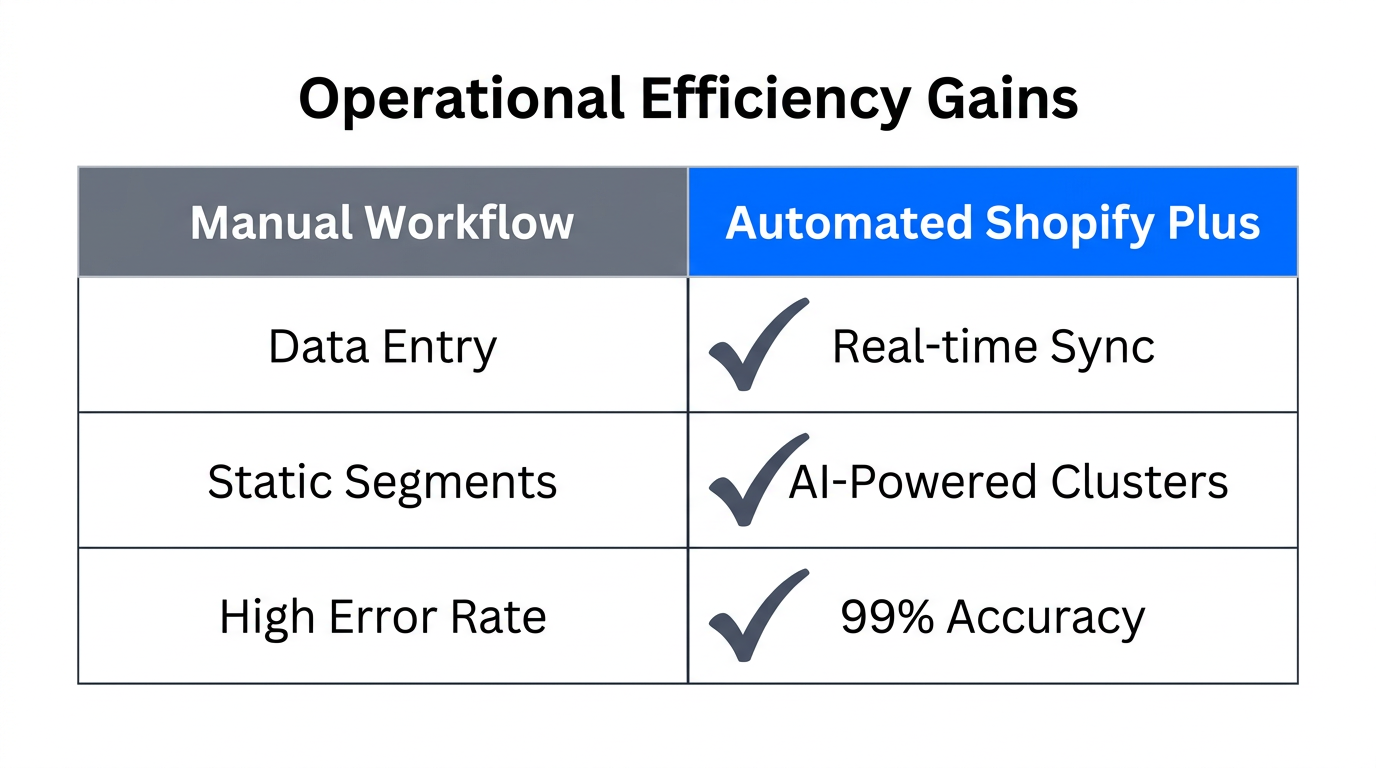
Rapid growth is the leading cause of business failure for 7-figure stores. 82% of small businesses fail due to cash flow issues, according to data from U.S. Bank and Clearco. Scaling too fast without the right 7-figure shopify store systems can lead to a "supply chain crunch" that kills the business.
Expert ecommerce advisor Paul Waddy recommends maintaining at least 10 weeks of cash on hand and 12-16 weeks of inventory. To manage this, many brands are turning to revenue-based funding from platforms like Wayflyer or inventory financing through Settle.
Avoid the "Single Channel Trap." Relying 100% on one platform—whether it's Meta or TikTok—makes your business fragile. If an account gets flagged, your revenue disappears overnight. Diversify your traffic sources and use an omnichannel engine that includes Google Ads, social commerce (TikTok Shop), and a robust email/SMS list. As Snapmint points out, diversification is the key to enterprise-level resilience.
Conclusion: Your 2026 Growth Roadmap
Mastering Shopify Plus and Klaviyo automation is no longer optional for brands chasing 7-figure success; it is the blueprint. By shifting your focus from pure acquisition to automated lifecycle management, you protect your margins and build a brand that can withstand market volatility. Start by auditing your current retention flows: are you driving 30% of your revenue from your existing list? If not, that is your first objective. Focus on the 5% retention boost, implement hyper-personalization, and ensure your operational systems—from inventory to customer support—are ready for the scale. In 2026, the winners are those who own their customer relationships, not just their ad slots.