In 2026, the traditional e-commerce funnel has been fundamentally rewired. We have officially moved past the "search-and-click" era and entered the age of Agentic Commerce. Today, e-commerce founders aren't just optimized for human shoppers; they are building storefronts that AI agents can navigate, evaluate, and purchase from autonomously. With AI-driven traffic surging 7x over the past year and orders attributed to AI-powered search rising by a staggering 11x, according to Shopify's latest data, the stakes for your 2026 ecommerce growth strategy have never been higher.
The Rise of Agentic Commerce and the UCP
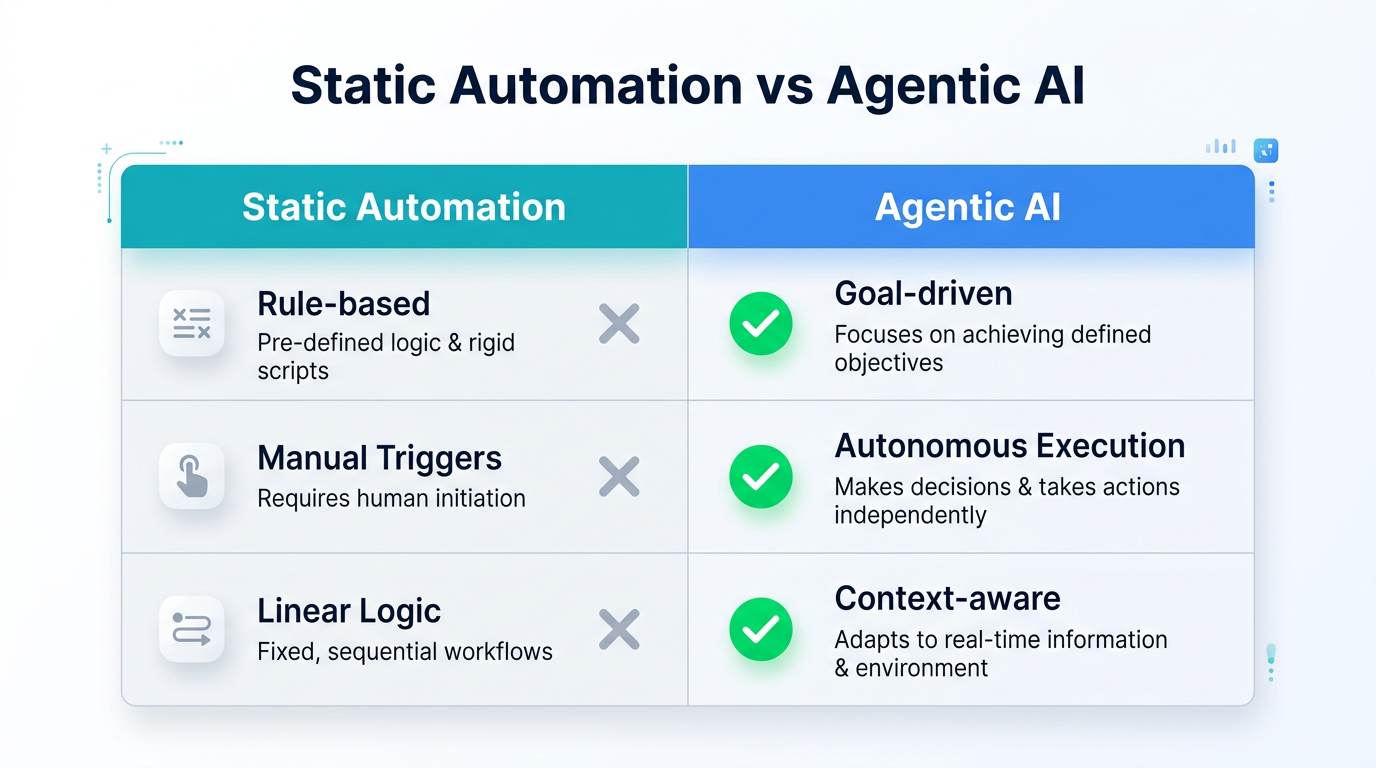
Agentic commerce represents the shift from manual browsing to autonomous fulfillment. This is made possible by the Universal Commerce Protocol (UCP), an open standard co-developed by Shopify and Google. UCP allows AI agents like Google Gemini and Microsoft Copilot to go beyond simple recommendations—they can now research, compare, and execute purchases directly from your Shopify store without the user ever seeing your homepage.
"AI is not just a feature at Shopify. It is central to our engine... the biggest shift in technology since the internet." — Harley Finkelstein, President of Shopify
By late 2024, 78% of organizations were already using AI in marketing and IT, as noted by Shopify Research. In 2026, that number has reached near-total saturation. To thrive, brands must ensure their product data is optimized for these non-human buyers. If your metadata is messy, your brand simply doesn't exist to the AI agents controlling the majority of search-attributed intent.
Leveraging Shopify Magic and Sidekick for Traffic Surges
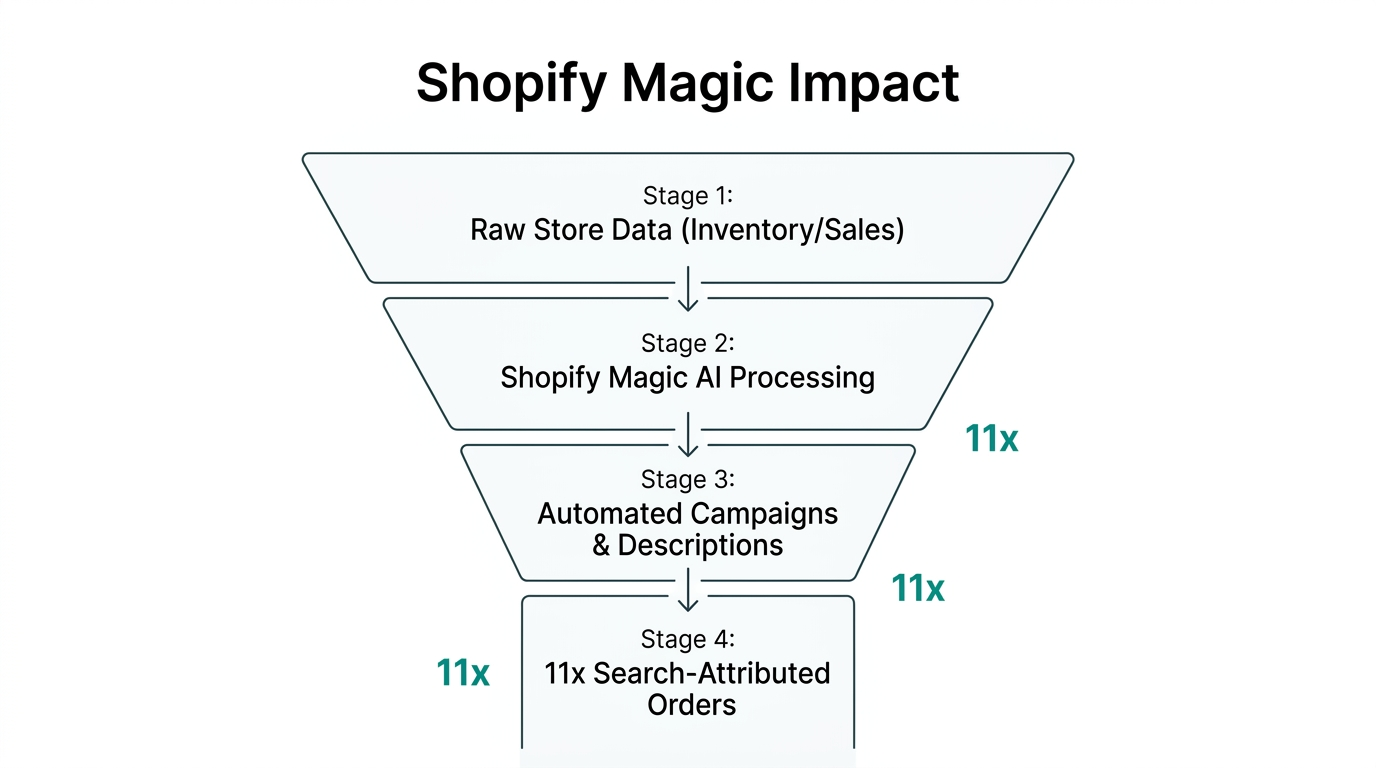
To capture the massive influx of AI-driven traffic, merchants are increasingly turning to Shopify Magic and Sidekick. These tools act as the connective tissue between your creative vision and the agentic ecosystem. Shopify Magic automates the generation of high-converting product descriptions, while Sidekick acts as an AI business advisor that can analyze store performance in real-time.
Using SEOAnt in tandem with native Shopify AI tools allows you to automatically detect and fix broken links or missing meta-tags, ensuring that your store is always ready for a crawler or an AI agent to index. Brands like Brooklyn Tea have proven that even boutique teams can compete with global giants by using Shopify marketing automation AI to handle the heavy lifting of ad campaigns and engagement.
Building a Data Moat: Unified First-Party Data
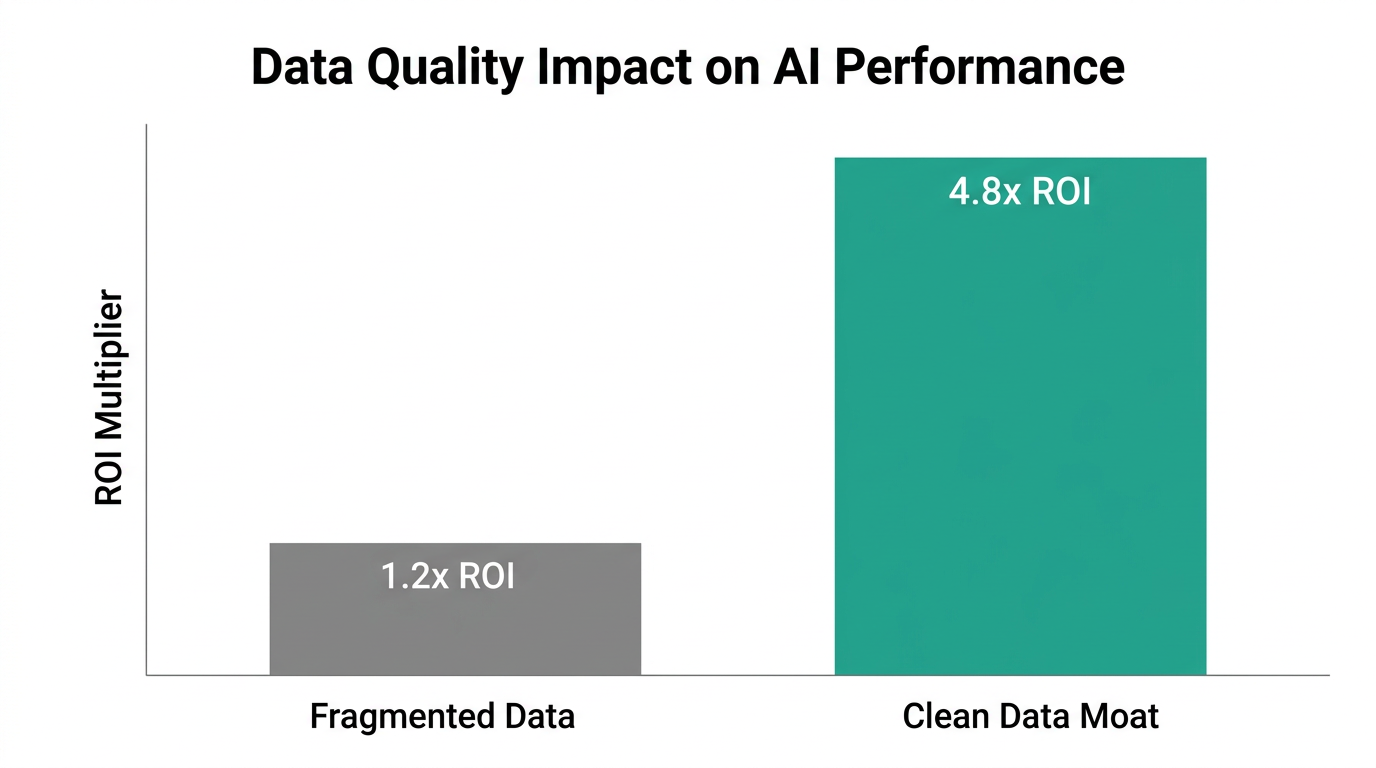
Vanessa Lee, VP of Product at Shopify, famously described Shopify as building the "pickaxes for this gold rush of creativity." In 2026, the only sustainable competitive advantage is unified first-party data. This is your "data moat." AI is only as powerful as the information it digests; fragmented data leads to irrelevant recommendations and wasted ad spend.
| Data Type | 2024 Strategy | 2026 AI Strategy |
|---|---|---|
| Customer Profiles | Basic purchase history | 130+ behavioral signals (weather, browsing, intent) |
| Product Data | Human-readable titles | Machine-optimized structured schemas (UCP) |
| Marketing | Scheduled email blasts | Predictive 1-to-1 dynamic content |
The strongest brands today treat AI as operations rather than experiments. By unifying data from every touchpoint—from influencer campaigns sourced via platforms like Stormy AI to final checkout details—you allow your marketing stack to make smarter decisions. According to Stephanie Mace at Attentive, unified data is the ultimate AI advantage for 2026.
"Data quality is the moat. Brands that feed AI siloed or fragmented data are essentially flying blind in an automated world."
Step-by-Step Roadmap: From Static to Predictive Operations
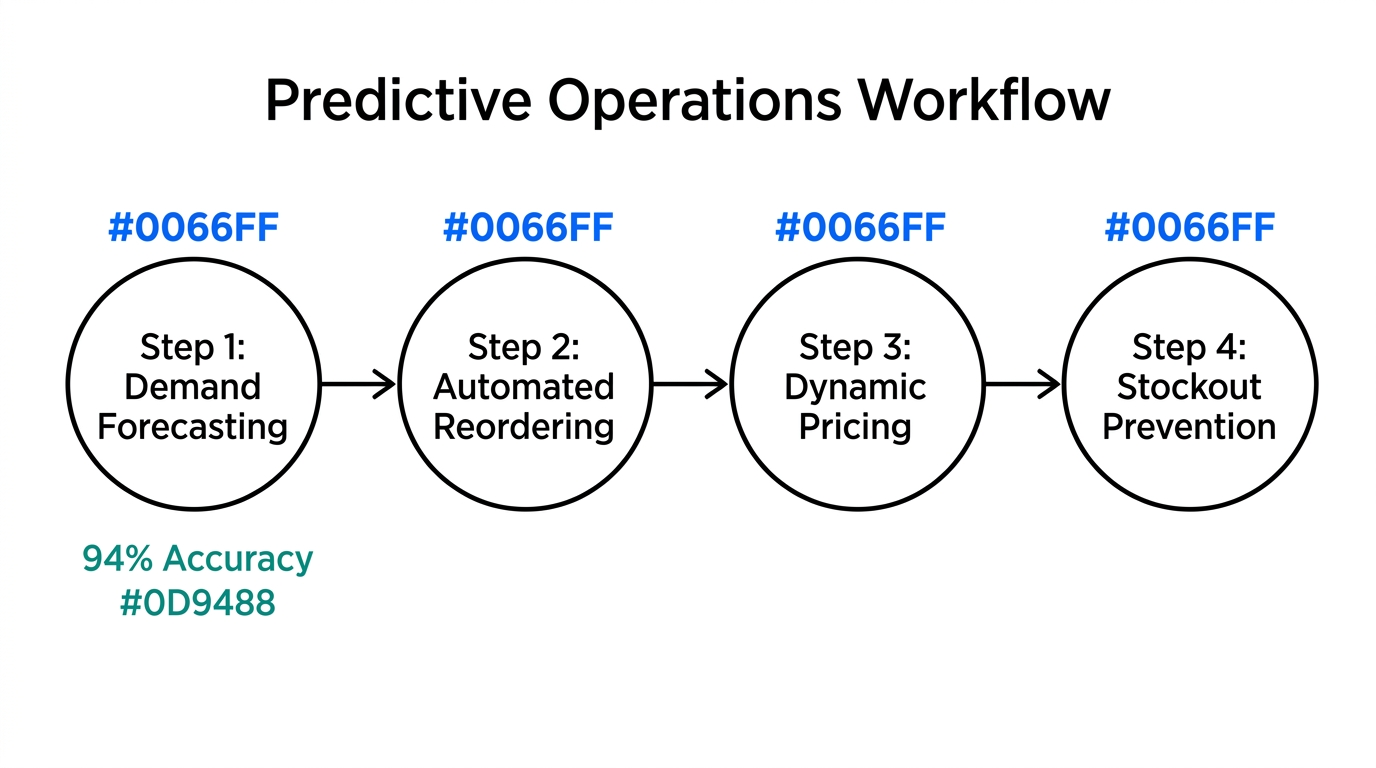
Transitioning to predictive inventory management and dynamic pricing is no longer optional. It is the core of modern e-commerce survival. Here is the playbook for migrating your operations this year:
Step 1: Audit Your Data Infrastructure
Ensure your Shopify store is the "source of truth." Use tools like Enrich Labs to clean and sync data across your CRM and ERP. Avoid the mistake of "shiny object syndrome" by setting specific KPIs for every AI tool you integrate, such as reducing stockouts or increasing Average Order Value (AOV).
Step 2: Automate High-ROI Marketing Flows
Implement AI-driven email and SMS sequences. According to Omnisend, automated email flows achieve 52% higher open rates and 332% higher click-through rates than manual campaigns. Use Klaviyo to send abandoned cart reminders at the "Predicted Optimal Time" for each individual user.
Step 3: Implement AI Support-to-Sales
Customer service is now a revenue driver. Deploy Tidio’s Lyro or Gorgias to handle routine queries. Brands like Loftie have found that AI agents can handle over 50% of support volume, resulting in a 20% lift in customer satisfaction.
"The future of support isn't just answering questions; it's using AI to offer a personalized discount the moment a customer feels friction."
Common Pitfalls in the AI Era
Despite the massive potential, many founders fail by over-automating without human oversight. Publishing unedited AI-generated content can lead to branding penalties and a "robotic" feel that alienates human shoppers. As Eesel AI suggests, always treat generative AI as a "first draft" assistant rather than a final author.
Additionally, neglecting your brand voice is a critical error. Tools like Octane AI allow you to create conversational quizzes that maintain your unique tone while gathering deep customer insights. This balance of automation and brand personality is what separates the £100 million brands like Healf from the rest of the pack.
Conclusion: The 2026 Growth Mandate
The transition from experimental AI to operational AI is complete. To win in 2026, you must embrace the agentic commerce shift by optimizing for the Universal Commerce Protocol and protecting your data moat. By combining native tools like Shopify Magic with powerful specialized platforms for sourcing creators like Stormy AI and managing automation through Klaviyo, you can build a self-sustaining growth engine.
Start today: audit your metadata, unify your first-party data, and prepare your storefront for the AI agents that are already looking for their next purchase.