The 2026 Merchant's Guide to Shopify Magic and AI Product Description Generator Integration
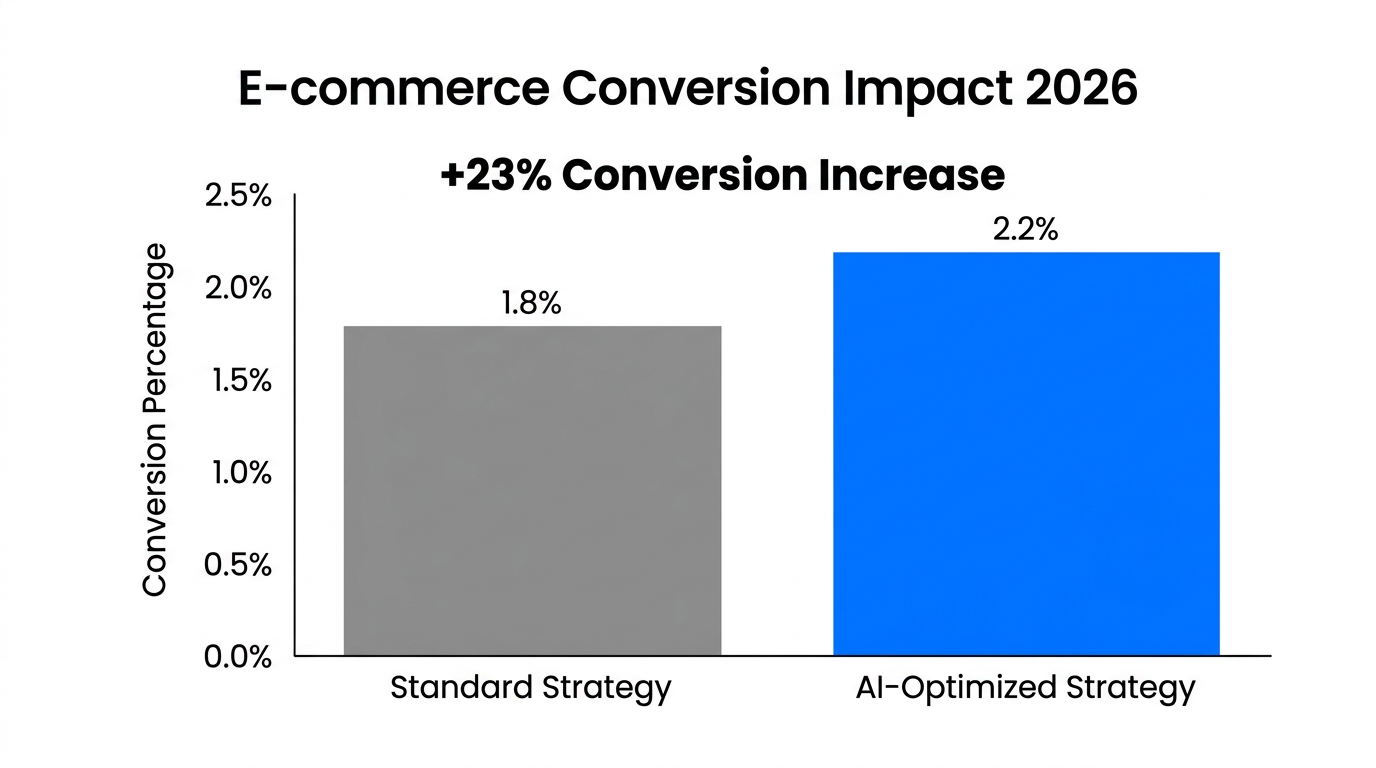
Master your 2026 e-commerce strategy with our guide to Shopify Magic and AI product description generators. Increase conversions by 23% and automate your store scaling.
In 2026, the e-commerce landscape is no longer about who has the largest inventory, but who can deploy high-converting content the fastest. We have moved past the era of experimental AI; today, AI-enabled e-commerce is a $8.65 billion market, projected to skyrocket to over $64 billion by 2034. For the modern Shopify merchant, the challenge is no longer *if* you should use an ai product description generator, but how to integrate it so seamlessly that your brand voice remains indistinguishable from human creativity. With generative AI-powered shopping traffic surging by 4,700% year-over-year according to Adobe, your product pages must be optimized for both humans and the AI agents that now assist them.
The State of AI E-commerce in 2026
The adoption of AI in e-commerce has shifted from a "nice-to-have" feature to core operational infrastructure. Data from McKinsey indicates that 78% of organizations have now integrated AI into at least one business function. For Shopify stores, this means moving beyond basic automation toward agentic operations—systems that not only write copy but autonomously manage metadata and inventory based on market trends.
One of the most significant shifts this year is the rise of multimodal inputs. As noted by Ahrefs, "Image-to-Copy" generation allows merchants to upload a simple product photo, which the AI then analyzes for fabric, style, and color to produce a technical yet persuasive description in seconds. This level of ai ecommerce marketing automation is what separates the scaling brands from the stagnant ones.
"AI won't replace humans, but humans with AI will replace humans without AI." — Karim Lakhani, Harvard Business School
The Playbook: Setting Up Shopify Magic for Maximum Conversion
For those looking for native integration, this shopify magic guide outlines the steps to leverage Shopify's built-in AI suite. Shopify Magic is designed to reduce the friction of store management by generating product descriptions, email subject lines, and even blog post outlines directly within your dashboard.
Step 1: Define Your Global Brand Voice
Before generating a single word, navigate to your Shopify admin settings. Under the Magic configurations, you can set a default "Brand Tone." In 2026, the most successful brands use sophisticated tone profiles like "Minimalist Luxury" or "High-Energy Gen Z." This ensures that every description generated follows a consistent emotional resonance.
Step 2: Use the Task-Context-Reference (TCR) Framework
When prompting Shopify Magic for a specific product, don't just list features. Use the TCR framework to guide the AI. Provide the Task (Generate a 150-word description), the Context (Eco-conscious parents looking for durability), and a Reference (a link to your best-selling product's copy).
| Feature | Shopify Magic (Native) | Third-Party (Jasper/Copy.ai) |
|---|---|---|
| Integration | Seamless - Native to dashboard | Requires API or browser extension |
| Bulk Generation | Basic | Advanced (Catalog-wide) |
| Brand Voice | Template-based | Custom AI Training |
| Cost | Included in Shopify Plan | Subscription-based |
Scaling Beyond Native: Integrating Jasper and Copy.ai
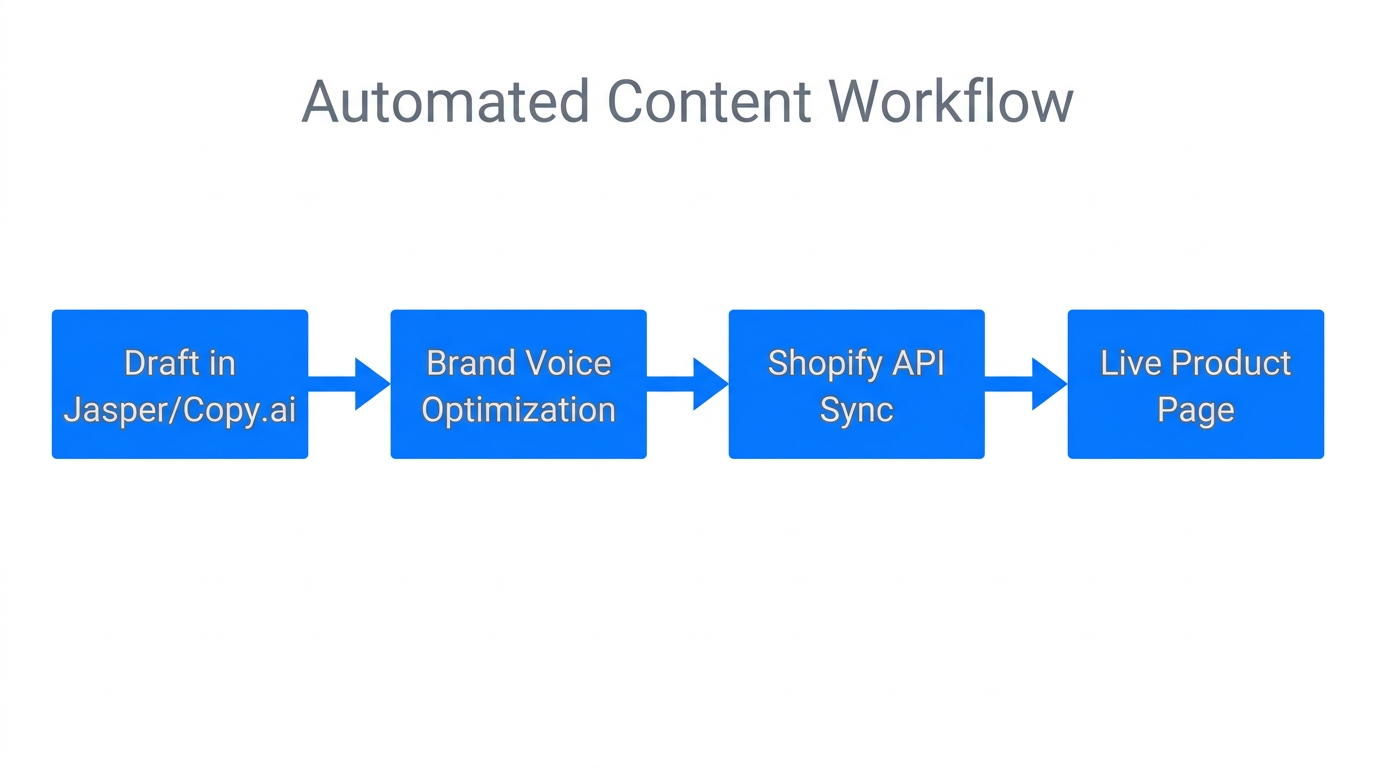
While Shopify Magic is excellent for quick wins, power users often integrate tools like Jasper or Copy.ai for cross-channel consistency. The goal is to ensure that your personalized product descriptions on your store match the energy of your TikTok ads and newsletter sequences.
By using Copy.ai's workflow automation, you can set up a trigger: whenever a new product is added to Shopify, the AI generates not just a description, but five meta-ad variations and a launch email sequence. This creates a cohesive brand experience that feels human-centric despite being AI-driven. When you are ready to promote these products via influencers, platforms like Stormy AI can help you find creators whose niche matches the specific segments you've targeted in your AI-generated copy.
"The future of AI isn't human vs. AI — it's human with AI." — Kipp Bodnar, Marketing Against the Grain
Dynamic Personalization: Luxury vs. Value-Conscious Segments
In 2026, static descriptions are dead. One of the top shopify conversion tips 2026 is the implementation of dynamic personalization. Modern AI tools can adapt product copy in real-time based on the user's browsing history or referral source. For example, a customer arriving from a "Luxury Lifestyle" blog might see a description emphasizing artisanal craftsmanship and exclusivity, while a visitor from a "Budget Deals" forum would see the same product described in terms of longevity and price-per-use value.
According to research highlighted by Feedonomics, personalized product content can account for up to 31% of total e-commerce revenue. To implement this, use AI tools that support A/B testing, generating multiple versions of the same SKU to see which emotional hook performs best for specific demographics.
Avoiding the 'Robotic Tone' Trap
One of the biggest pitfalls in using an ai product description generator is the "generic sludge" effect. If your copy sounds like every other store, you lose your premium positioning. To avoid this, you must feed the AI Gold Standard Examples. Take your top 5 human-written descriptions and upload them as "Style References" in tools like Hypotenuse AI or Describely.
Furthermore, ensure a human-in-the-loop review process for technical specs. As noted by dasadvancedsystems.com, AI can occasionally "hallucinate" features like fire ratings or material certifications. A quick manual check prevents costly returns and legal issues.
Case Study: The 23.7% Lift in Conversion
The power of AI content isn't just theoretical. A landmark study involving the Swiss retailer Migros demonstrated the massive ROI of ai product description generator integration. By replacing standard manufacturer descriptions with AI-enhanced, benefit-driven content, Migros achieved a 23.7% increase in conversion rates (Linearloop).
Similarly, Wayfair used generative AI to refresh descriptions for thousands of items, resulting in a 68% reduction in content production time. This efficiency allows brands to launch seasonal collections in days rather than months, a critical advantage in the fast-paced market of 2026.
"The key to scaling in 2026 is using AI to handle the volume while humans curate the soul of the brand."
SEO and the Zero-Click Search Era
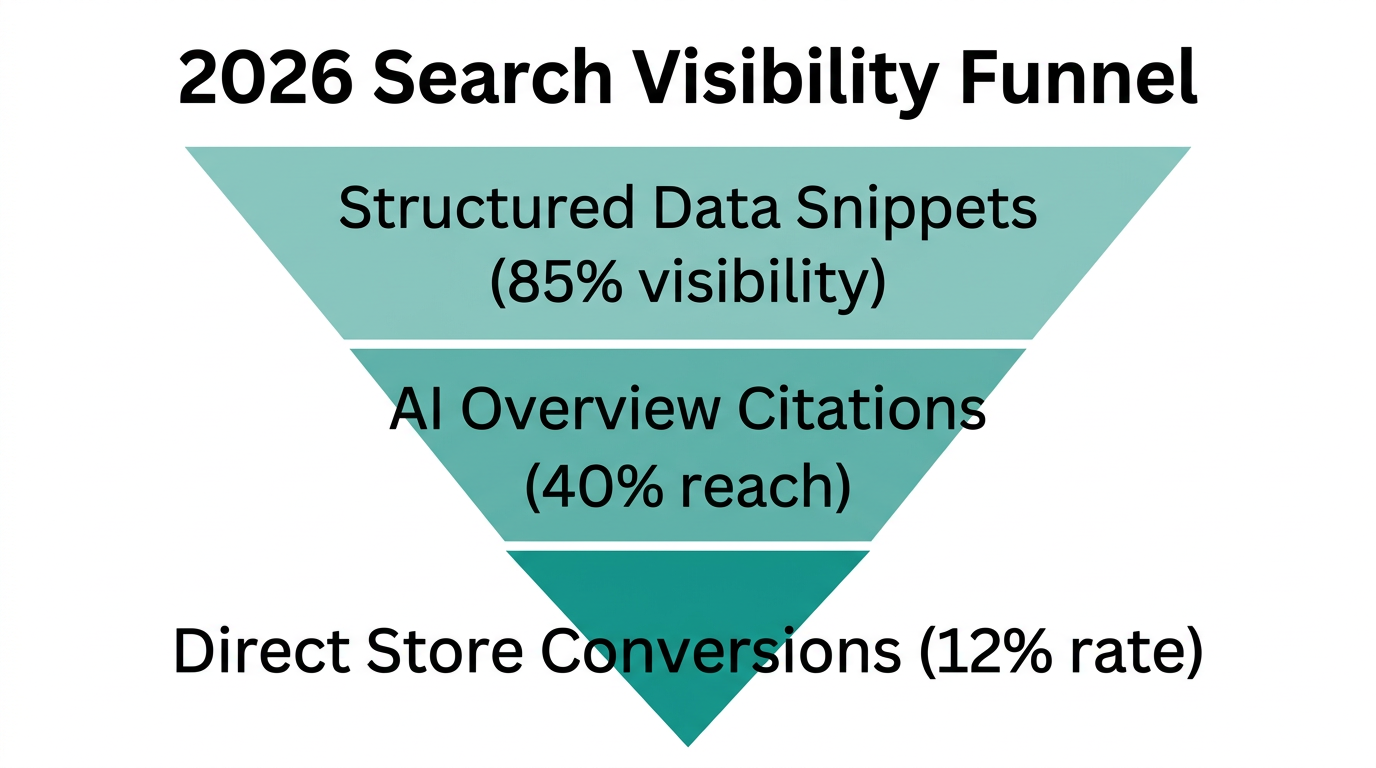
Finally, we must address how AI descriptions impact SEO. As 80% of consumers now rely on AI-generated answers for their shopping queries, your goal has shifted from "ranking for clicks" to feeding the Large Language Models (LLMs). By using structured data and clear, descriptive AI copy, you ensure your products are the ones cited by AI assistants like Perplexity or ChatGPT. Tools like Frase can help you generate AI-rich FAQs and meta tags that make your product data easily digestible for these bots.
If you are also running influencer campaigns to drive traffic, remember that platforms like Stormy AI can identify creators whose audience already engages with the specific keywords you are targeting in your product descriptions, creating a perfect loop of organic and paid growth.
Conclusion: Your 2026 Action Plan
To succeed as a Shopify merchant this year, you must embrace the human + AI model. Start by mastering the shopify magic guide basics, then scale with advanced tools for bulk catalog management. Focus on dynamic personalization to speak directly to your customer segments, and never skip the human fact-check. By automating the repetitive task of copy generation, you free up your team to focus on high-level strategy and relationship building—the true drivers of brand longevity in the AI era.