In 2026, the most lucrative opportunities in e-commerce don't involve inventing entirely new technologies. Instead, the greatest fortunes are being made by entrepreneurs who look at the most mundane, overlooked items in a grocery aisle and ask: "What if this was sexy?" This is the era of disrupting commodity markets through premium product positioning. We are seeing a massive shift where utility items—the things you used to hide under your sink—are being reimagined as luxury status symbols that consumers are proud to display on their counters and share on social media.
The strategy is simple but execution-heavy: take a $2 utilitarian product, apply high-fashion aesthetics, sensory marketing, and a Shopify brand building strategy, and suddenly you're commanding 5x the price with 10x the brand loyalty. This playbook analyzes how titans like Touchland, Dyson, and Method have rewritten the rules of retail to create categories where none existed before.
The Touchland Effect: Turning Utility into a Status Symbol
 1:34
1:34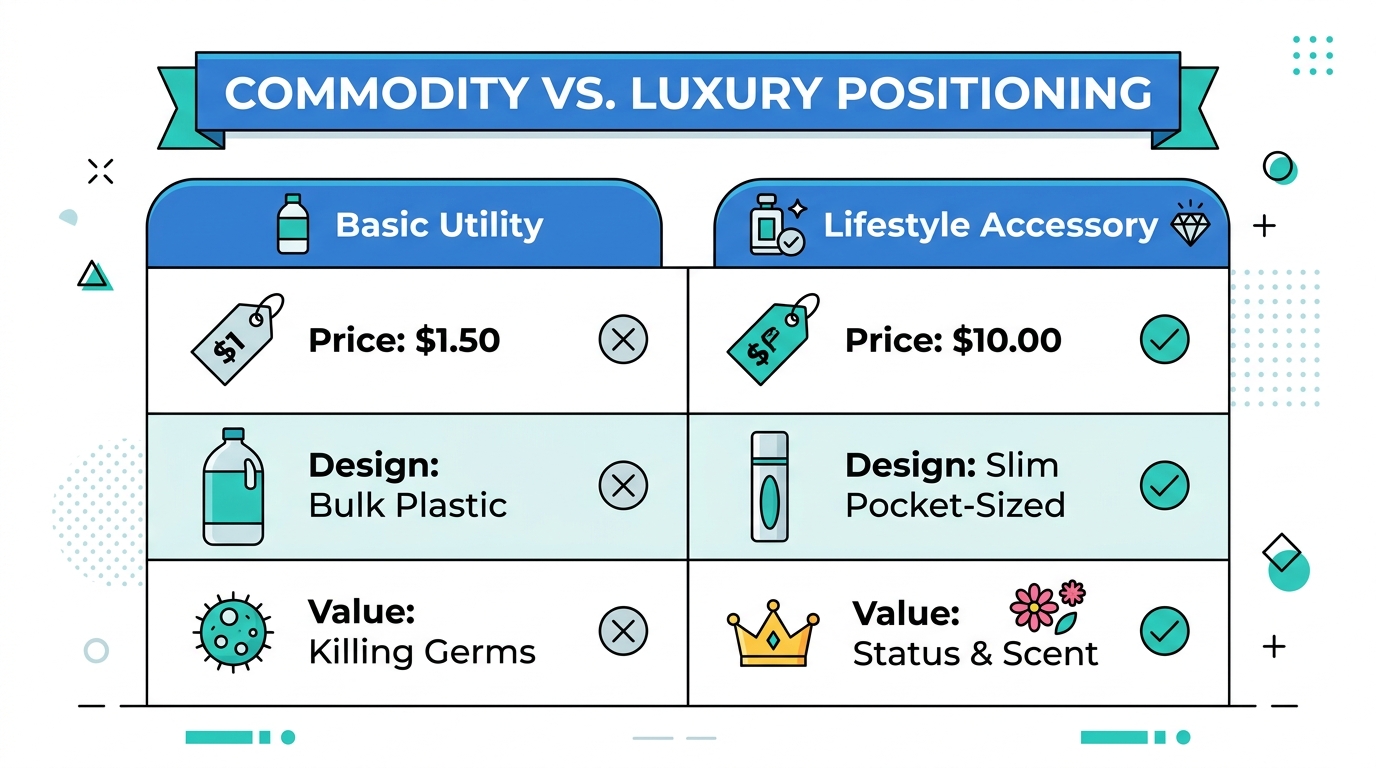
For decades, hand sanitizer was a "hospital smell" product. It was a clear liquid that smelled like industrial tequila, sold in clunky plastic bottles. Then came Touchland. By 2025, this company had been acquired by SC Johnson for a significant valuation, proving that even the most basic sanitation product can become a powerhouse brand. This year, in 2026, they are projected to do $130 million in revenue with a staggering $55 million in EBITDA according to latest market analysis.
Touchland's success lies in three distinct pillars of luxury e-commerce branding 2026:
- Visual Design: The packaging looks like something designed by Jony Ive at Apple. It’s sleek, flat, and fits into a high-end handbag.
- Sensory Marketing: They replaced the stinging scent of ethanol with premium fragrances, turning a chore into a "moment of care."
- The Giftability Factor: You would never gift someone a bottle of Purell unless you were trying to tell them they were dirty. People gift Touchland to teachers, friends, and colleagues because it feels like a luxury accessory.
"You don't win by taking a bigger piece of the existing pie; you win by growing the pie itself until the old competitors look like relics."
The Dyson Approach: Industrial Design as a Moat
4:07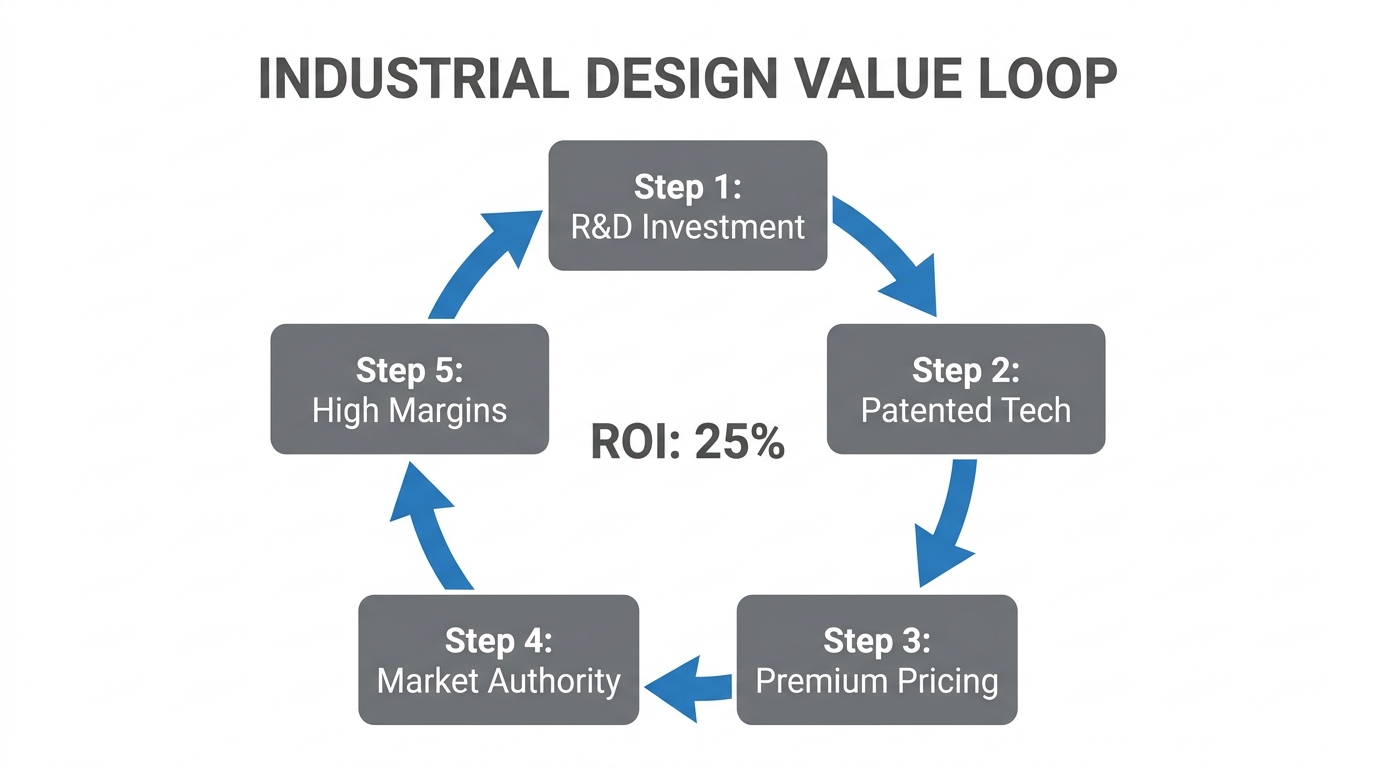
If you want to understand premium product positioning, look at James Dyson. He has been called the "Steve Jobs of Vacuums" because he treats air movement with the same reverence Apple treats silicon. In a world of "boring" home appliances, Dyson created a moat through obsessive industrial design. He made the inside wiring as beautiful as the outside casing.
Dyson's latest masterstroke—the "Pencil Vac" demo—garnered millions of views on YouTube because it treated a vacuum cleaner like a piece of high-performance machinery. He leverages modern media to tell a story of engineering excellence, making consumers feel that spending $700 on a vacuum is a rational, even sophisticated, choice.
| Product Category | Traditional Utility (Low Margin) | Luxury Disruptor (High Margin) | Disruption Lever |
|---|---|---|---|
| Hand Sanitizer | Purell ($2.00) | Touchland ($10.00) | Sensory/Aesthetics |
| Vacuums | Generic Bagged ($80.00) | Dyson ($700.00) | Engineering/Storytelling |
| Soap | Dial ($1.50) | Method ($6.00) | Lifestyle Photography |
| Vitamins | Centrum ($12.00) | Ritual ($35.00) | Transparency/Design |
Method and the Lifestyle Storytelling Pivot
When Eric Ryan launched Method soap, he didn't just put soap in a prettier bottle; he changed the entire visual language of the category. Traditional cleaning commercials show cartoon germs being sprayed with chemicals. Method's photography, however, looked like a high-end fashion shoot. It featured lifestyle storytelling: beautiful people in sun-drenched homes, cleaning up after a dinner party. It wasn't about the "war on germs"; it was about the "love of home."
This is a critical lesson for DTC product innovation. If your marketing looks like a pharmaceutical ad, you are a commodity. If your marketing looks like a lifestyle brand, you are a luxury. By focusing on aesthetics and ingredients that people actually understand, brands like Native (which sold to P&G for $100M) have proven that "boring" categories are ripe for the taking.
"Modern branding is moving away from features and towards identity. You don't buy the soap to get clean; you buy it because of who it says you are."
Identifying Unoptimized Categories: The 2026 Playbook
6:44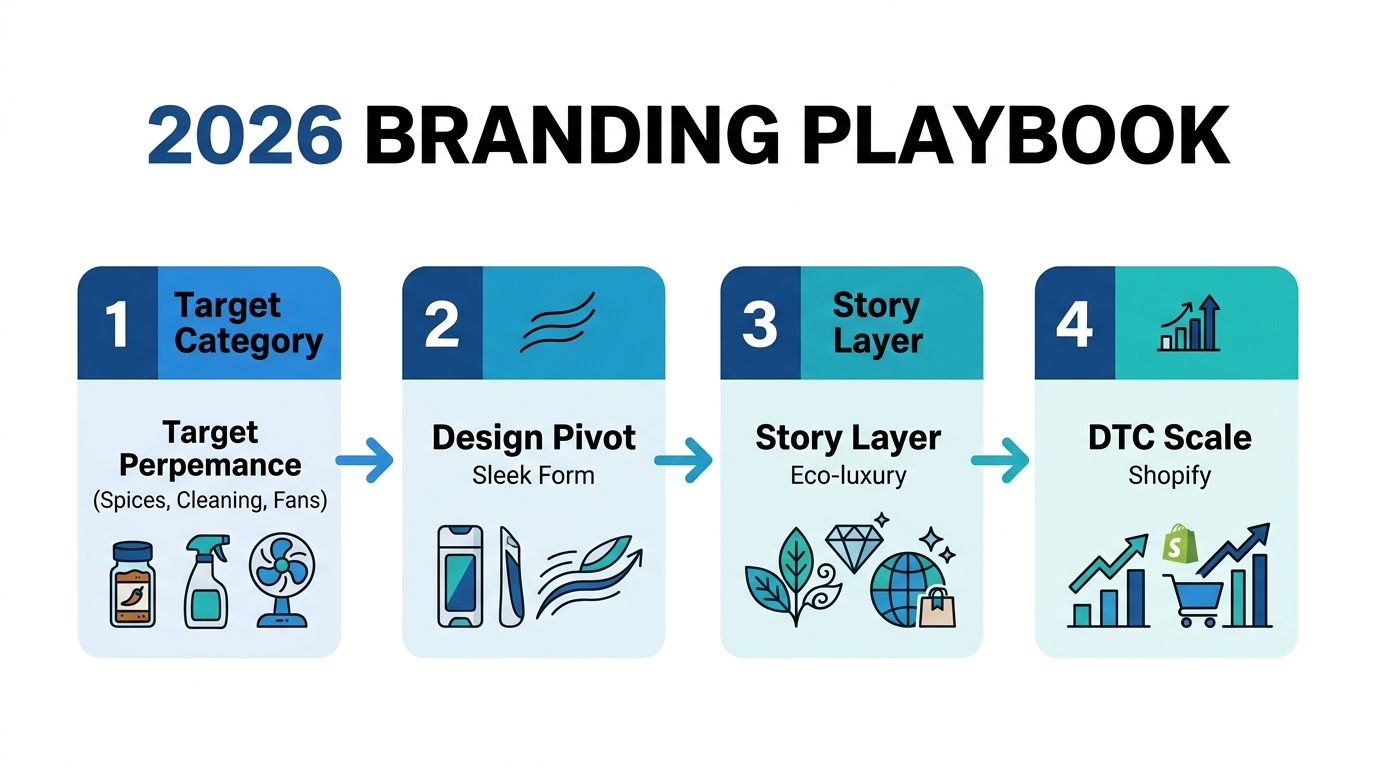
How do you find the next Touchland? The best Shopify brand building strategy involves walking through a Home Depot or a local grocery aisle and looking for products that haven't changed in 40 years. These are "unoptimized categories."
Step 1: Look for the "Ugly" Utility
Find a product that is purely utilitarian and visually unappealing. Think of items like fire logs (Duraflame), tools, karaoke machines, or even band-aids. For example, the brand Flint is currently disrupting the fire-log market by creating kiln-dried, beautifully branded Canadian softwood logs that people actually want to display next to their fireplace rather than hide in the garage.
Step 2: Apply the Johnny Ive Filter
Reimagine the product through the lens of high-end industrial design. Can the form factor be sleeker? Can the materials be premium? If you are launching a tool brand on Shopify, your hammer shouldn't just be functional; it should be a piece of art that someone wants to own.
Step 3: Expand the TAM
Total Addressable Market (TAM) is often misunderstood. Critics thought the hand sanitizer market was small until Touchland made it a giftable accessory. When you make a boring product sexy, you move it from specialized retailers to convenience stores, boutiques, and gift shops. You are growing the pie, not just fighting for a slice.
Collaborative Growth and Maintaining Hype
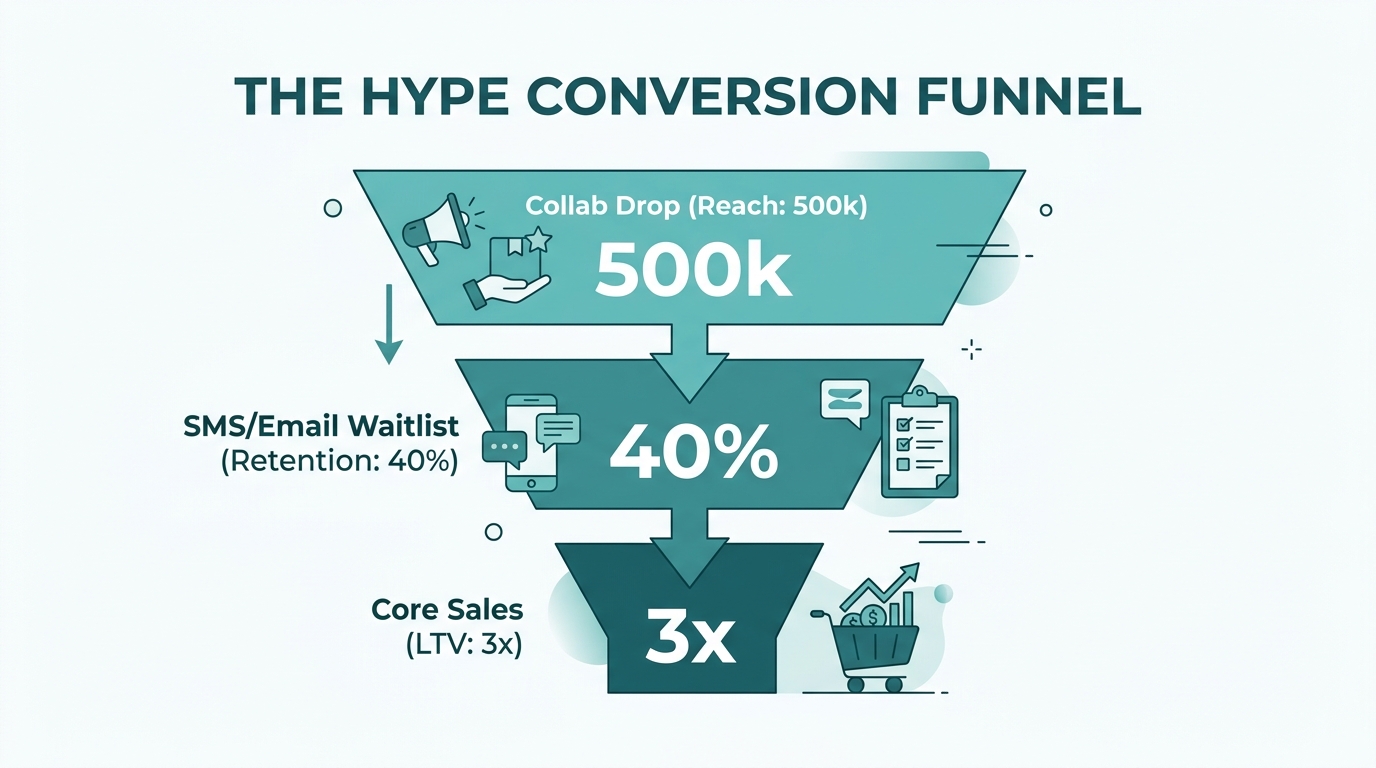
Once you have established a premium position, the challenge is maintaining the "hype." In 2026, the most successful brands use limited-edition drops and high-profile partnerships. Touchland's collaborations with Disney and Hello Kitty didn't just drive sales; they maintained the brand's cultural relevance. These partnerships signal to the consumer that this is not just a commodity; it is a collectible.
To execute this at scale, brands are increasingly relying on AI-powered creator discovery. To find the right influencers who can elevate a boring product into a luxury one, platforms like Stormy AI are essential. They allow brands to discover creators who fit a specific aesthetic niche—like "luxury home organization" or "minimalist tech"—and automate the outreach to secure high-authority endorsements.
"Collaboration is the currency of the 2026 luxury market. If your product isn't drop-worthy, it's just another SKU on a shelf."
Conclusion: The Future of 'Boring' E-commerce
The biggest businesses of 2026 are being built on the foundation of the mundane. By applying luxury e-commerce branding to utilitarian items, you bypass the race-to-the-bottom pricing of Amazon and build a moat based on design, story, and status. Whether it's a hundred-million-dollar personalized hair care brand like Prose or a supplement giant like AG1, the formula remains the same: take the non-serious things very seriously.
Identify your category, obsess over the industrial design, tell a lifestyle story, and use tools like Stormy AI to find the creators who will help you scale. The grocery aisles are full of billion-dollar opportunities waiting for a designer's touch. It's time to stop looking for the next app and start looking for the next "boring" product to make beautiful.