In 2026, the battle for ecommerce dominance is no longer won just by the best creative or the highest bid; it is won by the merchant with the cleanest data. As Google Ads revenue is projected to hit $321.6 billion this year (according to Statista forecasts), the competition has never been fiercer. For Shopify founders, a silent killer is draining budgets: 30-40% of conversion data is being lost to browser-based tracking failures, aggressive ad blockers, and the strict enforcement of privacy frameworks. If your bidding algorithms are flying blind, your Return on Ad Spend (ROAS) will inevitably crater.
Why Browser-Based Tracking is Failing Shopify Stores in 2026
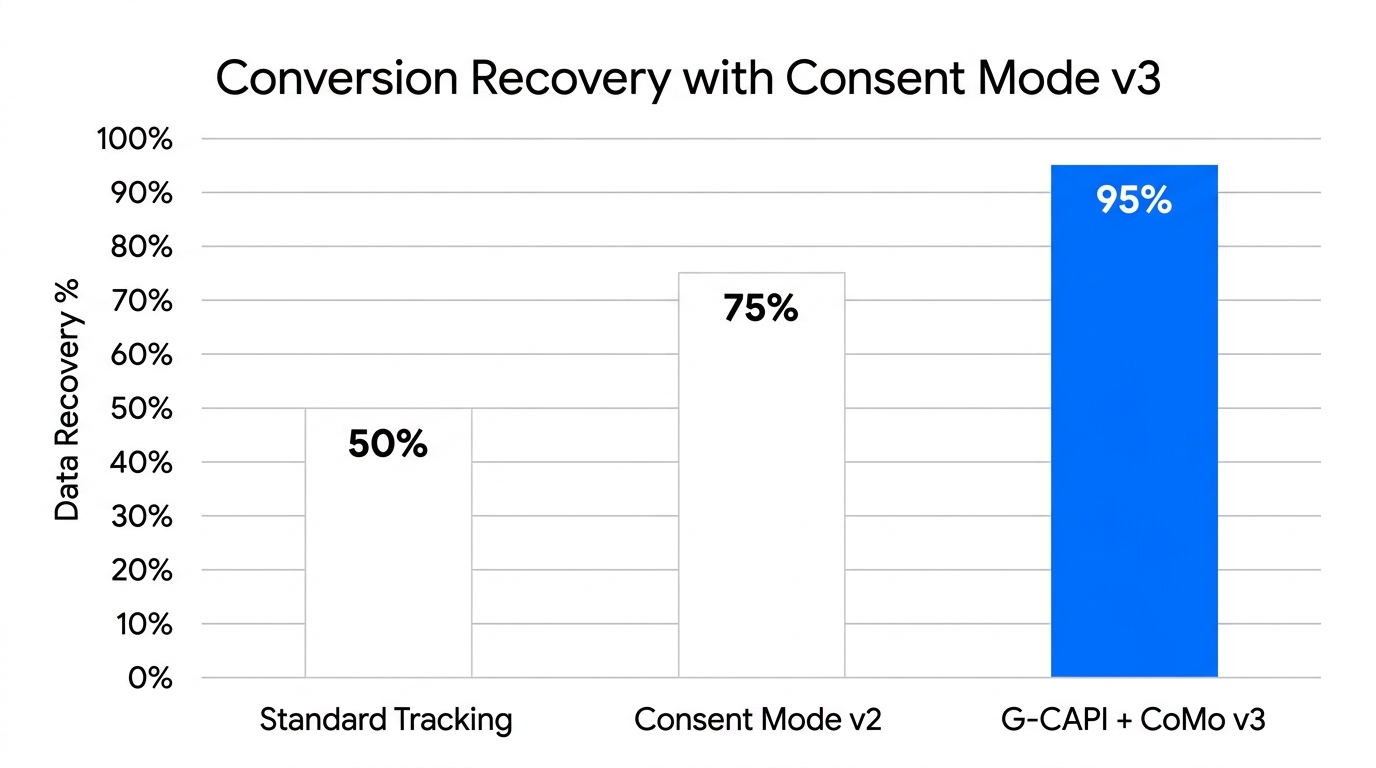
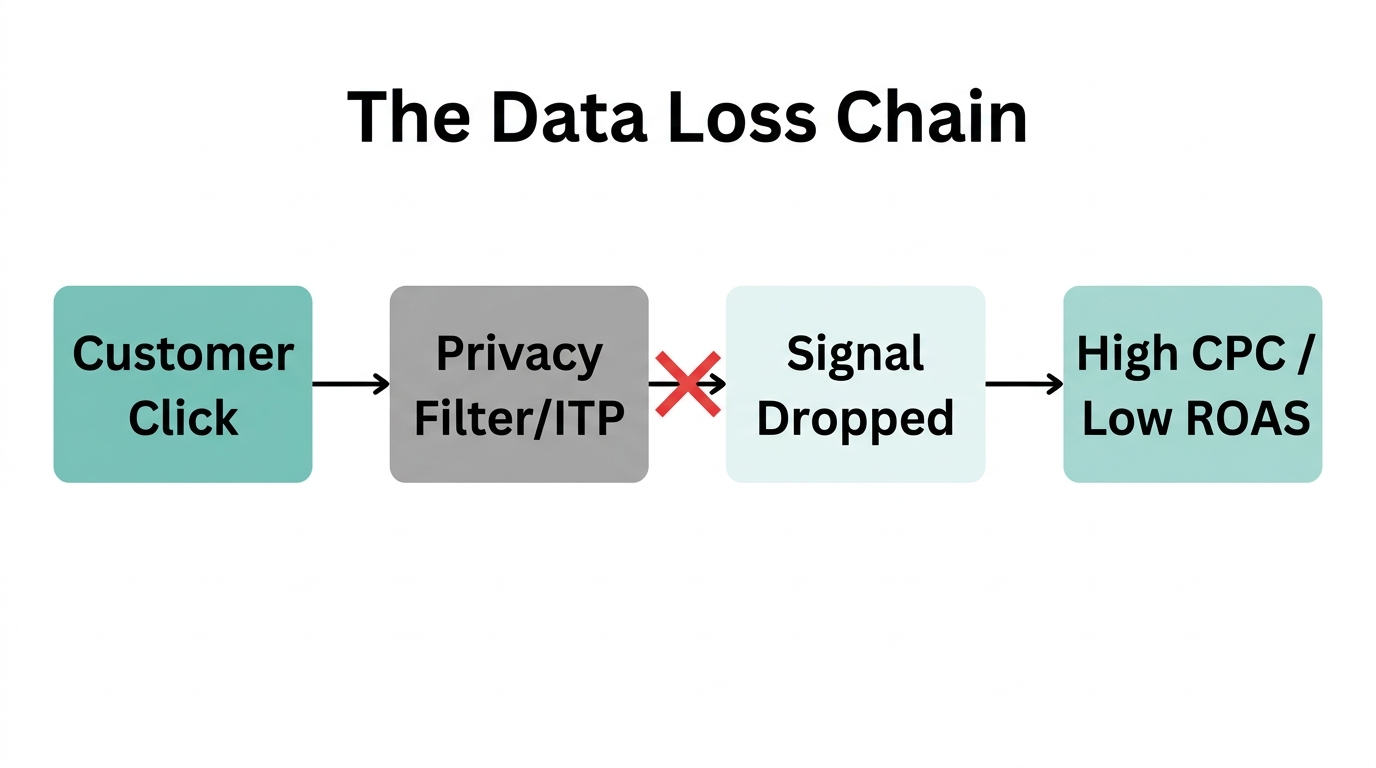
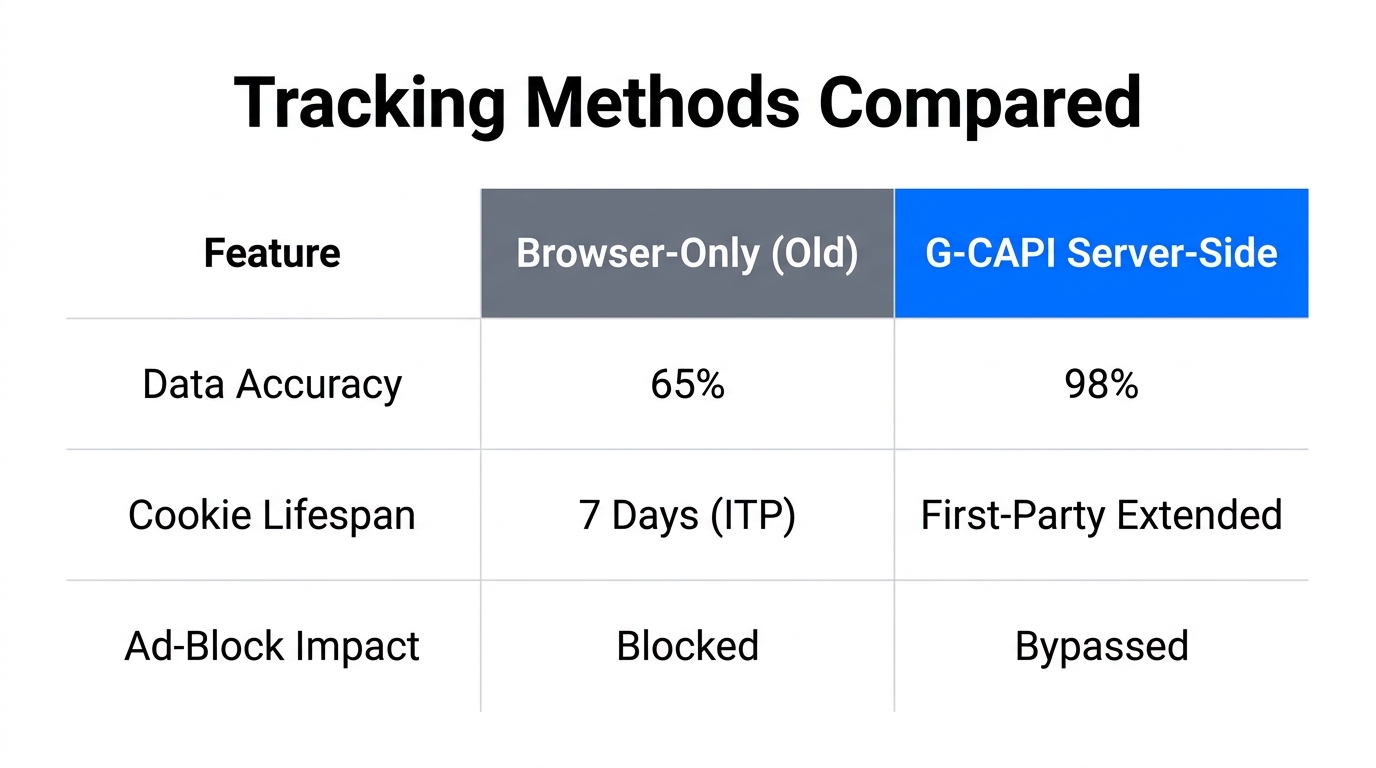
For years, Shopify merchants relied on simple browser-side pixels and third-party cookies to attribute sales. However, the rollout of Google Consent Mode v3 and the total deprecation of legacy tracking methods have made server-side solutions mandatory. To keep your scaling strategy intact, you must implement the Google Conversions API (G-CAPI). This technology bypasses the browser entirely, sending data directly from your Shopify server to Google’s servers, ensuring that even users with hardened privacy settings are accounted for accurately.
Managing these complex data flows and auditing your Google Ads Manager accounts can become a full-time job. This is where an AI ecommerce employee like Stormy AI becomes invaluable. Stormy can automatically monitor your campaign performance across platforms, flagging budget inefficiencies and building polished XLSX reports that highlight exactly where your tracking might be leaking revenue.
Implementing Consent Mode v3 isn't just about compliance with the EU’s Digital Markets Act; it is a technical requirement to unlock Google’s advanced "Enhanced Conversions" features. By using tools like Elevar or Stape alongside Google Tag Manager, Shopify stores can recover lost signals, allowing AI-driven bidding strategies to optimize for real customers rather than estimated ghosts.