In 2026, the traditional search engine results page (SERP) is no longer the final destination for consumers. We have officially entered the era of the AI Shopping Assistant. According to Shopify President Harley Finkelstein, orders coming to stores from AI-powered search engines like ChatGPT Search and Perplexity have increased 15x since early 2025. If your brand isn't being cited as a top recommendation by Large Language Models (LLMs), you are effectively invisible to a massive segment of high-intent buyers.
This shift has birthed a new discipline: Generative Engine Optimization (GEO). Unlike traditional SEO, which focuses on ranking for keywords, GEO is about winning Share of Model (SoM). It is the art and science of ensuring your products are the primary answer when a user asks an AI, "What is the best waterproof jacket for a 5'10\" man?" This guide provides a playbook for Shopify merchants to dominate the AI discovery landscape this year based on emerging GEO research.
Understanding Share of Model (SoM): The New North Star
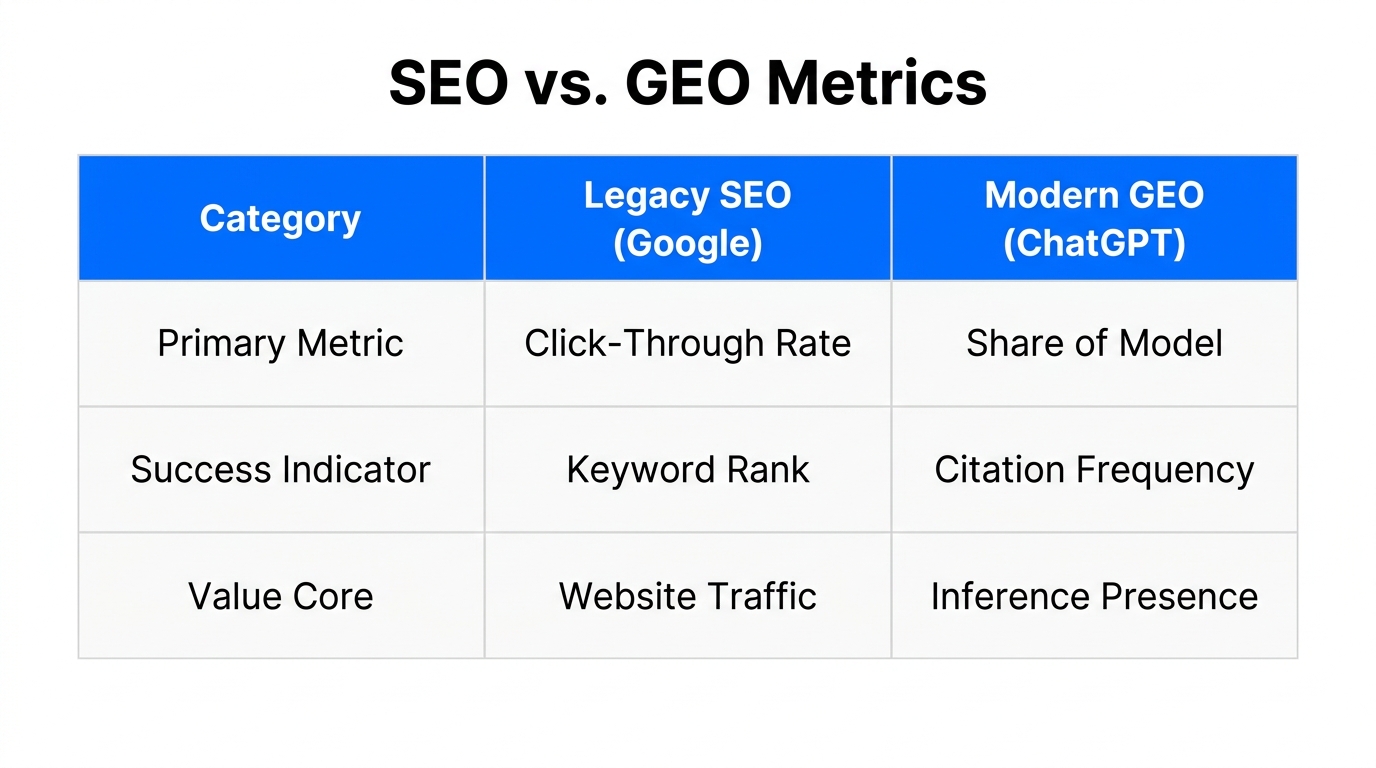
For decades, we obsessed over being "#1 on Google." In 2026, that metric is secondary to Share of Model. SoM measures how frequently and favorably an LLM mentions your brand relative to your competitors. Data from leading eCommerce analysts reveals that traffic from AI search converts at a staggering 14.2%, compared to just 2.8% for legacy organic search. Why? Because AI agents only recommend products when they have high confidence in the match.
To win this metric, you must stop thinking about "indexing" and start thinking about "training." LLMs are trained on vast datasets of web content, reviews, and technical documentation. If your brand's presence in these datasets is sparse or inconsistent, the model will suffer from "AI Invisibility," leading to a 40–60% decay in mentions over time. This is where an AI ecommerce employee like Stormy AI becomes essential—she can monitor your brand mentions across the web and flag gaps where your data is missing or outdated.
"Share of Model is the new Rank #1. In 2026, if an LLM can't verify your facts, it won't risk its reputation by recommending your product."
Technical GEO: Using JSON-LD to Feed the Machines
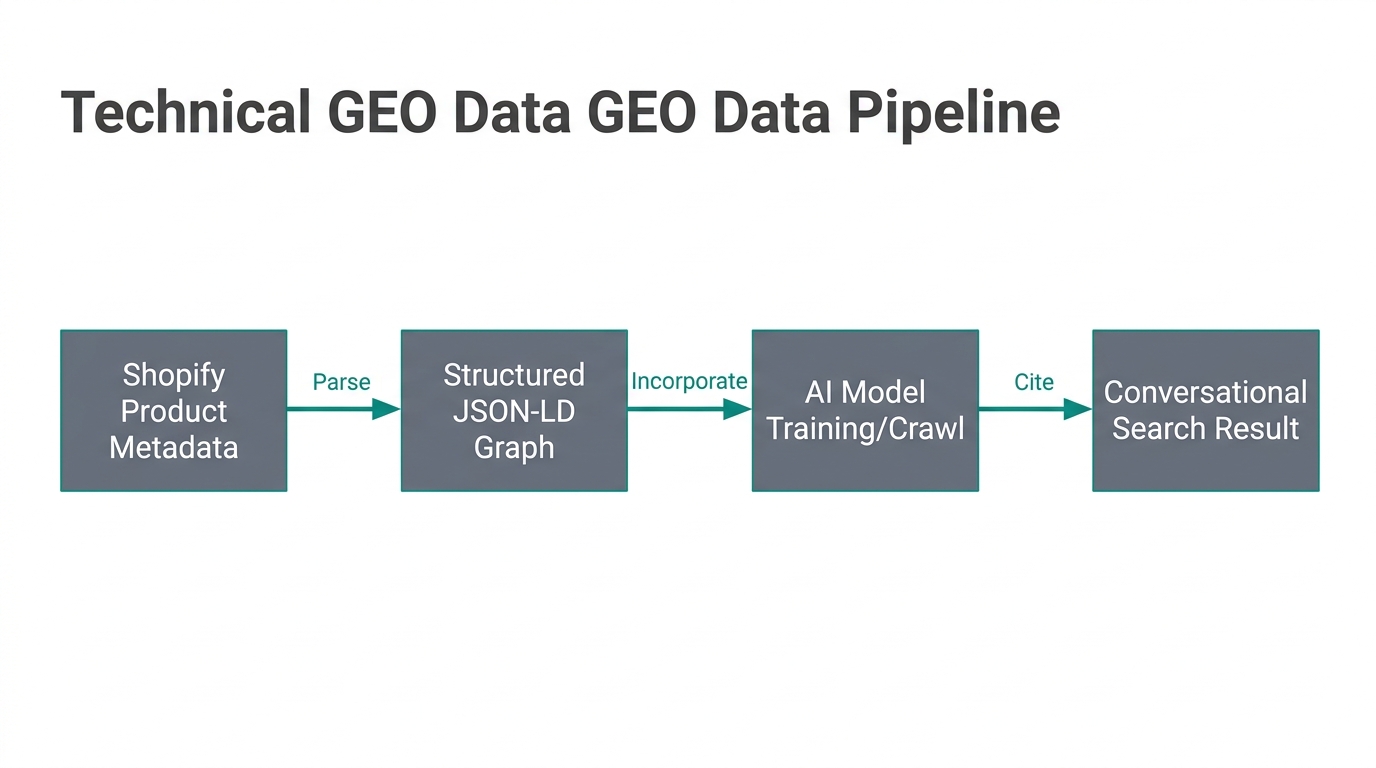
AI agents are not just reading your marketing copy; they are scraping your underlying technical metadata to verify price, availability, and specifications. If your Shopify store has messy schema, Perplexity and ChatGPT will skip you in favor of a competitor with "verifiable" data.
The 2026 Technical Checklist
- Comprehensive JSON-LD: Ensure every product page includes detailed Schema.org markup. This should go beyond basic titles to include `aggregateRating`, `priceValidUntil`, `shippingDetails`, and `inventoryLevel` as outlined in Google's Structured Data guidelines.
- Semantic Hierarchy: LLMs prefer well-structured HTML. Use `
` and `
` tags to group information logically. An AI agent is much more likely to cite a section titled "Pro-Grade Durability Specs" than a wall of unformatted text.
- Real-Time API Sync: Use tools like Inventory Planner to ensure your inventory data is consistently synced across all platforms. If an AI recommends a product that turns out to be out of stock, it learns to distrust your site.
Maintaining this technical hygiene at scale is nearly impossible for a solo founder. Stormy AI handles this in the background by performing daily audits of your product metadata, catching missing tags or suppressed listings before they cost you an AI recommendation.
| Feature | Traditional SEO (2020-2024) | Generative Engine Optimization (2026) |
|---|---|---|
| Primary Metric | Keyword Ranking | Share of Model (SoM) | Traffic Quality | Broad / Browsing | High-Intent / Decision-Ready | Content Goal | Backlink Building | Topical Authority & Citations | Format | Blog Posts / Landing Pages | Structured Data / Technical Schema |
The Universal Commerce Protocol (UCP): Buyable Anywhere
One of the biggest shifts in 2026 is the Universal Commerce Protocol (UCP), a standard co-developed by Shopify and global tech leaders. UCP allows products to be natively "buyable" inside any AI conversation. A user can find your product in ChatGPT and complete the checkout via Shop Pay without ever visiting your storefront.
This "headless" commerce model requires your backend to be perfectly tuned. You can no longer rely on a pretty website to hide operational messiness. Your Stormy AI agent can be tasked to monitor these machine-to-machine transactions, ensuring that fulfillment updates and tracking numbers are sent back to the AI interface instantly. According to recent analysis, stores that fully integrate with headless protocols see a 31% higher conversion rate from AI-driven traffic.
"By 2030, 20% of all commerce will be agent-to-agent. The website is becoming a secondary interface; the API is the new storefront."
Content Strategy: Building 'Topical Authority'
In the age of AI search, thin content is a death sentence. LLMs prefer to cite long-form, data-rich guides over short product descriptions. To win at ChatGPT Search for Shopify, you must build "Topical Authority" hubs. Instead of just selling a product, you must become the definitive source of information for your niche.
For example, if you sell high-end coffee equipment, a 1500-word guide on "The Molecular Impact of Water Temperature on Light Roast Extraction" is far more valuable to an AI model than a standard "Top 5 Coffee Makers" list. Tools like Jasper AI can help generate the bulk of this content, but you should spend your "human 20%" adding unique brand voice and proprietary data.
Avoiding the 'AI Invisibility' Trap
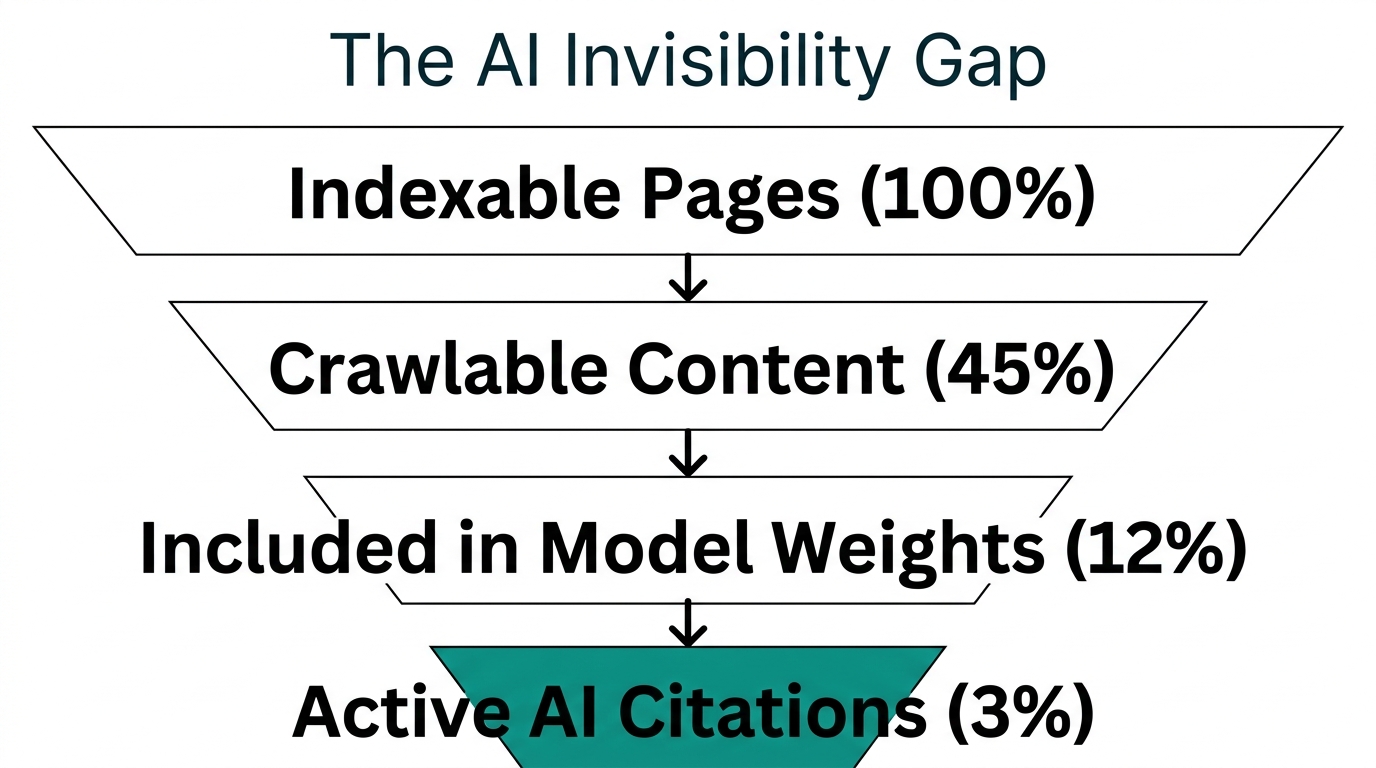
The greatest risk in 2026 is Data Decay. If you change your brand messaging, pricing, or technical structure too frequently without updating your broader web presence, LLMs lose "confidence" in your data. Research from global brand consultants shows that inconsistent brand data can lead to a 40-60% drop in AI recommendations within a single quarter.
To prevent this, you must maintain absolute consistency across your ecosystem: from your Google Ads to your TikTok Shop listings and your Klaviyo email flows. Stormy AI acts as the "intelligence layer" that ensures all these platforms are singing from the same songbook, preventing the "uncanny" or fragmented brand experience that consumers report as a primary reason for distrusting AI recommendations.
Conclusion: Your 2026 GEO Playbook
Optimizing for the AI era is no longer optional—it is the price of admission for Shopify growth. While traditional SEO still has value for legacy searchers, the real revenue growth is happening in the world of Agentic Commerce.
To recap your 2026 strategy:
- Prioritize Share of Model (SoM) over simple keyword rankings.
- Implement JSON-LD religiously to feed technical data to LLMs via Schema.org.
- Embrace UCP to make your products buyable directly inside AI conversations using Shop Pay.
- Build Topical Authority with data-rich, long-form content.
- Leverage an AI employee like Stormy AI to handle the messy back-office monitoring, structured data audits, and cross-platform consistency.
The merchants who win this year won't be those who work the hardest, but those who build the best "factory" for their AI agents to operate within. If you're ready to stop doing the busywork and start directing your AI workforce, it's time to hire Stormy AI to run your back office.