In 2026, the ecommerce landscape has shifted fundamentally. The era of fighting for the top spot on a Google Search Results Page (SERP) is effectively over. Today, the most valuable real estate isn't a blue link; it's a personalized recommendation inside a ChatGPT thread, a Perplexity research summary, or a voice prompt through an AI agent. As traditional search volume has declined by a staggering 25%, DTC founders are pivoting to a new discipline: Generative Engine Optimization (GEO).
The Death of SEO and the Rise of 'Recommendation Share'
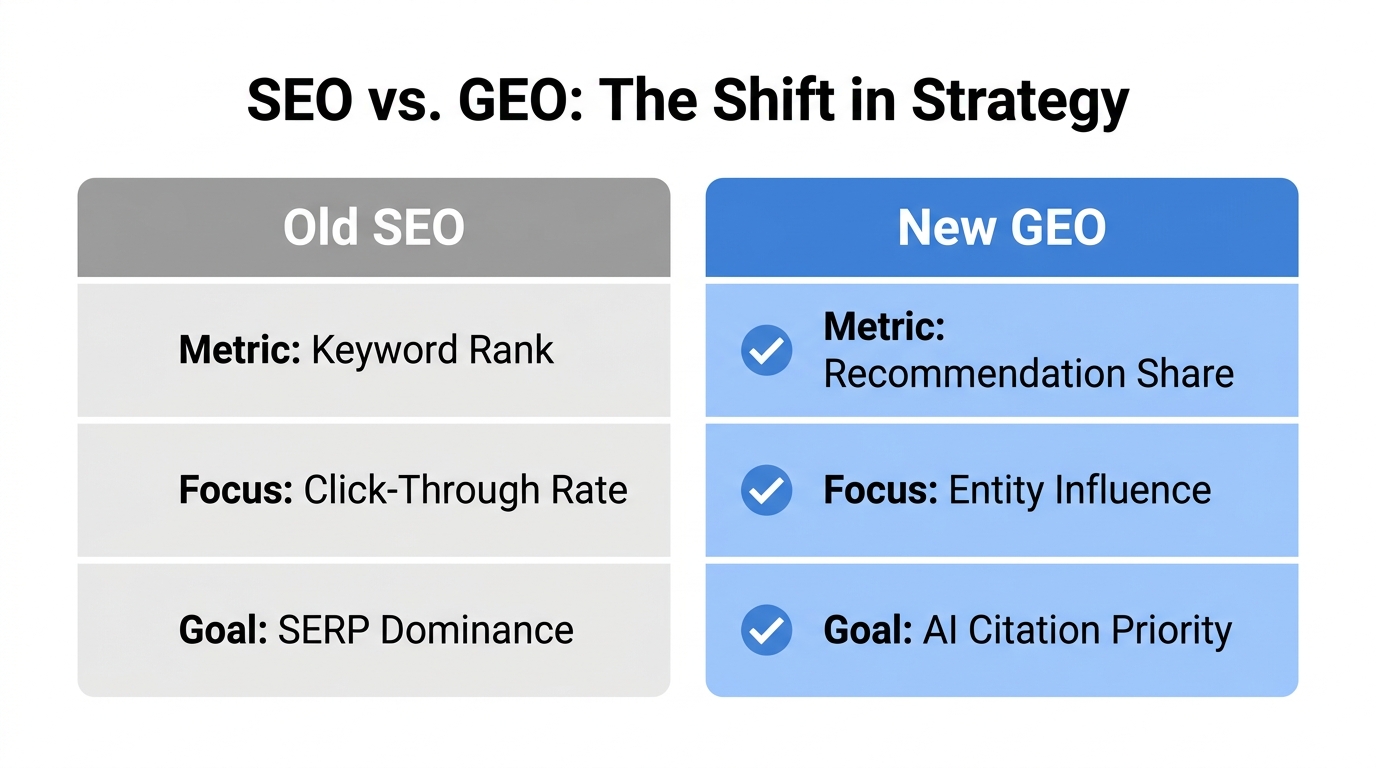
For decades, ecommerce success was measured by keyword rankings. In 2026, we measure success by Recommendation Share. AI agents don't browse the web like humans; they synthesize data to provide a single, authoritative answer. If a user asks, "What is the best durable luggage for a digital nomad working in Southeast Asia?" they aren't looking for a list of ten sites. They want the one best recommendation.
Market data shows that shoppers assisted by AI agents convert at a massive 12.3% rate, compared to just 3.1% for unassisted shoppers. This 4x multiplier is the reason why an AI ecommerce employee like Stormy AI focuses so heavily on keeping your product data clean and ready for LLM ingestion. When your back-office AI teammate monitors your inventory and updates your metadata, it isn't just for organization; it's to ensure you win the recommendation race.
"The key insight for 2026 is that you can't spoof LLMs. Authenticity and structured data are the only currencies that matter when agents are doing the shopping for humans."
Entity Clarity: Optimizing for Problems, Not Keywords
Traditional SEO relied on "keyword stuffing" to trick algorithms. In 2026, Entity Clarity is the goal. AI models are trained to understand the relationship between objects, problems, and solutions. Instead of targeting "cheap yoga mats," smart brands are optimizing their Shopify product descriptions for specific, complex use cases like "eco-friendly yoga mats for beginners with joint pain."
To achieve Entity Clarity, you must provide the AI with "low-entropy" data. This means using highly descriptive attributes in your Shopify metafields. An AI agent needs to know the exact material, the carbon footprint, the warranty terms, and the specific user pain point the product solves. When Stormy AI audits your Shopify store, it looks for these missing attributes, ensuring that when an LLM searches for a solution, your product is the most relevant "entity" available.
| Metric | Traditional SEO (2020-2024) | Generative Engine Optimization (2026) |
|---|---|---|
| Primary Goal | Click-Through Rate (CTR) | Recommendation Share |
| Content Focus | Keyword Density | Entity Clarity & Context |
| Primary Crawler | Googlebot | LLM Crawlers (GPT-5, Claude-4) |
| Checkout Path | Storefront Navigation | Universal Commerce Protocol (UCP) |
Technical GEO Implementation: Deploying Your llms.txt File
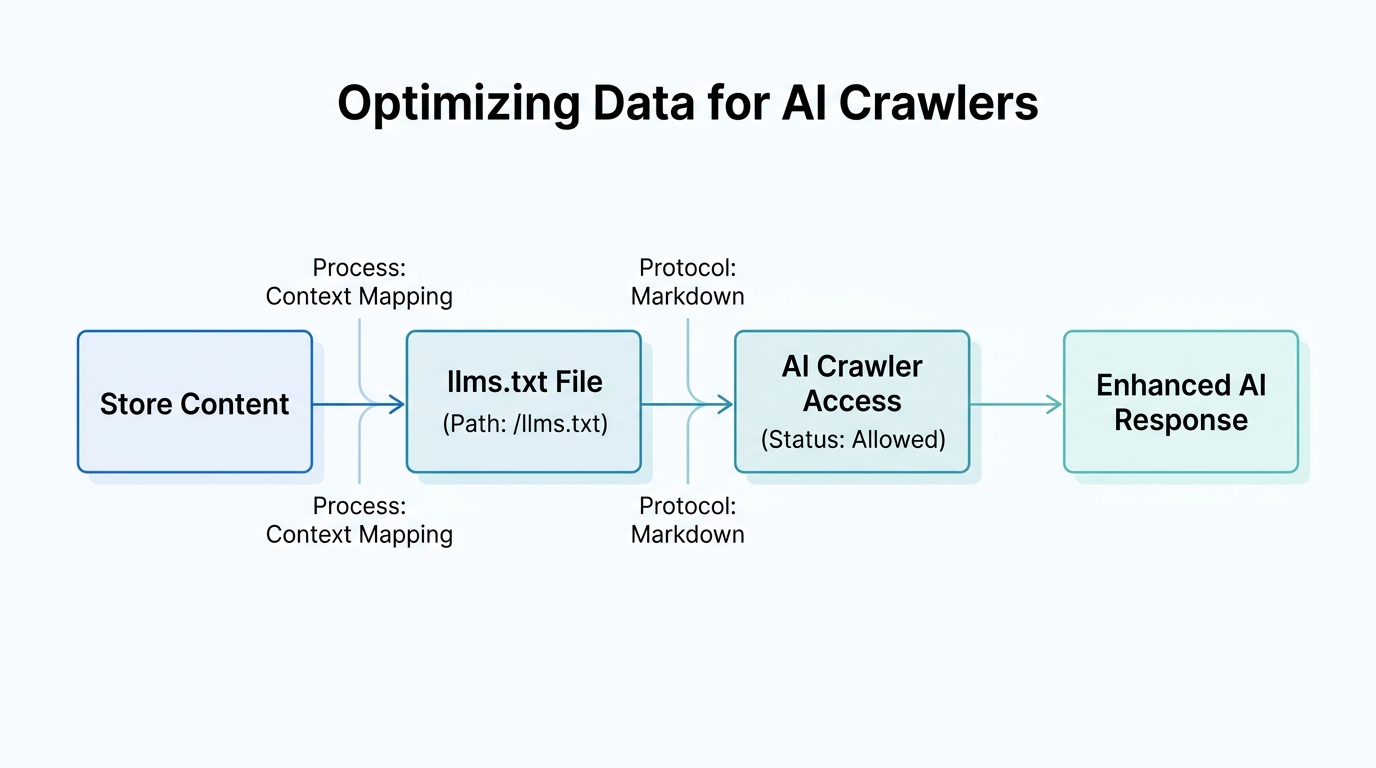
Just as the robots.txt file governed the era of web crawlers, the llms.txt file governs the era of Generative AI. This is a structured, text-only map of your inventory hosted at yourstore.com/llms.txt. It provides a clean, markdown-friendly summary that LLMs can ingest without getting lost in your site's Javascript or CSS. According to recent guides on GEO for Shopify, this is the single most important technical step for visibility in 2026.
Step-by-Step: Creating Your llms.txt
- Identify Core SKUs: Don't overwhelm the LLM. List your top-performing products and their primary problem-solving features.
- Use Markdown Format: LLMs prefer H1, H2, and bulleted lists. Avoid complex HTML inside this file.
- Host at Root: Upload the file to your Shopify assets so it is accessible at
/llms.txt. - Add a /research endpoint: For brands with deep technical specs, create a
/llms-full.txtthat includes every SKU for agents performing deep-dive research.
If managing these files sounds like a manual chore, you can ask Stormy AI to handle it. Stormy can automatically update your llms.txt every time you add a new product or change a price, ensuring the AI crawlers always have the latest data.
The Universal Commerce Protocol (UCP) and One-Click Checkout
In 2026, the shopping experience often starts and ends inside a chat interface. Thanks to the Universal Commerce Protocol (UCP), co-developed by Shopify and Google, AI agents can now execute transactions directly. This protocol allows for "one-click checkout" inside third-party apps like ChatGPT or Perplexity.
When your store is UCP-compliant, an AI agent can say, "I found the eco-friendly mat you need. Should I buy it for you using your saved Shop Pay details?" If the user says yes, the transaction is processed via Shopify's back-end without the customer ever visiting your website. This is why having an AI-ready data strategy is critical—Gartner predicts that 60% of GenAI projects fail because the underlying data isn't structured for these autonomous transactions.
"The browser is becoming secondary. In 2026, the 'Storefront' is wherever the AI agent happens to be talking to the customer."
Monitoring AI Visibility: Metrics for the New Era
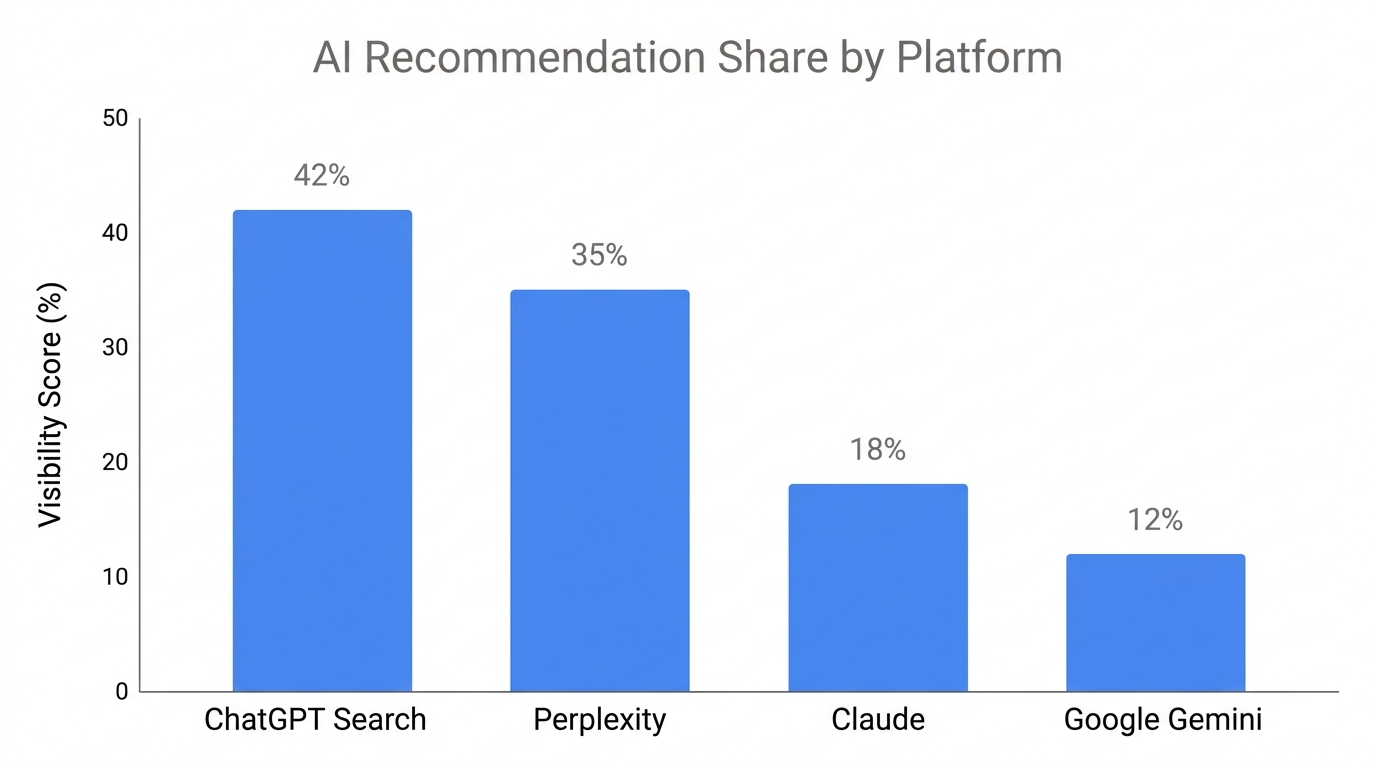
How do you know if your GEO strategy is working? You can no longer rely solely on Google Search Console. Instead, you need to track how often your brand is mentioned across various LLMs. Platforms like Nova Data and specialized Shopify dashboards now track "In-Chat Impression Share."
You should be monitoring:
- LLM Sentiment: Is ChatGPT recommending your brand as a "top choice" or a "budget alternative"?
- Referral Traffic from AI: Use UTM parameters specific to AI agents to see how many users are clicking through from a Perplexity summary.
- Shopify Sidekick Interactions: Monitor how often Sidekick (Shopify's native AI) suggests your products to merchants or customers.
Stormy AI can act as your dedicated monitoring agent. It pulls performance reports from Google Ads, Meta, and Amazon Ads, but it also tracks your "Agentic Visibility" by simulating user queries across different LLMs and logging where your brand appears. This allows you to adjust your product descriptions in real-time to capture more recommendation share.
Conclusion: Embracing the Agentic Future
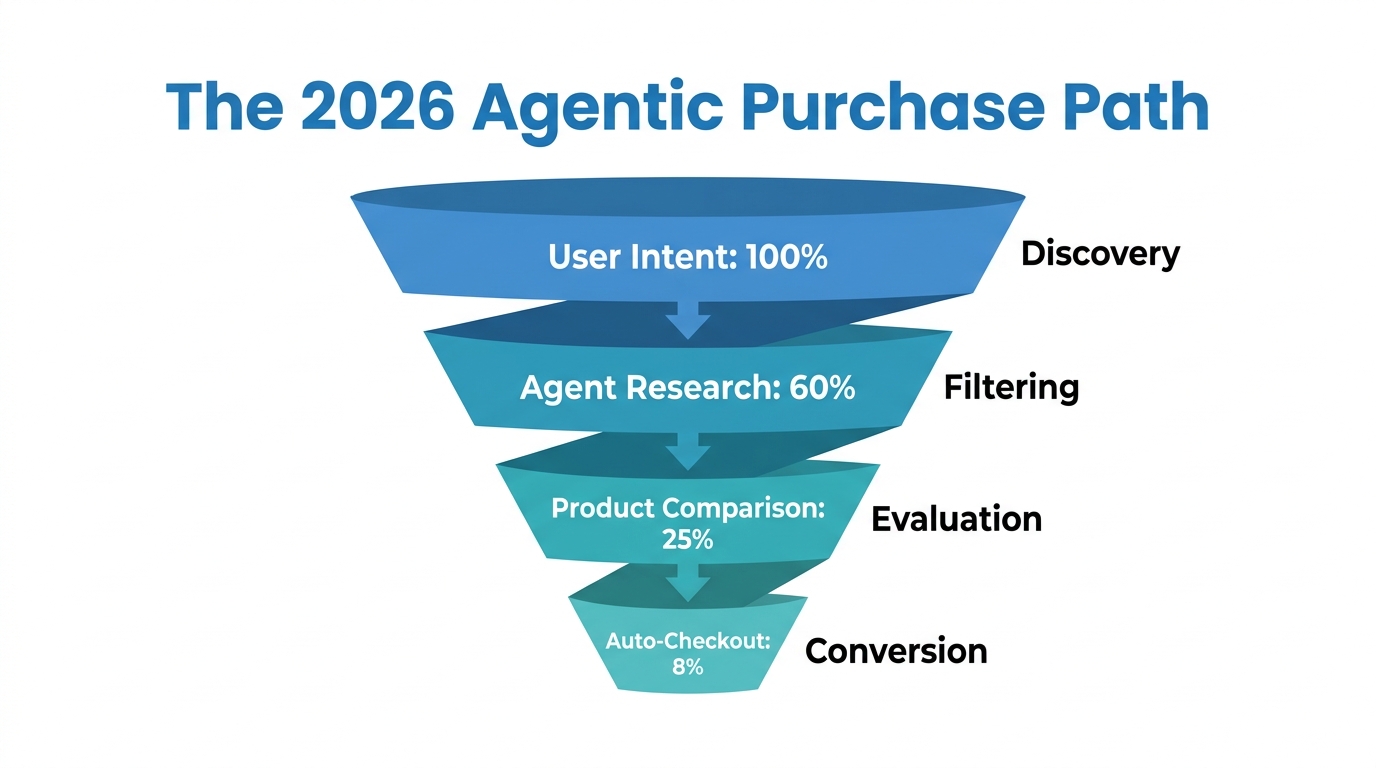
The shift to GEO isn't just a technical update; it's a mindset shift. You are no longer building a website for humans to browse; you are building a database for agents to query. By implementing a clean llms.txt file, focusing on Entity Clarity, and adopting the Universal Commerce Protocol, you position your Shopify store to thrive in an AI-first economy.
Running a lean, high-growth brand in 2026 means delegating the messy back-office work to an AI teammate. Whether it's monitoring your Gorgias support tickets or ensuring your Klaviyo segments are powered by predictive AI, the goal is automation that delivers ROI. As Stormy AI handles the rest of your operations, you can focus on the one thing AI can't replace: your brand's unique creative vision.
llms.txt today.