In 2010, a partner at Bessemer Venture Partners sat down to write a deal memo for a small Canadian e-commerce startup called Shopify. At the time, the company was doing $5 million in revenue and had roughly 10,000 customers. The memo was persuasive, the investment was made, and the 'best-case scenario' for an exit was pegged at a respectable $400 million. By 2026, that same company is worth over $130 billion, having processed nearly a trillion dollars in Gross Merchandise Volume (GMV).
This 30,000% error in judgment wasn't due to incompetence—Bessemer is a top-tier firm with tens of billions under management. It happened because of a fundamental human bias that Jeff Bezos famously identified: "It is human nature to overestimate risk and underestimate opportunity." As you build your GTM strategy 2026, you are likely falling into the same trap, prioritizing precision in your spreadsheets over accuracy in your vision.
Precision vs. Accuracy: The Valuation Trap
 27:40
27:40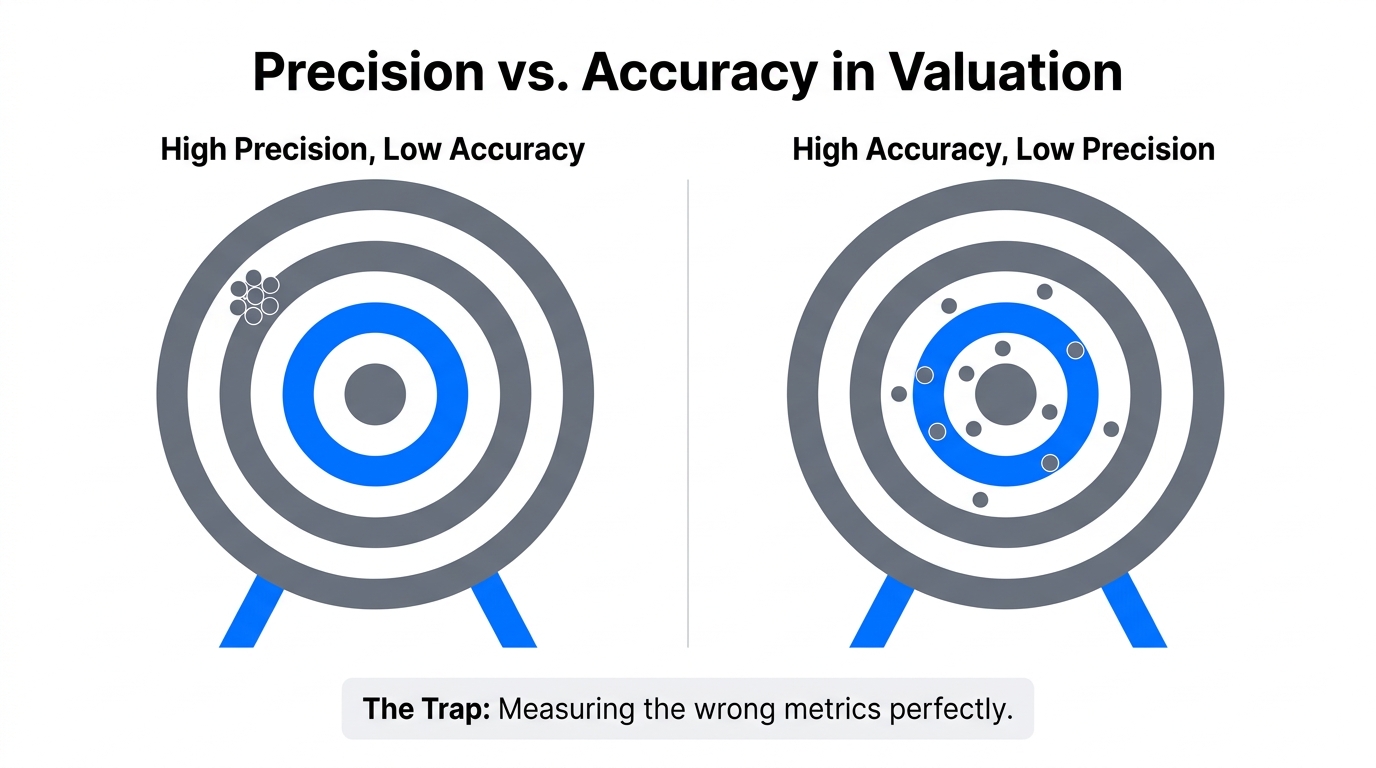
In his legendary blog post "How To Miss By A Mile," Bill Gurley dissected why even the smartest analysts fail to size markets correctly. He pointed to NYU professor Aswath Damodaran, who famously argued that Uber was vastly overvalued at $17 billion. Damodaran was precise—his math was impeccable—but he was fundamentally inaccurate because he assumed the future would look exactly like the past.
Precision is forecasting your 2026 revenue down to the second decimal point based on last year’s conversion rates. Accuracy is being on the right side of history. If you are precisely calculating the share you can steal from a legacy market, you are missing the fact that the most successful startups don't just capture demand—they expand the market entirely.
"The cynics get to be right, but the optimists get to be rich. You only need to be right once in a really big way to change the game entirely."
The Shopify Growth Case Study: Lessons from the Memo
3:30The Bessemer Shopify memo is a masterclass in underestimating the 'upside.' When the firm invested $5 million at a $20 million valuation, they were worried about the ceiling. The memo notes that Shopify's total GMV at the time was $132 million, which would have put them in the top 50 online retailers. Today, Shopify adds more than 10,000 paid customers every single week.
The memo even reveals that an associate asked CEO Tobi Lütke for a contract clause promising not to sell the company for less than $50 million. Tobi refused, eventually giving a handshake deal to not sell for less than $75 million. This illustrates how even the 1% of the 1% struggle to comprehend the scale of a true market expander.
In 2026, we see this recurring in fields like influencer marketing. Early skeptics thought the "creator economy" was a niche hobby. Today, brands using platforms like Stormy AI are discovering that the total addressable market for creator-led commerce isn't just a slice of the advertising budget—it’s the new foundation of retail itself.
Why 'Market Expanders' Create Their Own TAM
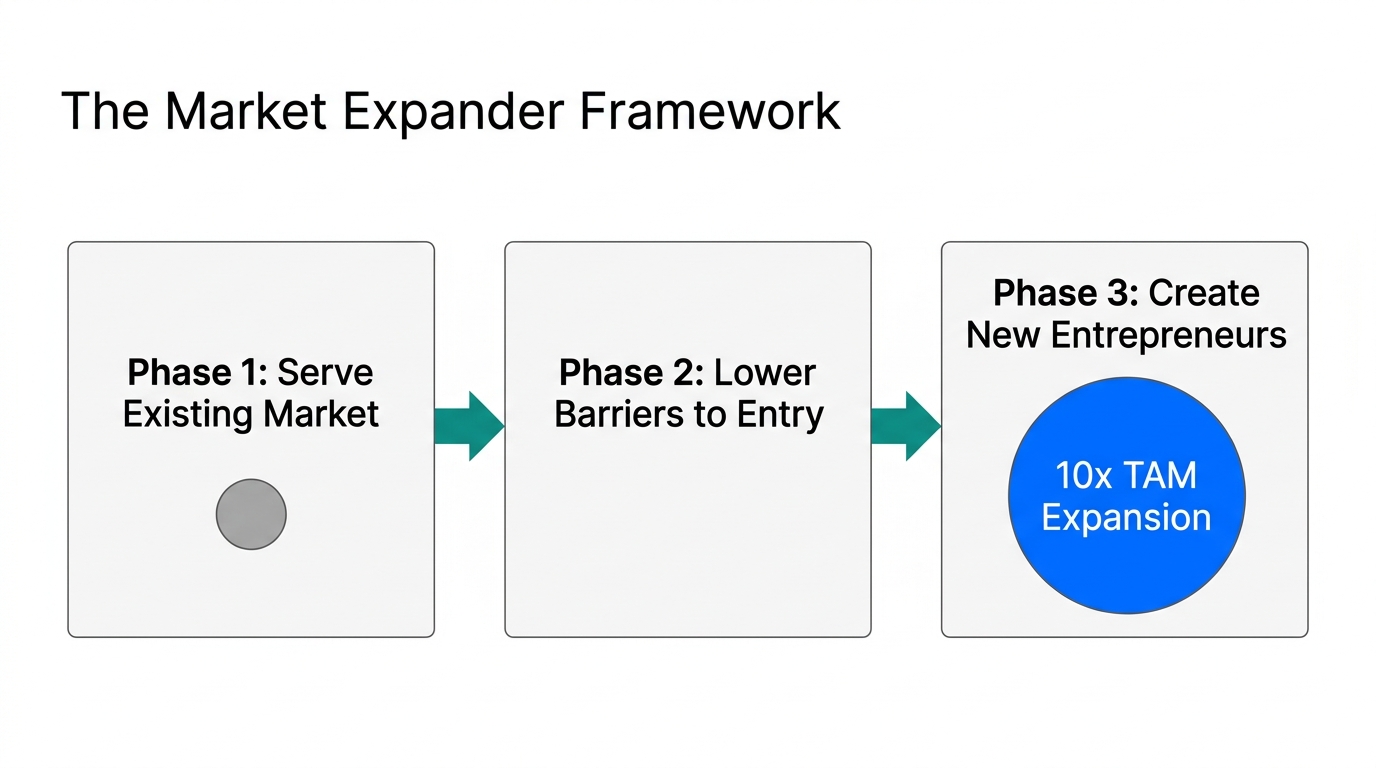
A true market expander doesn't just eat the pie; it bakes a thousand more pies. When Airbnb launched, analysts compared it to Couchsurfing, which had topped out at a few hundred million in value. They didn't realize that by lowering friction and increasing trust, Airbnb would eventually facilitate one out of every $30 spent on travel in America.
Uber did the same. In San Francisco, the Uber market quickly became 3x larger than the entire pre-existing taxi market. Why? Because the product unlocked new use cases:
- Lower Price Points: People who wouldn't pay for a taxi started using UberX for short errands.
- Reliability: Parents used it to transport kids; travelers used it in rural areas where taxis never ventured.
- Car Ownership Displacement: The biggest market expansion happened when people realized they didn't need to own a car at all.
| Category | The Incumbent View | The Market Expander View |
|---|---|---|
| Travel | Hotel room inventory | Every spare bedroom on Earth |
| Transport | Licensed taxi medallions | Every private vehicle on the road |
| Commerce | Physical retail & big brands | Every individual with a social following |
| Labor | Full-time employees | Autonomous AI agents & global freelancers |
"We didn't know the size of the market because we were inventing it. If we listened to market research, we would have just made a better Couchsurfing app." — Brian Chesky
The 2026 AI Parallel: Labor as the New Software
34:20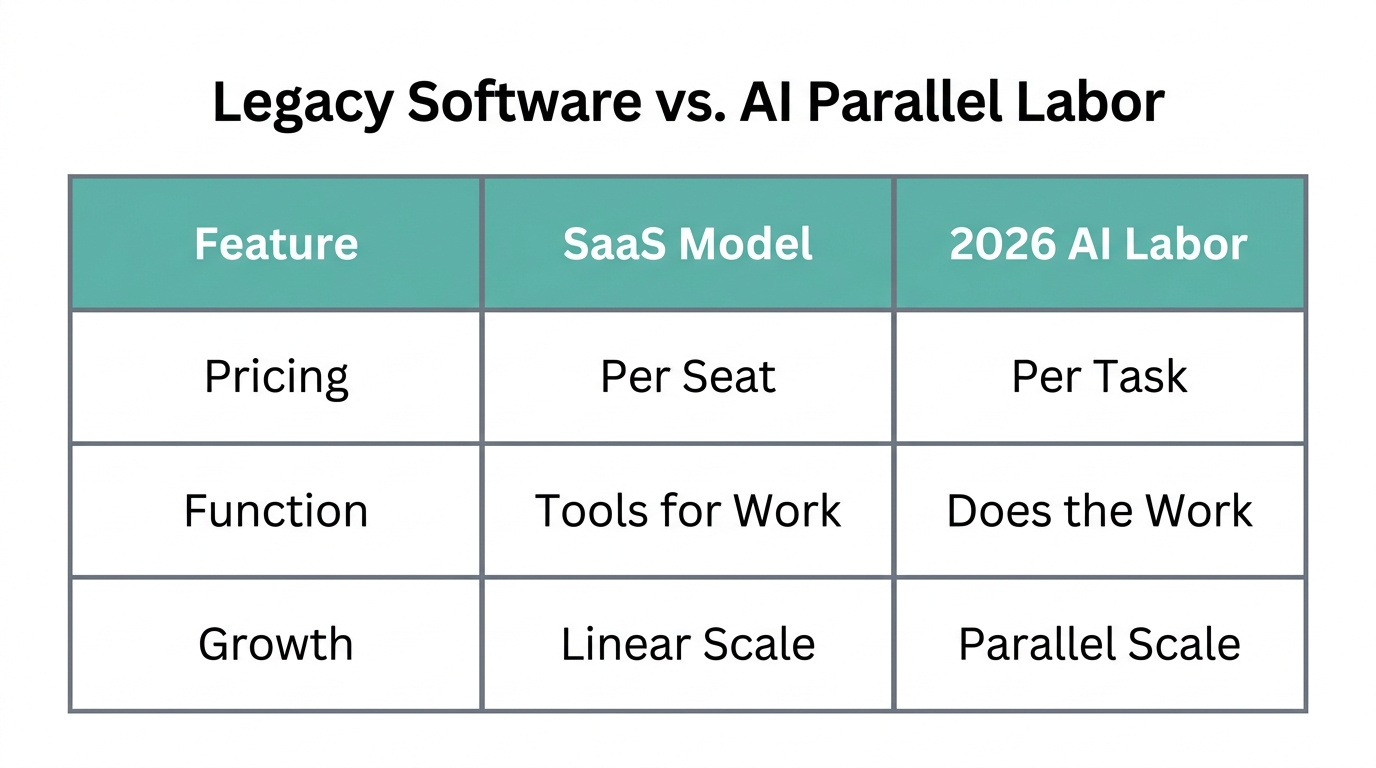
As we navigate 2026, the biggest total addressable market for startups is no longer just the cloud or SaaS. According to research presented at a recent Sequoia AI event, the progression of technology has moved from Software 1.0 (CD-ROMs) to Cloud/SaaS, and now to AI. While the cloud market was worth roughly $400 billion, the AI market is poised to be significantly larger because it doesn't just replace software—it replaces labor.
The global labor market is worth tens of trillions of dollars. When you use tools like OpenAI or Claude to handle tasks previously done by humans, you are tapping into the largest market in human history. This is the 'Park Avenue' of startups—scarce, high-value real estate where overpaying for a high-quality asset today often looks like a bargain tomorrow.
Playbook: Auditing Your 2026 GTM Strategy for Hidden Upside
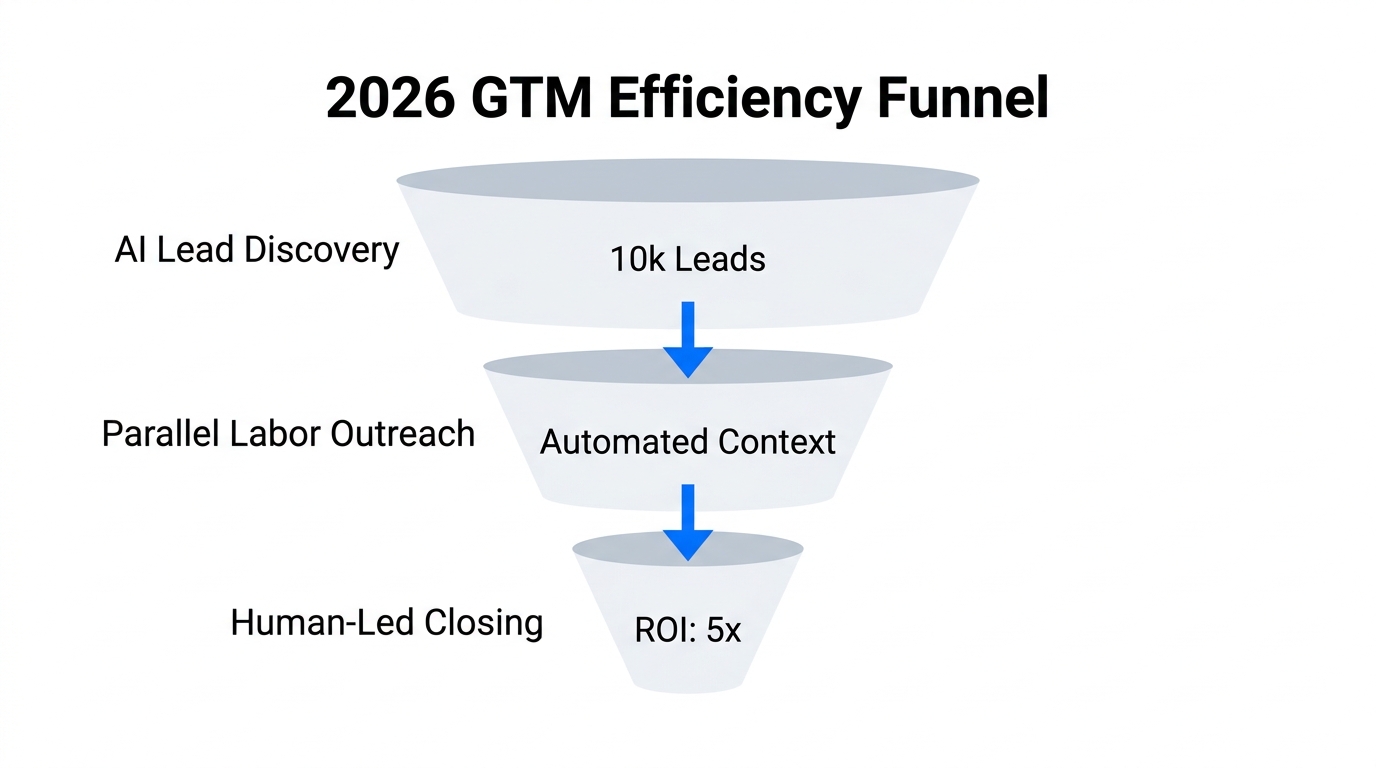
How do you ensure you aren't the associate at Bessemer trying to cap your own upside? Follow this step-by-step playbook to audit your market sizing frameworks.
Step 1: Identify the "Friction Dividend"
Ask yourself: What would happen if this service was 10x cheaper and 10x faster? For WhatsApp, making messaging 'free' and international didn't just replace SMS; it created a world where billions of people are constantly connected. Identify the friction you are removing and calculate how many new users that dividend will invite.
Step 2: Look for Lifestyle Quirks at the Edge
Pay attention to the 'freaks'—the 1% of the 1% who are doing things that seem strange today. Whether it’s extreme health optimization or autonomous creator management through Stormy AI, these edge cases often become the mean. If a behavior is logical but currently difficult, technology will eventually make it universal.
Step 3: Map the Secondary Markets
When Shopify expanded, it didn't just help people sell shirts. It created a secondary market for app developers, themes, and logistics. Your GTM strategy should account for the ecosystem velocity your product creates. Are you building a tool, or are you building a platform that others will build their lives on?
Step 4: Practice the "Just in Time" Solution Test
Don't just keep up with tech for the sake of it. When you have a problem in your business—whether it's sourcing creators or automating customer support—test if an AI-first approach can solve it today. This real-world testing provides a better market signal than any McKinsey report.
"I don't care about the market size; I care about if we can make something fundamentally different. If you make something great, the market will come." — Elon Musk
Conclusion: The Optimist’s Edge in 2026
The Shopify growth case study teaches us that the greatest risk in 2026 isn't being wrong about a small market—it’s being 'precisely' wrong about a massive one. Your GTM strategy 2026 must balance the need for operational discipline with the courage to believe in a market that doesn't fully exist yet.
As you plan your next move, remember the NYU professor who never used the Uber app before declaring it overvalued. Don't be the expert standing on the sidelines. Use the tools, talk to the creators on Stormy AI, and build for the trillion-dollar market that the cynics are currently dismissing as 'niche.' The future belongs to those who see the opportunity before it becomes obvious.