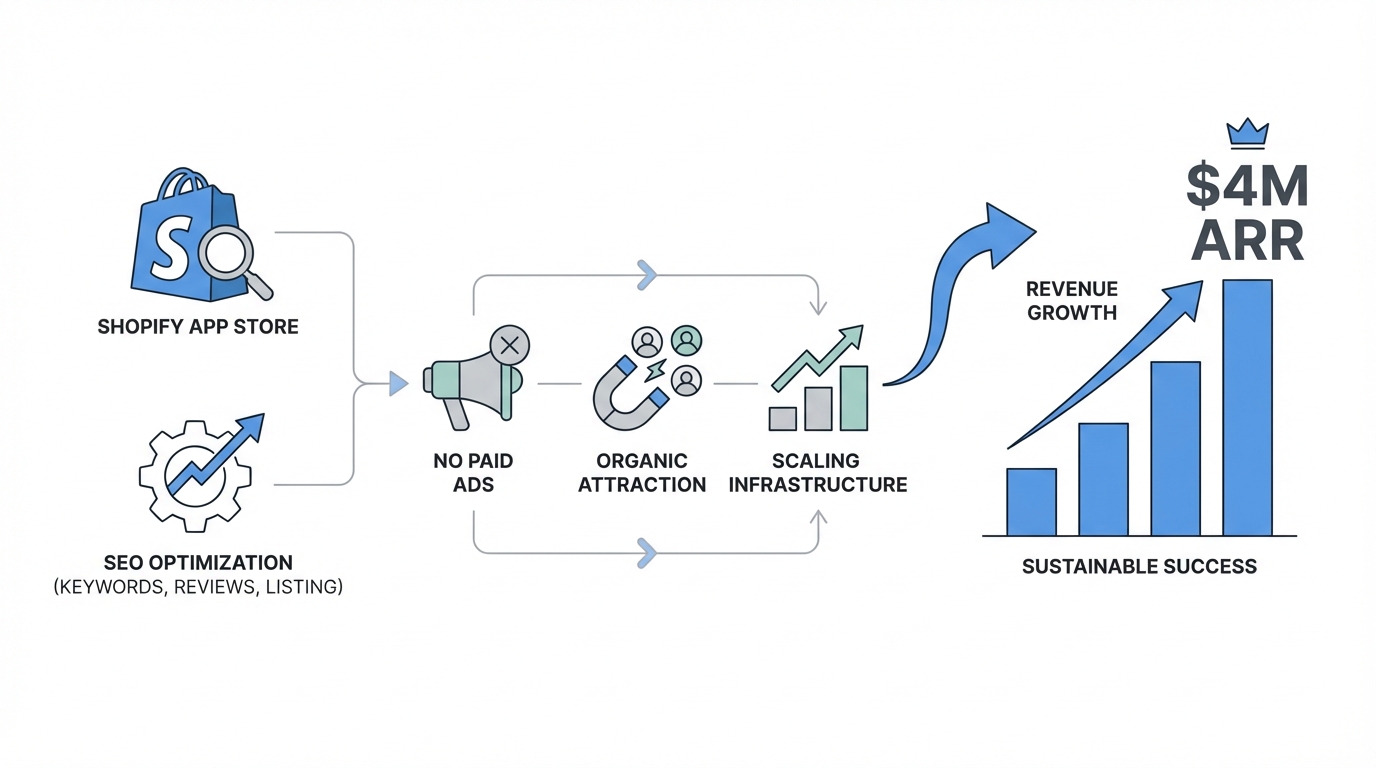
In the high-stakes world of SaaS and e-commerce, the prevailing wisdom suggests that growth requires a massive war chest for customer acquisition. Conventional marketing playbooks are dominated by rising Facebook Ad costs, complex Google Ads bidding wars, and the constant churn of paid traffic. However, a new breed of entrepreneurs is flipping the script by leveraging the power of platform-first growth. By building on top of established marketplaces like the Shopify Partner Program, founders are scaling businesses to millions in annual recurring revenue (ARR) with effectively zero dollars spent on traditional advertising. This isn't just about building an app; it is about mastering Shopify app store optimization to capture high-intent users exactly when they are looking for a solution.
The Platform-First Growth Strategy: Why Marketplaces Win

The core advantage of building within an ecosystem like Shopify or the Monday.com marketplace is the built-in trust and distribution. When a merchant searches the Shopify App Store for a 'bundle' or 'upsell' tool, they aren't just browsing; they are in 'buy mode.' This inherent intent makes marketplace marketing far more efficient than interruptive social media ads. As highlighted in a recent Starter Story interview, Erikas, the founder of Kaching Bundles, has scaled his suite of apps to $4.5 million ARR while maintaining 90% profit margins. The secret? He doesn't chase customers; he positions his apps where customers already are.
For many solo developers and indie hackers, the initial challenge is competing with VC-backed giants. However, as Erikas discovered, these larger corporations often move slowly, leaving gaps in the user experience. By focusing on superior design and specialized functionality, smaller teams can outperform legacy players. Much like how Stormy's AI search allows brands to find the perfect niche creators across TikTok and Instagram without manually scrolling through millions of profiles, platform-specific tools solve immediate, granular problems for merchants who are tired of bloated, expensive software.
Choosing the Right Battlefield: Shopify vs. Emerging Marketplaces
Success in building a Shopify app business begins with choosing the right niche. Erikas uses three specific criteria for validation: the idea must be easy to build (less than two months), have a broad market (useful for any Shopify store), and face low competition. While the Shopify ecosystem is mature, it is also massive, providing ample opportunity for those who can execute on better UX. However, for those looking for the 'next Shopify,' emerging platforms offer a different kind of leverage.
The Monday.com marketplace is currently an under-the-radar opportunity. With over 225,000 customers across 200 industries, the platform is actively seeking developers to fill gaps in their ecosystem. Unlike Shopify, where consumer-facing apps dominate, Monday.com offers a gateway to enterprise customers, where 90% of large-scale users actively install third-party apps. Whether you are building for Shopify or Monday.com, the goal is the same: find a high-frequency problem and solve it with a better interface than the existing incumbents.
Mastering Shopify App Store SEO: Ranking for High-Intent Keywords
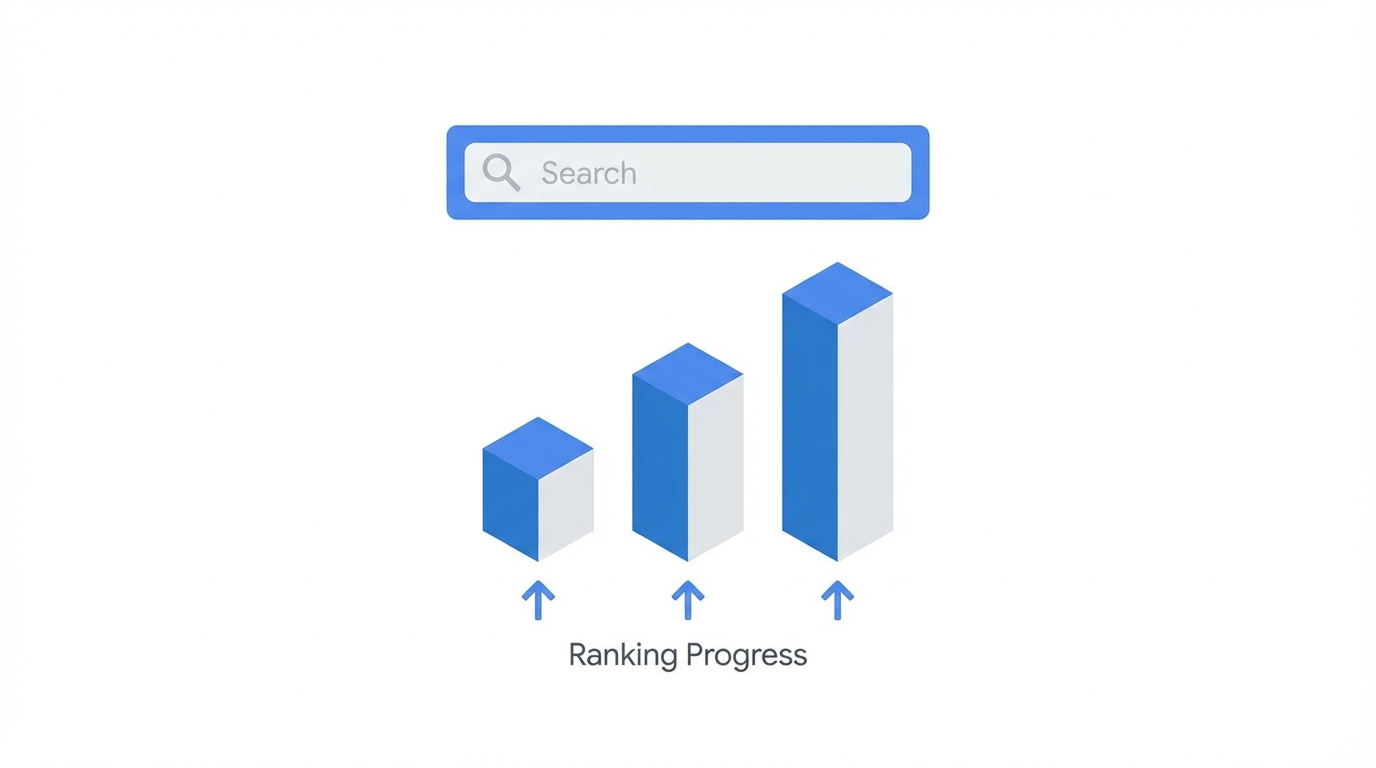
To scale without ads, you must master App Store SEO strategy. This is the process of optimizing your app listing to appear at the top of search results for specific keywords. In the Shopify ecosystem, ranking for terms like 'bundles,' 'upsell,' or 'discounts' can lead to hundreds of organic installs per day. The ranking algorithm primarily weighs install velocity, review quality, and keyword relevance. Just as brands use Stormy's influencer analysis and vetting tools to detect fake followers, Shopify's algorithm vets apps based on their ability to retain users and provide value.
To optimize your listing, start by researching what merchants are actually typing into the search bar. Use tools like Mantle to track your funnels and see which keywords are driving the most conversions. Your title, subtitle, and description should naturally incorporate these terms. However, the most critical factor in SEO is social proof. Reviews aren't just for building trust; they are the primary fuel for the ranking engine. Erikas notes that 95% of his reviews come directly from proactive customer support. By providing 24/7 technical support and gamifying the review collection process for support agents, his team ensures a steady stream of five-star ratings that keep his apps at the top of the listings.
The Grandfathering Model: Scaling from Free to $4M ARR
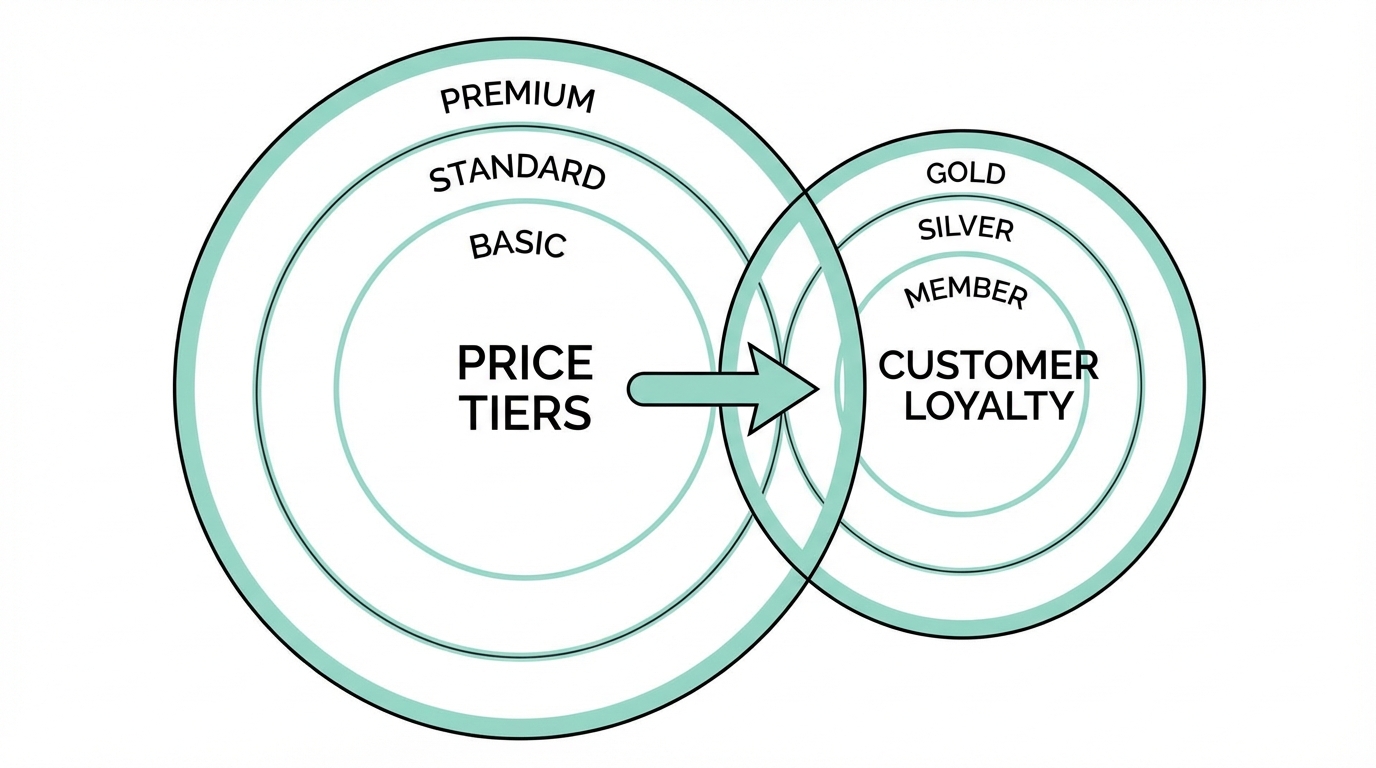
One of the most effective ways to jumpstart App Store SEO strategy is the grandfathering pricing model. When launching a new app, the biggest hurdle is getting those first 100 installs. By launching the app as '100% Free,' you eliminate all friction for the merchant. This surge in initial installs signals to the marketplace that your app is popular, pushing you up the organic rankings. Once you have established a solid ranking for your target keywords, you can introduce a paid subscription for new users while 'grandfathering' in the initial users for free.
This strategy builds a foundation of long-term users who provide the 'social proof' necessary to attract paying customers later. As the app grows, you can transition to a tiered subscription model based on usage. For example, Kaching Bundles uses tiers where merchants pay more as the app generates more revenue for them. To manage this scale, successful founders use tools like Slack for communication and Linear for task management, keeping the team lean and the margins high. Just as developers track app performance, high-growth brands use Stormy AI's post tracking to monitor campaign views and engagement across platforms to ensure every partnership delivers a high ROI.
Automating Outreach and Support for Maximum Efficiency

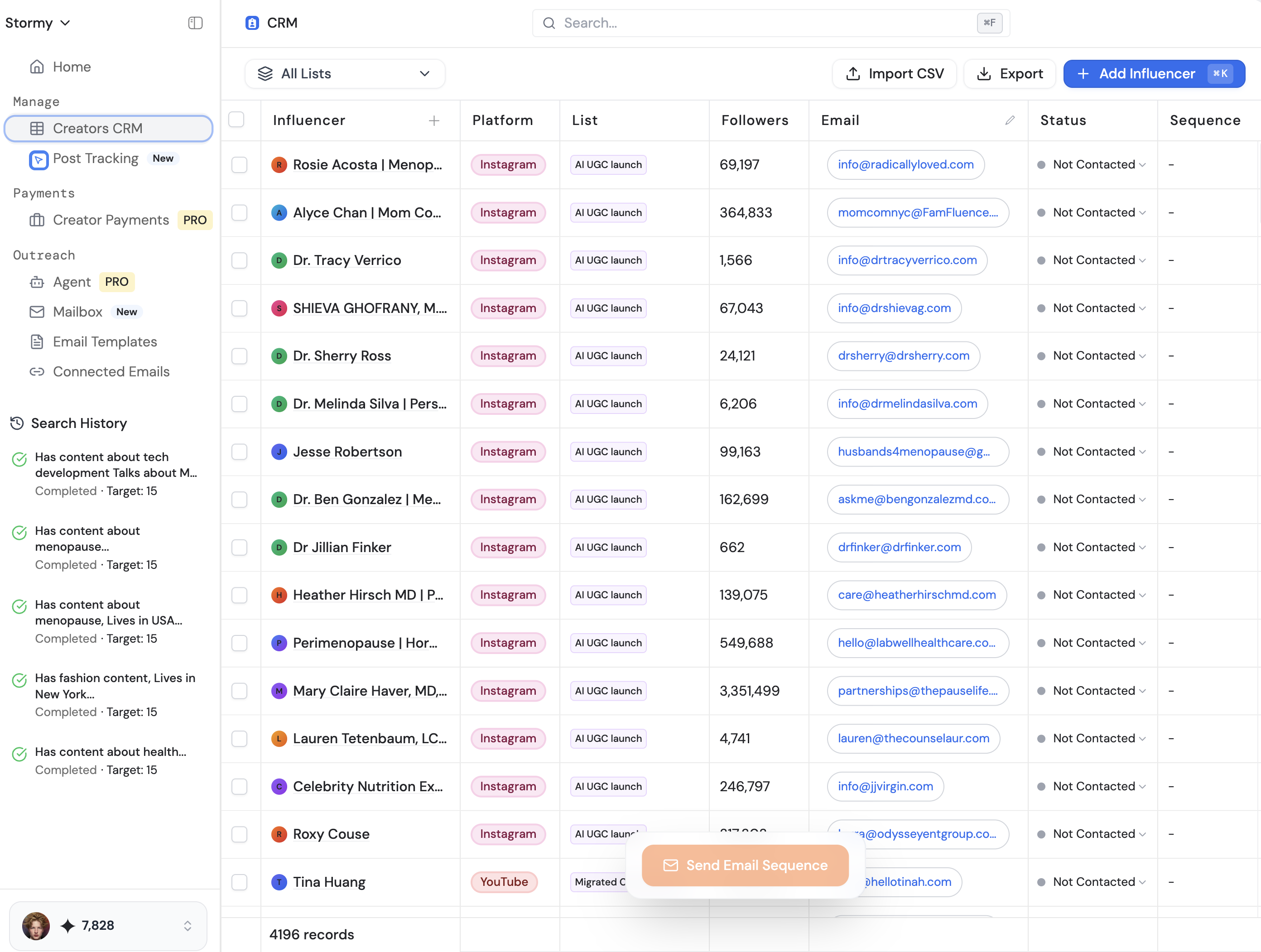
Scaling to $4M ARR with a small team requires extreme automation. Marketing in a marketplace isn't just about the initial install; it's about life-cycle management. Erikas' team uses automated monthly emails that show merchants exactly how much additional revenue the app has generated for them. This report is then followed by a call-to-action for a review, creating a self-sustaining loop of social proof. For companies looking to expand their reach outside the app store, Stormy's AI outreach can be a game-changer, allowing developers to connect with influencers and partners who can drive external traffic to their Shopify listings using personalized, automated follow-ups.
Technical support should also be viewed as a marketing channel. By hiring technical agents who can actually fix code within a merchant's theme, you provide a level of service that VC-backed competitors often struggle to match. This builds intense loyalty and ensures that if a merchant ever moves to a new store, your app is the first one they reinstall. When combined with a robust CRM to track these relationships—similar to how Stormy's creator CRM manages influencer partnerships and deal stages in one place—you can turn individual users into long-term brand advocates.
Conclusion: Building for the Long Term
The success of Kaching Bundles proves that marketplace marketing is the most viable path for lean teams to achieve massive scale. By focusing on Shopify app store optimization, providing world-class support, and using strategic pricing models like grandfathering, you can build a highly profitable Micro-SaaS business without ever touching a Facebook Ads account. Whether you are building on Shopify, Monday.com, or the next big platform, the principles remain the same: find the friction, solve it with better UX, and let the marketplace's organic traffic do the heavy lifting. The era of 'growth at all costs' is ending; the era of 'platform-first' efficiency is just beginning.