The 2026 Guide to Generative Engine Optimization: A Shopify AI SEO Booster Playbook
Master Generative Engine Optimization in 2026 with our Shopify AI SEO Booster playbook. Learn how 70% of brands use AI to dominate search recommendations and LLMs.
The era of the "ten blue links" is officially over. In 2026, the battle for e-commerce visibility isn't just fought on a Google results page; it’s fought inside the neural networks of LLMs like ChatGPT, Perplexity, and Gemini. This shift has given birth to a new discipline: Generative Engine Optimization (GEO). For Shopify merchants, staying ahead means moving beyond keyword stuffing and into the world of AI Search Visibility. By utilizing tools like the Shopify AI SEO Booster, brands are no longer just hoping to be indexed—they are ensuring they are the primary recommendation when an AI agent helps a customer shop.
The Great Shift to GEO: Why 70% of Marketers Have Gone AI-First
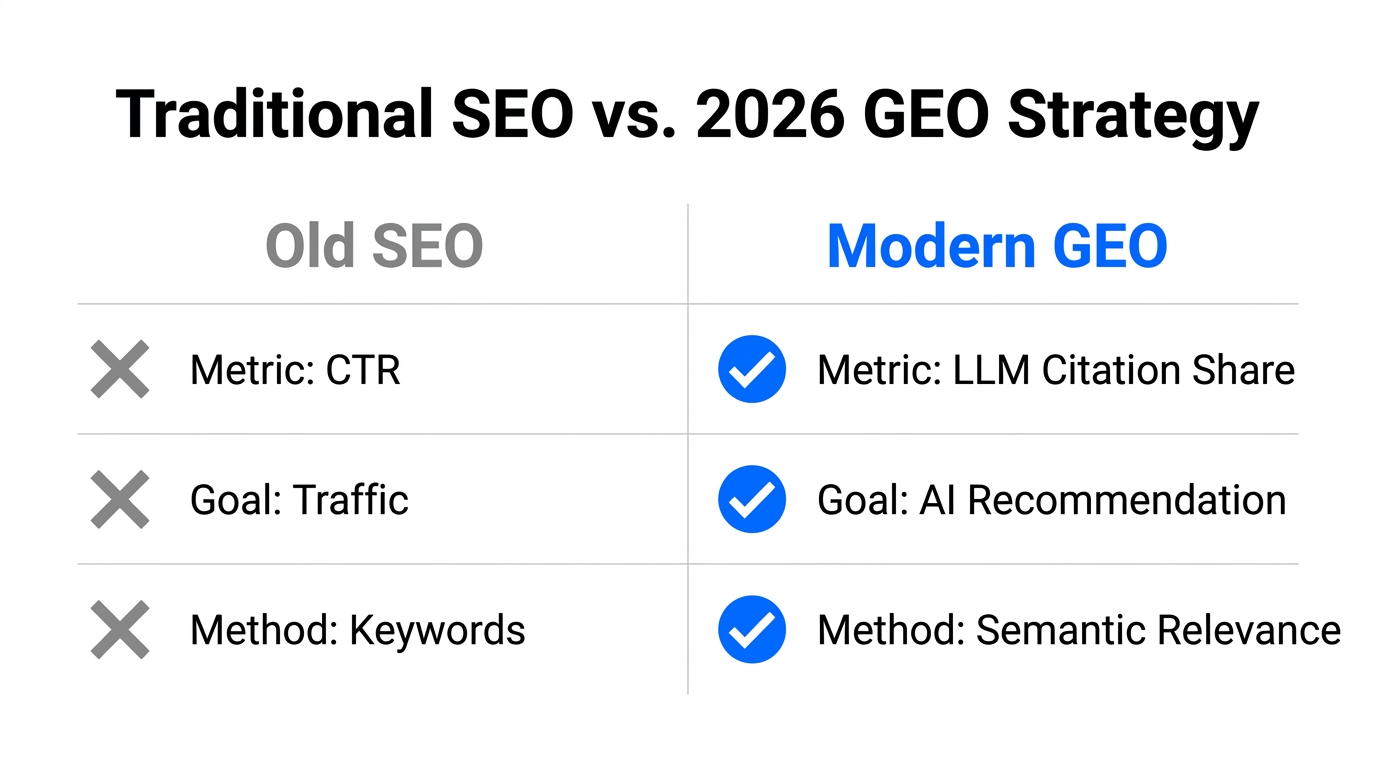
We have reached a tipping point in digital commerce. According to recent 2026 industry data, over 70% of e-commerce marketers have now fully integrated AI-driven SEO tools into their daily workflows. The reason is simple: AI now drives over 65% of all search engine tasks, from initial crawling to complex intent mapping. If your store isn't optimized for these generative engines, you are effectively invisible to the majority of modern shoppers.
"In 2026, SEO is no longer about ranking #1 for a keyword; it's about being the most trusted data source for the AI agents that your customers use to navigate the web."
While the average Shopify store currently converts at a modest 1.4%, the top 20% of brands—those leveraging advanced E-commerce GEO strategy and AI-driven store audits—are seeing conversion rates of 3.2% or higher. This performance gap is widening every month, making the adoption of a Shopify AI SEO Booster not just an advantage, but a necessity for survival.
The 9-Point Schema Scan: Your AI Visibility Foundation
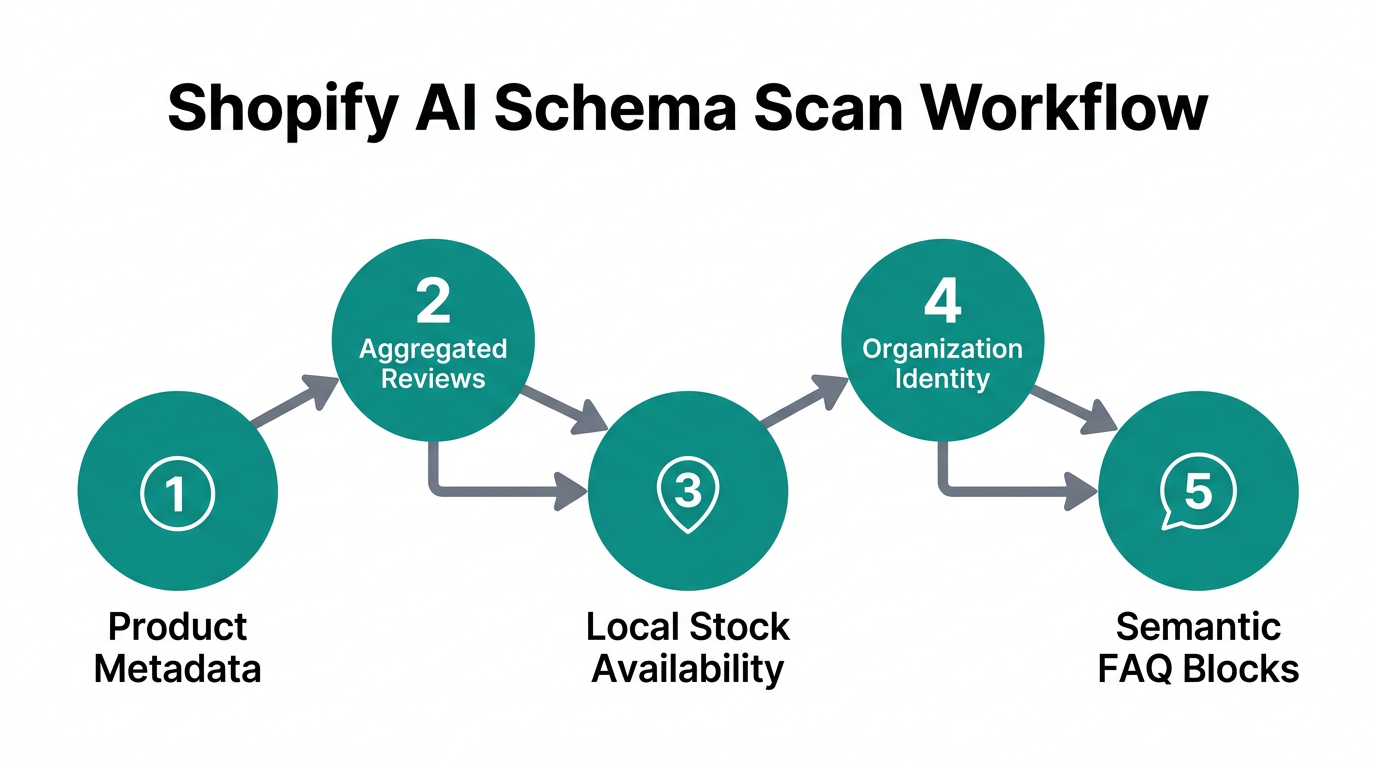
The foundation of any successful Shopify store audit in 2026 is structured data. AI engines don't "read" your website the way humans do; they parse it for specific entities and relationships. Implementing a rigorous schema markup strategy has been shown to result in a 30% increase in clicks and conversions because it provides the clarity LLMs need to recommend your products with confidence.
Using the Shopify AI SEO Booster, marketers can perform a comprehensive "9-Point Schema Scan" to ensure every critical data point is visible to generative engines. Below is the breakdown of the schema types that are non-negotiable for 2026:
| Schema Type | Why It Matters for GEO | 2026 Priority |
|---|---|---|
| Product & Offer | Feeds real-time price and availability to AI shoppers. | Critical |
| AggregateRating | Builds the "Trust Score" needed for LLM recommendations. | High |
| FAQ & Article | Positions your brand as a topical authority in AI responses. | High |
| Organization | Verifies brand identity and social proof across platforms. | Medium |
| Breadcrumb | Helps AI agents understand site architecture and hierarchy. | Medium |
Beyond these, your audit should also cover WebSite, ImageObject, and VideoObject schema to ensure your rich media is also being pulled into generative search results. Tools like JSON-LD for SEO have become standard for validating these technical gaps automatically.
From Assistive Tools to Autonomous SEO Agents
The biggest technological leap this year has been the transition from "assistive" tools that provide checklists to "Autonomous SEO Agents." Traditional tools like Semrush One still provide excellent site health data, but 2026 is defined by agents that fix problems in real-time without human intervention.
Platforms such as Mega’s SEO Agent now automatically identify and resolve broken internal links, update missing metadata, and even adjust internal linking structures based on trending search intent. This automation allows marketing teams to focus on high-level strategy rather than technical minutiae. For instance, when your technical SEO is humming along autonomously, your team can focus on sourcing high-quality user-generated content (UGC) through platforms like Stormy AI, which helps build the cross-platform authority that AI engines crave.
"The future of SEO isn't a dashboard you check once a week; it's an AI agent that works while you sleep, constantly optimizing your store's crawlability for next-gen search bots."
Crawlability Verification: OAI-SearchBot and GPTBot
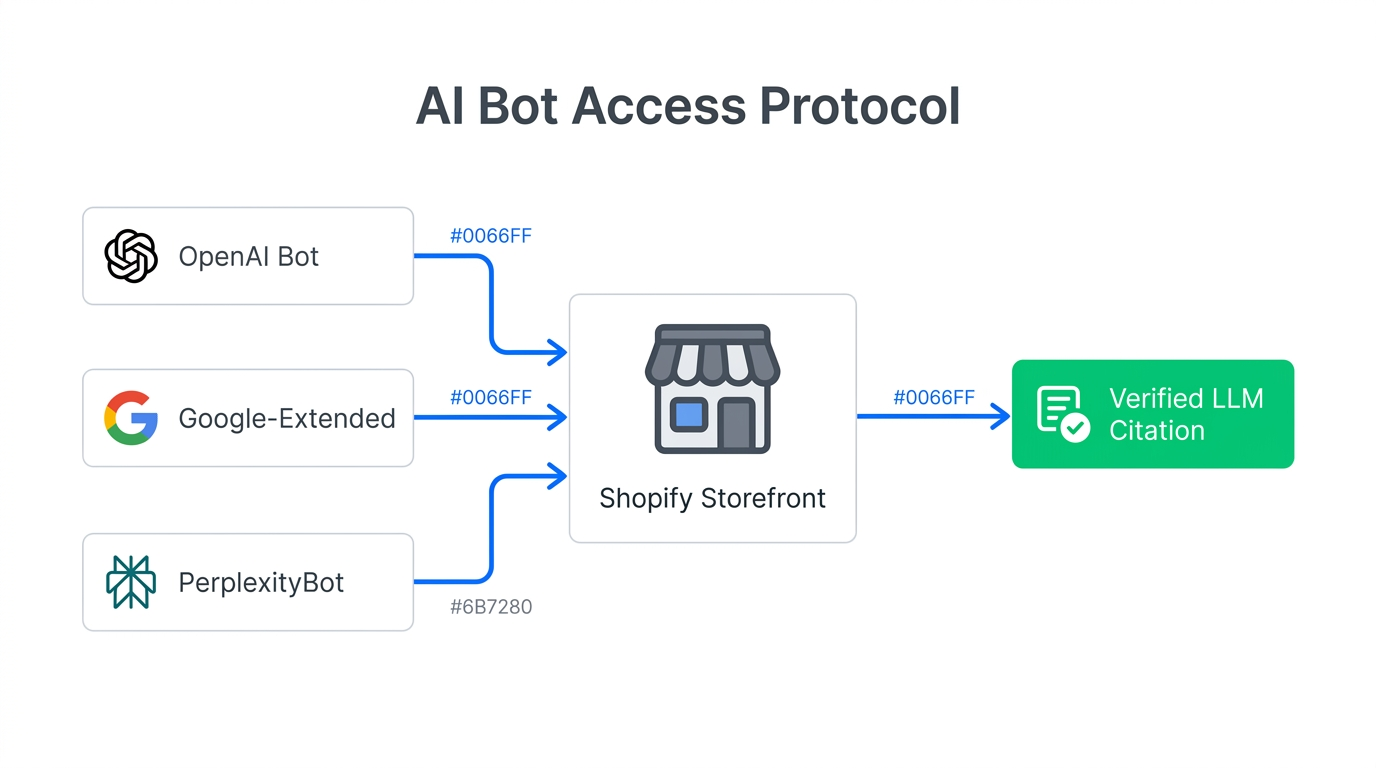
A common mistake in 2026 is assuming that if Google can crawl your site, ChatGPT can too. This is often false. An essential part of your Shopify store audit is verifying your robots.txt file to ensure you aren't accidentally blocking the very engines you want to be discovered by.
The AI Bot Checklist
- OAI-SearchBot: OpenAI's specialized bot for search functionality. If this is blocked, you will not appear in ChatGPT search results.
- GPTBot: The general crawler used to train OpenAI's models. Allowing this ensures your product data is part of the LLM's foundational knowledge.
- PerplexityBot: Essential for appearing in Perplexity’s real-time answer engine, which many high-intent shoppers now prefer over Google.
Marketers are also using SE Ranking’s AI Visibility tool to monitor specifically how often their brand name appears in LLM citations. If your citations are low, it’s usually a sign that your content lacks "topical authority" or your crawlability settings are too restrictive.
Case Study: How Doe Beauty Reclaimed $30,000 Per Week
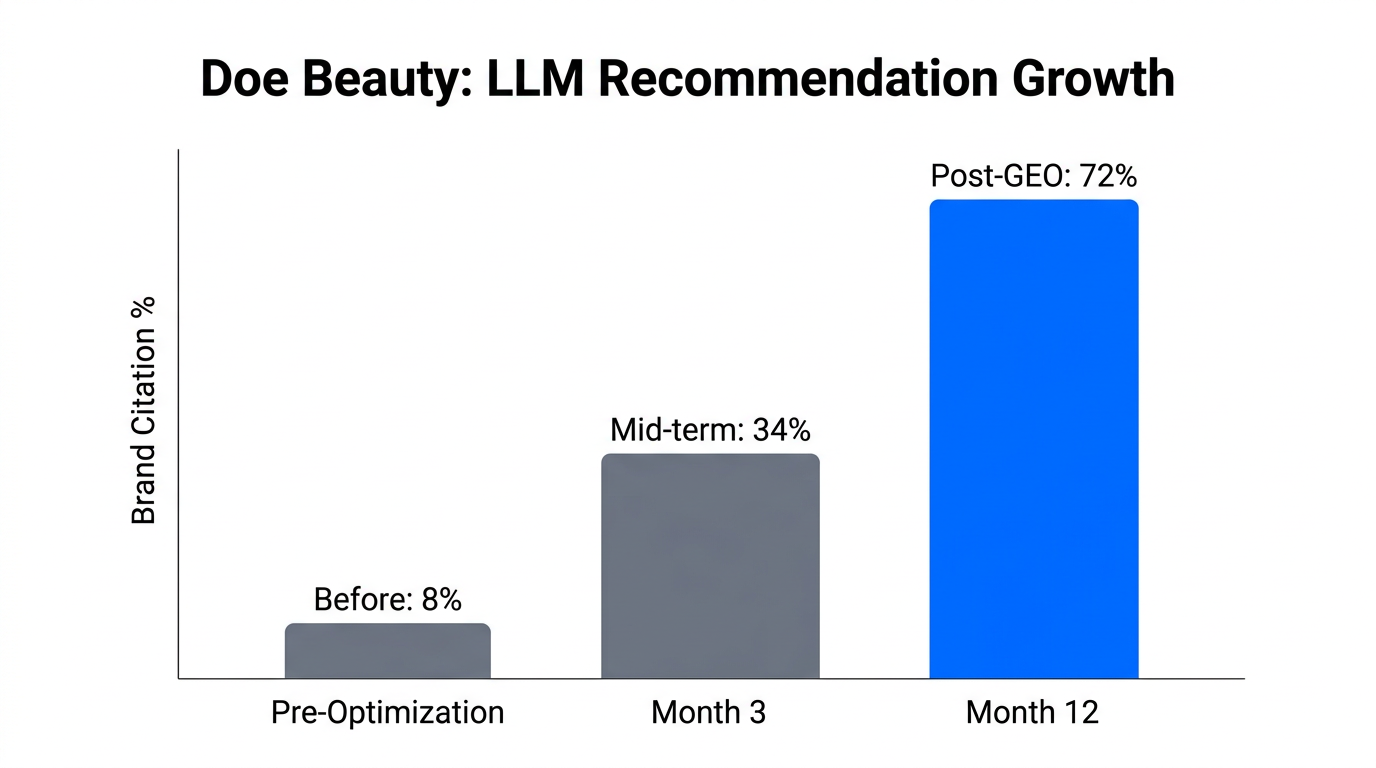
Real-world results prove the power of Generative Engine Optimization 2026. The cult-favorite brand Doe Beauty recently revamped their entire SEO strategy by moving toward automated, AI-driven audits. By integrating Shopify Flow with AI demand forecasting and technical audit agents, they were able to save $30,000 per week in potential lost revenue and manual labor costs.
Similarly, Peter Sheppard Footwear utilized AI-driven personalized navigation audits to resolve customer pre-sale objections automatically. This move led to a 30% increase in revenue. These brands aren't just using AI for content; they are using it to audit the entire customer journey, from search intent mapping via Surfer SEO to purchase-barrier identification via Marvyn AI.
Common 2026 AI SEO Mistakes to Avoid
As powerful as these tools are, they are not foolproof. Here are the three most common pitfalls we see Shopify merchants fall into when implementing an E-commerce GEO strategy:
- Bulk Content Without Human Oversight: Using AI to rewrite 10,000 descriptions overnight often results in "semantically identical" content. Industry experts warn that Google's Helpful Content systems now flag this lack of original insight, leading to site-wide de-ranking.
- Product Taxonomy Neglect: AI audit tools depend on clean data. If your "Sustainable" or "Organic" tags are applied inconsistently, even the Shopify AI SEO Booster won't be able to categorize your products correctly for LLM recommendations.
- Tool Sprawl and Code Bloat: Installing five different AI SEO apps can slow down your site speed—a critical ranking factor. Consolidate your stack into unified platforms like Luca AI which audit marketing, finance, and SEO in one place.
"SEO in 2026 is a game of precision, not volume. One highly authoritative, AI-optimized product page is worth more than a thousand generic AI-generated ones."
Conclusion: Your 2026 Playbook for AI Dominance
To succeed in the age of Generative Engine Optimization, Shopify merchants must stop thinking about search as a list of links and start thinking about it as a web of trusted data. By executing a 9-Point Schema Scan with the Shopify AI SEO Booster, ensuring crawlability for bots like OAI-SearchBot, and transitioning to autonomous agents, you position your brand to be the answer to every AI-driven customer query.
Remember that technical SEO is only half the battle. To truly win in LLM recommendations, you need social proof and content authority. Once your technical foundation is set, use Stormy AI to find and collaborate with the creators who will mention your brand across TikTok and YouTube, providing the cross-platform signals that tell AI engines your brand is the leader in its niche. The future of commerce is generative—make sure your store is ready to answer the call.