By early 2026, the ecommerce landscape has undergone its most radical transformation since the launch of the iPhone. We are no longer just selling to humans scrolling through TikTok or searching on Google; we are selling to AI shopping agents. These autonomous assistants, powered by models like ChatGPT and Gemini, now act as the primary interface for nearly 25% of high-intent ecommerce transactions. If your Shopify store isn't optimized for discovery by these agents, you aren't just losing SEO rankings—you're effectively invisible to the most profitable segment of the market.
The Rise of Agentic Storefronts: Why 'In Stock' is the New SEO
In the traditional era of ecommerce, performance marketers spent millions on keywords and backlinks. In 2026, the algorithm has changed. AI agents don't care about your keyword density; they care about fulfillment reliability and real-time availability. According to recent research from Nebulab, AI agents prioritize 'In Stock' status and 'Fast Shipping' over traditional SEO signals when recommending products to their users.
This shift has birthed the concept of the "Agentic Storefront." For an AI agent to recommend your product, it needs to be certain that the item is ready to ship immediately. An AI ecommerce employee like Stormy AI handles this by monitoring your inventory levels across Shopify and Amazon in the background, ensuring that your data feeds never show a stockout to an external agent.
"The difference between winners and losers in 2026 is 'pilot purgatory.' Only companies scaling AI to enterprise-wide operations are seeing the 20% cost reductions promised by the tech." — McKinsey & Company
| Feature | Traditional Ecommerce (2020-2024) | Agentic Commerce (2026) |
|---|---|---|
| Discovery Basis | Keywords & Backlinks | Inventory Status & Sentiment |
| Primary Interface | Web Browser / App | AI Chat / Voice Agents |
| Reordering Logic | Manual / Rule-based | Predictive / Autonomous |
| Trust Factor | Star Ratings | Verified Fulfillment Velocity |
Implementing 'Prompt-to-Flow' Architecture
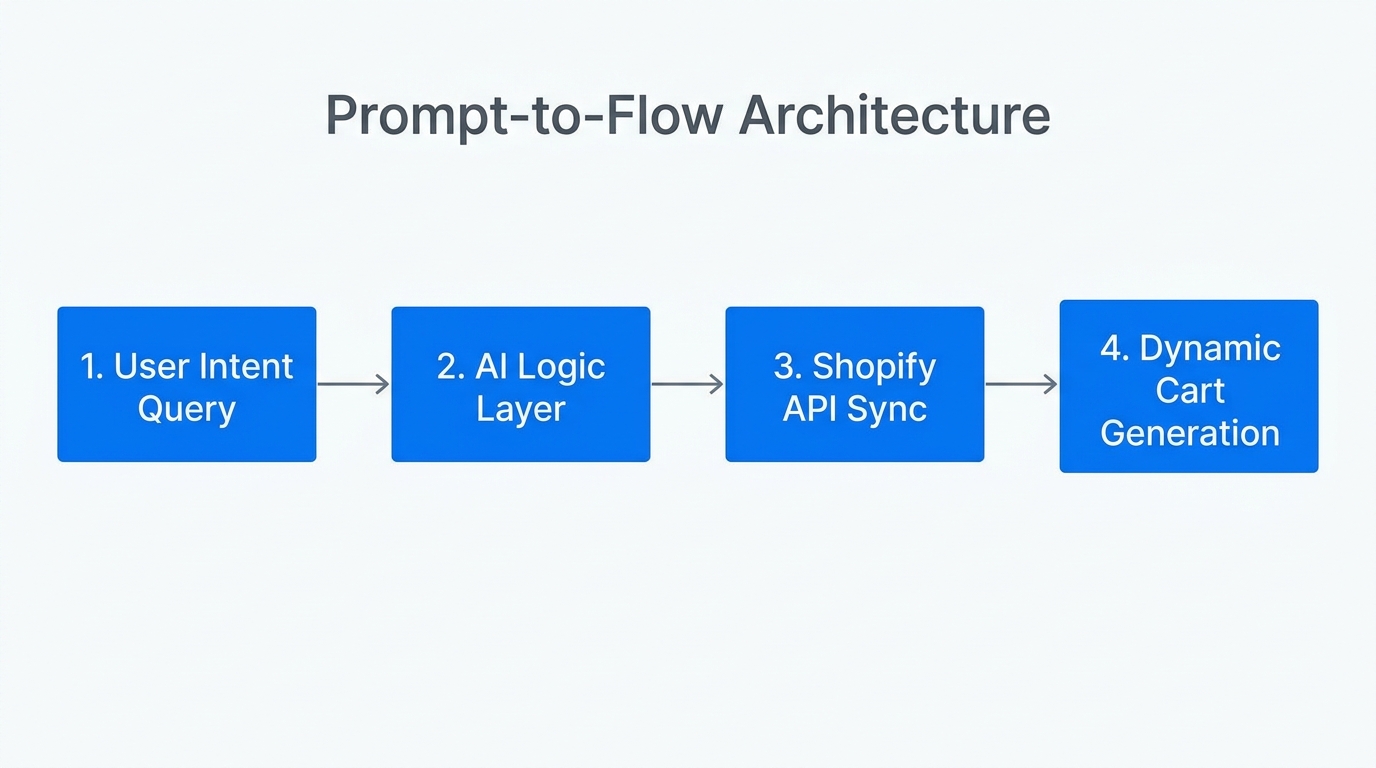
To make your store discoverable by external AI assistants, you must move beyond static product pages. The 2026 standard is the Prompt-to-Flow architecture. This involves using Shopify Flow to create dynamic data triggers that external agents can query via API.
Modern practitioners are now using the Shopify GraphQL API 2026-04 update, which introduces the mandatory @idempotent directive. This ensures that when an AI agent attempts to reserve stock or check a price, network lag doesn't cause double-adjustments—a critical fix for high-volume flash sales. To keep these flows running smoothly, Stormy AI can be tasked to audit your Flow logs daily, flagging any broken connections between your warehouse management system (WMS) and the agentic API endpoints.
Managing the 4% 'ChatGPT Checkout Tax'
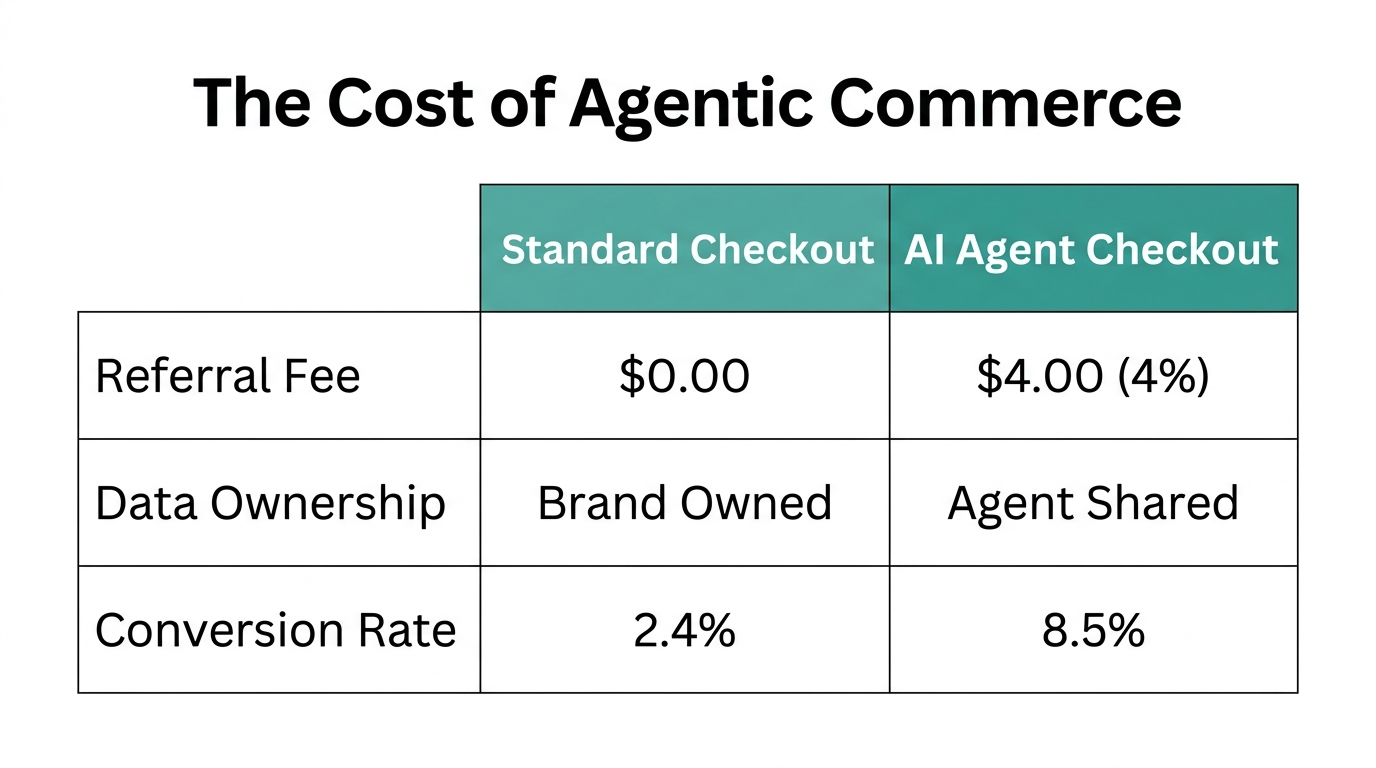
One of the most controversial shifts this year was the introduction of the 4% Agentic Transaction Tax. Since February 2026, transactions completed entirely within AI chat interfaces (like ChatGPT or Google Gemini) incur a direct fee from the platform provider ([Source: PYMNTS]).
While 4% may seem steep, the data suggests it is a net positive for margins. Orders originating from Agentic Commerce showed 15x growth between 2025 and 2026, often coming with a significantly higher Average Order Value (AOV) ([Source: TechnologyChecker]). The AI agent isn't just finding a product; it's building a curated bundle based on the user's past behavior, which naturally drives up the cart total.
Using 'Active Data' to Feed the Agentic Logic
Static inventory lists are dead. In 2026, successful Shopify stores use an Active Data Strategy. This involves integrating real-time social media sentiment from TikTok and Instagram directly into your storefront’s availability logic.
For example, if a specific SKU starts trending on TikTok, tools like Qualimero detect the sentiment surge. Stormy AI then picks up this signal, cross-references it with your current lead times, and proactively drafts a Purchase Order (PO) to your supplier before the stockout even happens. This "Sense-Plan-Execute" workflow is what allows brands like Chiikawa Market to achieve 5x GMV growth without fulfillment bottlenecks.
"AI is like a 'co-founder' for merchants... it knows everything about their business and proactively tells them what to prioritize." — Harley Finkelstein, President of Shopify
ROI Benchmarking: Why Agentic Commerce is Winning
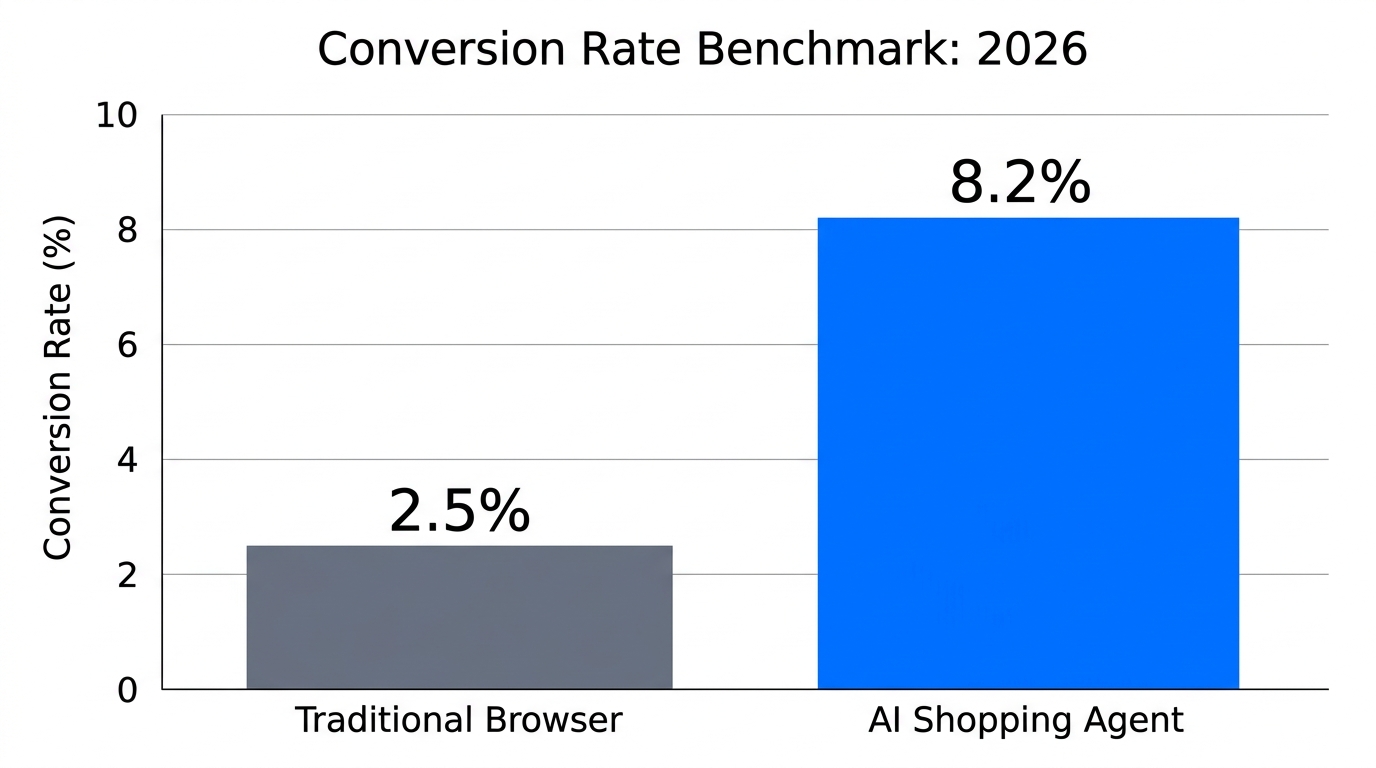
The financial impact of AI-driven supply chains is no longer theoretical. Merchants using AI demand planning report a 15%–25% reduction in inventory costs and an 18% increase in conversion rates ([Source: Icecube Digital]).
Furthermore, brands leveraging Prediko for PO automation have decreased stockout rates from 4% to 1% in under 60 days. This level of precision is required because AI agents will "blacklist" stores that frequently fail to fulfill orders. In the agentic world, a single "out of stock" event can de-rank your product for weeks across the entire LLM ecosystem.
The 2026 Agentic Implementation Playbook
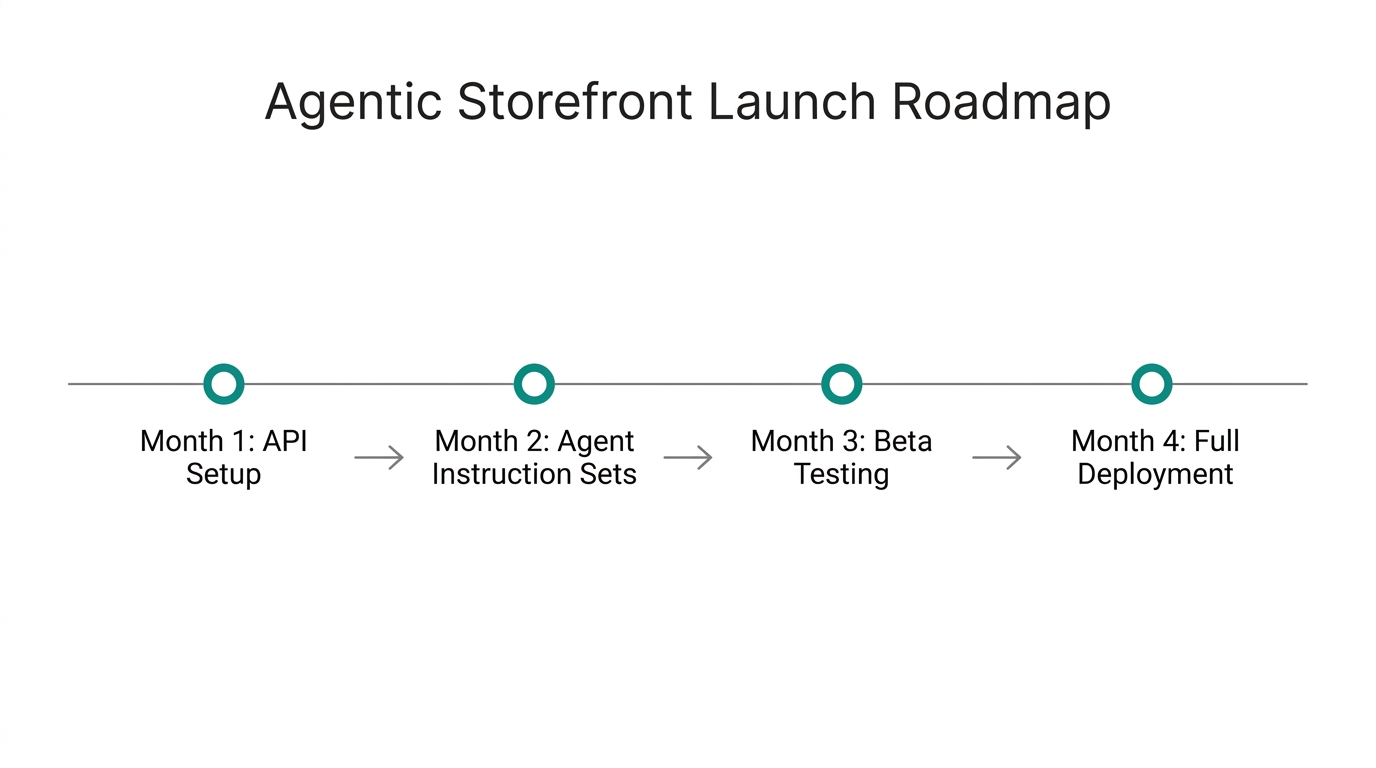
If you are a founder or performance marketer looking to stay ahead of the curve, follow this step-by-step playbook to optimize for AI agents.
Step 1: Clean Your Data Hygiene (GIGO)
AI agents are literal. If your product attributes (size, weight, material) are inconsistent, the agent will skip your listing to avoid a "hallucination" risk. Merchants report spending 40% of their implementation time just cleaning legacy data ([Source: Qualimero]). Use Stormy AI to scan your Shopify catalog for missing metadata and broken variants.
Step 2: Activate Sidekick Pulse
Ensure Shopify Sidekick Pulse is integrated into your Home Feed. This proactively identifies demand spikes before they appear in sales reports. Set a rule for Stormy AI to monitor these Pulse alerts and notify your fulfillment team via Slack if a regional warehouse drops 20% below its safety stock.
Step 3: Migrate from Scripts to Functions
As of June 30, 2026, all inventory and checkout logic must be migrated to Shopify Functions. Failure to do so will break your checkout for AI agents. This is a non-negotiable technical requirement for the "Renaissance Edition" of Shopify.
Conclusion: The Future of Shopify SEO
The future of Shopify SEO isn't found in a blog post or a meta tag; it is found in your supply chain. In 2026, your ability to maintain 99%+ stock availability and sub-2-day shipping is what determines your visibility in the agentic market. By implementing a Prompt-to-Flow architecture and hiring an AI ecommerce employee like Stormy AI to manage the messy back-office follow-ups, you can focus on brand building while the agents handle the transactions.
The 4% agentic tax is a small price to pay for a channel that grows 15x faster than traditional search. The era of "browsing" is ending. The era of "agentic fulfillment" has begun.