ShipStation vs ShipBob 2026: Choosing the Right Fulfillment Partner for Shopify and Amazon FBA Sellers
A data-driven comparison of ShipStation vs ShipBob 2026. Explore pricing, AI fulfillment features, and how to automate your Shopify and Amazon FBA logistics.
In 2026, the boundary between a "software tool" and a "logistics partner" has completely dissolved. For mid-market brands scaling on Shopify or managing complex Amazon FBA and FBM (Fulfilled by Merchant) workflows, the choice between ShipStation and ShipBob is no longer just about labels and boxes—it is about which AI-driven ecosystem will control your customer's delivery experience and your bottom line. As the global ecommerce fulfillment market reaches a staggering $154.31 billion this year, the stakes for getting your logistics stack right have never been higher. Whether you are battling 18% surges in last-mile costs or trying to meet the expectations of AI shopping agents that prioritize "Estimated Delivery Dates" above all else, your fulfillment strategy is now your primary competitive advantage.
The 2026 Logistics Landscape: AI and the $154B Market
The ecommerce world has transitioned from the post-pandemic correction into what experts call the "AI-enablement" era. According to recent data from Mordor Intelligence, the fulfillment market is growing at a CAGR of 11.62%, driven largely by the need for hyper-local delivery. In North America alone, the market is estimated at $38.7 billion in 2026, representing nearly a quarter of global spend, as reported by Capital One Shopping.
Today, 57% of ecommerce companies now outsource their fulfillment to 3PLs like ShipBob, while roughly 60% of retailers continue to use standalone shipping software like ShipStation for at least a portion of their in-house operations. This "hybrid" approach is where Stormy AI, your autonomous AI ecommerce employee, thrives—managing the messy back office by connecting these disparate tools into a single, cohesive workflow.
"2026 is the year of AI enablement. The industry is rebuilding the foundation of clean data before AI can autonomously orchestrate delivery networks." — Tiago Paiva, Logistics Analyst.
ShipStation: The SaaS Control Tower for In-House Mastery
For brands that prefer to keep their "hands on the boxes," ShipStation remains the gold standard of shipping SaaS. Now part of the Auctane group—which generates over $1 billion in annual revenue according to Crunchbase—ShipStation has evolved into a sophisticated "Intelligence" platform. The 2026 rollout of ShipStation Intelligence has introduced AI-automated carrier selection, which early pilot results show can reduce shipping costs per order by 10-20%.
ShipStation's biggest advantage is its flexibility. It connects to over 200 global carriers and marketplaces. For an Amazon FBM seller, ShipStation allows you to maintain total control over the unboxing experience while leveraging the newly integrated heavy freight (LTL/FTL) capabilities following the Auctane merger with WWEX Group. However, this control comes with a price. Users on Reddit have flagged significant "price creep," with some mid-market accounts seeing monthly costs jump from $400 to $1,500 due to new API fees and mandatory support upgrades.
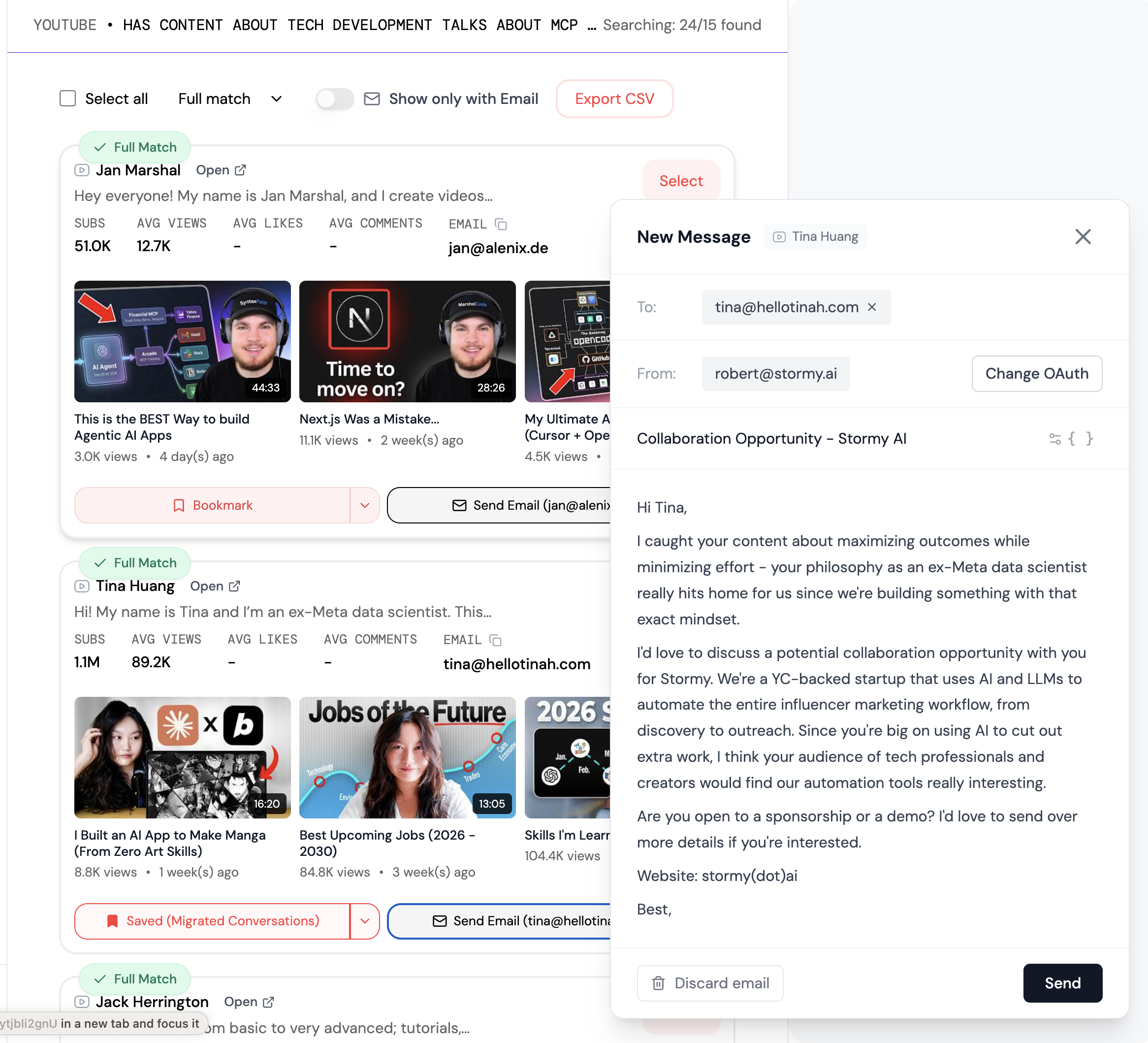
When you use Stormy AI alongside ShipStation, the AI employee acts as the ultimate warehouse manager. Stormy can monitor your ShipStation dashboard, flag orders that are stuck in "Awaiting Shipment," and even draft polite follow-up emails to carriers if a package hasn't seen a scan in 24 hours. This prevents the manual "logistics babysitting" that eats up 30+ hours of a founder's week.
ShipBob: The Global 3PL Powerhouse for Scaling Brands
If ShipStation is the tool you use to ship, ShipBob is the partner that ships for you. Valued at roughly $4 billion as it eyes a 2026 IPO according to Sacra, ShipBob has pivoted from being a simple warehouse provider to a technology-first fulfillment network.
The centerpiece of their 2026 strategy is the Inventory Placement Program (IPP). By distributing stock across at least three hubs (East, West, and Central), brands can reduce shipping zones by 15% and cut delivery times from a 6-day average down to just 2.5 days. This speed has a direct impact on revenue: brands using ShipBob's "2-Day Express" labels see an average 18.4% increase in cart conversion.
| Feature | ShipStation | ShipBob |
|---|---|---|
| Model | Shipping SaaS (In-house) | 3PL Fulfillment (Outsourced) |
| 2026 Min. Cost | $14.99/mo | $275/mo (Fulfillment Minimum) |
| AI Suite | ShipStation Intelligence (Rates) | IPP (Inventory Placement) |
| Storage | N/A | $40/pallet, $5/bin |
| Setup Fee | $0 | $975+ |
ShipBob has also innovated with Foreign-Trade Zone (FTZ) warehouses. These allow international brands to import goods into the US duty-free until the moment they are sold. However, scaling with ShipBob requires navigating complex billing. Between the 3% USD dashboard fee and peak season storage surcharges, your Stormy AI agent becomes essential for auditing invoices. Stormy can pull your ShipBob billing CSV, compare it against your actual fulfillment volume, and flag any "hidden fees" that don't align with your contract.
The Trade-off: Control vs. Scalability
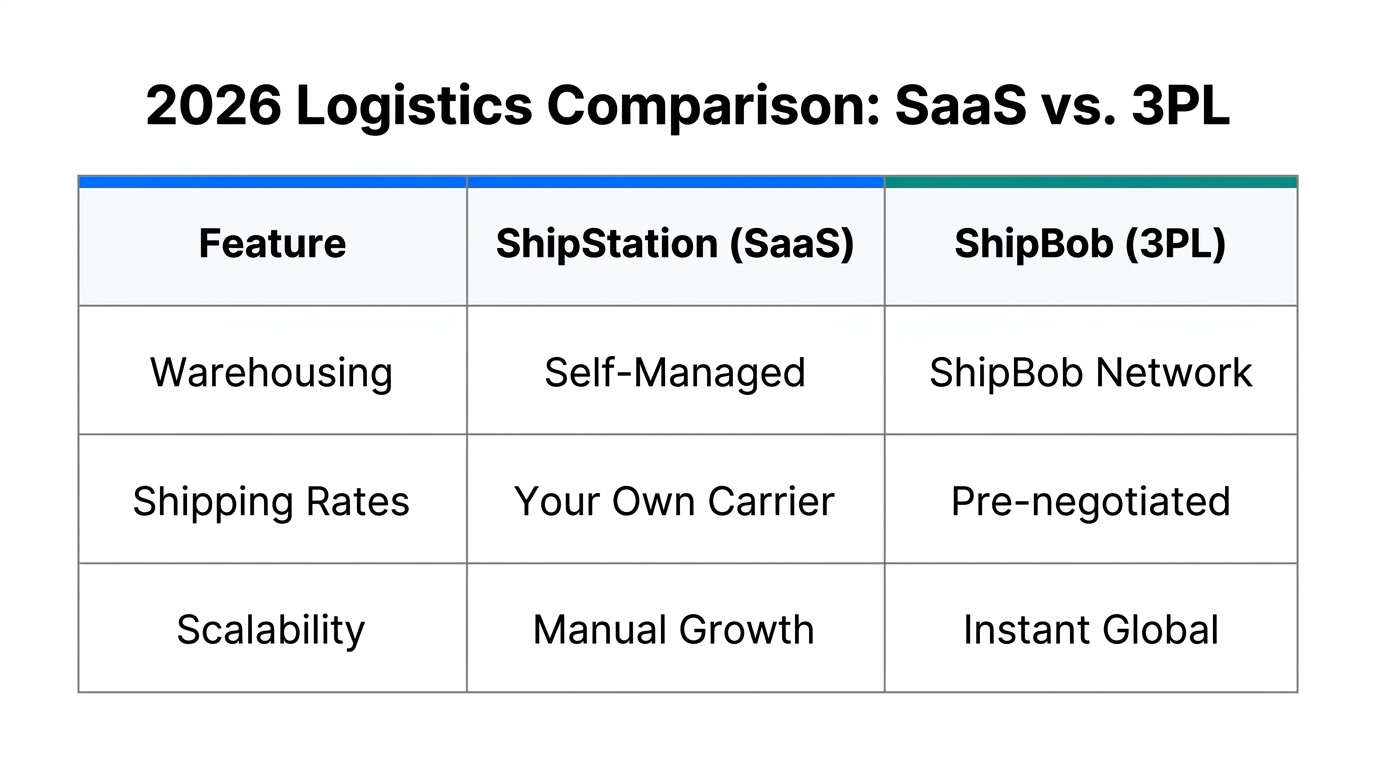
Choosing between these two depends on where your brand sits on the maturity curve. In 2026, many mid-market brands are facing the "Flexport Exit" effect. Since Flexport implemented a $5,000 monthly minimum, smaller merchants have flooded ShipBob, leading to occasional onboarding bottlenecks. If your brand does high-volume, high-customization orders (e.g., personalized kitchenware), ShipStation's hands-on approach might save you millions in labor costs that would otherwise go to 3PL pick-and-pack fees.
Conversely, luxury brands like Aroma360 have used ShipBob's global network to save $6 per order while cutting shipping times by 88%. The scalability of a 3PL means you don't have to worry about hiring warehouse staff during Q4 or leasing more square footage. You simply send the inventory, and ShipBob handles the rest.
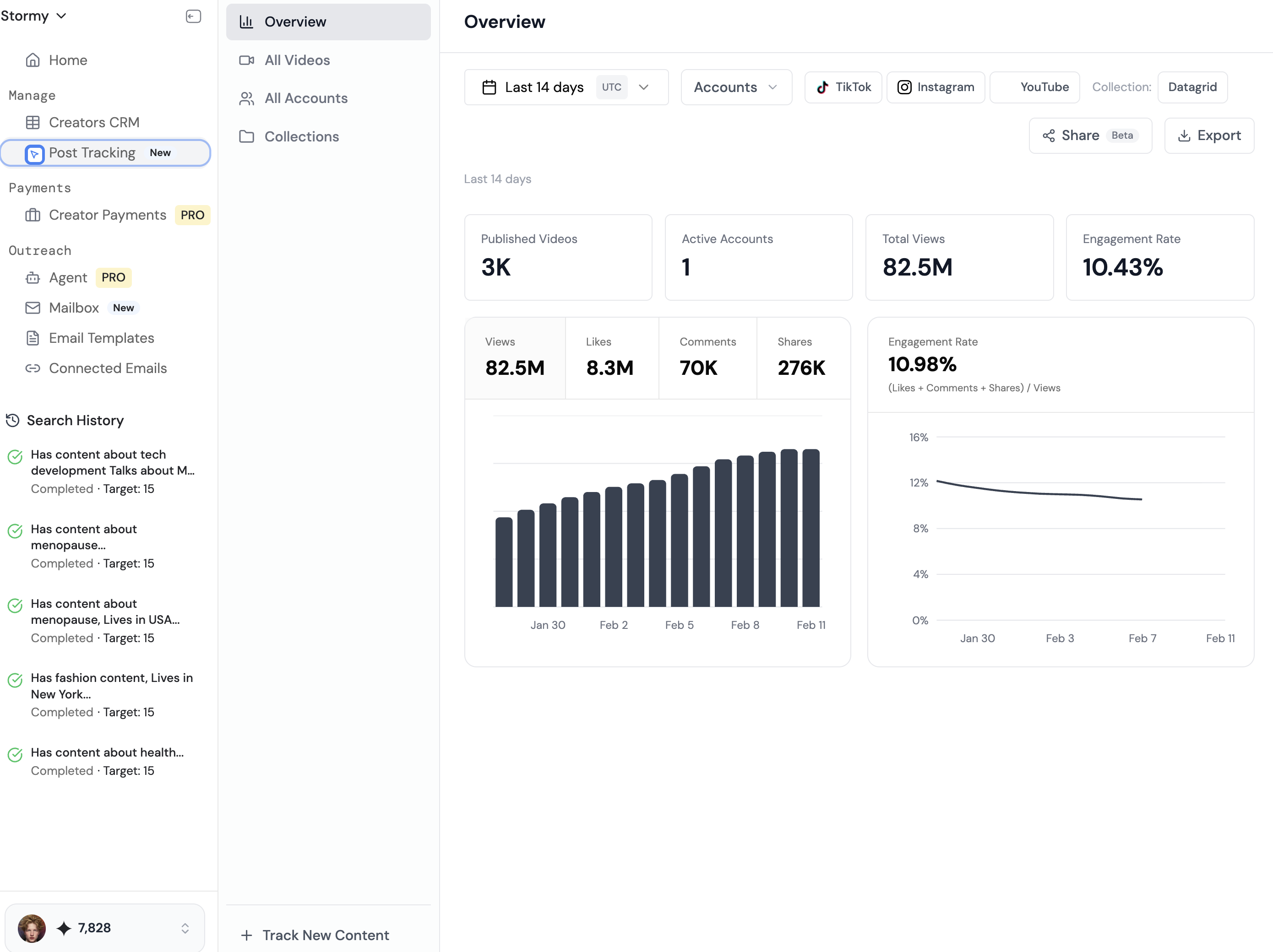
One major pain point in 2026 is inventory discrepancies. ShipBob has faced verified complaints regarding 5-day "receiving lags," which can cause artificial stockouts on your Shopify storefront. This is exactly where an AI teammate like Stormy AI is invaluable. Stormy monitors your warehouse receiving status and automatically updates your Shopify inventory levels or flags the delay to your supplier, ensuring you don't lose sales due to data lag.
The Hybrid Strategy Playbook for 2026
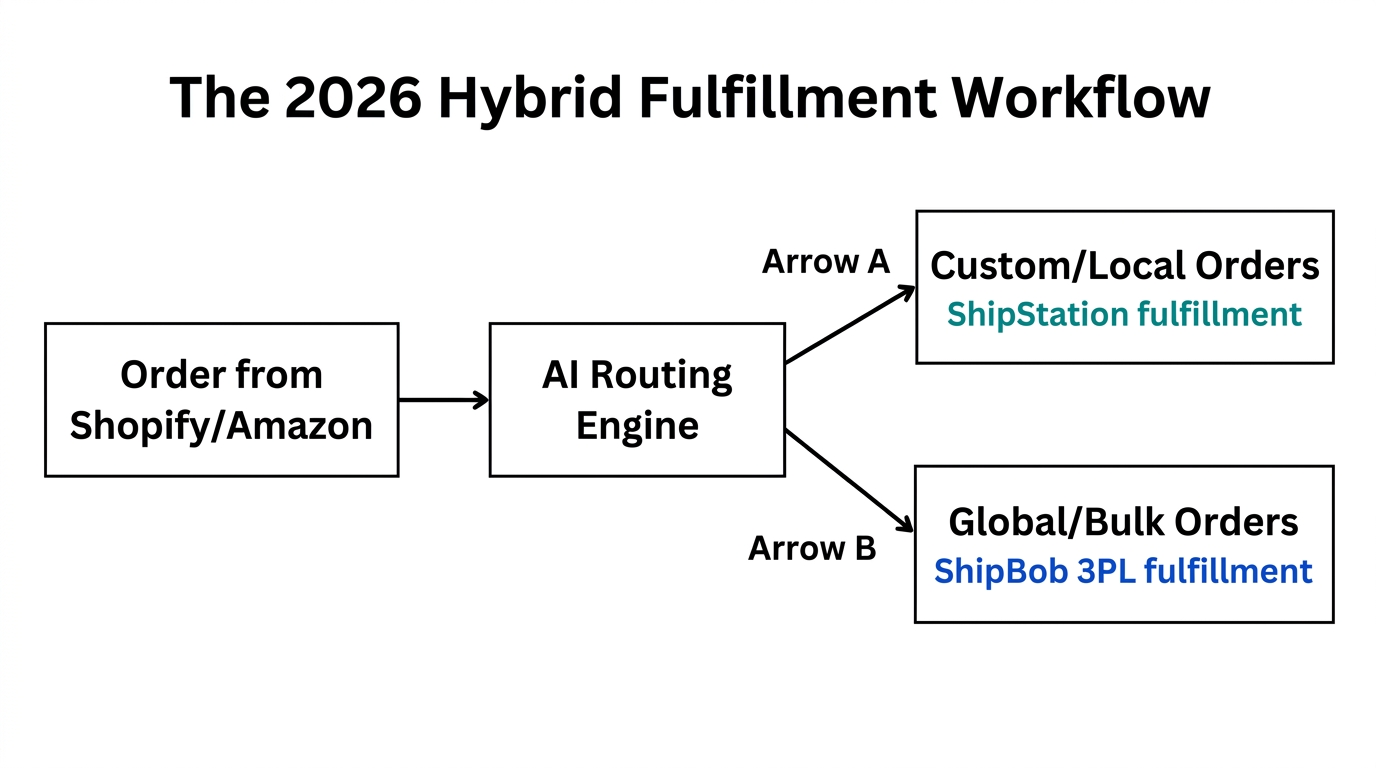
The most successful brands in 2026 don't choose just one; they use a hybrid model. They manage Amazon FBM and custom items in-house via ShipStation, while using ShipBob for their core DTC catalog. Here is the step-by-step playbook to set this up:
Step 1: Integrate for Data Continuity
Connect ShipStation to ShipBob via the API. This allows you to sync historical order data and maintain a single source of truth for your customer profiles. Stormy AI can manage this connection, ensuring that tracking numbers from both systems flow back to your Shopify dashboard without manual entry.
Step 2: Implement Routing Rules
Set up "Routing Rules" in ShipStation to "Exclude" orders that contain ShipBob-fulfilled SKUs. This prevents double-billing for labels and ensures that your in-house team only sees the orders they actually need to pack. You can ask Stormy AI to review these rules weekly to ensure no new SKUs are falling through the cracks.
Step 3: Leverage the Inventory Placement Program
For your ShipBob-fulfilled items, use the IPP to distribute stock to at least 3 hubs. This typically reduces shipping zones by 15% and ensures your AI-driven "Estimated Delivery Date" on your product pages remains competitive. Stormy AI can monitor stock levels at each hub and suggest "rebalancing" transfers before one region runs dry.
"Logistics has been stitched together across too many vendors. In 2026, we are giving merchants enterprise-grade reporting to proactively identify delivery risks." — Kelly Vincent, CPO at ShipStation.
Risks to Watch: Price Creep and Storage Surcharges
No fulfillment partner is perfect. In 2026, the biggest risk with ShipStation is the SaaS fatigue. As Auctane consolidates the market, pricing for "Starter" and "Bronze" plans has increased significantly, and phone support is increasingly locked behind premium tiers. If you are a high-volume seller, you must budget for the "Premium" or "Enterprise" tiers to get the uptime and support you need.
For ShipBob, the risk lies in storage costs and inventory loss. Verified reports on the Better Business Bureau (BBB) have highlighted instances where merchants lost thousands in inventory due to "unauthorized disposal" or damaged goods during shipment splitting. To mitigate this, Stormy AI can maintain a living "inventory audit" spreadsheet, cross-referencing your manufacturing POs against ShipBob’s "received" counts and flagging any discrepancies the moment they happen.
Final Verdict: Which Should You Choose?
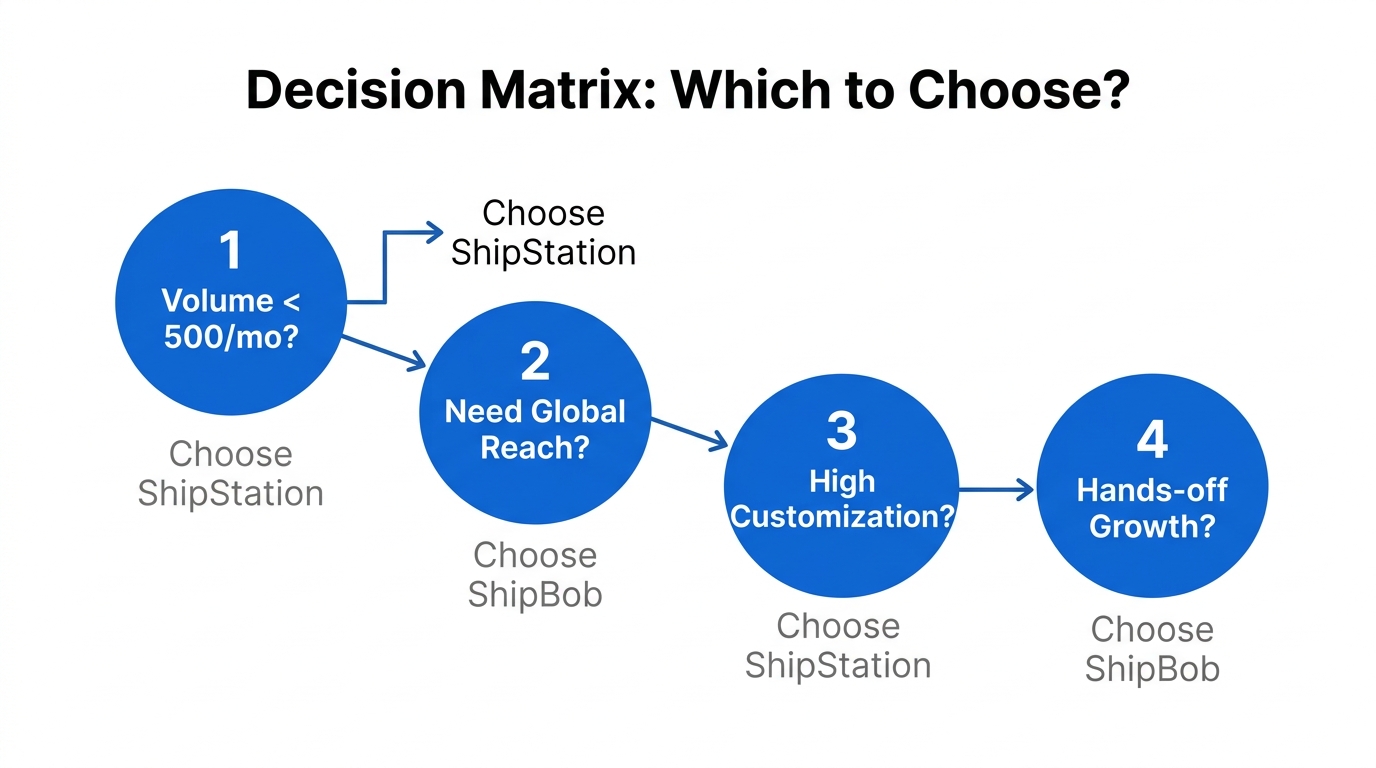
In 2026, the choice is clear but specific. You should choose ShipStation if you are a mid-market brand aiming to reduce tech sprawl and want to use AI to shave 15% off shipping costs while maintaining 100% control over your warehouse and unboxing experience. It is the best choice for brands with highly complex, custom, or fragile products that a 3PL might struggle to handle with care.
You should choose ShipBob if you are scaling globally and need to leverage a massive warehouse network to provide 2-day shipping without the headache of managing staff and leases. It is the winner for high-growth DTC brands that want to save 30+ hours a week on operations and use features like FTZ warehouses to avoid international duties.
Regardless of your choice, the key to winning in 2026 is logistics automation. By putting an AI ecommerce employee like Stormy AI in charge of monitoring these platforms, you ensure that your shipping rates stay low, your inventory stays accurate, and your customers always get their packages on time. Stop spending your weekends in a spreadsheet—let the AI handle the messy back office while you focus on building your brand.