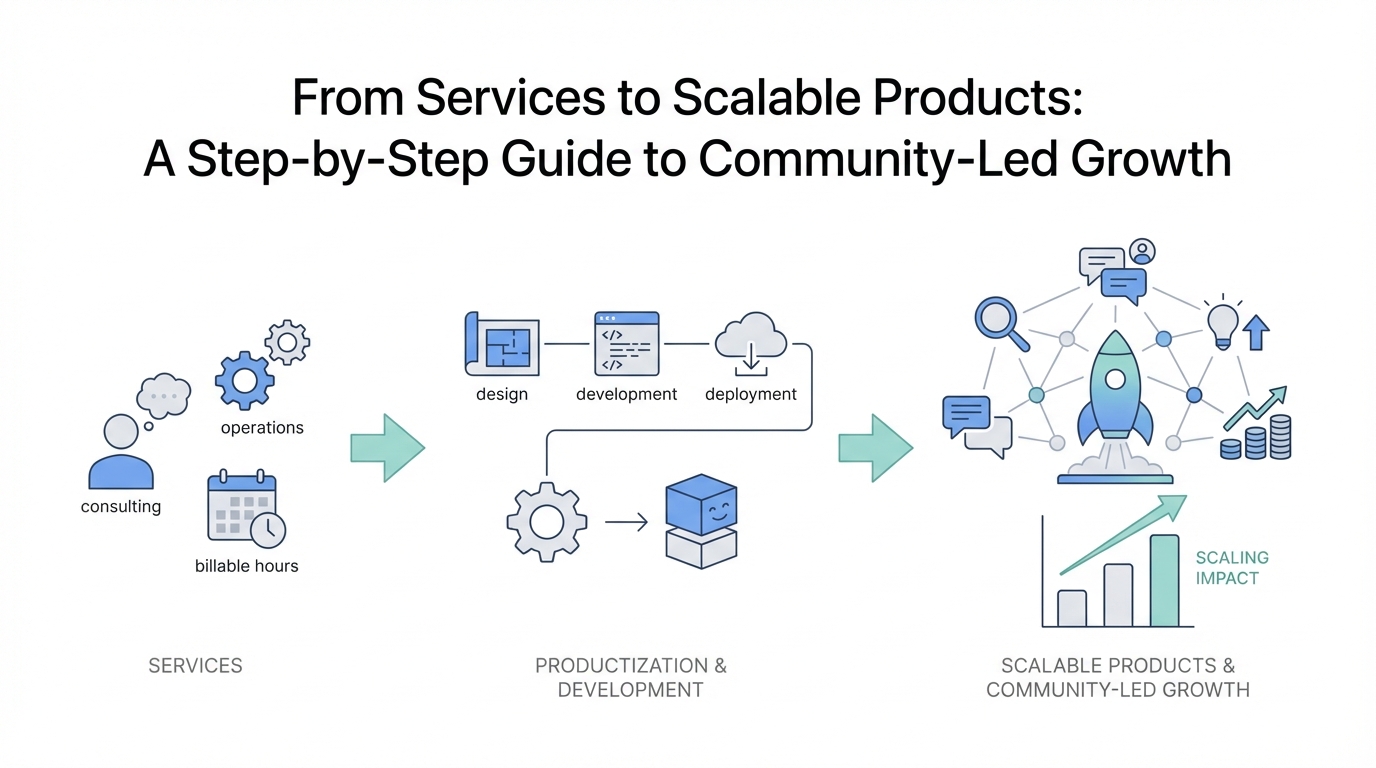
For most agency owners and high-end freelancers, the ultimate goal is to stop trading hours for dollars. You’ve likely spent years honing a specific craft—be it design, copywriting, or strategy—only to find yourself stuck in a cycle of endless client revisions and fluctuating monthly revenue. The traditional path out of this 'service-for-hire' trap often involves trying to sell digital products, but most fail because they treat their product launch like a cold sales pitch rather than an extension of a thriving ecosystem. According to research from the Harvard Business Review, this transition requires more than just a landing page; it requires a fundamental shift toward community-led growth.
The 'Lead-Gen System' Trap: Why Sharing Client Work Fails
Many creators start their journey on X (formerly Twitter) by sharing their portfolio as a 'lead-gen system' for their agency. This was exactly how Jack Butcher, the founder of Visualize Value, began his transition. After working with major brands like Ralph Lauren at his New York design agency, he launched a new agency called Opponent. As detailed in his Indie Hackers case study, he began posting minimalist black-and-white graphics on social media to drive demand for his agency services. However, he quickly realized that sharing client work was a dead end for building a massive brand.
The problem with using client work to monetize social media audience growth is that client projects are often niche, technical, or simply boring to a general audience. As noted by entrepreneur Greg Isenberg, no matter how beautiful a supply chain logistics graphic looks, it rarely goes viral. When you share work designed for a specific corporate problem, you limit your reach to people with that specific problem. To scale, you must pivot from solving one client's problem to solving a universal conceptual problem through digital product marketing.
The Permissionless Apprentice: Building an Audience from Scratch

If you aren't already a world-renowned philosopher or business mogul, how do you find content that resonates? Jack Butcher solved this by becoming a Permissionless Apprentice. Instead of waiting for a high-profile client to give him a brief, he took existing, high-value concepts from thinkers like Naval Ravikant and visualized them using his unique style. This allowed him to borrow credibility from established figures while showcasing his own proprietary talent for simplification.
By producing 10 to 12 high-quality graphics per day, he signaled extreme consistency to his growing community-led growth engine. This strategy works because it positions you as a curator and a translator of complex ideas. When you demonstrate value without asking for anything in return, you naturally build an audience that trusts your taste. This is the first critical stage of the ACP funnel: building an Audience by being 'loud on the internet' and providing consistent, recognizable value.
Identifying 'Signals' in Your Comments: How to Find Your Product
The most common mistake in an online course business plan is building the product before you have the community. You shouldn't have to guess what people want to buy; they will tell you if you listen to the 'signals' in your mentions. For Jack Butcher, the signal came from David Perell, a well-known writer who publicly tweeted that he would love to learn how to design like Visualize Value. This single tweet acted as a market validation tool more powerful than any expensive research report.
Instead of rushing to build a $500 course immediately, Jack engaged with his community to verify interest. He asked his followers if they wanted to see his process, and the overwhelming response confirmed the demand. By using social media as a real-time feedback loop, you ensure that your digital product marketing efforts are focused on a solution that people are already begging for. This turns the community into co-creators of the eventual product.
Step-by-Step: Developing Your Minimum Viable Product (MVP)
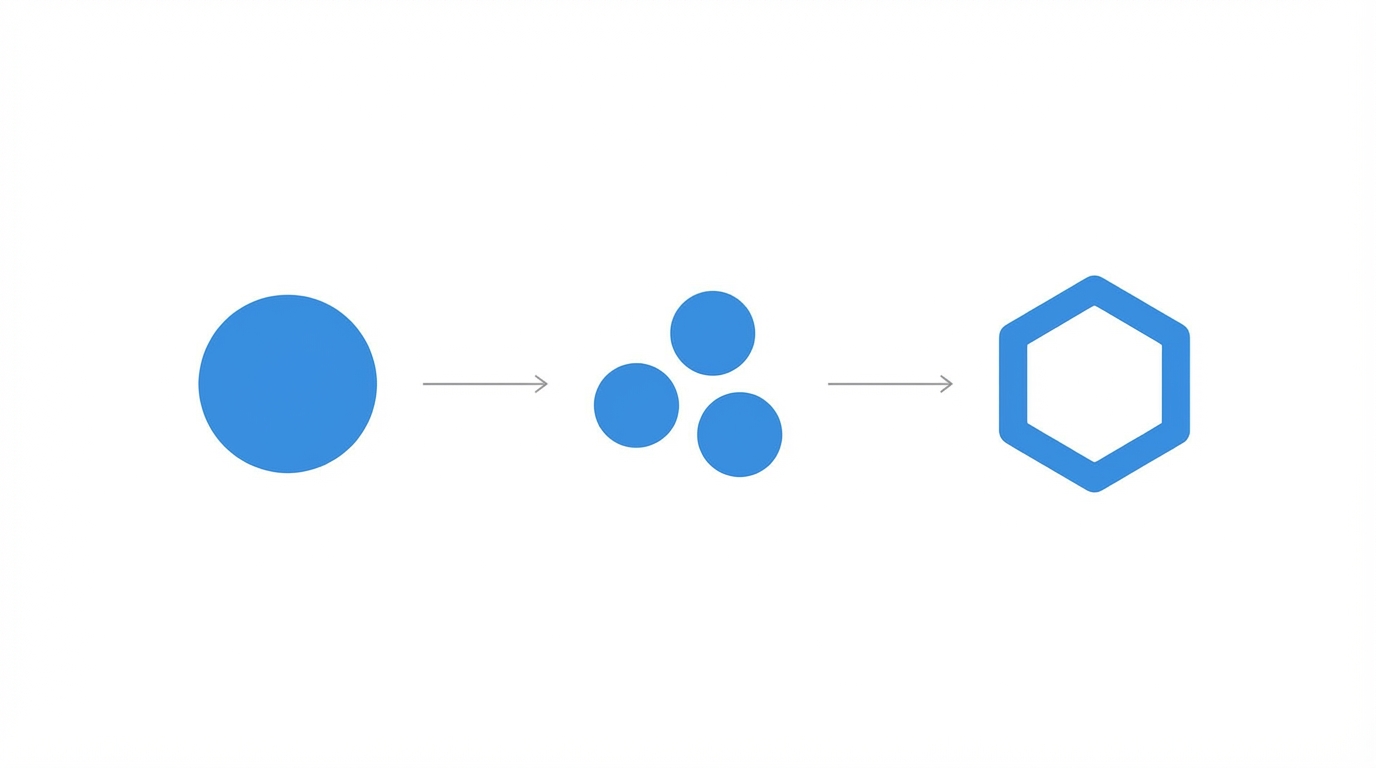
Once you have a signal, your next step is to validate the willingness to pay with an MVP. You don't need a 40-hour video curriculum to start. You need a low-friction entry point that solves a specific, immediate problem for your audience. For many creators, this looks like a simple PDF or a template sold via platforms like Gumroad.
Step 1: Package Your Internal Systems
People often care more about how you do your work than the work itself. Jack's audience was fascinated by his productivity, so he packaged his personal scheduling system into a $19 PDF called the Daily Manifest. This product cost almost nothing to produce but served as a crucial filter to identify who in his audience was a 'buyer' versus just a 'follower.'
Step 2: Transition from Audience to Community
Every person who purchased the $19 PDF was added to a digital community on a platform like Circle. This is where the magic of community-led growth happens. You move from a one-to-many broadcast relationship (Audience) to a many-to-many relationship (Community). In this stage, your customers start talking to each other, helping each other, and providing you with even more data on what they need next.
Step 3: Build the Flagship Product
With a small group of paid users, you can now build your high-ticket item. For Jack, this was the Build Once, Sell Twice course. Because he had the buy-in from his community from day one, he didn't need a massive advertising budget. The product was built to solve the specific pains his community had already voiced during the MVP stage.
Why Community-Led Products Achieve 99% Profit Margins

Traditional business models often suffer from high Customer Acquisition Costs (CAC). If you are running Meta Ads or Google Ads, a large chunk of your revenue goes right back into the pockets of the ad platforms. In a community-led model, your marketing is organic. Because you've already built the trust and the distribution channel, your digital product marketing costs drop to near zero.
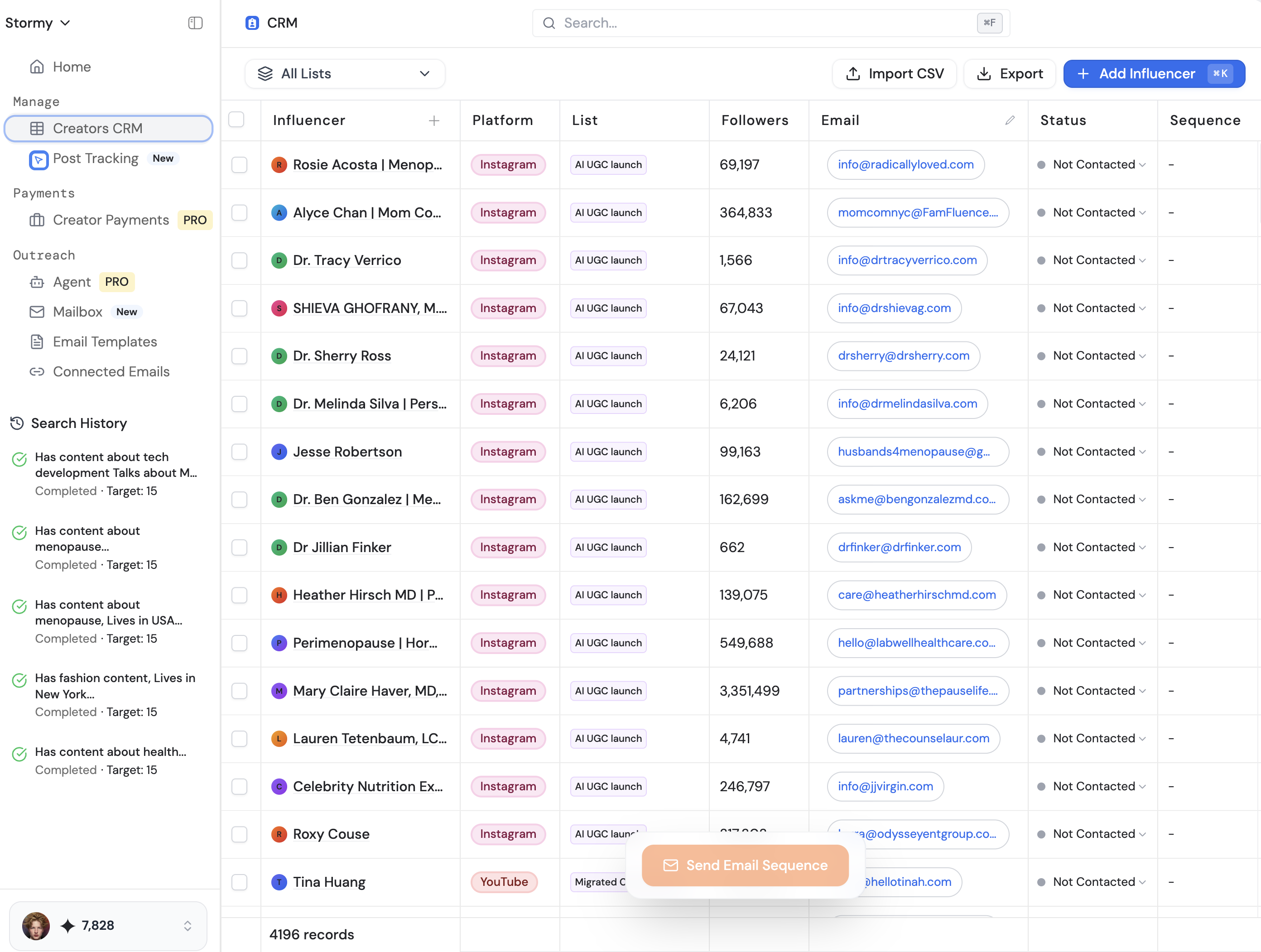
Jack Butcher reported reaching $180,000 in monthly revenue with margins hovering around 99%. This level of efficiency is only possible when your community acts as your sales force. When users see success with your MVP, they naturally become advocates for your flagship products. To manage this scale, tools like Stormy AI can help creators manage relationships and outreach to other influencers who can further amplify the community's reach without the need for traditional paid media spend.
Beyond the Course: Expanding Your Digital Product Line
A core community is an asset that can be leveraged across multiple verticals. Once you have established trust through a successful online course, you can begin to expand your product line into other areas that serve the same audience. The online course business plan should eventually evolve into a multi-faceted brand ecosystem, perhaps managed through an e-commerce storefront like Shopify.
Jack Butcher didn't stop at courses. He expanded into:
- Merchandise: Physical representations of the Visualize Value aesthetic.
- Tools: Digital assets and templates that help businesses implement his design philosophy.
- NFTs and Web3: Leveraging blockchain technology to offer unique ownership and access to his most loyal supporters.
- Collaborations: Partnering with other experts like Thomas Frank to bring the ACP funnel logic to different niches.
When you have a deeply engaged community, your expansion is limited only by your ability to listen. By maintaining a Creator CRM or using discovery tools to find new collaborators, you can keep the community fresh and continuously growing. Modern platforms like Stormy AI allow creators to find and vet potential partners who align with their community's values, ensuring that every new product or collaboration feels like a natural evolution rather than a cash grab.
The Path Forward for Service Providers
Exiting the 'time-for-money' trap is not an overnight process, but the ACP funnel provides a repeatable roadmap. Start by being loud on the internet. Create a design or content format that is uniquely yours. Become a permissionless apprentice to build your initial Audience. Listen to their struggles, launch an MVP to form a Community, and finally, build the Product that solves their specific needs. By focusing on community-led growth, you aren't just building a business; you're building an asset that earns while you sleep, with margins that would make any traditional agency owner envious. The tools and the blueprint exist—now you just have to start visualizing your own value.