By 2026, the landscape of B2B marketing has undergone a seismic shift. The "spray and pray" SEO strategies of the early 2020s—characterized by 800-word listicles and generic "how-to" guides—have been rendered obsolete by the saturation of AI-generated filler. In this hyper-competitive environment, a new breed of media company is emerging as the gold standard for growth. Leading this charge is SemiAnalysis, a publication that has transformed from a niche Substack into a high-signal research engine capable of moving billion-dollar markets.
For modern B2B brands, the lesson is clear: authority is no longer about volume; it is about proprietary signal. Whether you are selling enterprise software, manufacturing services, or financial tools, the 2026 playbook for brand building requires a transition from being a "content creator" to becoming an institutional research authority. This article analyzes the SemiAnalysis business model and explores how your brand can replicate its niche media growth strategy to establish dominance in your industry according to Harvard Business Review standards.
The Shift to 'Proprietary Signal' Research
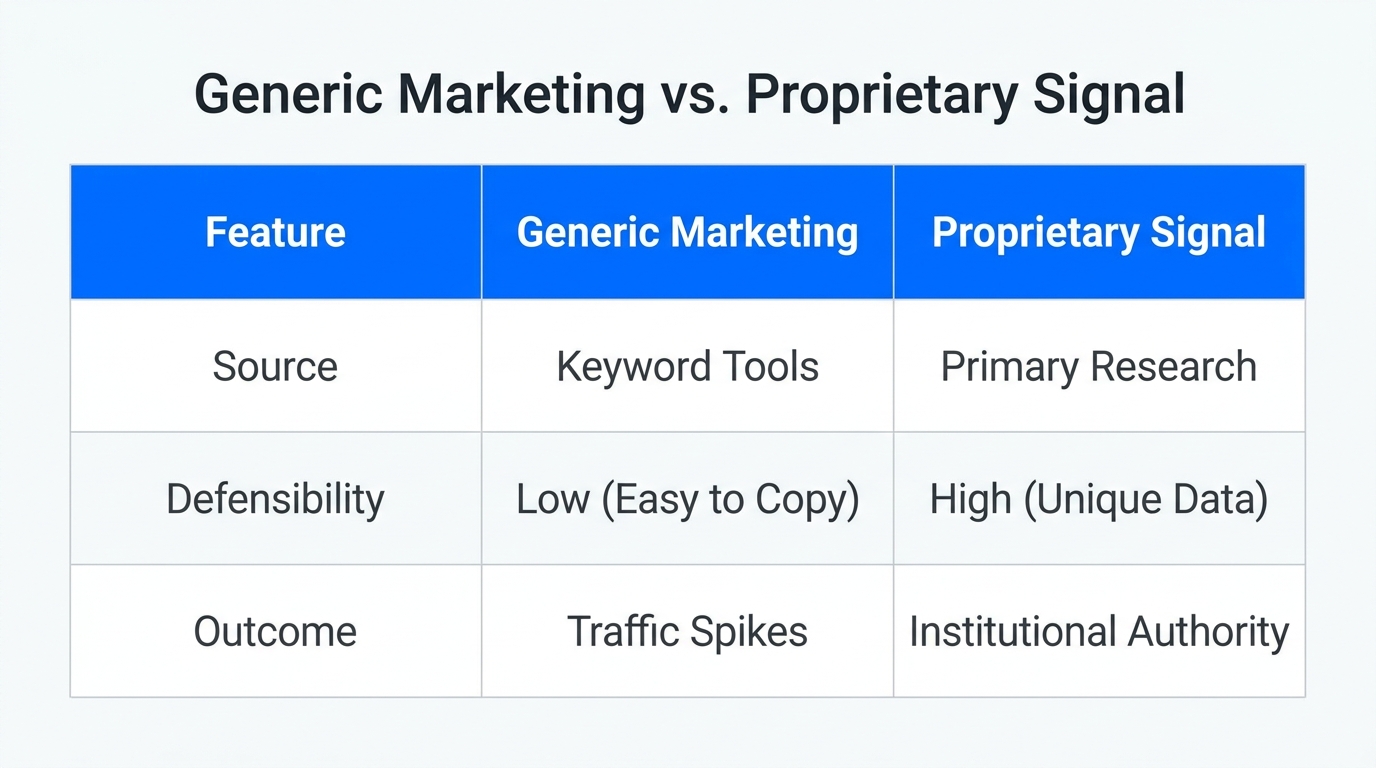
In the current market, generalist content is a commodity. Decision-makers at trillion-dollar companies don't need another "intro to AI" post; they need to know the specific megawatts, flops, and cabling architectures of the latest GPU clusters. This is where SemiAnalysis wins. They don't just summarize news; they conduct deep-dive technical analysis into semiconductor and AI infrastructure buildouts that others cannot replicate. This is what we call "Proprietary Signal."
| Feature | Old-School B2B Content | 2026 Proprietary Signal |
|---|---|---|
| Primary Goal | SEO Traffic & Lead Gen | Institutional Authority & Trust |
| Writer Type | Generalist Content Writer | Specialized Technical Analyst |
| Monetization | Indirect (Ad-based or Funnels) | Direct (Data Models) & High-Ticket Retainers |
| Audience | Broad Persona Groups | Hedge Funds, Banks, & C-Suite |
By focusing on high-signal research, SemiAnalysis has positioned itself as the "Moody's for AI." Just as Moody's became an $80 billion business by providing essential credit ratings during the railroad boom, SemiAnalysis is providing the essential data for the AI infrastructure era. This approach creates a "moat" around the brand: while competitors are fighting for keywords, SemiAnalysis is becoming the source material for the entire industry.
"In the age of AI, the only defensible content is the kind that requires satellites watching parking lots and boots on the ground to produce."
Tiered Monetization: From Newsletters to Excel Models
 52:53
52:53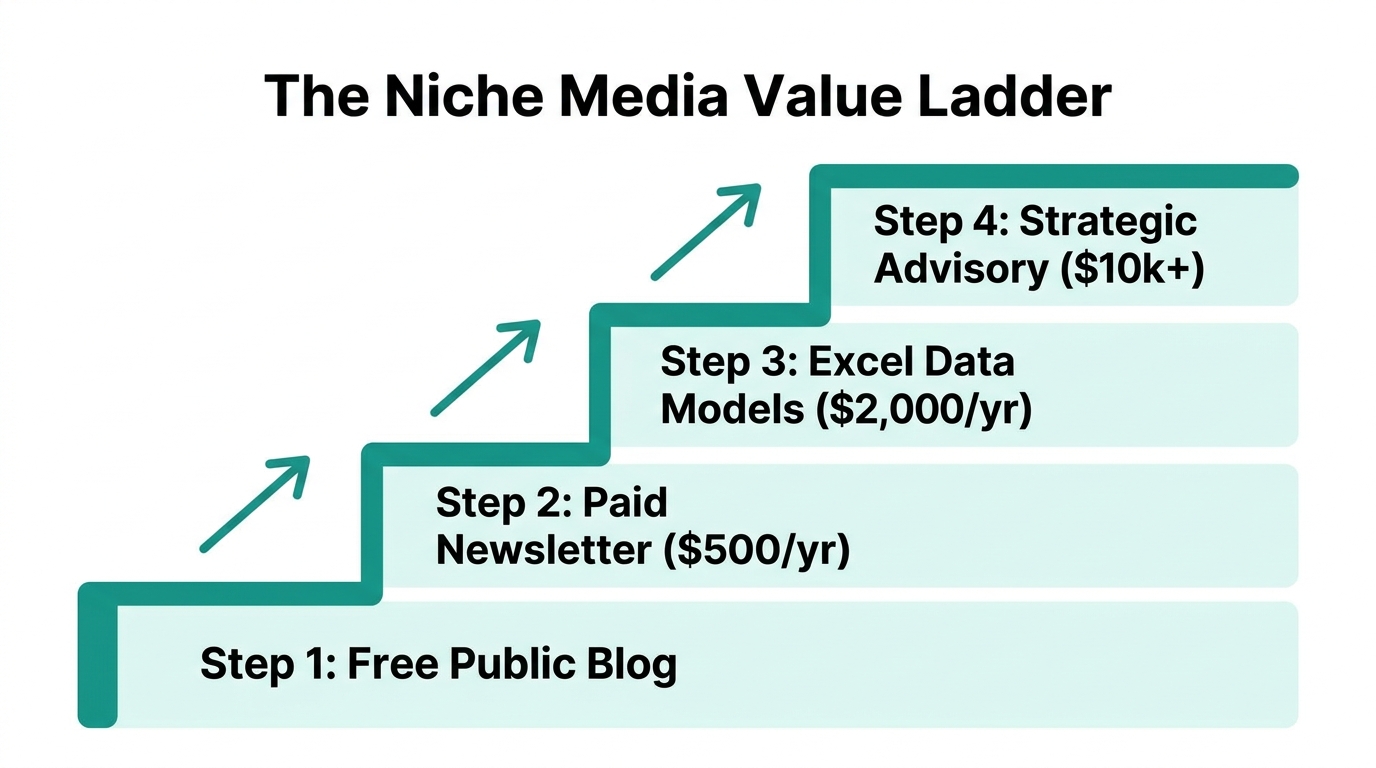
One of the most brilliant aspects of the SemiAnalysis growth strategy is how they effectively tier their monetization. While many B2B brands view content as a cost center, SemiAnalysis has turned it into a direct revenue driver. They utilize a tiered approach that starts with free or low-cost newsletters to build top-of-funnel awareness, but the real value lies in their high-ticket Excel data models.
These models aren't just spreadsheets; they are living representations of industry progression, tracking everything from inference costs to data center scaling. Institutional investors and competitors (like NVIDIA and AMD) pay tens of thousands of dollars for access to this data because it is integrated directly into their own valuation models. This Data-as-a-Service (DaaS) layer ensures that the brand remains indispensable to its most valuable customers.
Building a 'Media-as-a-Service' Layer for Enterprise Trust
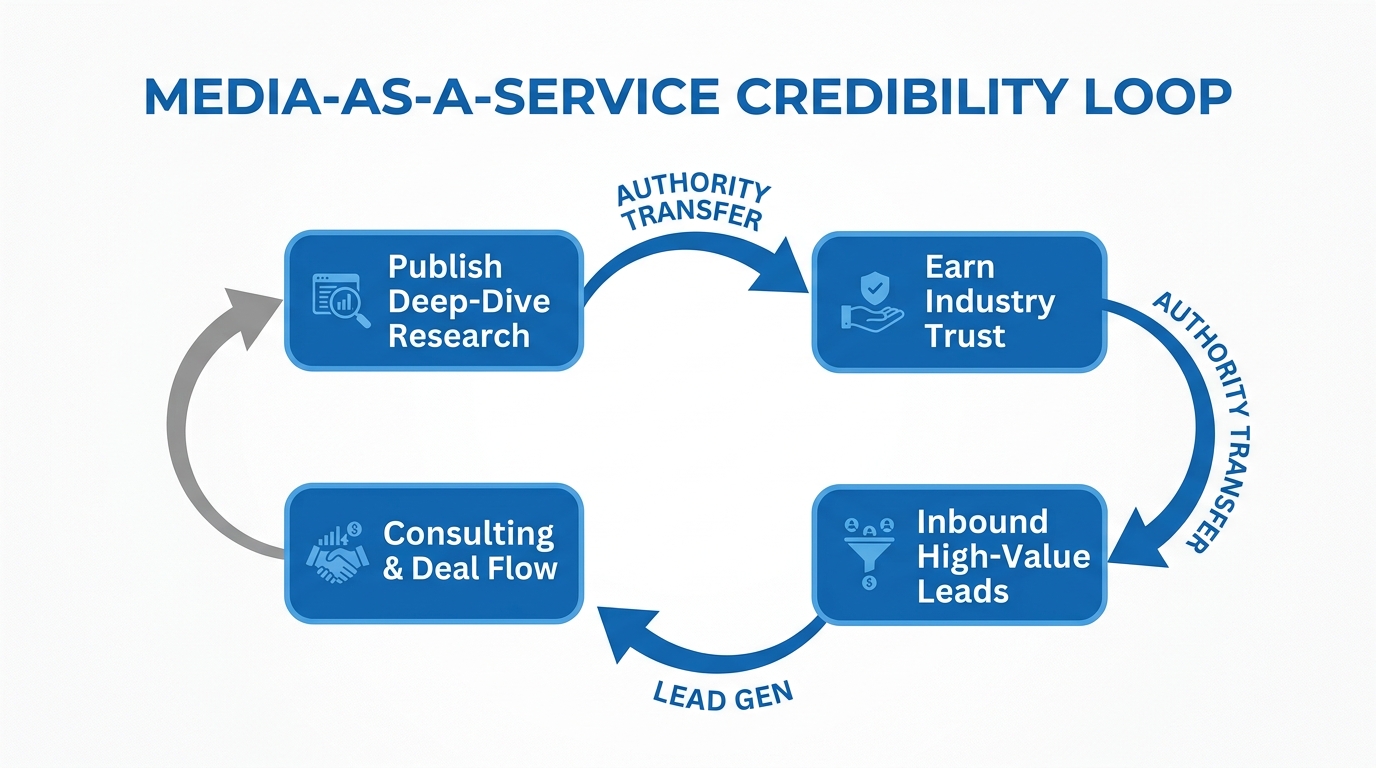
Establishing credibility with enterprise-level decision-makers requires more than a sleek website; it requires a presence where the target audience lives. SemiAnalysis builds this through what we call Media-as-a-Service. By appearing on high-authority podcasts and partnering with institutional research firms, they lend their technical weight to the most important conversations in tech.
This is a strategy also utilized by companies like Harvey, which has scaled to 200 million in revenue by becoming the "AI lawyer" for the top 100 law firms in America. Harvey doesn't just sell software; they sell leverage in a system where billable hours are the currency. Similarly, SendCutSend has revolutionized manufacturing by offering speed and automation that legacy shops can't match, using their digital presence to build a brand that engineers trust implicitly. Brands that want to win in 2026 must use platforms like Stormy AI to identify and collaborate with the niche creators and technical experts who already hold the attention of their enterprise prospects.
The 2026 Playbook: Hiring Analysts Over Generalist Writers
54:33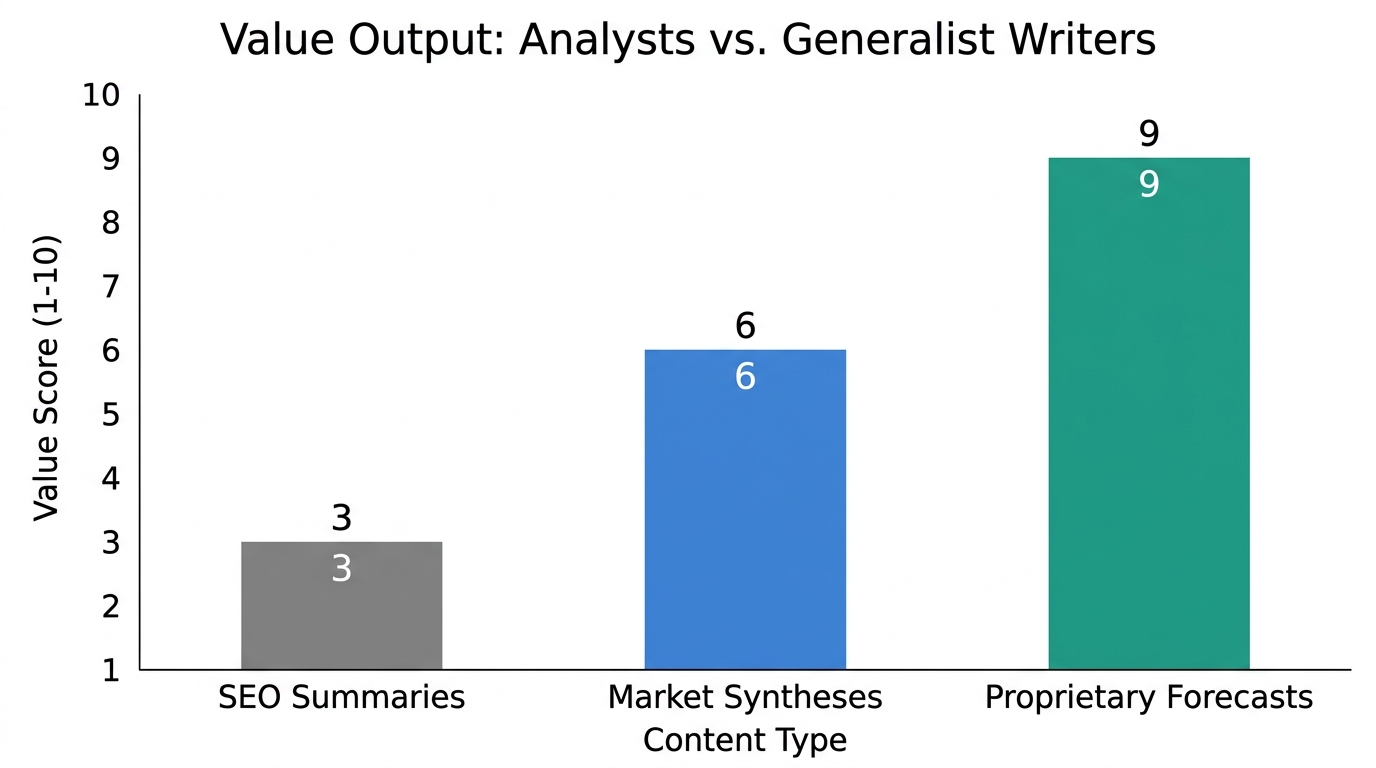
To replicate the success of SemiAnalysis, B2B companies must overhaul their hiring strategy. The era of the generalist content writer is over. In 2026, the most successful brands are hiring specialized analysts—individuals who can speak the language of the industry and offer encyclopedic knowledge on par with SemiAnalysis founder Dylan Patel.
These analysts don't just write; they investigate. They use tools like Notion and Linear to manage deep research projects and collaborate with technical teams. When a brand hires an analyst, they are investing in brand trust. A generalist might get the facts right, but an analyst understands the nuance of the megawatts and the flops, and that nuance is what earns the trust of a C-suite executive.
"The biggest mistake B2B brands make is treating their blog like a marketing channel rather than a research department."
Distribution Tactics: Moving Toward Institutional Authority
55:21While SemiAnalysis started on Substack, their distribution strategy in 2026 has matured. They aren't just chasing likes on LinkedIn; they are becoming the primary source for hedge funds and banks. This transition from "platform-dependent" to "institutional authority" is critical.
- Own the Data: Transition from citing others' research to producing your own original datasets.
- Focus on Depth: A single 5,000-word deep dive is more valuable than twenty 500-word posts.
- Build Direct Relationships: Use personalized outreach tools like Stormy AI to deliver your research directly to the desks of industry leaders and niche influencers who can amplify your signal.
- Iterate Rapidly: Treat your content like product development. Use feedback loops from your most technical readers to refine your models.
This model is mirrored by fintech powerhouses like Column Bank, which has built a massive business by owning the underlying infrastructure for companies like Ramp and Mercury. By being the "rails," Column doesn't need to fight for consumer attention; they are the essential layer that everyone else depends on.
Conclusion: The Future of B2B Growth is Research-Led
The SemiAnalysis niche media growth model proves that B2B brand authority is the ultimate competitive advantage in the AI era. By moving away from generic content and toward proprietary, high-signal research, companies can build a "Sarah's List" style winner—a company that is hidden in plain sight but offers immense potential for growth.
The path forward is clear: hire experts, own your data, and use AI-powered discovery platforms like Stormy AI to ensure your research reaches the right hands. The brands that win in 2026 will not be the loudest; they will be the most knowledgeable. Don't hunt for keywords; hunt for signal.