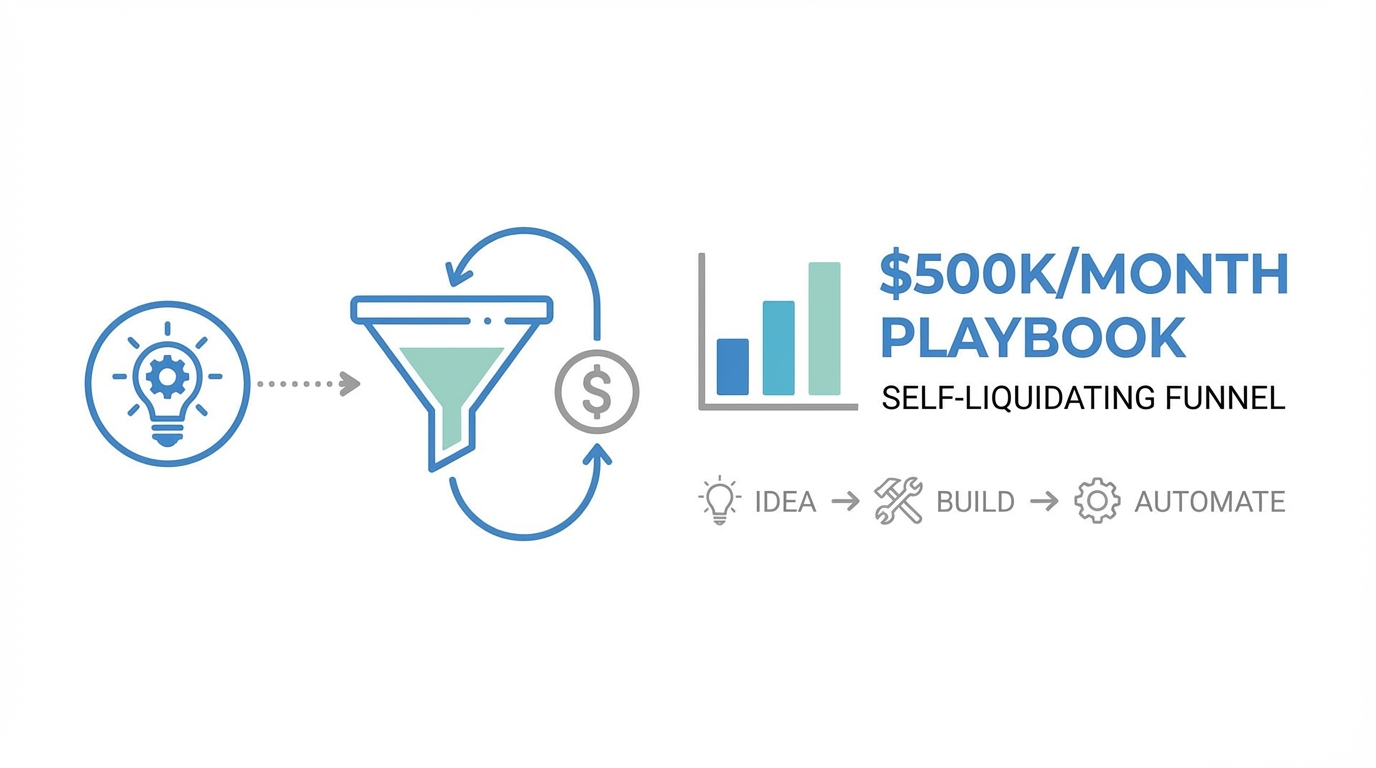
Imagine a world where your marketing costs are zero. Where for every dollar you spend on advertising, you earn back $1.10, $2.00, or even $5.00 before you even deliver your core service. This is the power of a self-liquidating funnel (SLO). Instead of viewing marketing as an expense, a well-oiled SLO transforms it into a profit center that pays for your customer acquisition cost (CAC), allowing you to scale your high ticket sales funnel with infinite leverage.
The Math of the Self-Liquidating Offer: Turning $6.99 into $68
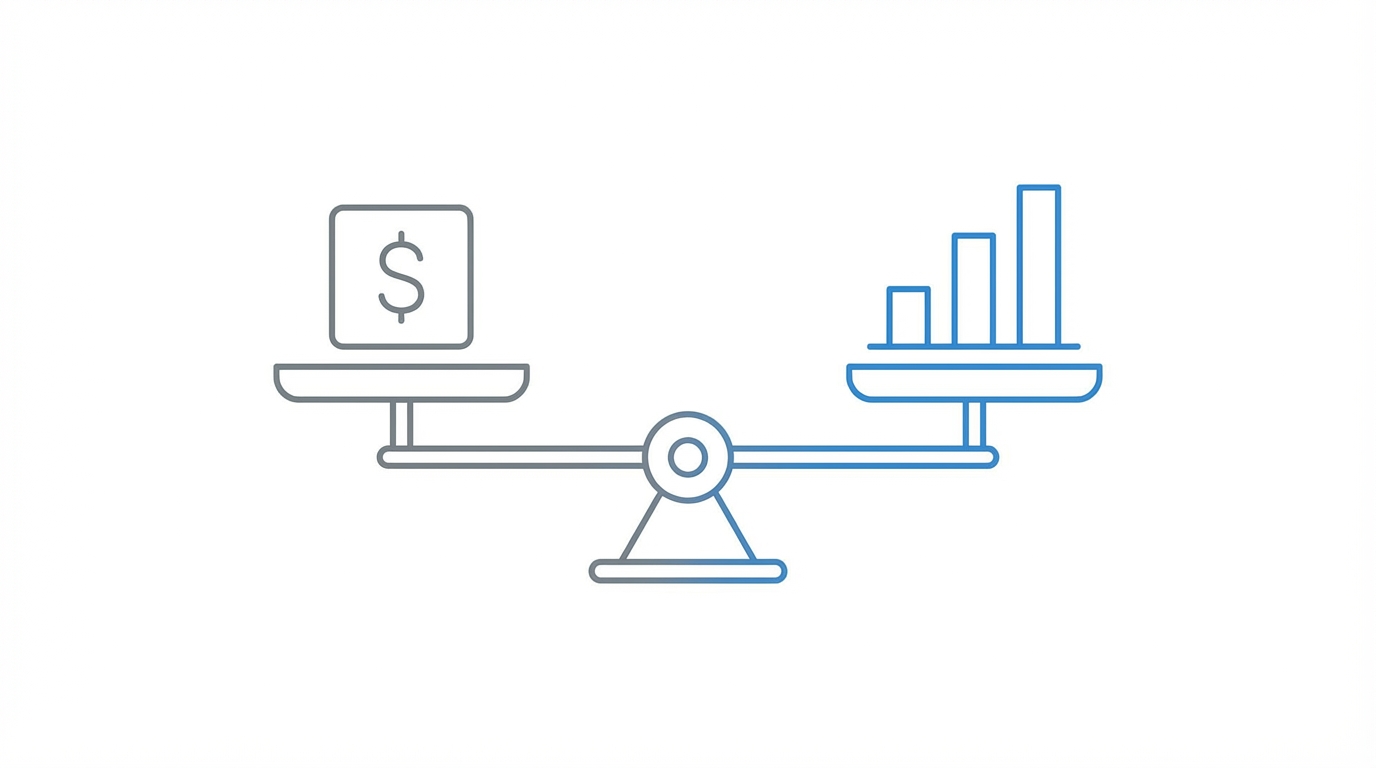
The foundation of a successful self-liquidating funnel lies in the math of the Average Cart Value (ACV). Most marketers fail because they try to make their profit on the front-end product. If you are running ads on Meta Ads Manager to a $6.99 ebook, you will almost certainly lose money if that is all you sell. The magic happens when you use that low-cost entry point to trigger a series of micro-transactions.
In the strategy used by industry leaders like Jonathan Courtney, a simple $6.99 book on facilitation often results in an average cart value of $68.85. How is this possible? It’s achieved through the strategic placement of order bump examples and one-time offers (OTOs). By the time a user completes their purchase, a significant percentage has opted for video upgrades, templates, or audio versions. This increased ACV ensures that the cost of the click from Google Ads or TikTok is fully covered, leaving the profit from your high-ticket backend products as pure margin.
How to Use Two-Step Checkouts to Capture Emails and Reduce Abandonment
One of the most critical technical elements of a high-converting clickfunnels strategy is the two-step checkout. Instead of asking for credit card details and shipping info on a single, daunting page, you break the process into two distinct stages. The first step asks only for the user’s name and email address. Only after they hit "Next" do they see the payment fields.
Why is this vital? Because it allows you to capture the lead even if they don't complete the purchase. According to data from Stripe and the Baymard Institute, cart abandonment rates can hover around 70%. By capturing the email in step one, you can trigger automated abandoned cart email sequences that bring back up to 15-20% of lost sales. This simple shift in the user journey can be the difference between a funnel that loses money and one that is self-liquidating.
Order Bumps and One-Time Offers (OTOs) That Actually Convert
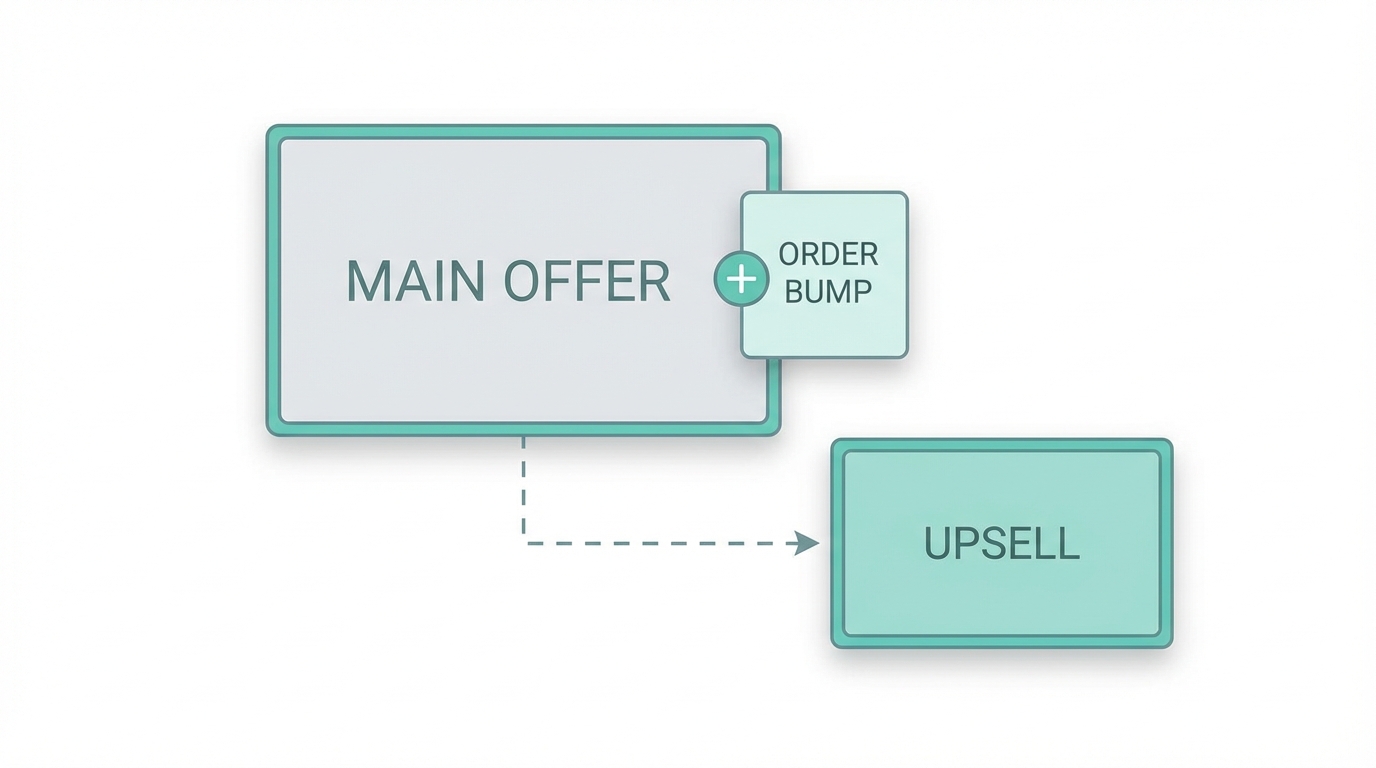
Once a customer has their credit card out, their "buying resistance" is at its lowest. This is the moment to present order bump examples that add immediate value. Effective order bumps are usually priced between $17 and $37 and require only a single checkbox to add to the order. For a book funnel, these might include an audiobook version, a digital workbook, or a set of Miro templates that help the user implement the book's teachings faster.
Following the checkout, the customer should be presented with a series of OTOs. These are full-page offers for more comprehensive products, such as a deep-dive video course or a toolkit of assets. The key to making these convert is relevance. If they bought a book on strategy, the OTO should be the advanced implementation system for that strategy. By stacking these offers, you can see conversion rates where 18% of buyers take the first upgrade, and a smaller, highly qualified percentage takes the high-ticket upsells.
Reverse Engineering Your High-Ticket Service into a Logical Entry Point
To build a high ticket sales funnel, you must work backward from your ultimate goal. If you are an agency selling a $15,000 website design package, don't start your funnel by talking about web design. Instead, think about the very first problem your client has before they even realize they need a new site. Perhaps it's a lack of brand clarity or a low conversion rate on their current landing pages.

Your low-cost front-end product—the "Strategy Signal" in your funnel—should solve that specific, early-stage problem. This creates a logical bridge. If they buy your $7 guide on "Landing Page Hooks" and find it valuable, they are mentally prepared for a $1,000 workshop, and eventually, a $15,000 full-service engagement. When scaling this outreach, AI-native platforms like Stormy AI can help source and manage UGC creators to produce the testimonial content needed to bridge the trust gap for these high-ticket offers.
Using Simple iPhone-Shot Ads to Maintain Authenticity
In the modern landscape of TikTok and Instagram, high-production "commercials" often perform worse than raw, authentic content. The most successful self-liquidating funnels often use ads shot directly on an iPhone. These ads feel like native content rather than intrusive marketing. A simple video of you holding the physical book or showing a PDF on your screen while explaining its core benefit can drive higher click-through rates than a polished studio production.
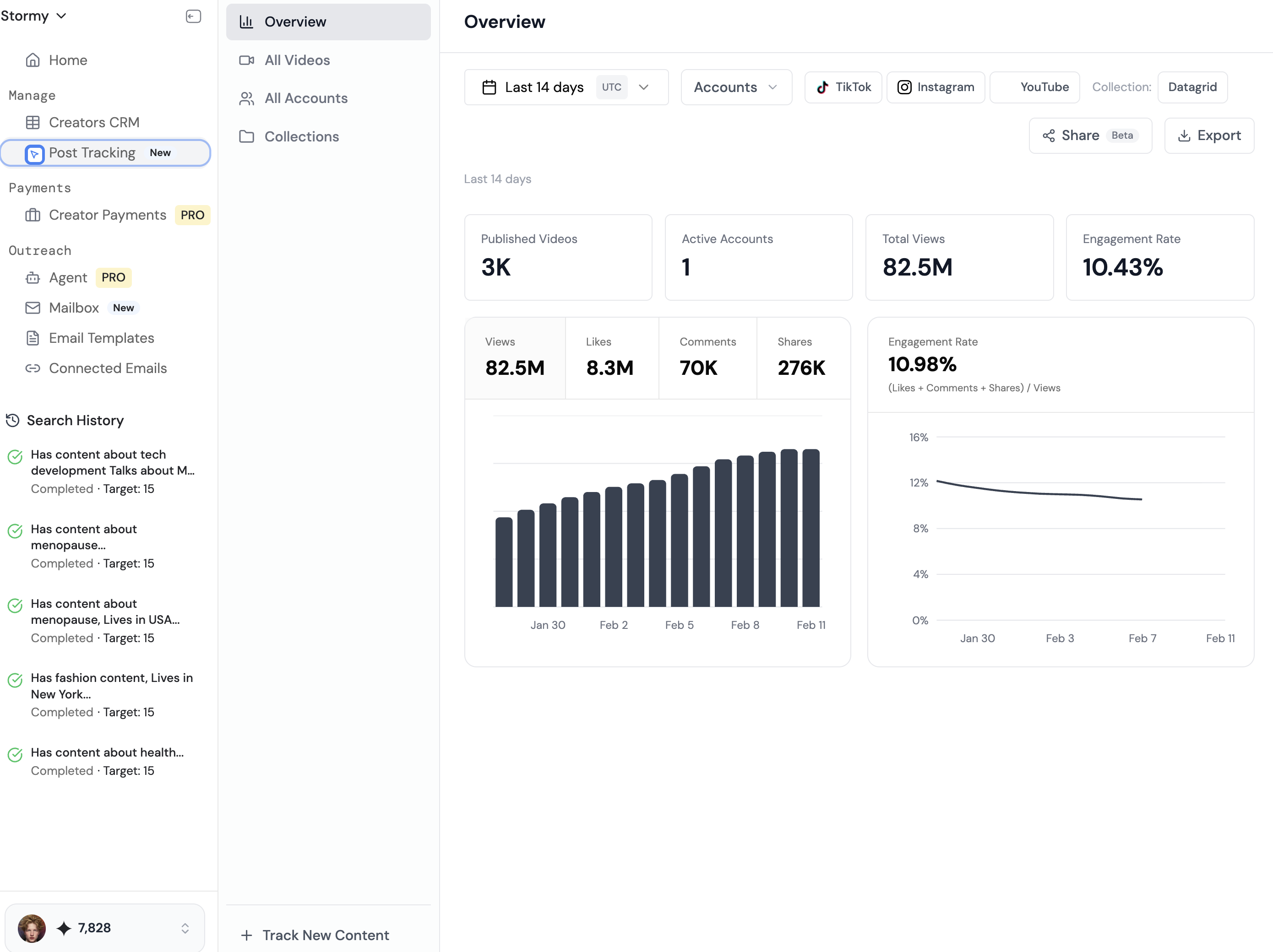
The secret to these ads is transparency. Mentioning the price ($6.99) directly in the ad creative filters out "freebie seekers" and ensures that the traffic landing on your page is high-intent. This leads to conversion rates as high as 30% from cold traffic to email lead. To keep this creative fresh, marketers are increasingly using Stormy AI's creator discovery engine to find niche influencers who can produce authentic User-Generated Content (UGC) that matches this "low-fi" aesthetic, further lowering the overall customer acquisition cost.
The Webinar Strategy: Scaling SaaS and Agencies
While a book is a great front-end for coaching and training, software and complex agencies often benefit from a live webinar funnel. This involves hosting a free or low-cost training event that solves a major pain point for your audience. The goal is to provide 90 minutes of pure value, establishing you as the authority, before transitioning into a pitch for your product as the "headache-free" way to achieve the results you just taught.
During a live event, you can use real-time Q&A to handle objections that wouldn't be addressed on a static sales page. For those building a high ticket sales funnel in the SaaS space, the webinar serves as the ultimate qualification tool. Those who stay until the end are your highest-value prospects. You can then offer them a Roadmap Call—a strategy session that doubles as a sales call—to move them into your high-ticket tier.
Conclusion: Putting the Playbook into Action
Building a self-liquidating funnel is not about luck; it is about rigorous mathematical engineering and understanding the psychology of the buyer's journey. By capturing emails early with a two-step checkout, maximizing ACV with order bumps, and maintaining authenticity in your creative, you can create a marketing machine that pays for itself. Start by identifying your high-ticket backend, reverse engineer the logical first step, and use modern AI tools to find the creators who will bring your funnel to life. The path to $500K a month begins with a single $7 offer.