The Seinfeld and Netflix Creative Assembly Line: A 2026 Guide to Content Consistency
Learn the Seinfeld productivity method and Netflix creator strategy to master the content creation process in 2026. Build high-value media assets with ease.
In the high-velocity landscape of the content creation process 2026, many creators are looking for the latest AI hack or viral trend to sustain their growth. However, the most successful media moguls of this era—from those landing nine-figure deals on Netflix to the architects of massive digital newsletters—are looking backward to a more disciplined, analog era. They are studying the Seinfeld productivity method, a 45-year creative assembly line that emphasizes systematic output over sporadic inspiration. In an age where digital noise is at an all-time high, consistency has become the ultimate competitive advantage.
The 2-Hour Morning Block: Pre-Input Deep Work
Why a distraction-free two-hour morning block is the secret to creative output.
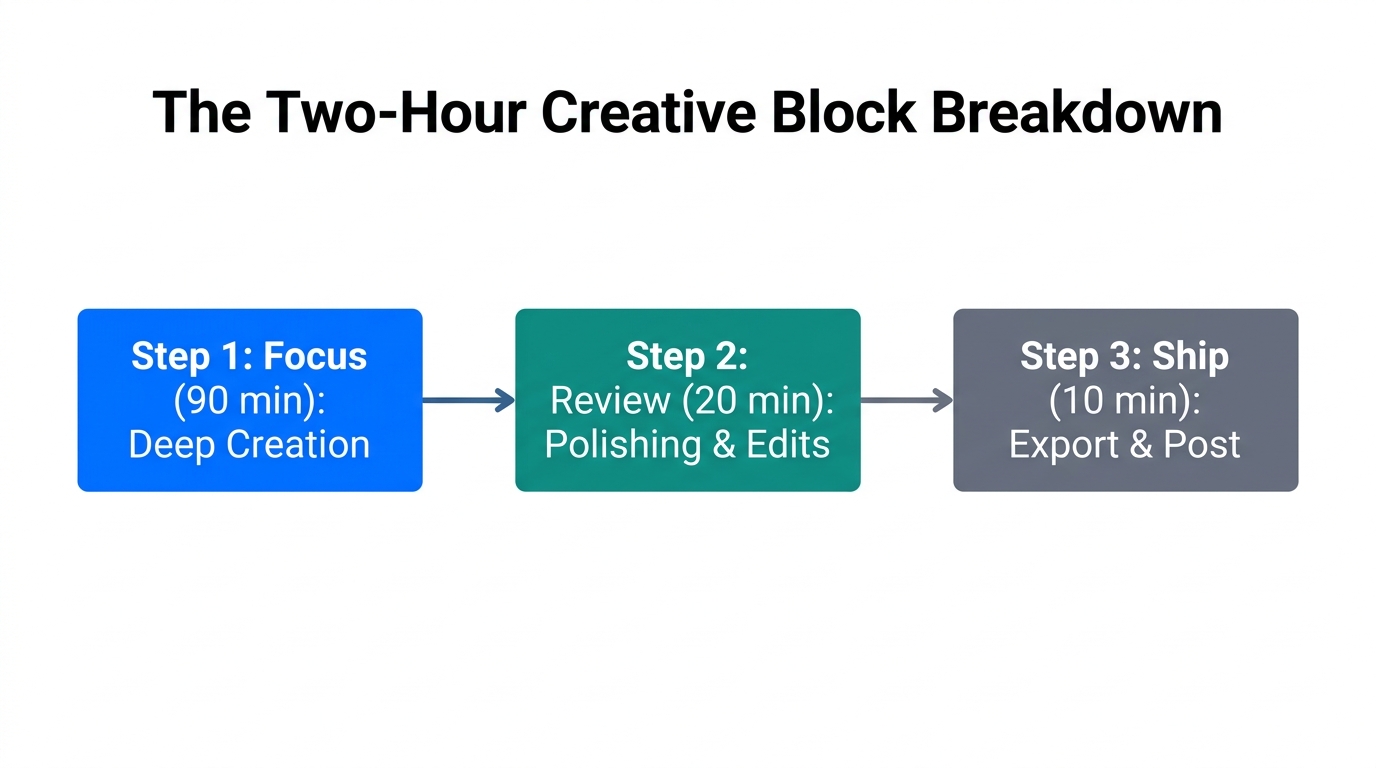
Jerry Seinfeld has followed a rigid morning routine for nearly five decades. It’s deceptively simple: he sits down with a yellow legal pad, a pen, and a cup of coffee. For two hours, he is in a state of "pre-input." This means no Google searches, no social media scrolling, and no checking emails. In 2026, where our brains are constantly bombarded with notifications, this level of deep work focus is rare and worth millions.
Seinfeld’s approach treats the brain like a factory. By avoiding external inputs, he allows the subconscious to process the observations of the previous day into structured humor. This Netflix creator strategy isn't just for comedians; it’s for anyone building high-value media assets. If you can protect the first two hours of your day, you are essentially prioritizing your own output over the requests of others. As the creator economy continues to mature, those who can produce 8-figure content value do so because they have mastered this morning block.
"The brain, much like the body, has a second wind. You hit a wall of fatigue, but if you hang in there for another 15 minutes, you find a gear you didn't know you had."
Many creators fail because they allow their creative energy to be drained by administrative tasks before they ever put pen to paper. To combat this, modern growth stacks often pair deep work with automation. For example, while you are in your two-hour creative block, you can have tools like Stormy AI running in the background, automatically discovering and reaching out to potential collaborators for your next campaign. This ensures your content creation process 2026 remains focused on the craft while the business side compounds autonomously.
Accepting Mediocrity: The Cure for Writer's Block
Beat writer's block by giving yourself permission to write poorly at first.One of the biggest blockers to content marketing consistency is the paralyzing fear of being average. Seinfeld’s take on writer's block is contrarian: he claims it doesn't exist. Instead, he argues that what we call "block" is actually just arrogance or high expectations. When you sit down and expect to write a masterpiece, you freeze. If you sit down and give yourself permission to write something that sucks, the words start to flow.
Seinfeld uses what he calls "anti-affirmations." Before starting his session, he acknowledges that the work will be hard, the jokes will likely be mediocre, and he will probably want to throw the page away. By lowering the stakes, he removes the emotional friction of starting. This is how he built his "Yellow Brick Road"—a literal street-length path of yellow legal pads filled with 45 years of daily writing.
This mindset is essential for long-term creator economy trends. Whether you are scripting a video for YouTube or drafting a long-form article on LinkedIn, the goal is to get the "trash" out of your system so you can find the gold. Consistency is the byproduct of lowered expectations.
The 'Craftsman' Model: Why Micromanaging Taste Wins
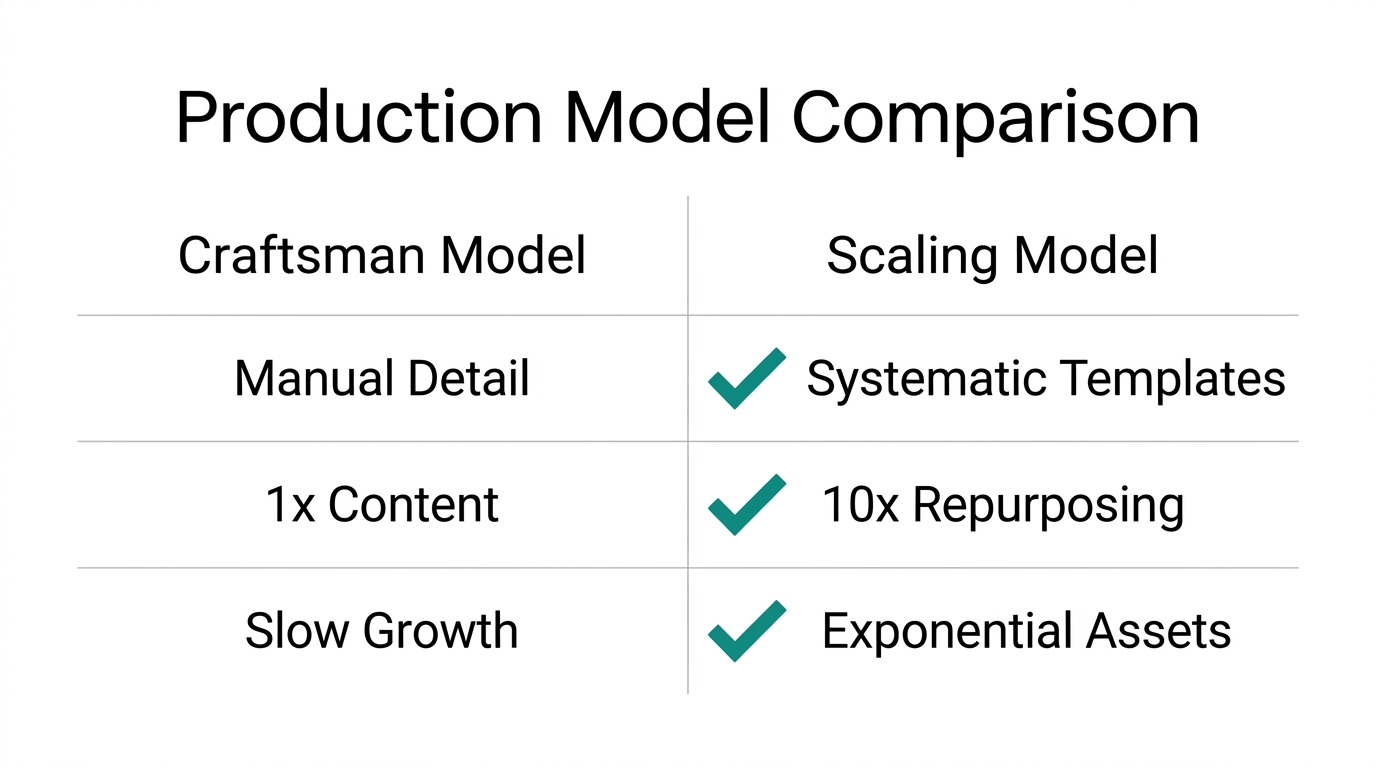
In the traditional business world, "scaling" usually involves stepping away from the day-to-day operations. However, for top-tier creators, scaling the wrong way can lead to a loss of "taste." Scott Belsky, a legendary investor and the founder of Behance, often speaks about the importance of being a "steward of taste." He argues that the most successful creators are actually craftsmen who refuse to fully automate their core value.
Jerry Seinfeld and Larry David famously wrote every single episode of the original Seinfeld show without a traditional writers' room. When asked if a consulting firm like McKinsey could have helped them find a more "sustainable" model, Seinfeld’s response was blunt: "Are they funny? No? Then I don't need them." The show was a hit precisely because it was micromanaged. Every edit, every casting choice, and every line was filtered through their specific sense of humor.
| Strategy Component | The Scalable Growth Model | The Craftsman Model (Seinfeld Style) |
|---|---|---|
| Primary Goal | Maximum reach and automation | Quality control and taste preservation |
| Process | Outsource content production | Hands-on micromanagement of creative |
| Longevity | Often short-lived due to saturation | Decades of relevance and loyalty |
| Monetization | Volume-based ads | High-value asset sales (e.g., Netflix) |
This craftsman approach is visible in modern icons like Dave Portnoy of Barstool Sports or Bill Simmons, founder of The Ringer. Despite being worth hundreds of millions, these individuals remain in the weeds of their content. Simmons, who eventually sold to Spotify for over $200 million, is still seen carrying his own microphone into a room to record a podcast the moment a sports trade breaks. They don't just own the company; they own the taste that the company is built upon.
Managing the 'Pain Cave' of Content Longevity
Explore the mental 'pain cave' and why pushing through is essential for growth.Building a media empire is an endurance sport. Runners often refer to the "Pain Cave"—a point in an ultra-marathon where physical and mental exhaustion reaches an extreme peak. Business is no different. Whether you are managing a portfolio of e-commerce brands or growing a personal brand, there will be periods where the growth plateaus or the market shifts against you.
The difference between the "freaks among freaks" and the average creator is their willingness to stay in the pain cave. Content creation process 2026 requires more than just talent; it requires mental grit. Like Jannik Sinner in tennis, who recently discussed the need to become "unpredictable" and go back down the mountain to find a new trail, creators must be willing to reinvent themselves even when they are at the top.
"You got in line for the roller coaster. Don't be surprised when the drops come. There are no ups without downs; it is a necessary condition of the ride."
Using a tool like a "Highs and Lows" log in Notion can help manage this psychological weight. By recording your biggest wins and most devastating losses, you can look back six months later and realize that nothing is as permanent as it feels in the moment. This emotional regulation is what allows a creator to stay in the game for 50 years, much like Seinfeld, who has outlasted almost every peer in his industry.
Building High-Value Media Assets in 2026
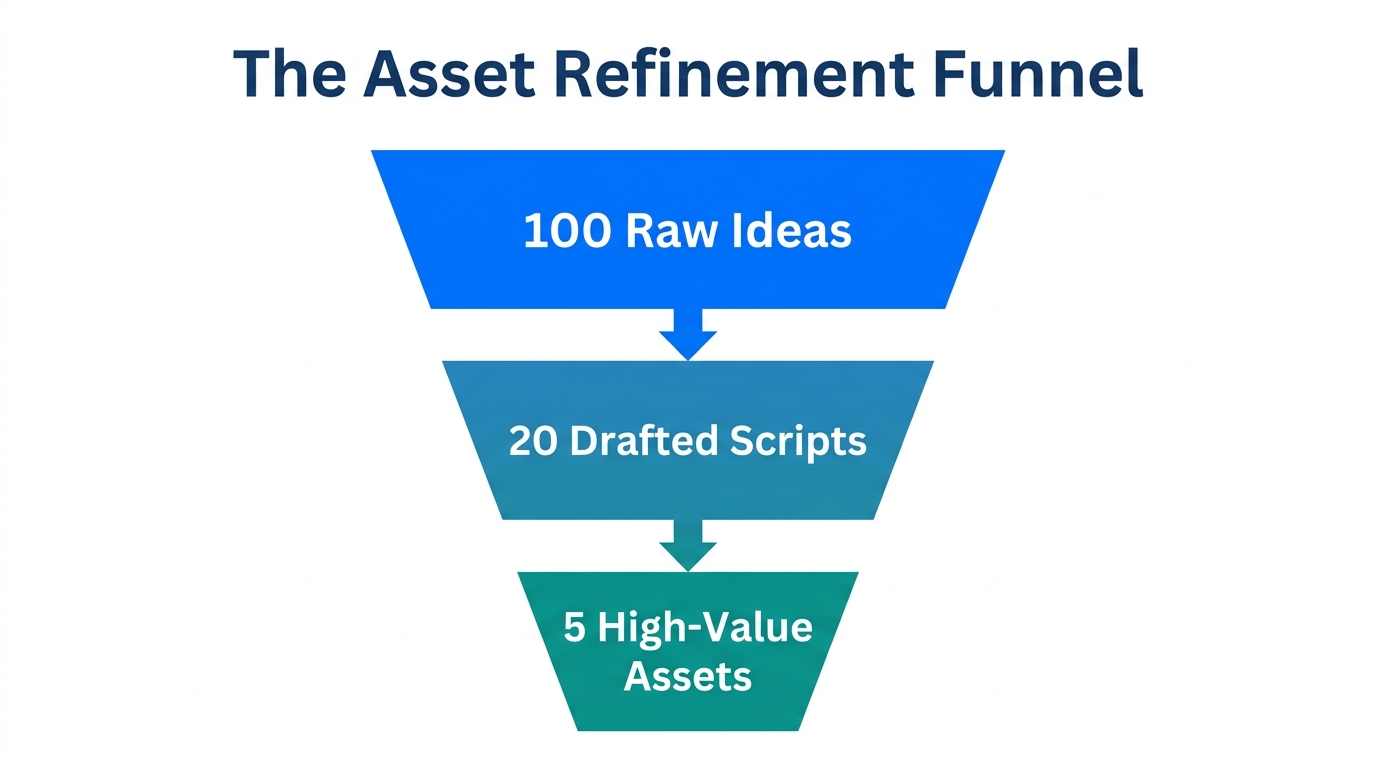
The ultimate goal for many in the creator economy trends of 2026 is the "exit." We see this with creators selling their shows to Netflix or their newsletters to major media corporations. But these exits are not the result of chasing trends. They are the result of building a consistent, high-quality "assembly line" that produces value every single day.
Consider the story of Michael Harris, who helped fund early Broadway plays for Denzel Washington and co-founded Death Row Records. His success came from recognizing talent early and investing in the infrastructure of media. In 2026, the "infrastructure" is your consistency system. If you can automate the discovery of UGC creators and influencers using Stormy AI, you free up your time to be the craftsman of your brand's voice.
Conclusion: Your 2026 Content Playbook
To succeed as a creator in 2026, you don't need a million-dollar budget or a massive team. You need a system that mimics the masters. Start with the two-hour morning block, accept your own mediocrity to keep the volume high, and never lose your craftsman's touch. By focusing on the hard way—the way of the steward of taste—you build an asset that platforms like Netflix will eventually be desperate to own.
Remember, the goal is longevity. As Jerry Seinfeld demonstrates, the most successful people aren't necessarily the most talented; they are the ones who never stop being students and never stop showing up to the yellow legal pad. If you're ready to scale your influencer marketing and UGC sourcing while you focus on your craft, explore how Stormy AI can handle the discovery and outreach for you, ensuring your assembly line never stops moving.