Imagine browsing the web and seeing a high-converting landing page, a complex dashboard, or a niche marketplace that sparks a billion-dollar idea. In the pre-AI era, turning that inspiration into a functional prototype required a team of designers, a front-end developer, and weeks of back-and-forth iteration. Today, that friction has evaporated. With the launch of Gemini 3.0, the transition from a simple screenshot to a working startup prototype has become a matter of seconds, not months. This shift into the era of "vibe coding" allows founders to build, iterate, and deploy software as fast as they can think.
Understanding Gemini 3.0's Multimodal Intelligence
The core breakthrough of Gemini 3.0 lies in its multimodal intelligence. Unlike previous generations of large language models that primarily processed text, Gemini 3.0 is designed to "see" and interpret visual information with high fidelity. When you upload a screenshot of a competitor's UI, the model doesn't just see a grid of pixels; it understands the UX/UI design patterns, the hierarchy of information, and the underlying intent of each button and navigation element. This capability is what makes AI business prototyping feel like magic.
As Google AI experts have demonstrated, this model can bring almost any artifact to life—whether it is a textbook diagram, a receipt, or a science paper. For entrepreneurs, this means you can take a screenshot of a service like Idea Browser and ask the model to not just clone the look, but to reconstruct the functional logic of the site from scratch. It is a world-class intelligence layer that bridges the gap between a visual concept and a deployable application.
The Workflow: From Screenshot to Code in AI Studio
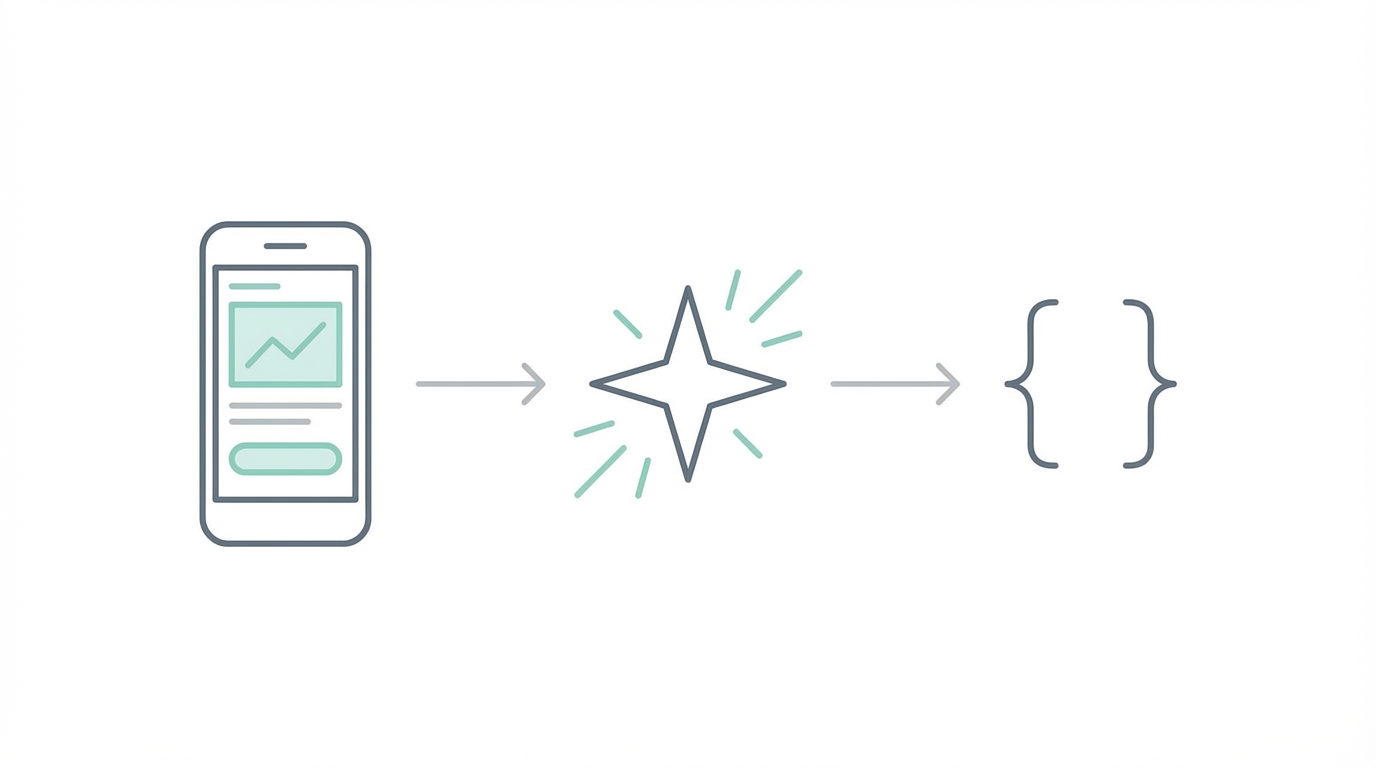

The most efficient way to leverage this technology is through the vibe coding experience in Google AI Studio. This environment is specifically optimized for rapid iteration. By following a structured screenshot to code workflow, you can bypass the traditional development cycle and move straight to testing your business hypotheses.
Step 1: Capture Your Inspiration
Find a website or application that mirrors the structure of your business idea. For example, if you are building a talent matching platform for AI teams, you might screenshot a dashboard that handles user profiles and matching analytics. Ensure your screenshot is clear and captures as many UI components as possible.
Step 2: Initialize the AI Studio Build
Open the build experience in AI Studio and upload your image. Instead of writing a complex technical specification, use a natural language prompt. A typical prompt might be: "Clone this UI exactly. Make it fully functional, interactive, and bring this business idea to life by adding a deep backend logic for matching users."
Step 3: Multi-Turn Iteration
The first generation might not be perfect. You might see a blank screen or a layout that is slightly off. In this case, simply tell the model what is wrong. If the screen is blank, prompt: "I don't see anything; the screen is white." Gemini 3.0 will analyze its own output, identify the missing index.html or CSS files, and self-correct the codebase in real-time.
Once the prototype is live, you can use platforms like Stormy AI to discover and source the right UGC creators to begin testing your new MVP with real audiences. This creates a powerful flywheel where the tech is built in minutes and the marketing begins on the same day.
Refining Aesthetics with the 'Annotate' Tool
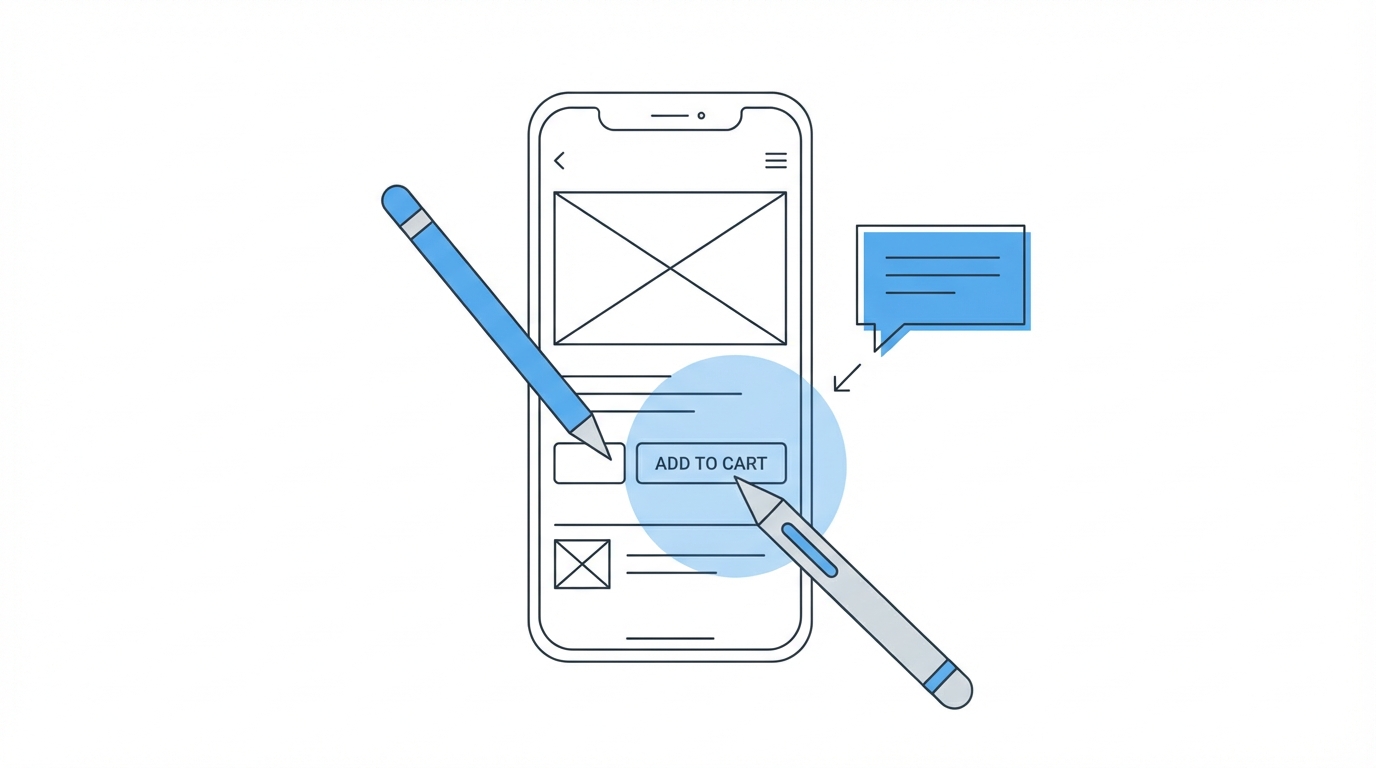
One of the most frustrating parts of traditional development is explaining small UI bugs to a developer. Gemini 3.0 solves this with the annotate feature. This tool allows you to treat your prototype like a canvas. If a button is oddly placed or a color scheme feels dated, you don't need to write code to fix it.
- Visual Feedback: Use the annotate tool to draw a box around a specific section of the app.
- Direct Commands: Add a text box saying, "This send button doesn't work and seems oddly placed—fix the alignment and make it green."
- Instant Updates: The model processes the visual annotation and updates the underlying code automatically.
This "make it pop" workflow is a game-changer for non-technical founders. You can change a "vibe coding" purple theme to a "fresh green" aesthetic simply by asking. This rapid feedback loop allows you to spruce up the design and add social proof sections in seconds, ensuring your landing page looks like it was built by a professional design agency.
Integrating AI-Powered Business Logic
A pretty landing page is just the shell. To build a true MVP with AI, you need to integrate core business logic. Gemini 3.0 allows you to inject advanced AI features directly into your prototype by leveraging its own API capabilities behind the scenes. For a talent matching platform, this might include:
- AI Team Balancer: An algorithm that analyzes junior and senior developer profiles to suggest the most balanced project teams.
- Generational Talent Fusion: Using AI to analyze the compatibility between different experience levels and technical backgrounds.
- Grounding with Google Search: Enabling your app to pull in real-time trends. For example, your app could search Google Search for the latest AI regulations to help businesses stay compliant.
By asking the model to "add five new AI features," you can discover insights you might not have thought of, such as automated interview simulators or skill gap analysis tools. This turns a static website into a smart web app that demonstrates high business value to potential investors or early customers.
Cost-Benefit: Gemini 3.0 vs. Traditional Development
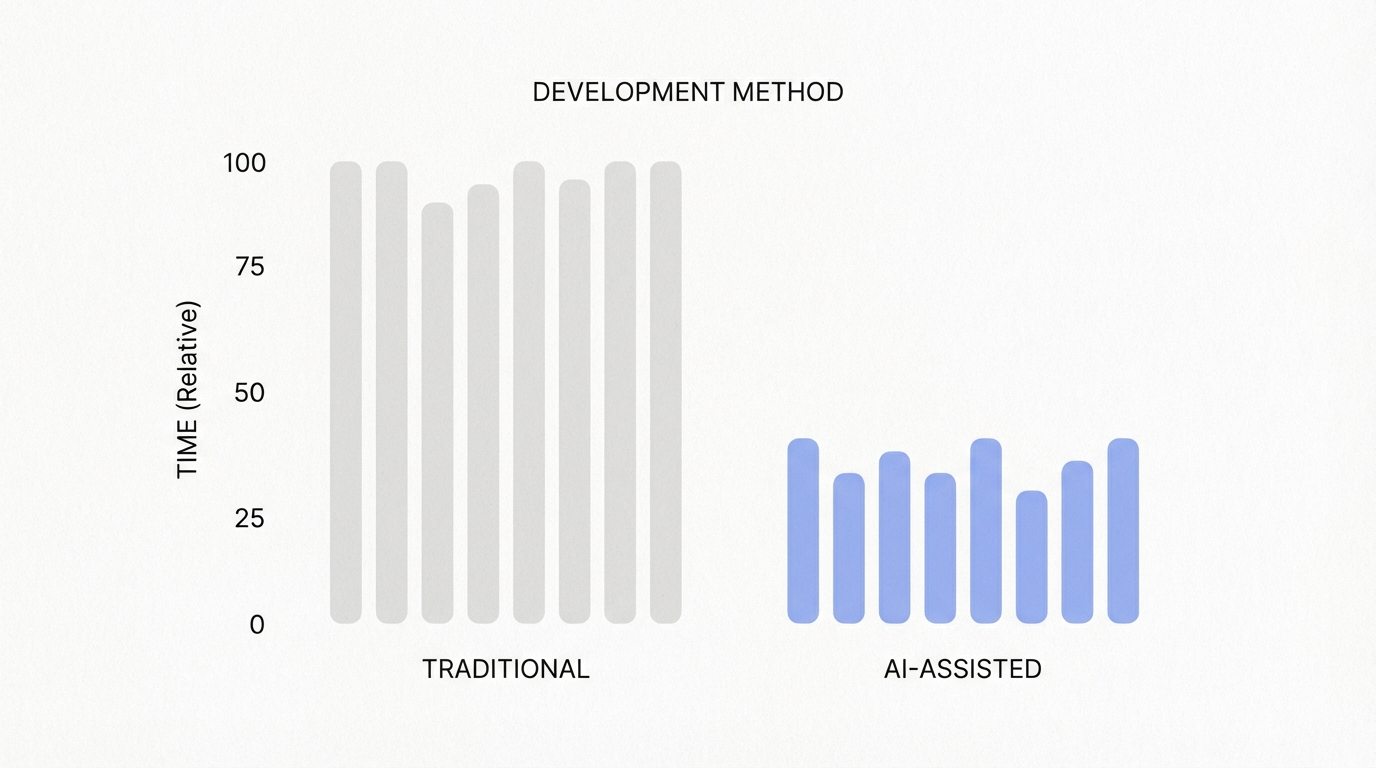
The economic argument for rapid prototyping tools like Gemini 3.0 is overwhelming. Traditional development for a functional MVP often involves hiring a small team of engineers for 3-5 months, costing anywhere from $50,000 to $150,000. In contrast, Gemini 3.0 Pro offers a path that is both faster and significantly cheaper.
| Metric | Traditional Development | Gemini 3.0 AI Studio |
|---|---|---|
| Time to MVP | 3-6 Months | 90-120 Seconds |
| Cost | $50k - $150k+ | Free (Initial limits) |
| Iteration Speed | Days/Weeks per change | Seconds (Natural Language) |
| Team Size | 2-5 Engineers/Designers | 1 "Vibe Coder" |
Even when you move to the paid API tier, the costs are remarkably low. Gemini 3.0 Pro is priced at approximately $2 per million input tokens and $12 per million output tokens (for contexts under 200,000 tokens). This is competitively priced below models like GPT-5.1 and Claude 4.5, making it one of the most accessible world-class intelligence tools on the market. For a startup, this means you can burn through thousands of iterations for the price of a cup of coffee.
Scaling Your Startup with AI Agents
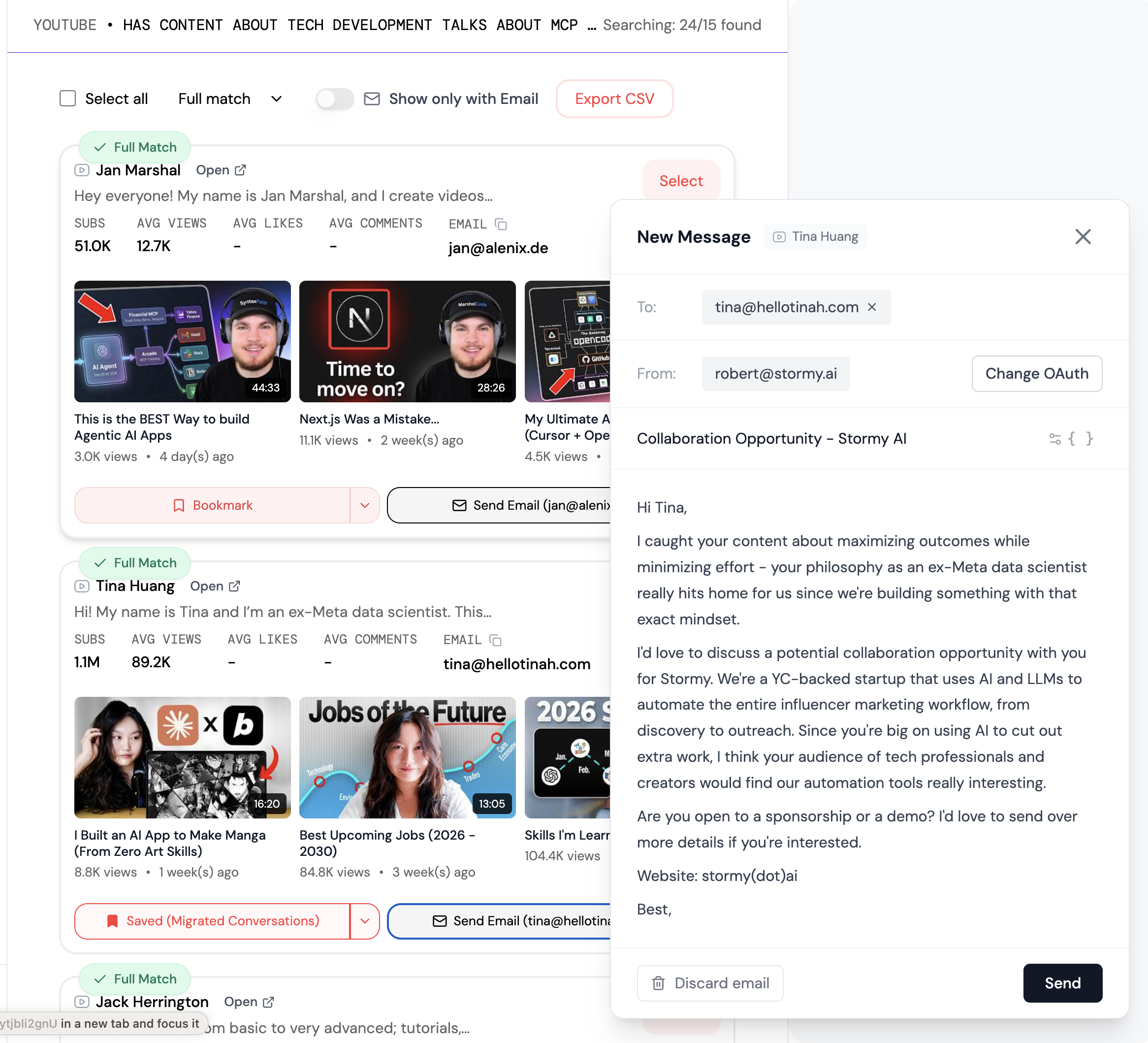
Once your prototype is functional and you've verified the "vibe" of the product, the next challenge is growth. This is where AI-powered UGC creator discovery becomes essential. While Gemini 3.0 builds your product, tools like Stormy AI can act as an autonomous AI Agent to handle your marketing outreach. You can set up an agent to discover creators in your niche, send hyper-personalized emails, and follow up automatically while you continue to iterate on your code.
This combination of rapid technical prototyping and automated influencer marketing allows a solo founder to operate with the horsepower of a mid-sized corporation. You can build the app in the morning, find 50 creators by lunch, and have your first promotional campaign running by dinner.
Conclusion: The Future of Startups is Visual
The barrier to entry for building software has been permanently lowered. The workflow of screenshotting a competitor, refining the UI through annotations, and injecting AI logic has turned "startup development" into a creative exercise rather than a technical one. Whether you are building 3D immersive games or verticalized fintech apps—like a "Robinhood for Canada"—the tools are now available for free in AI Studio.
Key Takeaways:
1. Use multimodal screenshots to bypass the wireframing phase.
2. Leverage the annotate feature for visual debugging and aesthetic refinements.
3. Don't just build landing pages; ask for deep AI logic and Google Search grounding.
4. Combine your AI-built product with AI-driven marketing tools to find UGC creators and scale your user base instantly.
The era of the "vibe coder" is here. Your next startup isn't months away—it's just one screenshot and one prompt away.