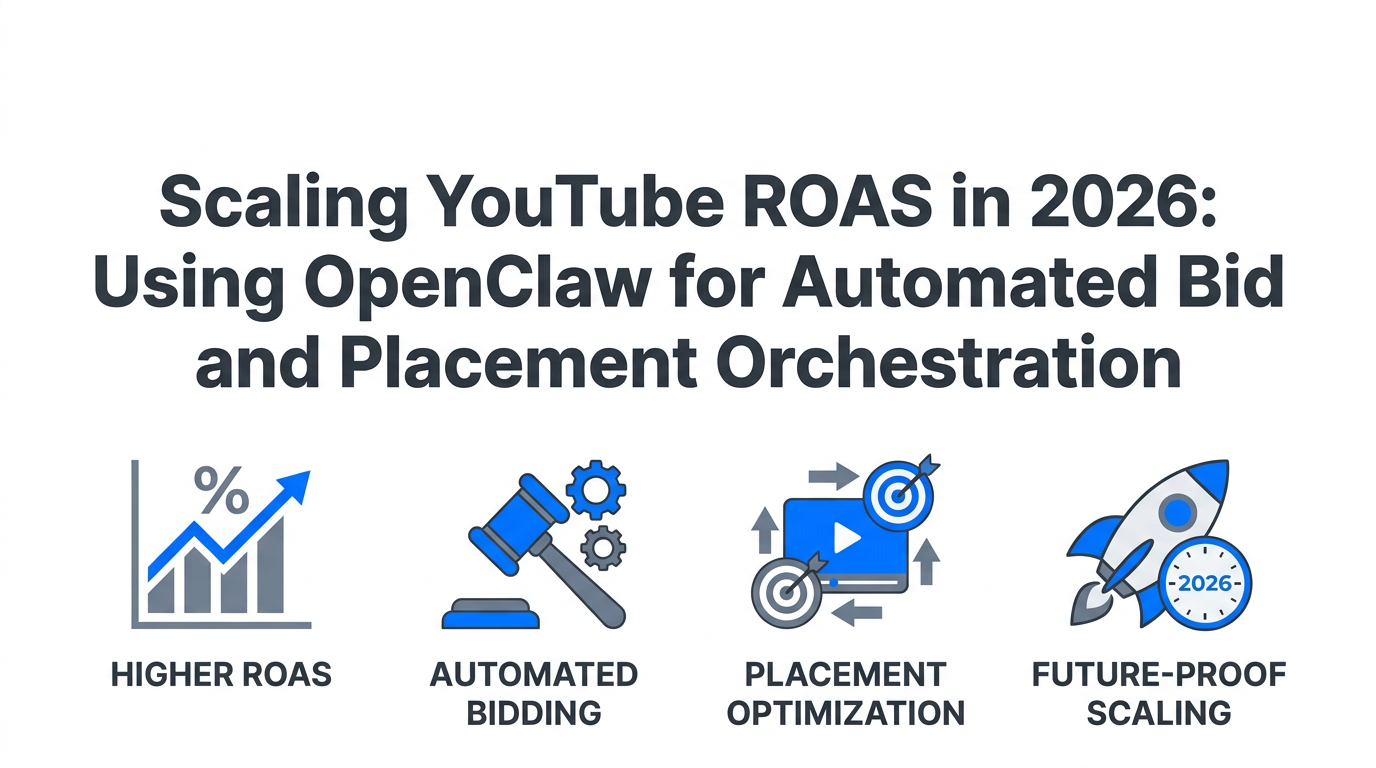
In the shifting landscape of 2026, YouTube advertising has officially moved from manual dashboard management to what we now call Agentic Marketing. The days of performance marketers spending eight hours a day inside Google Ads Manager are fading. Today, the leading framework driving this change is OpenClaw (formerly known as Moltbot or Clawdbot), an open-source AI agent runtime that has amassed over 219,000 GitHub stars and become the industry standard for high-frequency ad orchestration.
Unlike the rigid automation of the past, OpenClaw agents are dynamic. They don't just follow "if-this-then-that" rules; they use vision models like Claude 3.5 Sonnet and GPT-4o to "see" your creative performance and make qualitative decisions. For teams looking to scale, this means moving beyond basic YouTube ROAS strategy 2026 and toward a fully orchestrated multi-agent refresh loop. By integrating these tools with discovery platforms like Stormy AI, marketers can identify the best creators to target before letting their agents handle the heavy lifting of placement and bid management.
1. The YouTube Performance Auditor: Your First Line of Defense
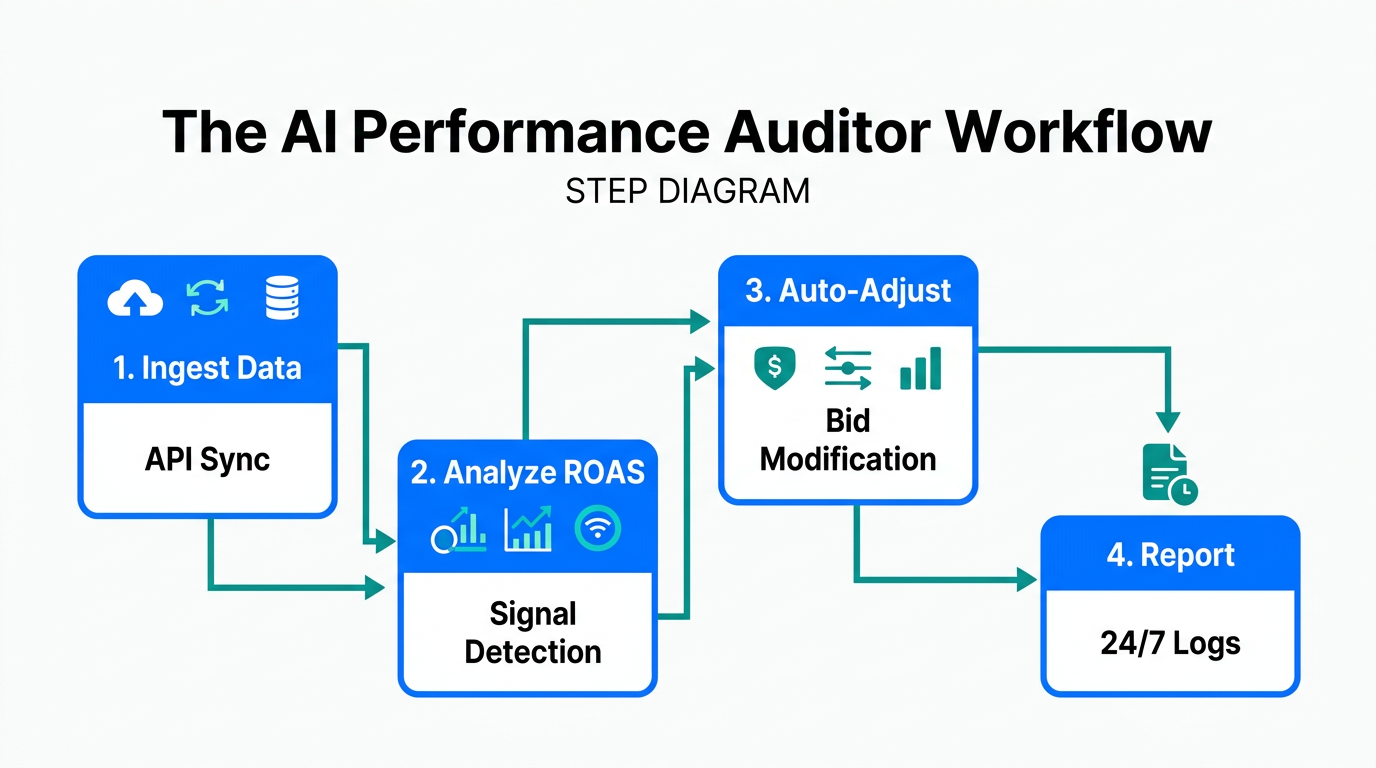
The most fundamental skill any OpenClaw user must deploy is the Performance Auditor. This skill acts as a 24/7 weekly cron job designed to identify "bleeding" campaigns before they drain your quarterly budget. In the fast-paced 2026 market, waiting for a human to spot a failing ad group is a recipe for a negative ROI.
The actionable strategy here is simple: configure your agent via ClawHub to scan for placements or individual video ads that have spent 3x your target CPA (Cost Per Acquisition) with zero conversions over the last 30 days. When the agent finds these outliers, it doesn't just flag them—it prunes them. According to research by the data team at Stormy AI, accounts using automated pruning see a 2.5–4% higher conversion rate by redirecting wasted spend to high-performing assets almost instantly.
"The key to 2026 scaling isn't finding more winning ads; it's the speed at which you kill the losing ones autonomously."| Metric | Manual Auditing | OpenClaw Agentic Auditing |
|---|---|---|
| Check Frequency | Daily/Weekly | Real-time / Hourly |
| Action Threshold | Reactive (Post-spend) | Proactive (Trend-based) |
| Conversion Lift | Baseline | +2.5% to +4.0% |
| Wasted Spend | High (Human delay) | Near Zero |
2. Placement & Channel Scout: Automating High-Intent Targeting
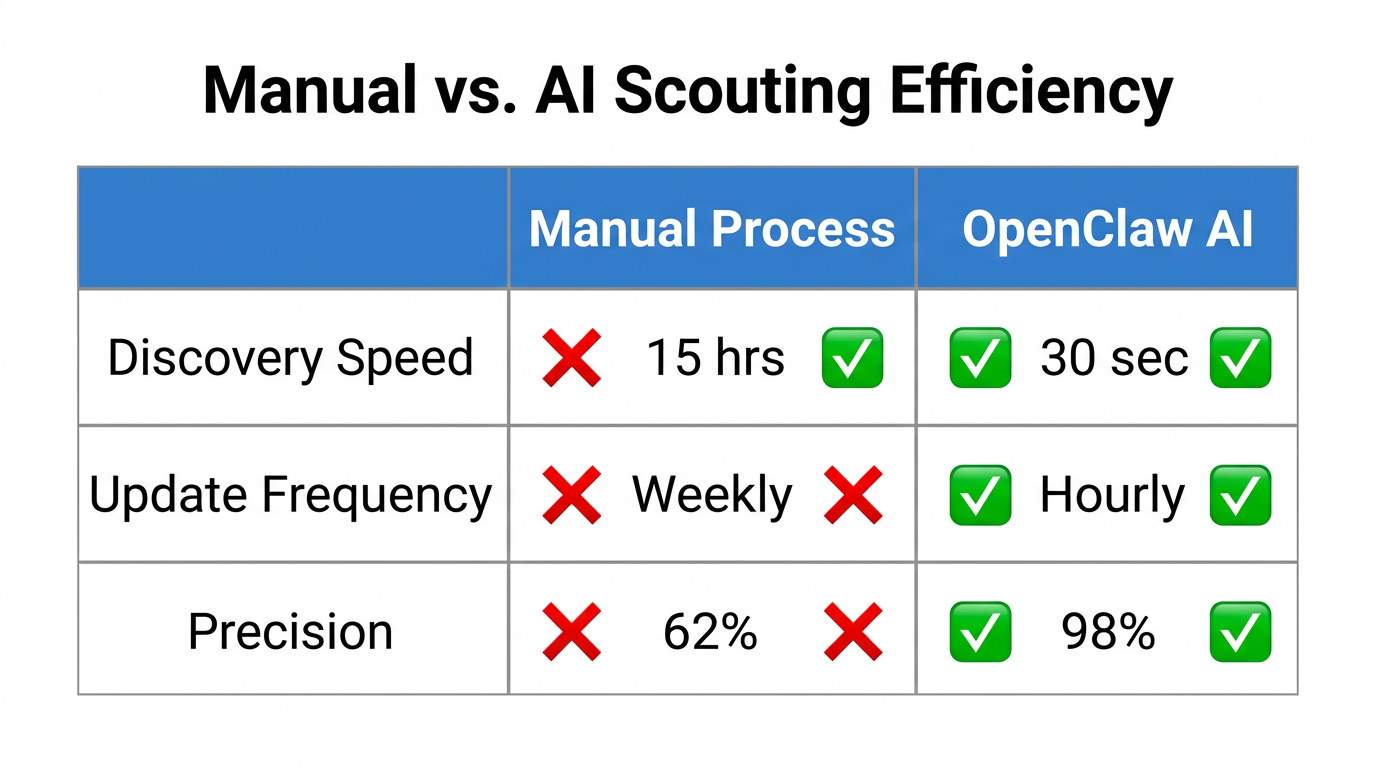
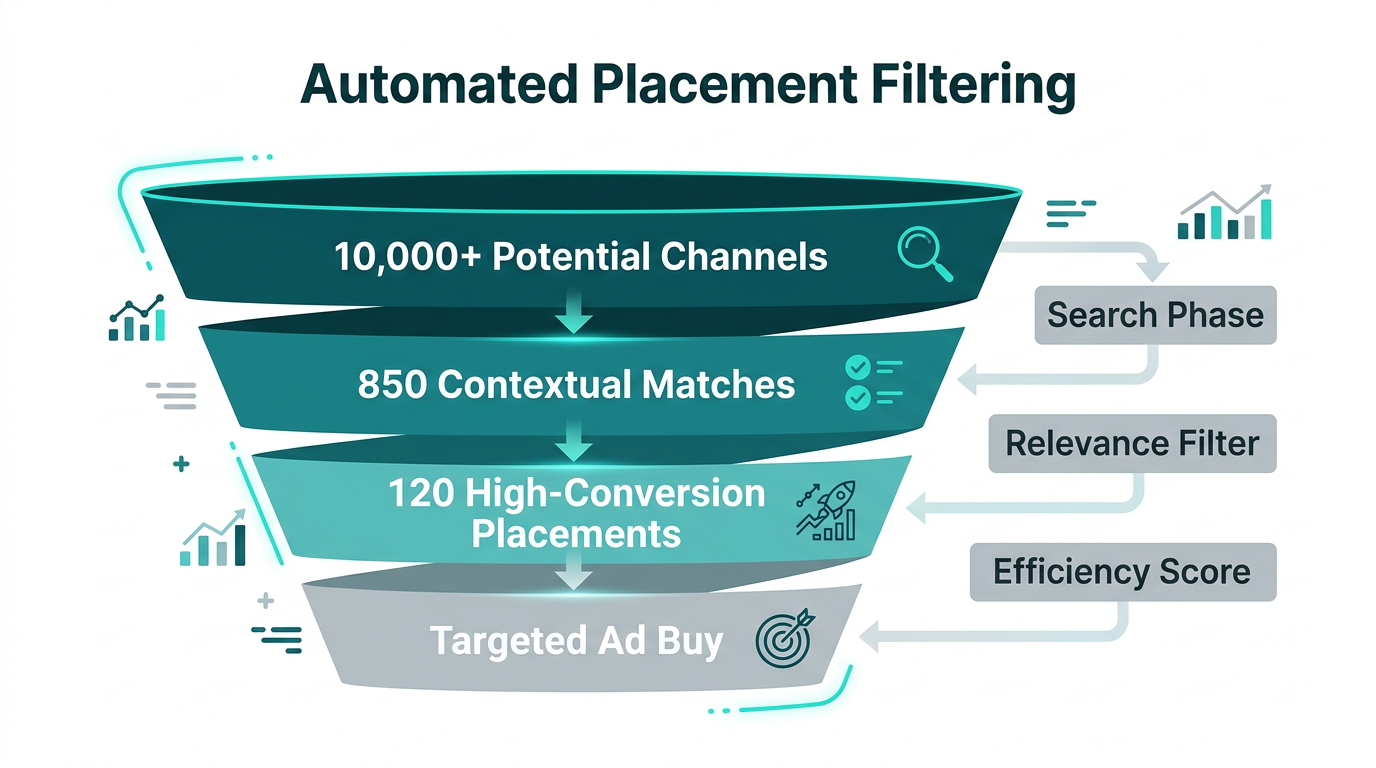
YouTube is increasingly about where your ad shows up, not just who sees it. One of the most common mistakes performance marketers make is relying on Google’s "Automatic Placements," which frequently leads to ads showing on low-quality kids' channels or irrelevant content. In 2026, YouTube ads placement targeting is best handled by the OpenClaw Scout skill.
This skill uses a web-scraping layer to identify top-performing YouTube channels in your specific niche and cross-references them with the YouTube Ads API to find available placements. More importantly, it builds a "Negative Placement List" autonomously. By analyzing the transcripts and metadata of channels where your ads are served, the agent can instantly blacklist channels that don't align with your brand sentiment. Marketers can find the necessary components for this at the GitHub Awesome OpenClaw Skills repository. This is particularly effective for Shopify brands that need to maintain high brand safety while scaling rapidly.