The modern app economy is no longer a battle of who has the biggest development budget, but rather who can acquire users with the highest efficiency. In an era where User-Generated Content (UGC) has become the primary driver of consumer behavior, app developers and growth marketers are shifting away from polished studio productions toward raw, creator-led narratives. The goal is simple: achieve a lower cost per install strategy that allows for rapid scaling and high-margin exits. By leveraging a specific framework of UGC marketing for mobile apps, developers are now hitting industry-leading benchmarks, such as a $0.30 to $0.50 Cost-Per-Install (CPI) in high-competition markets like the United States.
The UGC-First Framework: Why Authenticity Wins

Traditional brand advertisements often feel like a disruption to the user experience. On platforms like TikTok and Instagram, users are trained to skip content that feels overly commercial. This is where UGC marketing for mobile apps changes the game. Instead of a corporate voice explaining features, you have a real human being demonstrating value in a relatable setting. This shift in perspective is the foundation of a successful tiktok influencer marketing playbook.
When content looks like a native post rather than an ad, the click-through rates (CTR) skyrocket. To implement this, savvy developers focus on "single-player" value. Many founders make the mistake of building apps that require a social network to function, but the most scalable apps provide immediate value to a single user first. Once that value is established, platforms like Stormy AI for finding UGC creators and influencers can be utilized to identify the specific creator archetypes that resonate with your niche using natural-language AI search, ensuring your content feels organic to the feed.
The Psychology of 'Rage Baiting': Triggering the Algorithm
To achieve a lower cost per install strategy, you must understand the mechanics of social media algorithms. High engagement is the currency of visibility. One of the most effective, albeit controversial, tactics in the modern tiktok influencer marketing playbook is "rage baiting." This involves creating content with a subtle hook that encourages viewers to watch again, scroll back, or—most importantly—argue in the comments.
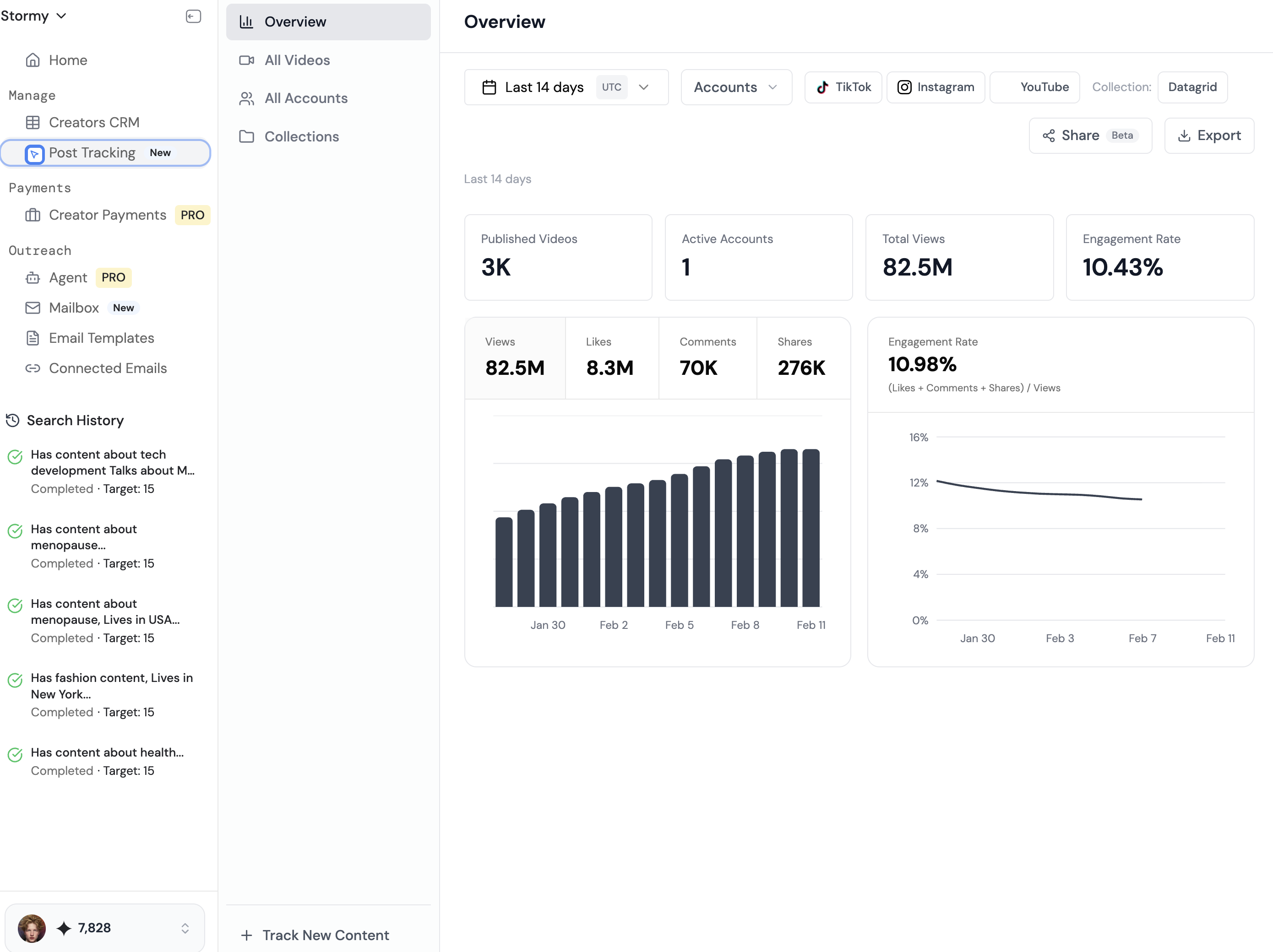
Take, for example, an app like "Toxic Traits," which analyzes chat screenshots. A video showcasing a controversial text exchange naturally triggers a debate in the comments section. To track the performance of these viral hooks, you can use Stormy AI to monitor views and engagement across TikTok and Instagram automatically. Because platforms like Shortize track these engagement metrics, you can see in real-time how controversial hooks lead to a massive boost in organic reach. When the algorithm sees hundreds of comments and repeated views, it categorizes the content as high-value and pushes it to a wider audience, effectively lowering your acquisition costs to near zero during the viral peak.
Building Viral Growth Loops for Apps via Asset Sharing
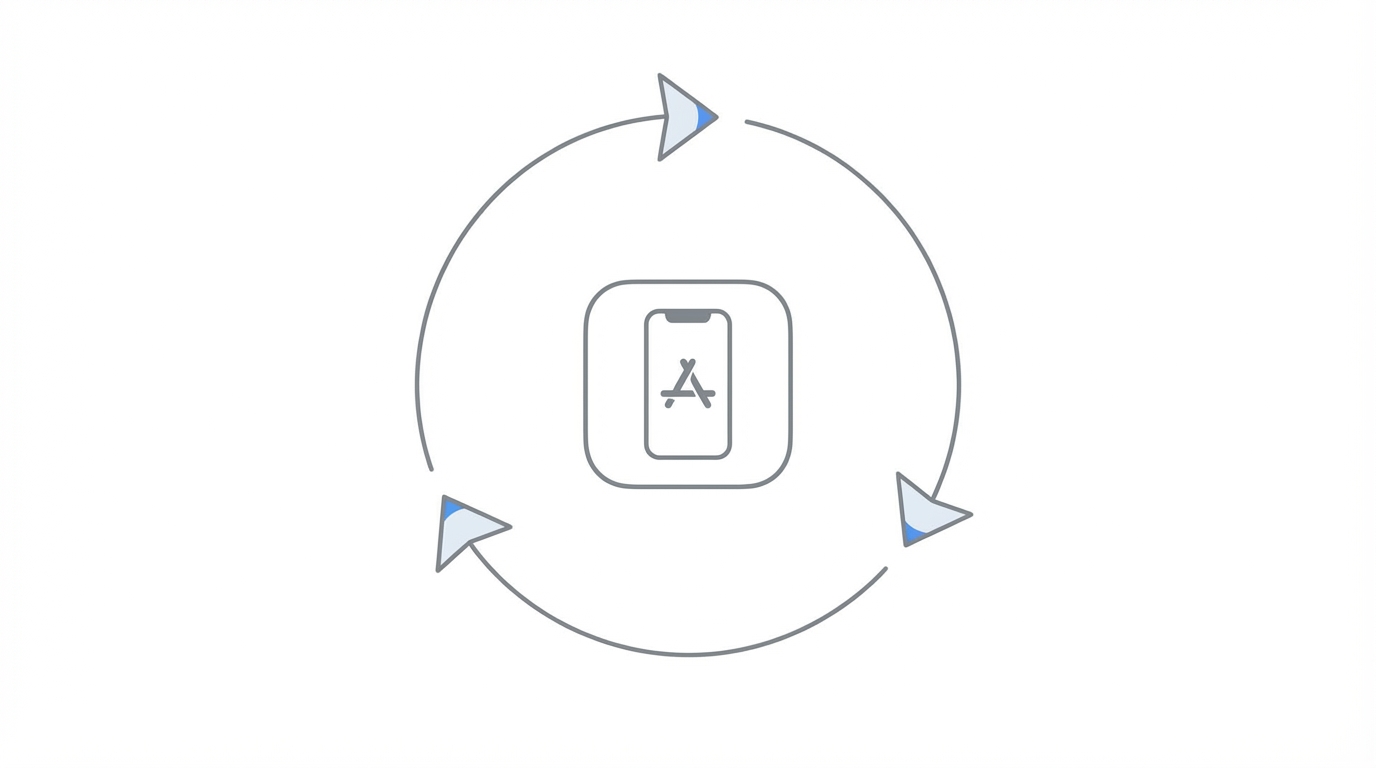
A major friction point in mobile marketing is the "download wall." Asking a user to commit to a download before seeing value is a high-friction request. To bypass this, top developers use viral growth loops for apps centered around asset sharing. Instead of asking users to "invite a friend," they allow users to share a specific piece of content—an AI-generated song, a prayer, or a personality result—via a web-view link.
Using this "web-view" loop, the recipient can experience the core output of the app without installing it. In a case study of a music generation app, users shared songs that their friends could listen to in a browser. A prominent "Create Your Own" button then led them to the App Store. This method significantly improves app store optimization marketing because it sends high-intent traffic to your listing. By utilizing tools like Rocket to build these functional web previews quickly, developers can turn every user into a passive recruiter.
Transitioning from Organic Viral Hits to Meta Ads
While organic virality is great for testing hooks, predictable scaling happens in the Meta Ads Manager. Once a UGC video proves it can capture attention on TikTok, it is moved into a paid environment. The secret to maintaining a $0.30 CPI at scale is the use of Lookalike Audiences (LALs). By feeding Meta a list of your most engaged users or your largest email segments, the platform’s AI finds millions of similar profiles.
If you have built a niche community—for instance, an audience of 1.2 million users for a faith-based app—you can cross-sell new products to this same demographic with incredible efficiency. This transition from organic testing to paid scaling is the hallmark of a professional lower cost per install strategy. For those just starting, finding the right creators to fuel this pipeline is made easier through Stormy AI, an all-in-one platform that allows you to vet creators for fake followers and engagement fraud before you spend a dollar on ads.
The Role of App Store Optimization (ASO) in Conversion

Driving traffic is only half the battle; the other half is conversion. App store optimization marketing ensures that once a user clicks your UGC link, they actually hit "Get." This involves rigorous tracking of competitor moves and category rankings. Tools like Sensor Tower and Appstore.com are essential for monitoring revenue trends and keyword shifts in your niche.
If you notice a competitor in the top 20 of a category like "Health & Fitness" is using a specific screenshot style or keyword set, you can adapt your ASO strategy to capture that search intent. Remember, UGC marketing for mobile apps creates the initial spark, but a clean, optimized App Store page is what closes the deal. High-converting pages often feature social proof and visual cues that mirror the UGC content the user just watched.
Measuring Success: 70% Profit Margins and Creator Payouts
To run a sustainable app business, you must focus on the "EBITDA" (Earnings Before Interest, Taxes, Depreciation, and Amortization). A healthy app should aim for a 70% profit margin. This requires keeping operational costs low while maximizing the output of your tiktok influencer marketing playbook. Instead of building massive internal teams, many founders hire specialized engineers from platforms like Upwork to handle infrastructure, keeping the fixed overhead minimal.
The largest variable cost will likely be your creator payouts. Managing 10 to 20 UGC creators can be a logistical nightmare, but using a dedicated Stormy AI creator CRM allows you to track every interaction, negotiation, and payment in one central dashboard. By automating the calculation and distribution of these payments, you can maintain the high volume of ads (often 10+ new videos per day) required to fight ad fatigue on Google Ads and other networks.
The Playbook for a Six-Figure App Exit
The end goal for many developers following this UGC-heavy strategy isn't necessarily a decade of growth, but a strategic flip. By reaching $10k to $20k in monthly recurring revenue (MRR) with an upward growth trend, your app becomes a highly liquid asset. Buyers are often looking for "cash flow" businesses that they can manage with minimal technical knowledge.
Step 1: Spot the Trend
Research the App Store categories to find niches where technology lags behind (e.g., faith-based apps, specific skincare trackers). Validate the revenue potential using Sensor Tower.
Step 2: Build the MVP
Focus on a single-player experience. Use simple tech stacks like React Native to ensure the code is clean and transferable to a buyer.
Step 3: Launch the UGC Engine
Partner with creators to produce "rage bait" and high-engagement hooks. Test these organically on TikTok before moving to Apple Search Ads or Meta for scaling.
Step 4: Optimize for Flip
List the business on marketplaces like Acquire.com. Aim for valuations between 2x to 4x of your annual profit (EBITDA). Pro-tip: the fastest close is often better than the highest price.
Conclusion: The Future of App Growth
Scaling a mobile app in today's market requires a blend of psychological mastery and data-driven execution. By prioritizing UGC marketing for mobile apps and mastering viral growth loops for apps, you can bypass the traditional gatekeepers of expensive media buying. Whether you are building to scale or building to sell, the $0.30 CPI is achievable for those who understand how to leverage creator-led content and AI-driven discovery tools. Start by finding your niche, identifying your creators, and letting the algorithm do the heavy lifting.