In the fast-moving landscape of 2026, the traditional 12-month software development cycle has become a historical relic. For entrepreneurs and growth hackers, the barrier between an idea and a million-dollar launch has evaporated. The emergence of the 10-minute AI playbook has fundamentally shifted the math of startup success, moving the goalposts from ‘perfection’ to velocity-to-revenue. This year, we aren't just shipping code; we are shipping revenue-generating assets in the time it takes to grab a coffee. Whether you are building a custom portal for clients or a full-scale SaaS MVP, the strategy is clear: ship in days, not months.
The Velocity-to-Revenue Framework: Shipping in 2 Week Beats 12 Months
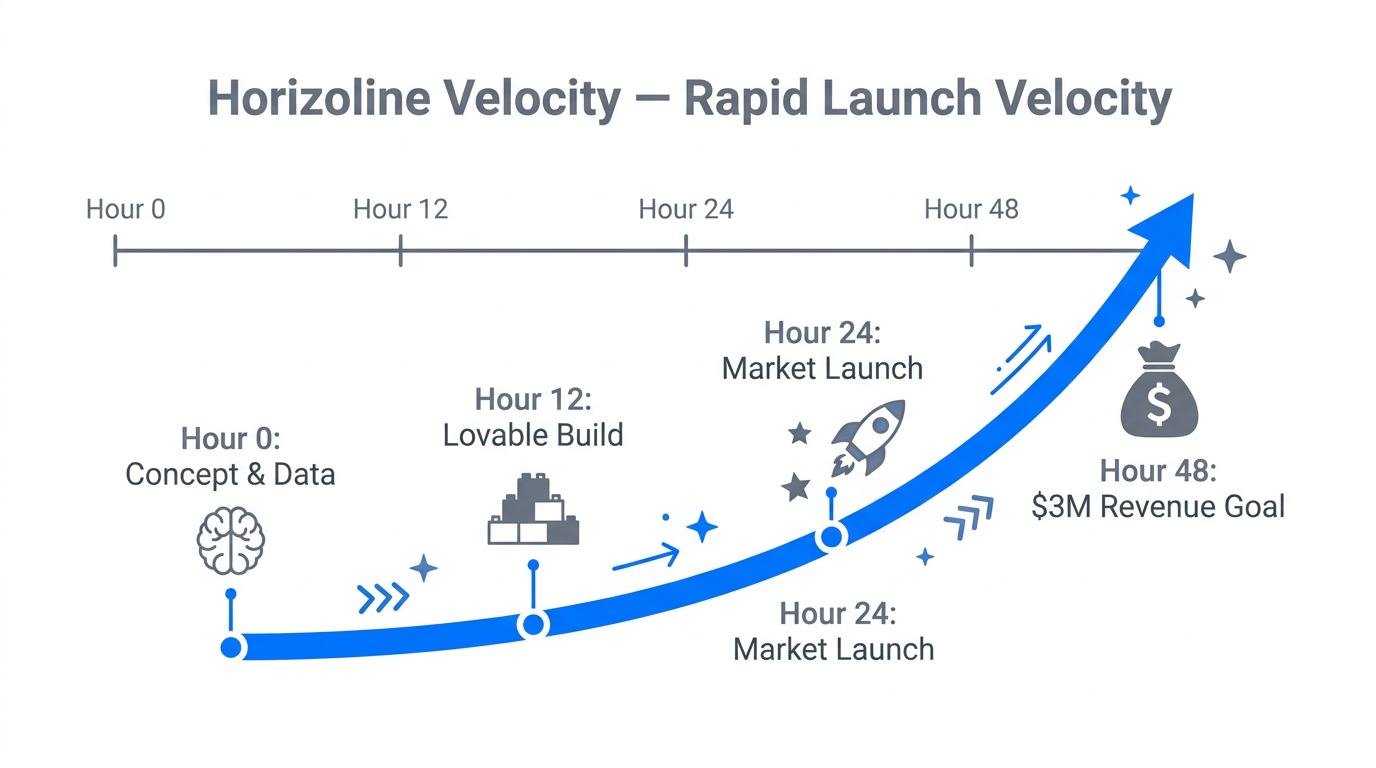
The year 2026 marks the era where speed is the only sustainable competitive advantage. According to Gartner, worldwide AI spending is projected to hit $2.52 trillion this year, a staggering 44% increase year-over-year. This capital isn't just going into big models; it's going into the hands of ‘Vibe Engineers’ who use rapid app development for entrepreneurs to bypass traditional agencies.
Traditional builds often cost upwards of $50,000 and require months of negotiation and scoping. However, by adopting the 10-minute AI playbook, founders are now launching 95% AI-generated codebases, a trend seen in over 25% of recent Y Combinator startups. This shift allows for ‘Velocity-to-Revenue,’ where a founder can identify a market gap on Monday and have a paid MVP by Friday. The goal is no longer to build the ‘perfect’ architecture but to capture market demand before the window closes.
"You don't need to become a developer... you just need AI. This is a 10-minute playbook to replace $50k app builds." — Greg Kowalczyk, Boring Marketing
Case Study: How Caio Moretti Scaled to $3M in 48 Hours
One of the most explosive examples of this framework in action is entrepreneur Caio Moretti. By leveraging Lovable, a high-speed full-stack web app builder, Moretti was able to architect, build, and launch a product that generated $3 million in revenue within just 48 hours of going live. This wasn't a fluke; it was the result of using a prompt-to-app generator to rapidly iterate on a high-converting lead magnet that evolved into a full-scale product.
Moretti's success highlights the power of Lovable, which reached $206M ARR in late 2025 by allowing users to build through conversation rather than syntax. When building with Lovable, the process feels more like a strategic dialogue than a coding session. For Moretti, this meant he could focus 100% of his energy on the marketing funnel and user experience, while the AI handled the database schemas and frontend components in the background. This is the essence of AI-driven revenue growth: decoupling technical complexity from business output.
| Feature | Traditional Agency Build | Lovable AI Playbook |
|---|---|---|
| Average Cost | $50,000 - $150,000 | ~$1,000 |
| Time to Launch | 4 - 8 Months | 2 - 4 Weeks |
| Flexibility | Slow (Contract changes) | Instant (Prompt changes) |
| Primary Risk | Large financial outlay | Technical debt at scale |
Building 'Utility-Led Growth' Tools for Under $100
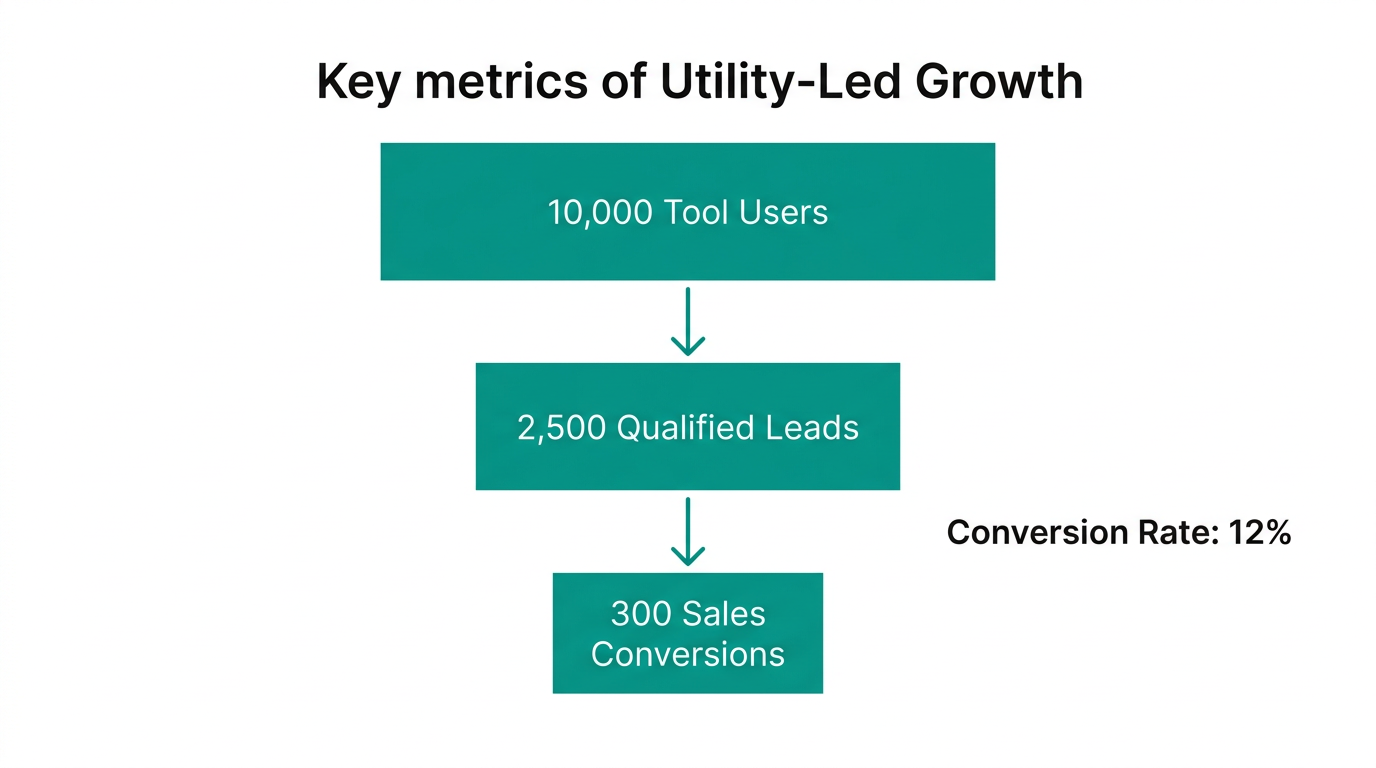
The concept of Utility-Led Growth is the 2026 version of the lead magnet. Instead of offering a PDF, brands are offering custom software tools that solve a specific problem. For example, Sarah, a designer, built a custom project management tool for $67 in Replit credits, saving her 5 hours of admin work per week. This same tool now serves as a high-converting portal for her clients, proving that you can build an MVP in 90 minutes that provides real utility.
The Strategy for Utility Lead Magnets
- Identify a Micro-Problem: Don't try to build a bloated enterprise CRM. Build the ‘Ad Spend ROI Calculator for TikTok Shops.’
- Leverage the 'Boring Stack': Use Next.js, Supabase for data, and Clerk for auth. These tools are ‘AI-native’ and easy for agents to read.
- Embed Direct Value: The tool should give the user an immediate win. If it's a content planner, it should output a full week of posts in one click.
Once your utility tool is live, the next step is distribution. To scale these tools rapidly, founders are turning to influencer-led growth. By using platforms like Stormy AI, you can instantly find UGC creators who specialize in niche software reviews to demo your AI-built tool to their audience. This creates a feedback loop of rapid building and rapid scaling that was impossible just two years ago.
"Building software has become a conversation. If you can describe the problem, the AI can build the solution for less than the price of a nice dinner." — Anton Osika, CEO of Lovable
The 10-Minute AI Playbook: 7 Steps to a High-Converting MVP
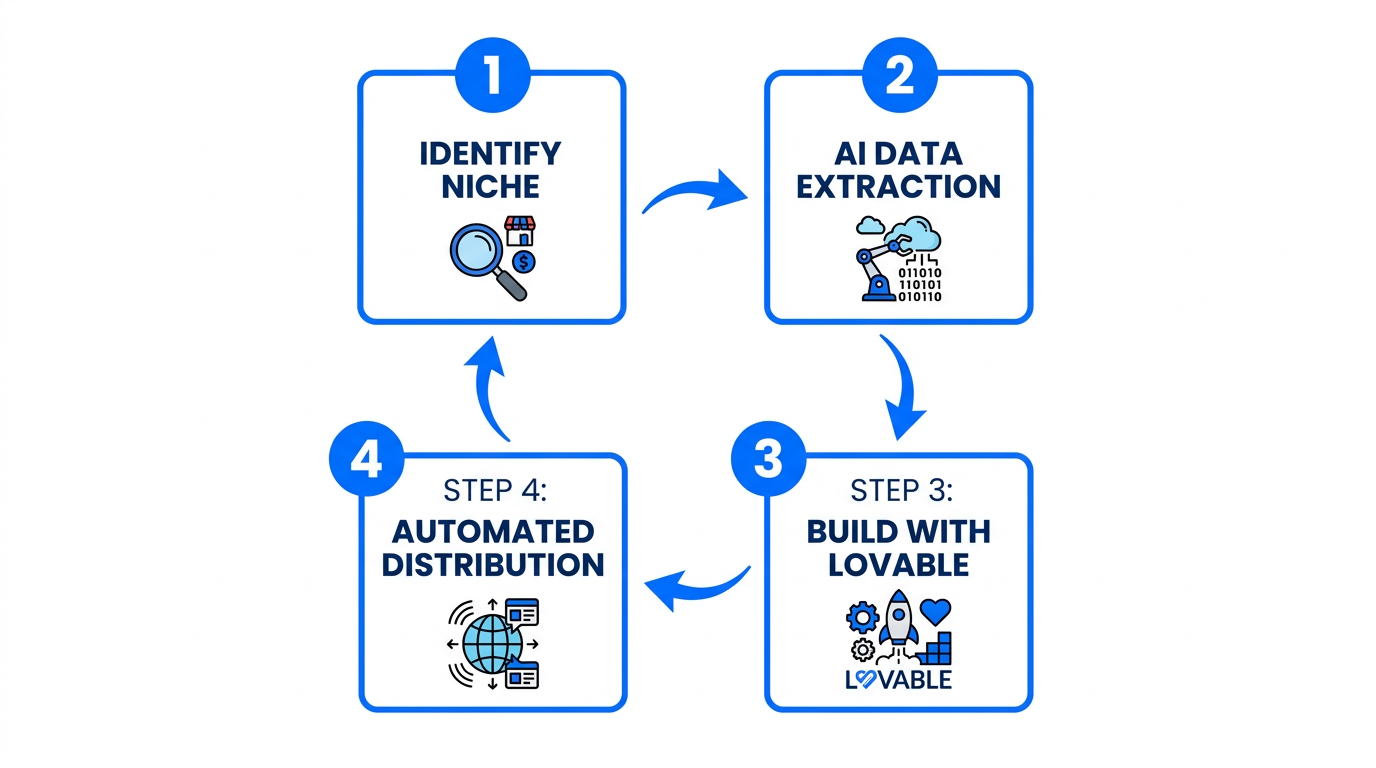
To successfully navigate the rapid app development for entrepreneurs, practitioners follow a standardized 7-step sequence. This ensures the AI doesn't just ‘vibe’ through the build but actually creates a production-ready application.
Step 1: The PRD First Approach
Never start by prompting the app builder. Use Claude or ChatGPT to write a detailed Product Requirements Document (PRD). Define your database schema, user flows, and tech stack clearly. This becomes the ‘source of truth’ for the AI agent.
Step 2: Modular Prototyping
Build the app in ‘tiny modules.’ Don't say ‘build a marketplace.’ Instead, say ‘build a login screen using Clerk,’ then ‘build a product listing page using Supabase.’ Tools like Lovable or Bolt.new excel at this iterative approach.
Step 3: Active Debugging and Logs
When the app breaks (and it will), don't panic. Test the app, copy the error logs from the browser console, and feed them back to the AI. This is where AI-driven revenue growth happens—in the ability to fix bugs in seconds rather than waiting for a developer's Jira ticket.
Step 4: Managing AI Context
As your codebase grows, the AI can get confused. ‘Clear context’ aggressively. Only give the AI the specific files it needs to solve the current task. This prevents hallucinations and keeps the code clean.
Step 5: Migration to a Professional IDE
Once you have the ‘vibe’ of the app down in a builder, migrate the code to a professional IDE like Cursor. Cursor allows for deep, context-aware coding that can handle complex logic that prompt-to-app generators might struggle with.
Navigating the 'Debugging Gap' and Technical Debt
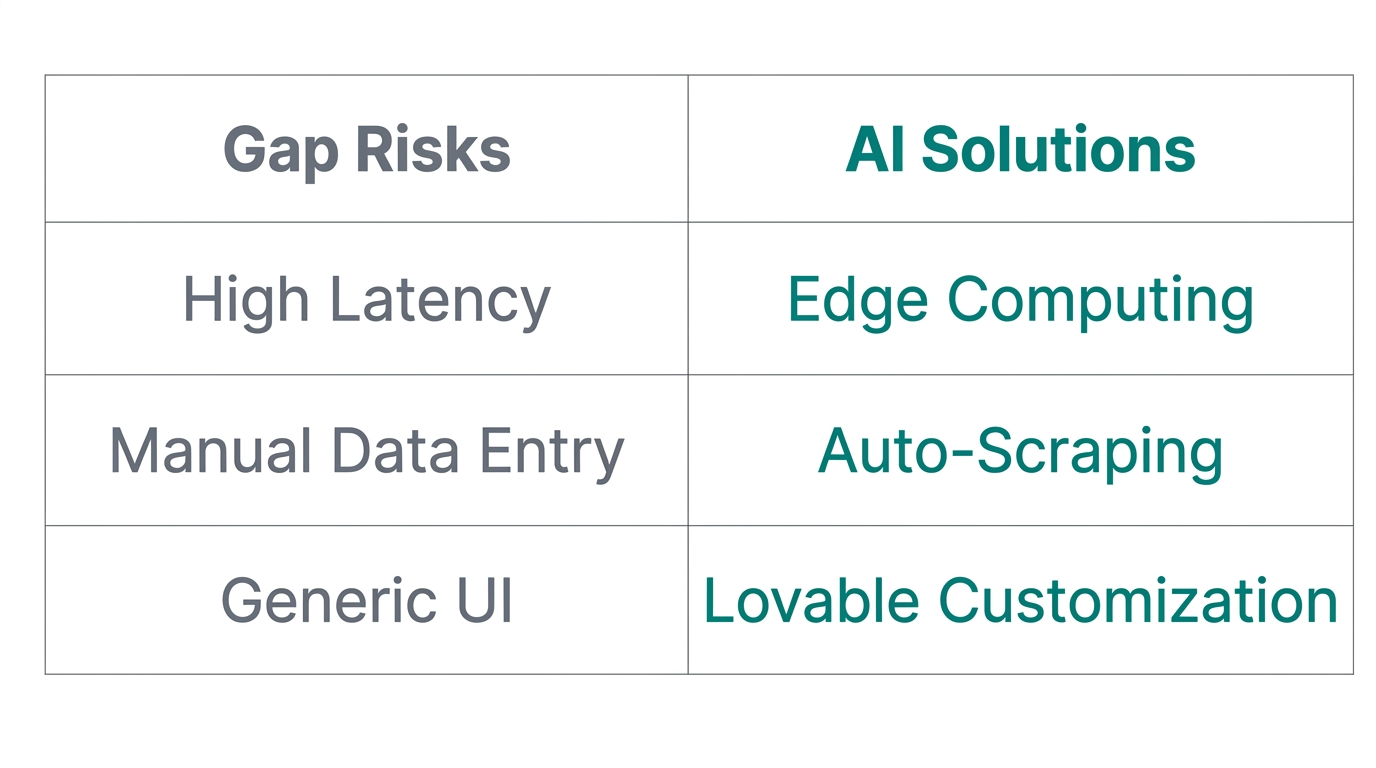
The biggest risk of the 10-minute AI playbook is the Debugging Gap. This occurs when a founder ships 15,000 lines of code they don't understand. When a scaling hurdle hits, or a database connection fails, ‘vibe coders’ can find themselves stranded. Research from Reddit practitioners suggests that 90% of AI-written codebases carry high technical debt.
To bridge this gap, modern builders are using AI Documentation. Instruct the AI to document every function and component in detail. This makes future maintenance significantly easier. Furthermore, don't ignore the ‘Final 20%’ problem. AI can get you 80% of the way in minutes, but polishing the UI and fixing edge cases will still take focused effort. Treat the AI as your lead developer, but you must remain the Human Conductor who understands the system architecture.
"The speed is real... but vibe coders who never learned to debug are screwed when the AI generates code they don't understand." — r/SaaS Practitioner
Conclusion: The Era of the Solo Industrialist
The success of founders like Caio Moretti proves that the 10-minute AI playbook is more than just a trend—it is the new standard for business growth in 2026. By using tools like Lovable and Cursor, you can bypass the capital-intensive hurdles of the past and focus on what truly matters: solving user problems and generating revenue.
The playbook is simple: define your utility, build your MVP in 90 minutes, and scale via hyper-targeted growth strategies. If you are ready to scale, remember that the software is only half the battle. To drive traffic to your new AI-powered platform, leverage the power of influencers. Discover creators on Stormy AI to kickstart your growth engine while your AI agent handles the technical heavy lifting. The only thing standing between you and a $3M launch is the speed at which you hit 'Enter.'