Most founders believe that reaching a million-dollar run rate requires years of grinding, a massive engineering team, and a bloated venture capital round. However, the rise of the AI-native ecosystem has rewritten the rules of B2B SaaS scaling. According to recent SaaS growth benchmarks, it is now possible to go from a side project with 16 followers to a seven-figure business in less than four months. This isn't theoretical; it’s a blueprint recently executed by founders who prioritized speed of deployment over architectural perfection and leveraged the power of viral distribution networks.
The Viral Catalyst: Building in Public with Zero Audience
The journey of AI startup growth often begins with a single, high-leverage moment on social platforms like X (formerly Twitter). The misconception is that you need a massive following to go viral. In reality, the algorithm prioritizes high-signal content that demonstrates immediate value. A demo that shows a solution to a painful problem—such as interacting with complex data via a chat interface—can explode even if the account behind it is brand new.
To replicate this, your content must focus on minimizing the time to the 'Aha' moment. If a user can't understand exactly what your product does within the first 10 to 20 seconds of a video, you've lost them. Using familiar interfaces, like the streaming text response pioneered by OpenAI, creates immediate cognitive ease for the viewer. Furthermore, by tagging the infrastructure providers you use—such as Vercel or Pinecone—you tap into their marketing engines. These platforms are often looking for real-world use cases to promote, creating a viral loop that amplifies your reach far beyond your initial following.
The PLG Stack: Building a Frictionless Conversion Engine
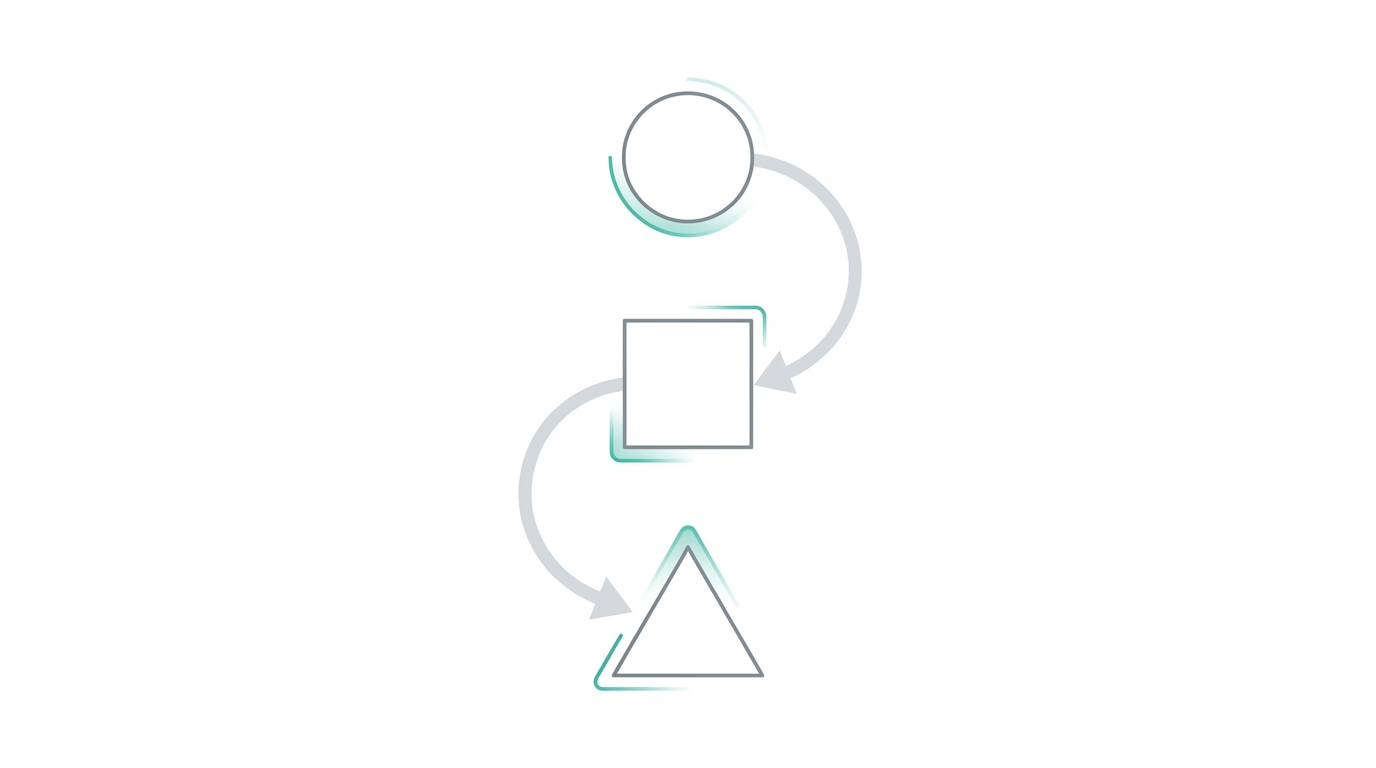
Reaching the milestone of scaling to 1 million ARR requires a transition from manual sales to Product-Led Growth (PLG). In a PLG model, the product itself is the primary driver of customer acquisition, conversion, and expansion. This means removing every possible barrier between a user seeing your landing page and handing over their credit card info, a strategy documented in the OpenView PLG index.
The modern PLG stack is designed for extreme efficiency. At the core is Stripe for seamless global billing and Dub for managing affiliate relationships that can further drive organic growth. However, traffic alone doesn't equal revenue; you need a tool to identify who the high-value users are. While managing thousands of potential leads, many founders struggle to find the right creators to partner with to maintain that momentum. This is where Stormy's AI search becomes invaluable, allowing you to discover influencers across TikTok, YouTube, and Instagram who match your niche perfectly using natural-language prompts.
High-Impact Sponsored Social Media Posts
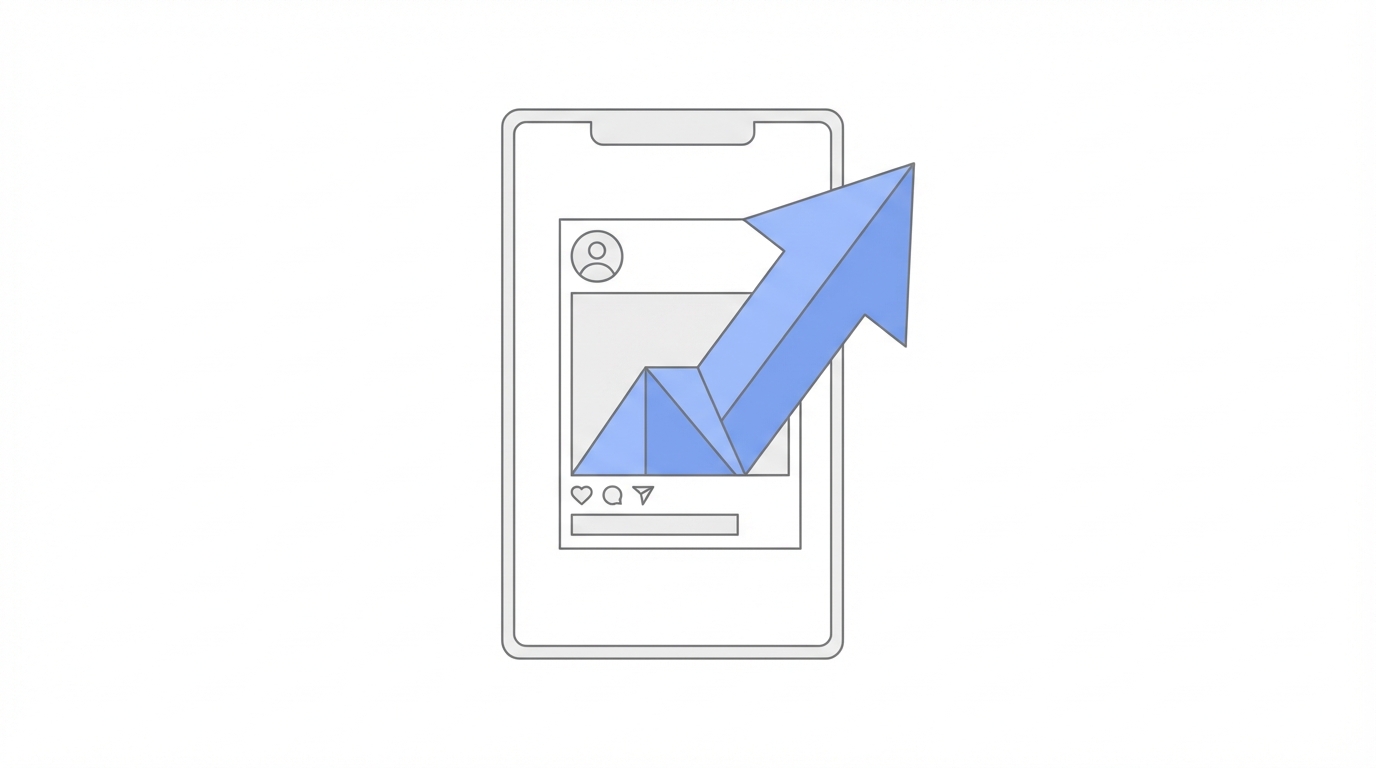
When organic momentum dips, sponsored social media posts serve as the fuel to keep the growth engine running. A single well-placed post on a high-authority LinkedIn page or a niche-specific X account can generate massive revenue spikes. For instance, founders have reported generating over $4,000 in a single day from one sponsored post by targeting audiences that already have a high intent to use AI productivity tools.
The key to successful sponsored content is structure. It shouldn't look like a traditional ad; it should look like a resource. Whether it's a list of "10 AI tools to save you 20 hours a week" or a deep-dive case study, the content must provide value before it asks for a sale. To ensure you aren't wasting your budget on pages with fake engagement, savvy marketers use Stormy AI for influencer vetting and fake follower detection to verify audience demographics before signing a deal.

The 'Anti-Wrapper' Mentality: Speed Over Criticism
A common critique in the SaaS world is the dismissal of new apps as "just a ChatGPT wrapper." Many founders let this technical criticism slow them down, worrying about building proprietary infrastructure before they have their first customer. This is a mistake. The product led growth playbook suggests that the market doesn't care about the backend; it cares about the user experience (UX) and the solution provided.
The "Anti-Wrapper" mentality involves being unashamed of using existing APIs from Anthropic or OpenAI to deliver value today. By moving fast and ignoring the "wrapper" label, you can capture market share while incumbents are still debating their long-term architectural roadmap. Success in AI startup growth is often a game of who can iterate on the UI/UX the fastest, not who can build the most complex LLM from scratch.
The Tech Stack for Speed: Choosing the Right Foundation
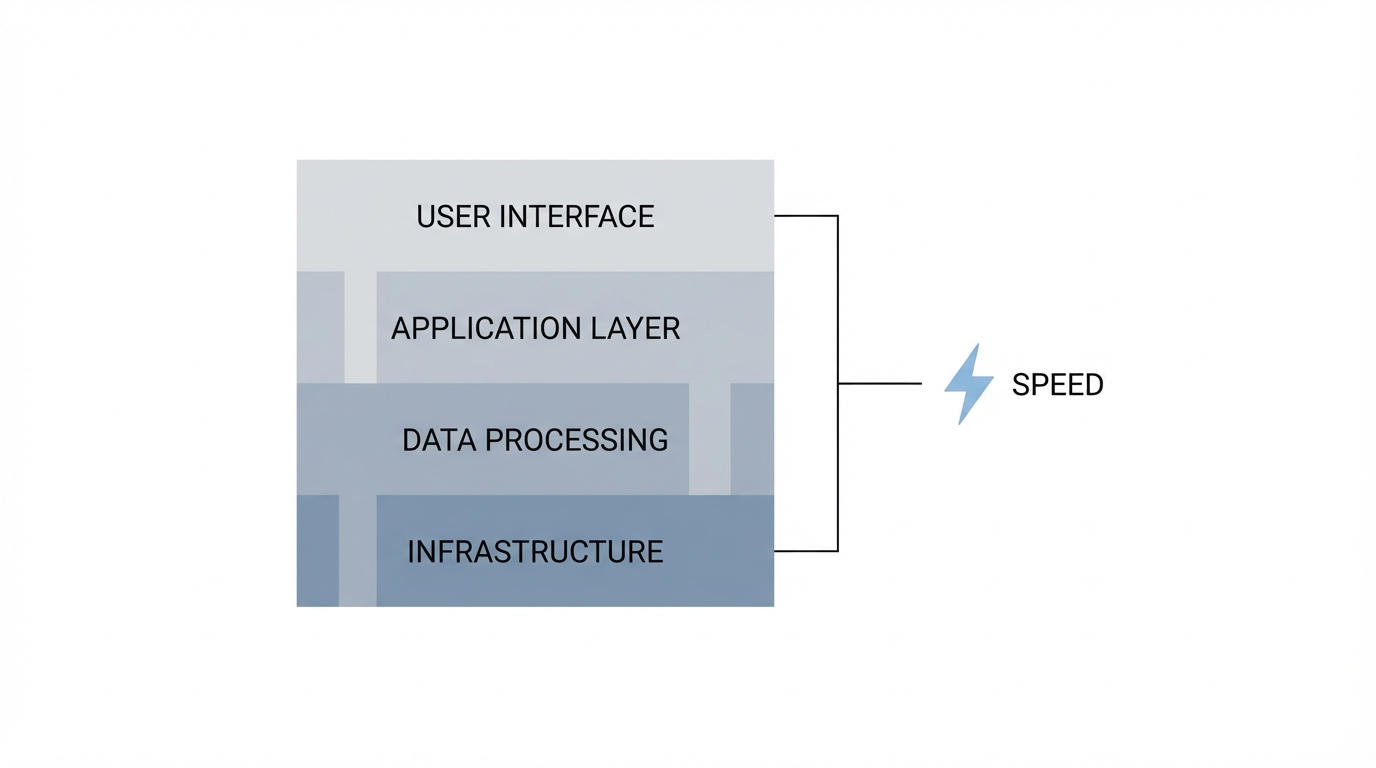
To maintain the pace required for B2B SaaS scaling, your tech stack must prioritize deployment speed and developer experience. The goal is to spend zero time on server maintenance and maximum time on feature development.
- Database: Supabase provides a powerful, scalable backend that handles everything from auth to real-time data without the overhead of a traditional SQL setup.
- Documentation: Mintlify allows you to build beautiful, functional docs that reduce support tickets and help users self-serve.
- AI Infrastructure: Using the Vercel AI SDK allows you to easily switch between models like GPT-4, Claude, or Gemini, ensuring your app stays at the cutting edge as new models are released.
As your user base grows to hundreds of thousands, managing outreach to these users and potential partners becomes a full-time job. Instead of hiring a massive team, you can deploy Stormy's AI outreach agent to handle personalized communications and automatic follow-ups on a schedule, allowing you to scale your relationships at the same speed as your server capacity.
Managing Viral Momentum: From Side Project to Scale
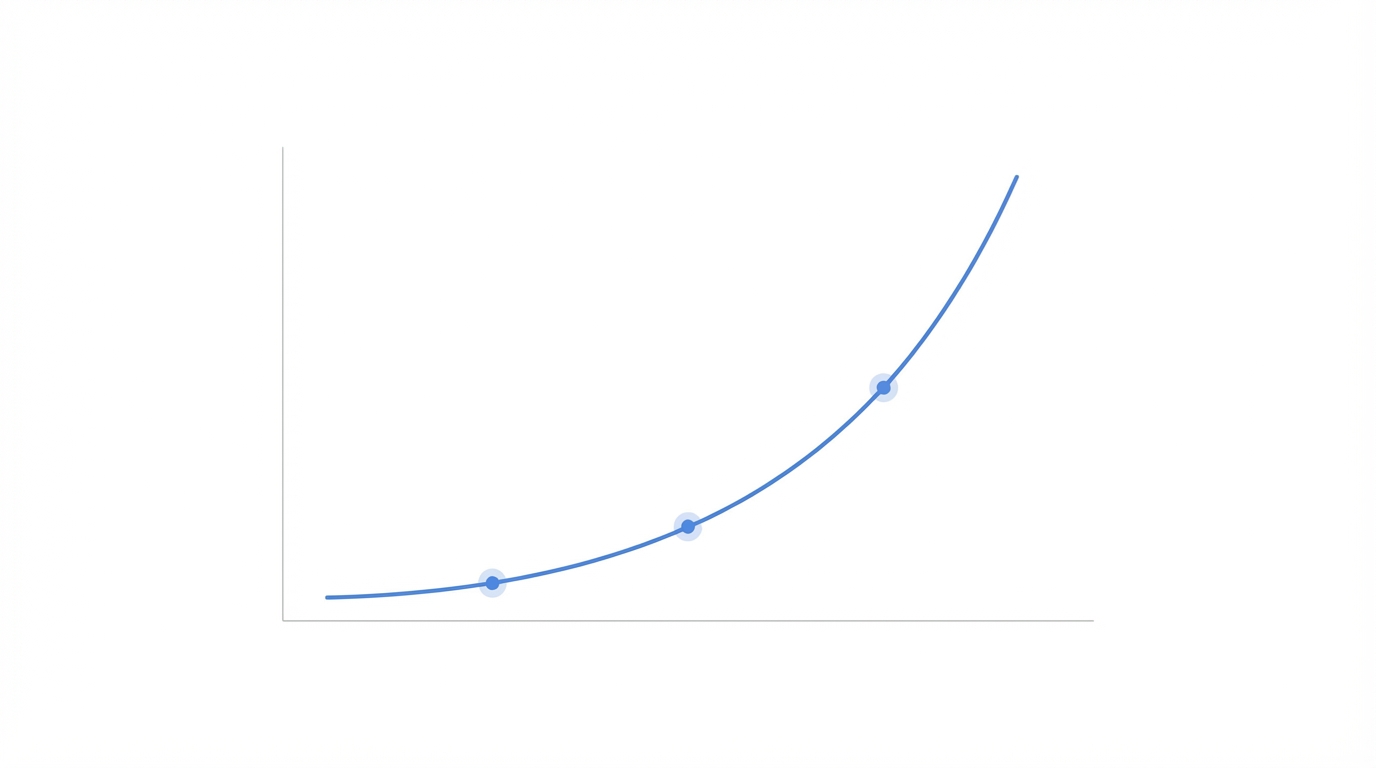
The hardest part of scaling to 1 million ARR is often the psychological transition. Many founders start these projects in their dorm rooms or while working full-time jobs. When growth hits an inflection point—such as seeing 2-3 sales every hour—the decision to go all-in becomes critical. Viral momentum is fleeting; if you don't capitalize on it by doubling down on marketing and stability, the window of opportunity will close.
One creative way to maintain this momentum is by "seeding" the internet with free value. Creating free AI agents for popular books, influencers like Paul Graham, or specific subreddits can drive massive domain authority and traffic back to your main product. It’s an investment in SEO and brand awareness that pays off in the form of long-term organic leads.
Betting on the Future: The Next Phase of AI Growth
The final step in the product led growth playbook is to build for the "intelligence overhang." This means identifying problems that current AI models can't quite solve yet, and building the product infrastructure around them anyway. By the time the next generation of models arrives, your product will be the first one ready to leverage that new power, giving you a massive head start over latecomers.
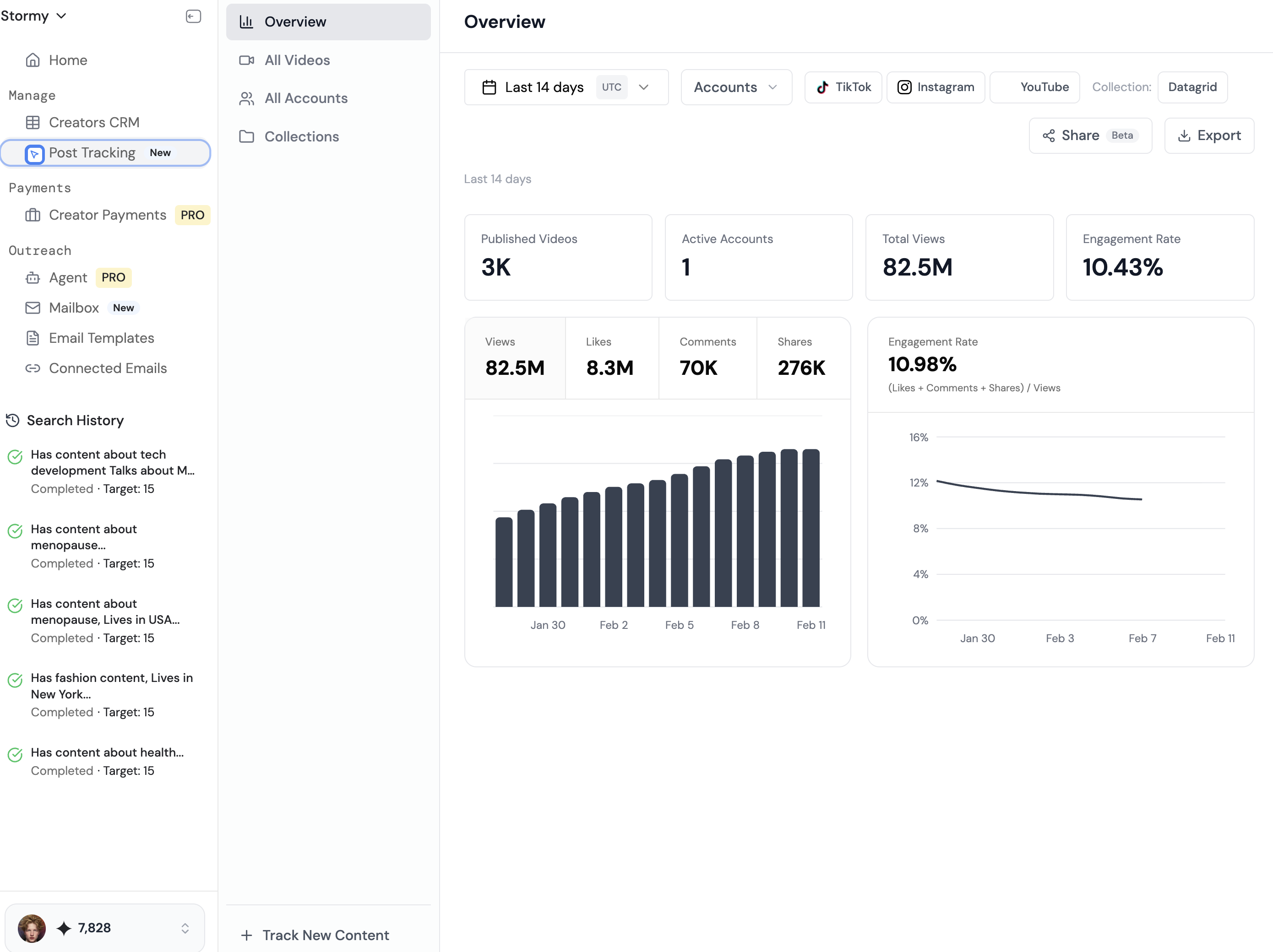
To track the effectiveness of these long-term strategies, you need robust analytics. Using Stormy's post tracking and analytics allows you to monitor exactly how your collaborations and content are performing across different social platforms, giving you the data needed to pivot or scale your efforts based on real-time engagement metrics.
The Path Forward for Modern Founders
Scaling a B2B SaaS to $1M ARR in under four months is no longer a myth—it is a repeatable strategy for those who embrace the PLG model, leverage sponsored social media posts, and maintain an aggressive focus on speed. By combining a lean tech stack with powerful AI-native tools, you can bypass the traditional growth hurdles that stopped previous generations of startups. Ready to find the creators who will take your app to the next level? Start using Stormy AI today to automate your discovery, vetting, and outreach processes and turn your side project into a scaling machine.