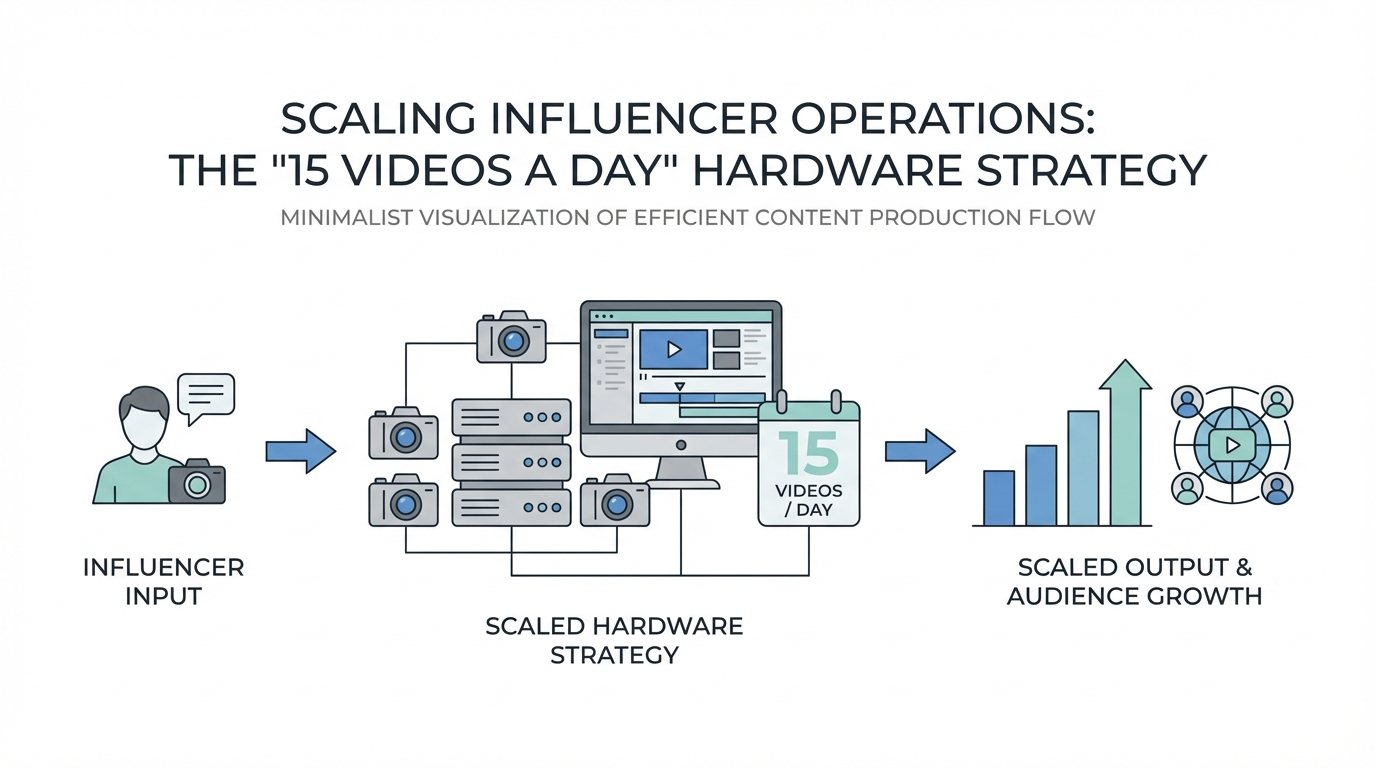
For years, the dream of scaling TikTok marketing was built on a lottery system: hire a few influencers, cross your digits, and hope the algorithm gods smiled upon your creative. But as the platform matured, the "lottery" became a science. Today, the most successful consumer app founders aren't just looking for one viral hit; they are building industrial-grade content machines capable of pumping out 15 to 50 videos every single day. This isn't about being lucky; it's about logistical dominance. To achieve this level of volume without getting suppressed by the algorithm, elite growth hackers are turning to a specific, hardware-heavy influencer operations strategy that bypasses traditional marketing hurdles.
The Global Phone Farm: Physical Hardware vs. Digital Proxies
One of the biggest obstacles in ugc creator management is geography. If you hire a talented creator in the Philippines or Eastern Europe, TikTok's algorithm will naturally serve that content to local audiences. For a US-based app, 100,000 views in Manila are significantly less valuable than 5,000 views in Manhattan. Founders used to try bypassing this with VPNs, but the TikTok algorithm has become incredibly sophisticated at detecting digital proxies and shadowbanning accounts that attempt to spoof their location.
The solution? Physical hardware. The current meta for offshore marketing teams involves shipping physical iPhones with US-based SIM cards to creators abroad. By using a physical device tied to a US carrier, the content is registered as domestic. As Joseph Choi, founder of Consumer Club, recently highlighted, this hardware-first approach allows founders to leverage affordable global talent while maintaining a direct line to the world’s highest-LTV (Lifetime Value) consumers. It’s a logistical challenge, involving international shipping and technical setup, but it’s the only way to ensure 100% deliverability to Western audiences.
The '3-Videos-Per-Account' Rule: Preventing Shadowbans

In the early days of social media marketing, you could spam a single account until it broke. On modern TikTok, that is the fastest way to hit a reach ceiling. To maintain high volume without triggering tiktok shadowban prevention mechanisms, professional operations follow the 3-videos-per-account rule. The logic is simple: TikTok's automated moderation systems tend to flag accounts that post excessive amounts of content in a 24-hour window as "low quality" or "spammy."
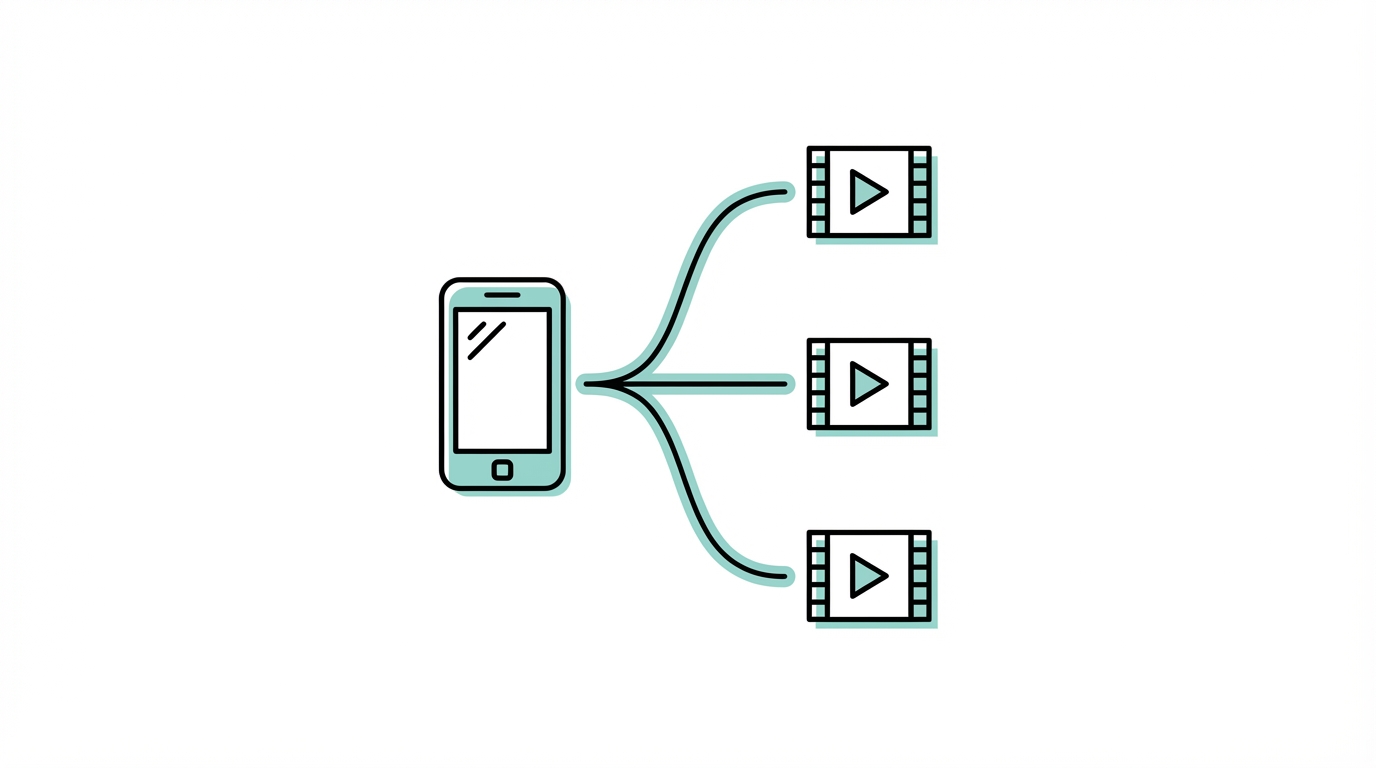
To scale to 15 videos a day, you don't post more on one account; you diversify across multiple accounts. A single phone can typically handle five separate TikTok accounts without raising red flags. By posting three videos per account across five accounts, one creator with one physical phone can hit the 15-video-per-day target. If you scale this to a team of five creators, your operation is suddenly generating 75 unique pieces of content daily. This diversification ensures that if one account is flagged or underperforms, the rest of the ecosystem remains healthy and productive.
Creator Training: Moving from 'Low Creativity' to 'High Execution'
The biggest mistake founders make when hiring an offshore marketing team is asking them to be "creative." True creative direction should remain with the founder or the core growth team. The offshore operation should be treated as an execution engine. Instead of giving a creator a vague prompt like "make a funny video about our app," high-scale operations provide frame-by-frame blueprints.
Successful brands like Tabs Chocolate and Cal AI didn't reinvent the wheel with every post. They identified "winning formats"—such as the phone-in-hand demo or the green-screen talking head—and had creators replicate them with surgical precision. Training involves teaching creators how to warm up accounts, how to use retention-editing hacks (like text-heavy loops), and how to optimize hooks for the first 1.5 seconds of a video. When you move the burden of "what to make" away from the creator, their output speed triples.
Founder-Led vs. Agency-Led: Why You Shouldn't Outsource the Edge
There is a strong temptation to hire an agency to handle your ugc creator management. However, at the start of a campaign, the "edge" is usually found in the nuances of the creative. As Joseph Choi noted in the Superwall Podcast, the best organic experts are usually the founders themselves because they are the most financially incentivized to find the winning hook. Agencies often suffer from lifespan decay; they either take on too many clients or their top talent leaves to build their own apps.
By leading the initial distribution strategy, a founder can identify which micro-trends are actually driving downloads. Once the "winner" format is identified, it can be documented into a playbook and handed off to a specialized platform or a managed offshore team. Tools like Stormy AI can drastically simplify this handoff by helping founders discover the right creators for these specific roles and managing the outreach and relationship stages in a centralized Creator CRM.
Managing a Distributed Creator Network in the Philippines
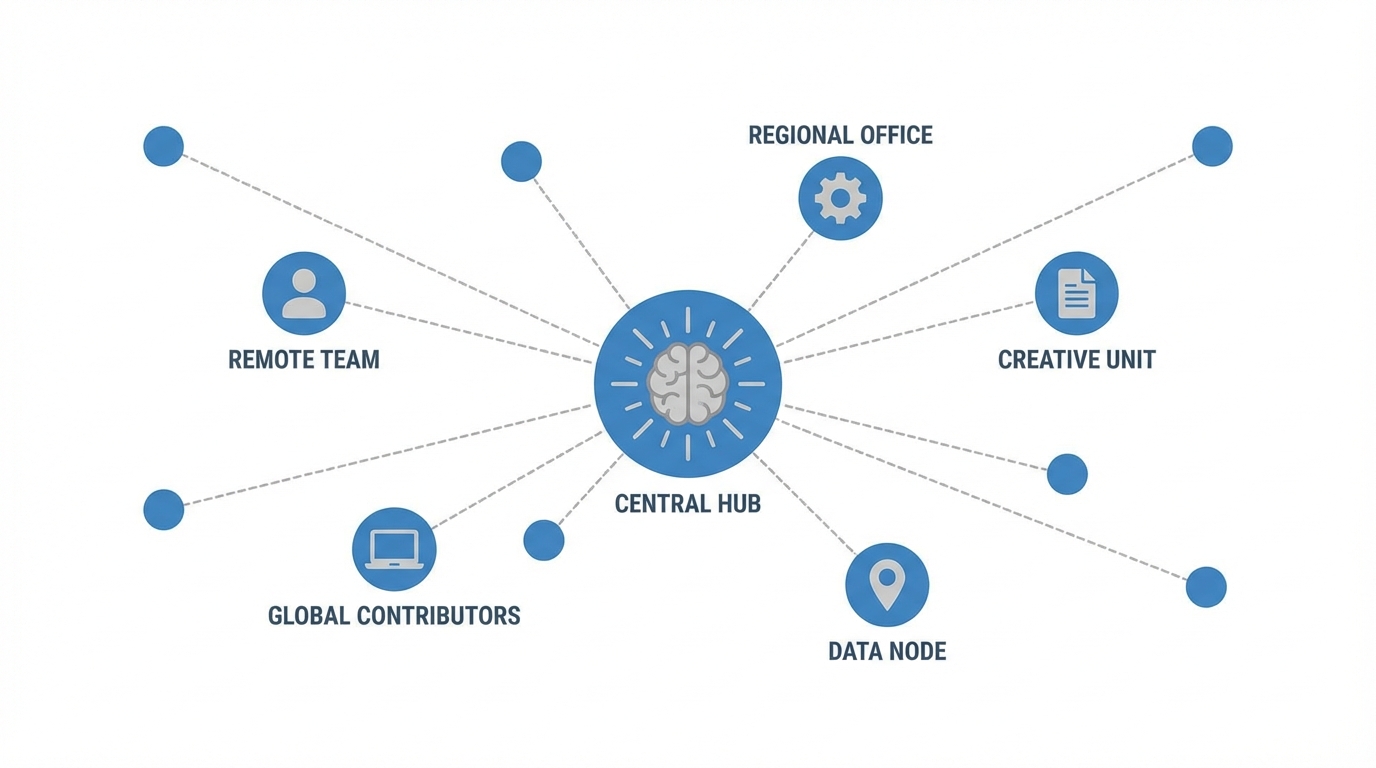
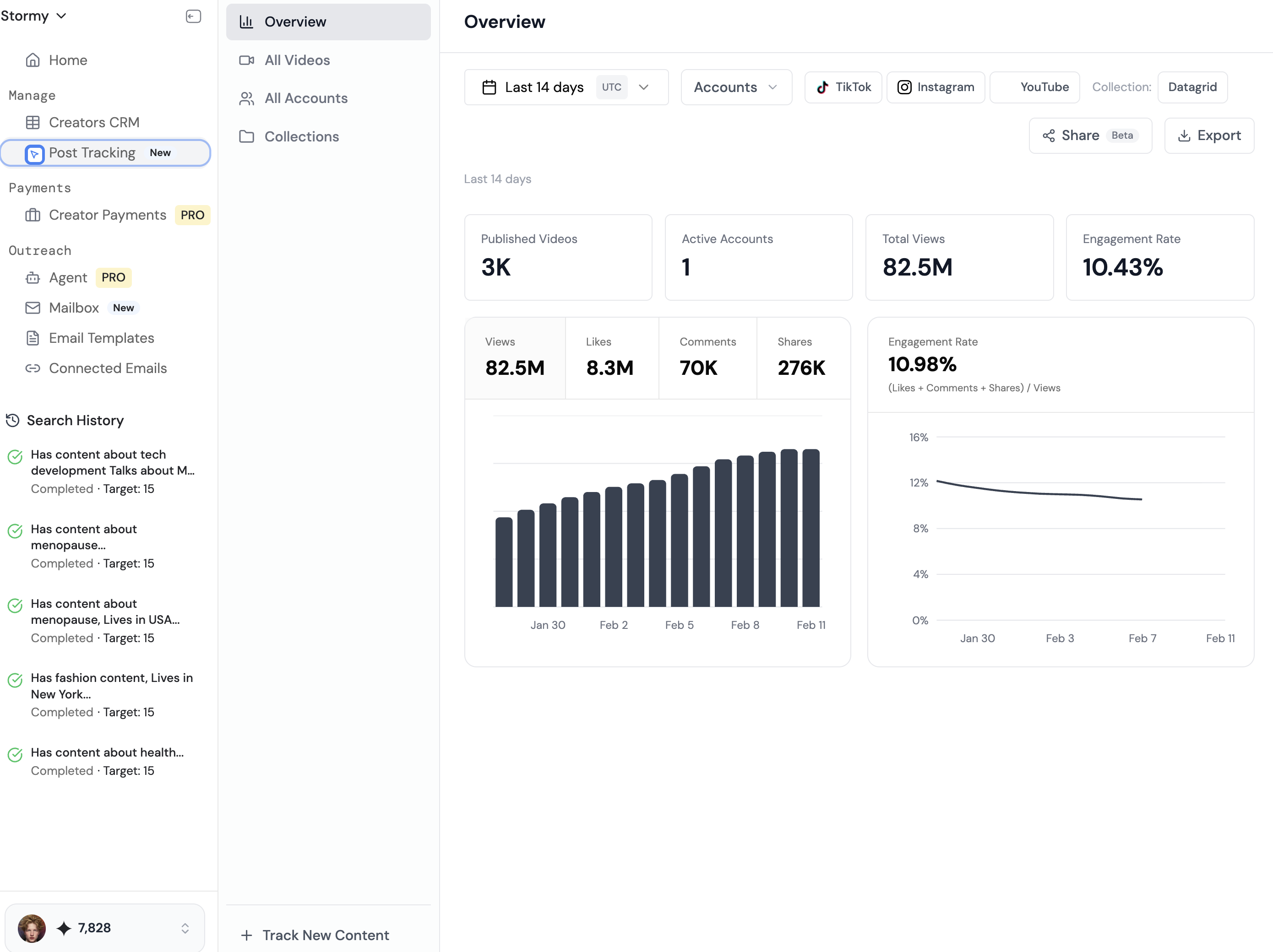
The Philippines has become the global hub for offshore marketing teams due to high English proficiency and a culture deeply attuned to Western social media trends. However, managing 10+ creators across different time zones requires more than just a Slack channel. You need a dedicated infrastructure for influencer operations strategy.
This includes:
- Automated Workflows: Using tools to track video submissions and approval statuses.
- Payment Rails: Using Stripe or specialized creator payment platforms to handle international transfers.
- Performance Vetting: Constantly analyzing which creators are hitting the "For You Page" (FYP) and which are getting suppressed.
For operations at this scale, platforms like Stormy AI provide a significant advantage by allowing you to vet creators for engagement fraud and monitor their post performance automatically. This level of post tracking and analytics ensures that you aren't wasting hardware or SIM cards on creators who aren't delivering results.
The Pivot: Converting Viral Attention into App Downloads
Getting millions of views is useless if it doesn't move the needle on the App Store. The final piece of the 15-video-a-day strategy is the soft-sell CTA (Call to Action). Modern TikTok users are allergic to hard sales. Instead of a blatant "Download my app now," successful creators use the comment section conversion method. A creator flashes an interesting app interface for 0.5 seconds, then waits for the inevitable "What app is this?" comments. Replying to those comments with a video reply creates a retargeting loop that the algorithm loves.
By combining this subtle marketing with the brute force of a hardware-based phone farm, brands can dominate a niche within weeks. It requires an initial investment in logistics and a willingness to manage people, but for those who master the 15-video-a-day strategy, the rewards are measured in millions of organic downloads and a massive competitive moat.
Conclusion: Building Your Distribution Machine
The era of "spray and pray" influencer marketing is over. To win in 2025, you need to think like a logistics company as much as a creative one. By implementing physical hardware farms, enforcing the 3-videos-per-account rule, and focusing on high-execution training, you can build a distribution machine that operates while you sleep. Start by finding your winning format yourself, then use AI-powered tools to source the talent and scale the operation into a dominant market force.