In the high-stakes world of mobile app growth, the barrier to entry is no longer the complexity of the code, but the efficiency of the distribution. We have entered an era where a 14-year-old can out-market a VC-backed startup by simply understanding the rhythm of a TikTok scroll. The playbook has shifted away from high-gloss studio productions and toward high-volume, low-friction content. This article explores the tactical breakdown of how modern growth hackers are using faceless User-Generated Content (UGC) and the emerging wave of AI-generated influencers to scale social growth at a fraction of traditional costs.
The Economics of High-Volume Faceless UGC

Traditional influencer marketing often feels like a lottery. You pay a premium for a single post, hope the creator’s audience aligns with your product, and pray that the algorithm favors the upload. Modern growth specialists have flipped this model. Instead of one high-priced creator, they are managing fleets of faceless UGC pages run by cost-effective talent, such as high school and college students looking for side hustles.
Take the case of the app DBLI, which scaled to 40,000 downloads with minimal effort by shifting to this high-volume model. By hiring students to run roughly eight different faceless accounts, the founders were able to generate "free" installs compared to the cost of traditional paid ads. These creators weren't high-profile influencers; they were "doom-scrollers" who were taught how to replicate viral formats.
Managing Student Talent on a CPM Basis
The secret to managing these high-volume pages is the incentive structure. Rather than paying a flat fee for content that might flop, many successful founders pay on a CPM (cost per thousand views) basis. This aligns the creator's incentives with the brand’s goals: if the video doesn't go viral, the cost to the brand is negligible. If it does, the creator is rewarded for their ability to capture attention.
- Inuitition over Logic: Look for creators who are already heavy consumers of the platform. They often have an intuitive sense of what works better than a professional marketer.
- Low-Friction Training: You don't need a film degree to make a slideshow. Most of the training involves teaching creators how to spot trending audio and how to structure a 3-second hook.
- Scalable Feedback Loops: By running multiple accounts, you can see which "hooks" are working in real-time and pivot your entire fleet to follow the winning trend.
The Power of Slideshow Marketing: Why Lo-Fi Wins
It is a common misconception that higher production value leads to higher conversion. In the current social landscape, the opposite is often true. "Slideshow" marketing—videos consisting of simple, static images or text overlays—is currently outperforming polished video ads for many consumer apps. This is because slideshows blend into the organic feed, reducing "ad blindness" and inviting the user to interact with the content at their own pace.
"A trend is 2D; you see it, you laugh, you scroll. But if you can actually interact with it... that's much more funny and people will automatically share that itself."
Interactivity and Engagement
Slideshows are inherently interactive. They require the user to swipe through the content, which signals high engagement to the TikTok or Instagram algorithm. For apps targeting Gen Z or Alpha, this format feels authentic. It mimics the way they communicate with their peers. Low-production value signals that the content is coming from a real person, not a corporate marketing department, which builds immediate (if subconscious) trust.
The Rise of AI-Generated Influencers and Brand Ambassadors

We have officially entered the era of the hyper-realistic AI influencer. For performance marketers, this is a game-changer. Historically, the biggest bottleneck in UGC was the human element: creators getting tired, wanting higher rates, or going off-brand. AI influencers solve this by providing a 24/7, high-fidelity brand ambassador that can be tuned for maximum performance.
Founders are now launching apps where the entire marketing engine is powered by synthetic humans. These AI creators can show "transformations" (such as in the looks-maxing or fitness niches) that look indistinguishable from reality. While some users may identify the content as AI in the comments, the primary goal—capturing attention and driving a click—is often achieved long before the user realizes the person on screen isn't real.
Performance Marketing with Synthetic Assets
The tactical advantage of AI influencers is the ability to iterate at the speed of light. If a specific frame in a video is causing users to drop off, you can re-generate that specific segment with a different facial expression, background, or outfit in minutes. This level of granular A/B testing was previously impossible with human creators.
A Technical Approach to TikTok Virality: Testing Hooks and Frames
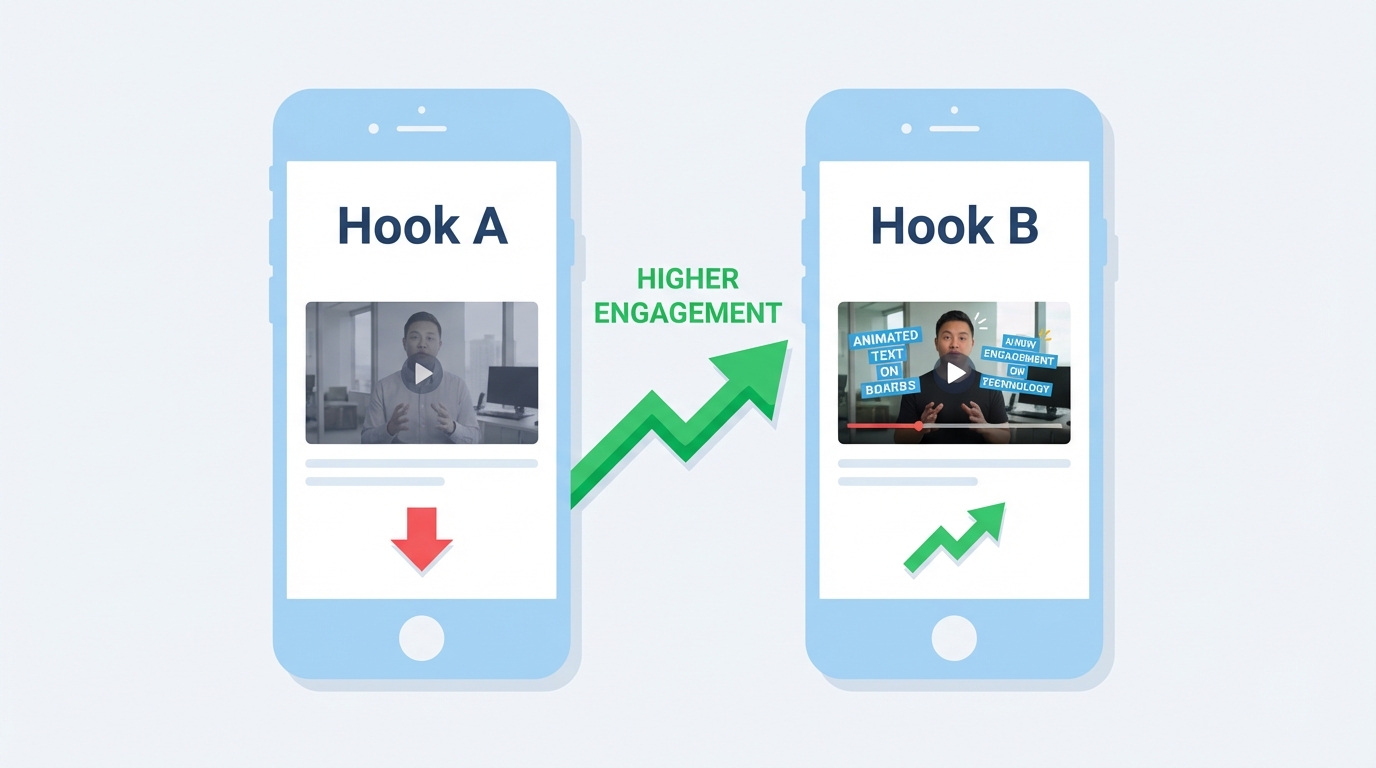
Virality is often treated as a mystery, but successful growth hackers treat it as a technical optimization problem. Scaling social growth requires rigorous A/B testing of "hooks" and "frames." The first three seconds of a video (the hook) determine 80% of its success. If you can’t stop the scroll, the rest of the content is irrelevant.
The Dev Log Strategy
One highly effective format is the "Dev Log" or the "Building in Public" hook. This involves showing the process of creating something—whether it's an app, a game, or a product—specifically tailored to a trending meme. For example, creating a simple game around a viral meme like "The Baby" or "Skibidi Toilet" allows the creator to tap into an existing surge of search traffic and cultural relevance.
- Hook Variation: Test different opening lines. "Day 1 of building X" vs. "Why I built X in 24 hours."
- Visual Frames: Change the background image or the first frame shown in the thumbnail. Even a color shift can impact CTR (Click-Through Rate).
- Comment-Driven Development: Use the comment section to source new features or content ideas. This turns viewers into stakeholders, increasing the "K-factor" (the virality coefficient) as they share the video to see their ideas implemented.
Using Spy Talk to Reverse-Engineer Competitor Outliers
You don't need to reinvent the wheel to scale. One of the most effective strategies is to use tools like Spy Talk to find what is already working. These tools allow you to scan hundreds of thousands of TikToks to identify "outliers"—videos that have significantly higher view-to-follower ratios than average.
When you find a 100x outlier for a fitness app or a wellness tool, you can break down exactly why it worked:
- What was the text hook?
- What was the background audio?
- What was the Call to Action (CTA)?
- How long did each slide or frame stay on screen?
By reverse-engineering these successful formats, you can apply the same psychology to your own product, significantly reducing the "lottery" aspect of social growth.
The Distribution Edge: Influencer Partnerships and Equity Splits
For apps that want more than just fleeting viral downloads, deep influencer partnerships are the key. Moving beyond the "pay-per-post" model to a 50/50 equity split or significant revenue share can transform an influencer into a true business partner. This is particularly effective for mobile games or niche consumer apps where the influencer's "inside jokes" can be baked into the product itself.
The Psychology of Ownership: When an influencer feels like an app is *their* product, their promotion strategy changes. It's no longer a one-off ad; it’s a series of updates, community engagement, and long-term commitment. This leads to higher retention rates, as the audience isn't just downloading an app—they are joining their favorite creator's "world."
Vetting the Right Influencer
Not all influencers are created equal. A creator with 5 million followers might have a "passive" audience that never leaves the app. Look for creators with "active" communities—where people are talking to each other in the comments, sharing inside jokes, and following the creator across multiple platforms. This level of influence is what drives actual downloads and revenue.
The Path to Scalable Social Growth
Scaling an app in 2025 requires a hybrid approach. You must be able to move with the speed of a 14-year-old riding a meme trend while maintaining the analytical rigor of a performance marketer. Whether you are leveraging faceless UGC fleets run by students, experimenting with hyper-realistic AI ambassadors, or using competitive intelligence tools to steal successful hooks, the goal is the same: reduce the cost of attention and increase the speed of distribution.
Key Takeaways:
- Prioritize high-volume, low-cost content over expensive studio ads.
- Incentivize creators on a performance basis (CPM).
- Treat virality as a technical A/B testing problem.
- Look for influencers who can be true partners, not just billboards.
At Stormy AI, we provide the analytics and insights needed to navigate this shifting landscape. Start building your distribution engine today, and turn the next viral trend into your biggest user acquisition channel.