The era of the "one-off prompt" is ending. While many marketers are still stuck copy-pasting individual requests into a chat box, a new breed of growth engineers—often called "vibe coders"—is emerging. These professionals aren't just using AI to write; they are using it to build systems. According to daily.dev, 92% of developers are already using AI coding assistants, and that same technical velocity is now hitting the marketing department. By treating your ai content marketing strategy as a development project rather than a series of tasks, you can scale production to levels previously reserved for enterprise-level teams.
The Shift from Content Writing to Marketing Engineering
For years, the bottleneck in organic growth was human bandwidth. You could only publish as fast as your team could research, write, and optimize. The AI code tools market is projected to grow from $5.28 billion in 2024 to $42.6 billion by 2034, as reported by Global Insight Services. This growth isn't just about software development; it’s about the democratization of automation.
When you use a tool like Claude Code, you aren't just asking a chatbot for help. You are entering a terminal-based development environment designed to execute complex, multi-step workflows. This allows you to build what experts like Prashant Sridharan call a "development environment for marketing." Instead of disposable content, you create reusable frameworks—autonomous engines that can handle seo automation at scale while maintaining a consistent brand voice.
"The rise of agentic tools means growth teams are transforming into high-velocity engineering units, shipping functional products as marketing assets."
Why One-Off Prompts Fail: The Power of CLAUDE.md
The most common mistake in AI-driven marketing is the "Context Death Spiral." This happens when you start a fresh chat for every blog post or ad campaign. By doing this, you lose your brand's soul, historical data, and specific SEO guidelines. To solve this, sophisticated teams use a persistent "North Star" file: CLAUDE.md.
By placing a CLAUDE.md file in your project’s root directory, you provide the AI with a permanent memory center. This file should contain your brand voice, core SEO keywords, formatting rules, and technical constraints. Because Anthropic’s Claude 3.5 Sonnet features a massive 200k token context window, you can feed years of performance data into this single source of truth. Every time you run a command, Claude references this file to ensure the output isn't "AI slop" but rather high-fidelity, brand-aligned content.
The Voice-to-Strategy Workflow
- Record a 15-minute verbal brain dump of your marketing strategy.
- Use a tool like Whisperflow to transcribe the audio.
- Pipe the transcript into Claude Code and command: "Based on this transcript, generate a MARKETING.md and CLAUDE.md file that defines our autonomous growth engine rules."
Leveraging Model Context Protocol (MCP) for Marketing
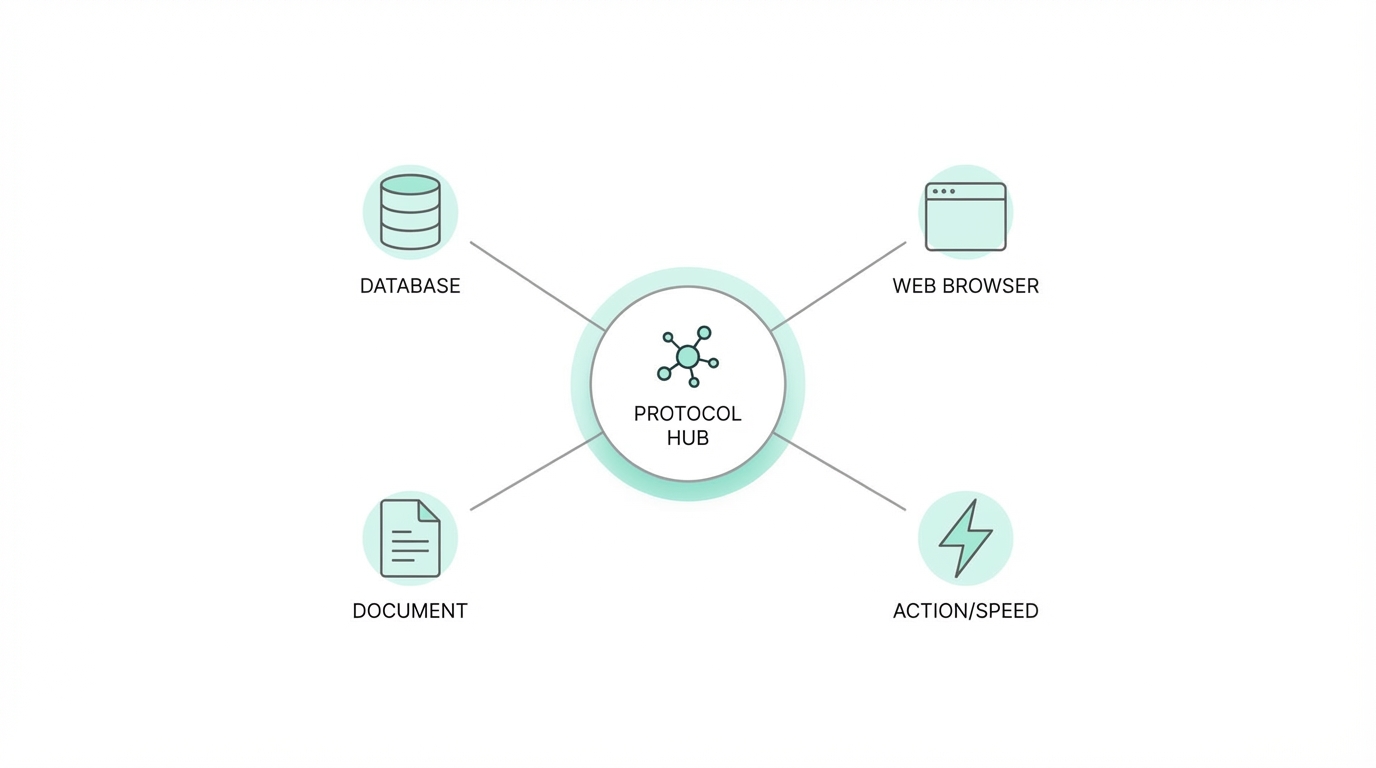
The real breakthrough for claude ai for business is the Model Context Protocol (MCP). MCP allows Claude to securely connect to your existing tech stack—Notion, Linear, Figma, and even your own database—without manual data entry. For a growth marketer, this means your AI agent can read your roadmap in Linear, check the content calendar in Notion, and then write the actual code or content required to hit those goals.
Imagine an automated growth marketing loop where Claude detects a trending keyword in your industry, checks your Notion database for existing coverage, and automatically drafts a new article in your GitHub repository. You can even use the Figma MCP Server to automate creative production. Claude can identify winning copy from a performance CSV and update text layers in your Figma frames for social ads automatically.
"MCP is the nervous system of modern marketing automation, connecting the AI's 'brain' to the tools where work actually happens."
Case Study: 45% Organic Growth via SEO Automation
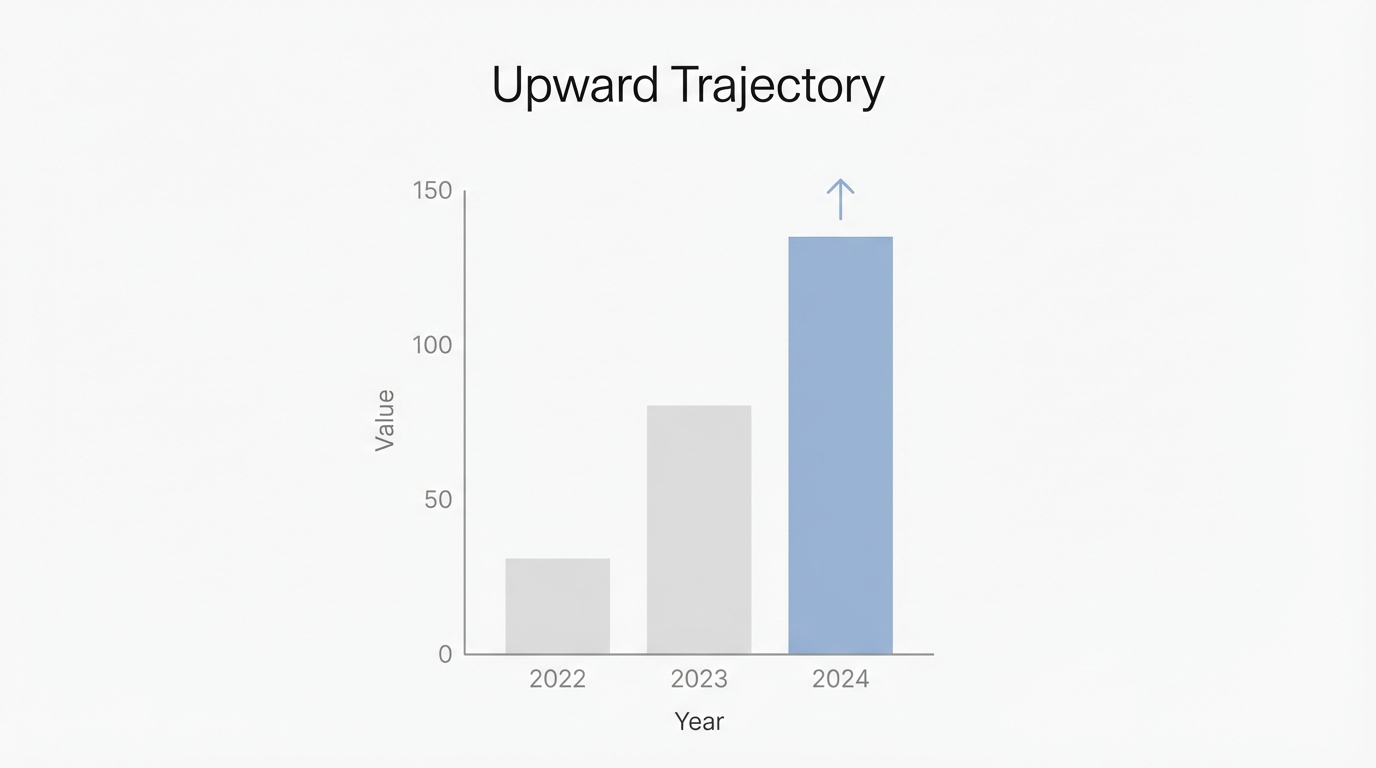
The potential for efficiency gains is staggering. A recent case study involving a fashion retailer showed how they saved 70 hours per month on content creation. By using Claude to generate 20 high-quality, SEO-optimized articles monthly, they saw a 45% increase in organic traffic in just three months. You can read the full details of these AI use cases to see how they structured their workflows.
In another instance, a high-ticket automated marketing campaign—including landing pages and lead capture—was built from scratch in under four hours using the Claude Code CLI. This level of speed allows for rapid experimentation that was previously impossible. When scaling these campaigns, platforms like Stormy AI can help you source and manage the UGC creators needed to provide the authentic visual elements that complement your AI-generated technical SEO structure.

The Playbook: Building "Engineering as Marketing" Tools
Instead of just writing blogs, use Claude Code to build free tools that serve as lead magnets. This is the "Engineering as Marketing" strategy advocated by growth experts like Gabriel Weinberg. Free tools like ROI calculators, generators, or browser extensions often provide better SEO value and higher conversion rates than standard blog posts.
Step 1: Identify the Utility
What is a common calculation or task your customers struggle with? (e.g., "SaaS ROI Calculator" or "Ad Spend Estimator").
Step 2: Build with Claude Code
Inside your terminal, command: "Build a React-based SaaS ROI calculator using Tailwind CSS." Claude will generate the code, handle the styling, and even help you debug the logic.
Step 3: Deploy Instantly
Use a platform like Vercel for instant deployment directly from your terminal. Within minutes, your lead magnet is live and indexed by search engines like Google.
The Human-in-the-Loop Requirement

While the speed of seo automation is intoxicating, total autonomy is a trap. You must implement manual approval steps to avoid legal, security, and brand risks. One major risk is the accidental commitment of secrets; Claude Code might inadvertently include API keys in client-side code during a fast-paced session. Always use .env files and tools like the Semgrep MCP to scan for vulnerabilities.
Furthermore, trusting AI to manage budgets or compliance without oversight can lead to disastrous "AI slop." The most successful growth engines use AI for the 90% of heavy lifting, but reserve the final 10% for human editors and legal teams to ensure brand soul and compliance.
"AI is a great brainstorming and execution partner, but it lacks the 'brand soul' that only a human-in-the-loop can provide."
Conclusion: Starting Your Autonomous Journey
Building an autonomous growth engine isn't about replacing your marketing team—it's about upgrading them into architects. By moving away from one-off prompts and embracing a development-centric ai content marketing strategy, you can achieve exponential growth. Start by establishing your CLAUDE.md file, connecting your tools via MCP, and experimenting with "Engineering as Marketing" lead magnets.
As you scale these automated systems, remember that the most effective campaigns combine technical SEO precision with authentic human content. Whether you are building complex landing pages or using Stormy AI to discover creators for a UGC campaign, the goal is the same: move faster, test more, and build systems that grow while you sleep. The tools are here; it's time to stop writing and start engineering.