As we navigate through 2026, the marketing landscape has shifted from mass broadcasting to hyper-individualized engagement. The old dream of "one-to-one" marketing at scale is no longer a theoretical whitepaper topic; it is a live, automated reality. Today, the battle for consumer attention is dominated by two frontier models: Claude Opus 4.5 and Gemini 3 Pro. Together, these tools are enabling brands to build AI digital twins for marketing and deploy 100+ ad variations in the time it used to take to write a single headline.
Claude Opus 4.5: The Architect of Behavioral Personalization
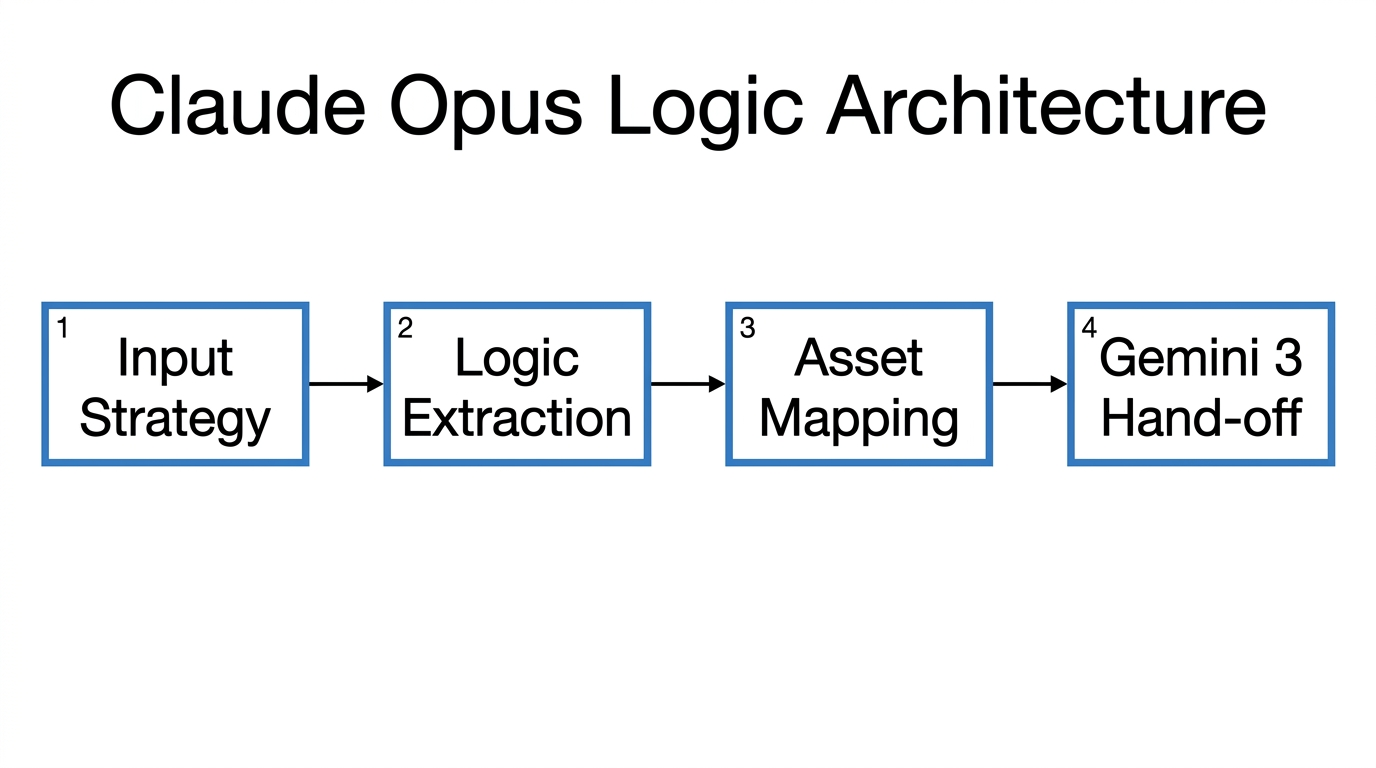
While many models can generate text, Claude Opus 4.5 has emerged as the definitive "Senior Engineer" for high-conversion logic. Its ability to analyze massive datasets of behavioral data allows it to generate messaging that resonates at a psychological level. By breaking 80% on the SWE-bench Verified test, Opus 4.5 provides a level of reasoning that prevents the "robotic" feel of earlier generative models.
Marketers are using Opus 4.5 to architect the "brain" of their campaigns. It doesn't just write copy; it analyzes user intent classification to determine whether a prospect needs a supportive, educational nudge or a high-urgency direct response offer. This Claude Opus 4.5 personalization engine ensures that every landing page and email sequence feels like it was written by a human who understands the recipient’s specific pain points. According to Siege Media, landing pages generated via these AI-hybrid models show a 36% higher conversion rate than static templates.
"The age of scaling through volume alone is over; the new frontier is reasoning-based architecture that mirrors human decision-making processes."
Gemini 3 Pro: Rendering the Future with Digital Twins
If Claude is the brain, Gemini 3 Pro is the body and the visual engine. With its 1M+ token context window, Gemini 3 Pro can ingest a brand's entire visual history, style guides, and past performance data to render Gemini 3 Pro ad creative that is indistinguishable from professional photoshoots.
One of the most transformative trends of this year is the rise of AI Digital Twins. Brands like H&M are now using digital versions of real models to generate dozens of hyper-realistic ad variations tailored to specific demographics in seconds. This eliminates the need for expensive, localized photoshoots. Gemini’s multimodal reasoning allows it to take a single source image and adapt it—changing the background, the model’s clothing, or even the lighting to match the cultural context of a specific geographic target.
| Feature | Claude Opus 4.5 | Gemini 3 Pro |
|---|---|---|
| Primary Strength | High-Logic & Architecture | Multimodal Assets & Scale | Coding Accuracy | 80.9% (SWE-bench) | 77.1% (ARC-AGI-2) | Context Window | 200K Tokens | 1M+ Tokens | Best Use Case | Psychological Personalization | Digital Twins & Ad Rendering |
The 'AI Grandma' Incident and the 30% Human Rule
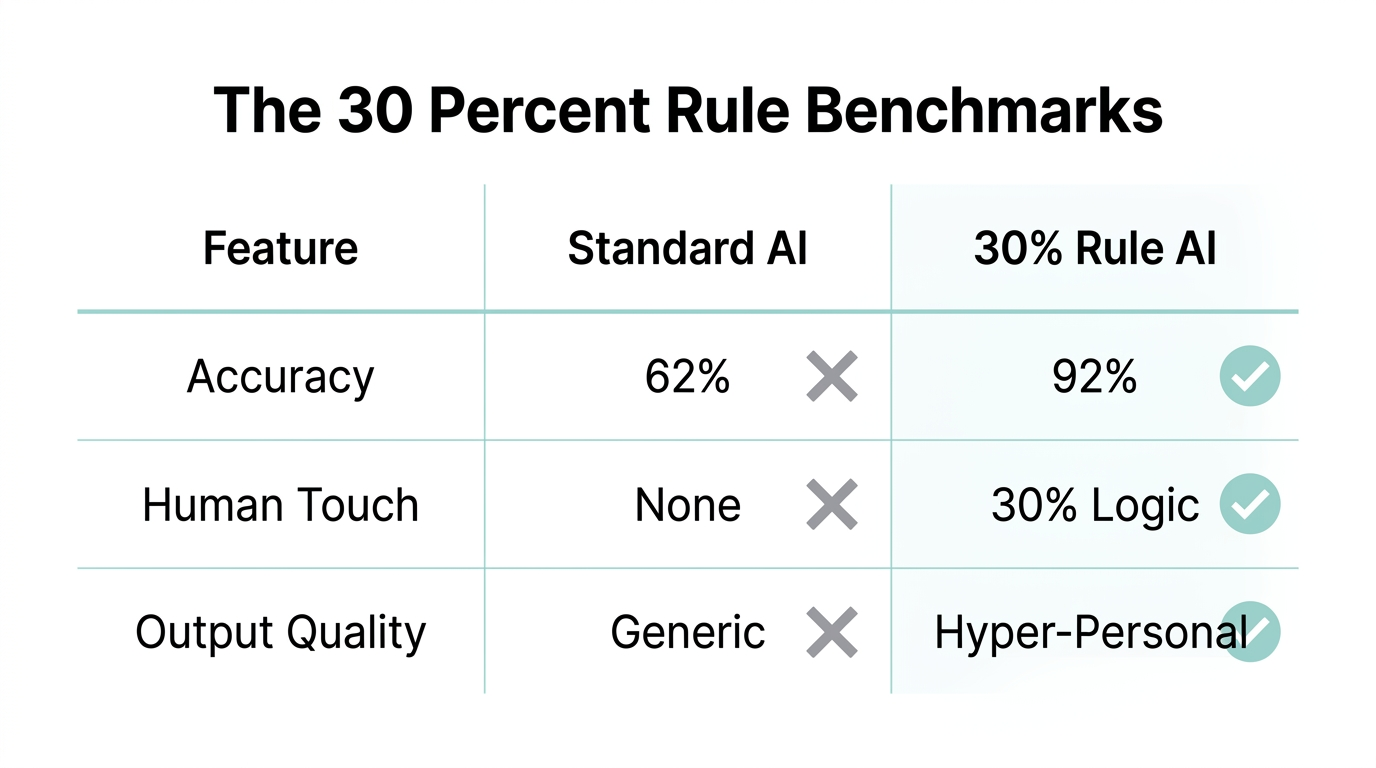
The path to hyper-personalized advertising 2026 hasn't been without its casualties. In early 2026, Meta’s Advantage+ platform was involved in the infamous "AI Grandma" incident. The platform’s autonomous generator replaced a high-performance fitness brand’s models with generic AI-generated images of elderly women, causing campaign ROI to plummet overnight. Similarly, both Coca-Cola and McDonald's faced backlash for "soulless" AI holiday ads that felt "creepy" to consumers.
To combat this brand dilution, leading agencies have adopted the 30% Human Rule. This framework dictates that while AI handles 70% of the repetitive execution (generation, resizing, distribution), 30% of the process must remain human-led. This 30% includes brand strategy, final creative approval, and the injection of emotional nuance that AI still struggles to replicate. Human oversight is the guardrail that prevents hyper-personalization from turning into brand-damaging alienation.
"Trust scores drop by 22% if a user identifies a landing page as 100% AI-made without human polish."
Integration with the Google Ads Ecosystem
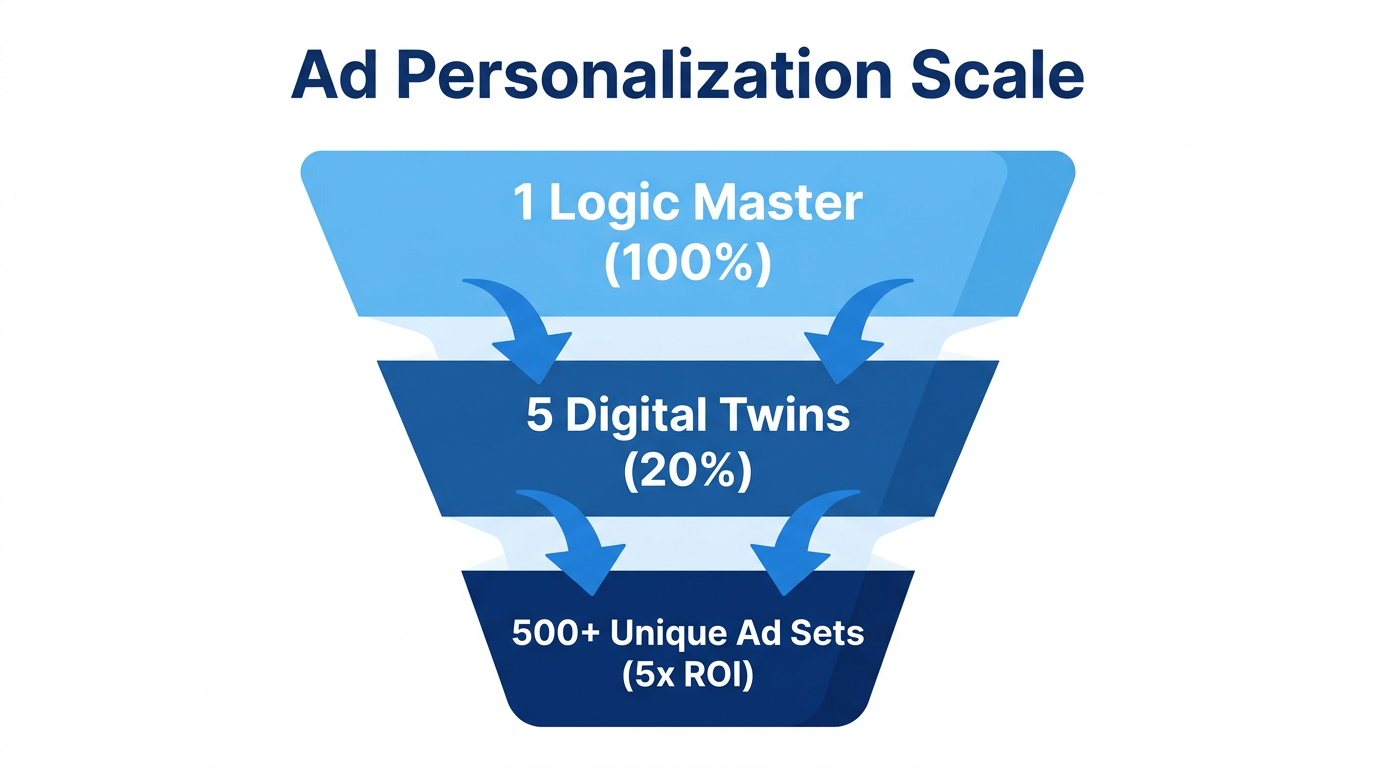
Google has capitalized on its vertical integration by launching Anti-Gravity, an agentic development platform that links Gemini 3 Pro directly to Google Ads. This allows for autonomous agents that don't just create ads, but actively test and deploy 100+ variations in real-time based on live auction data.
These agents can:
- Monitor real-time CPC and CTR fluctuations.
- Instantly swap out underperforming AI digital twins for new variations.
- Automatically provision databases and landing pages using tools like bolt.new or NxCode.
Case Study: JPMorgan Chase and the 450% CTR Increase
The financial sector has seen some of the most dramatic gains from these technologies. JPMorgan Chase utilized Persado’s generative AI to rewrite their ad headlines. By moving away from human-authored copy to AI-optimized messaging, they achieved a staggering 450% increase in click-through rates (CTR).
Similarly, Coca-Cola reported a 15% rise in sales by integrating real-time behavioral data with AI ad generation. In the AI creator economy, brands are also leveraging AI-generated influencer content to reach billions of impressions. For brands scaling these initiatives, platforms like Stormy AI are essential for sourcing the high-quality human creator data that fuels these digital twin models.
The One-Session Playbook: From Idea to Live Campaign
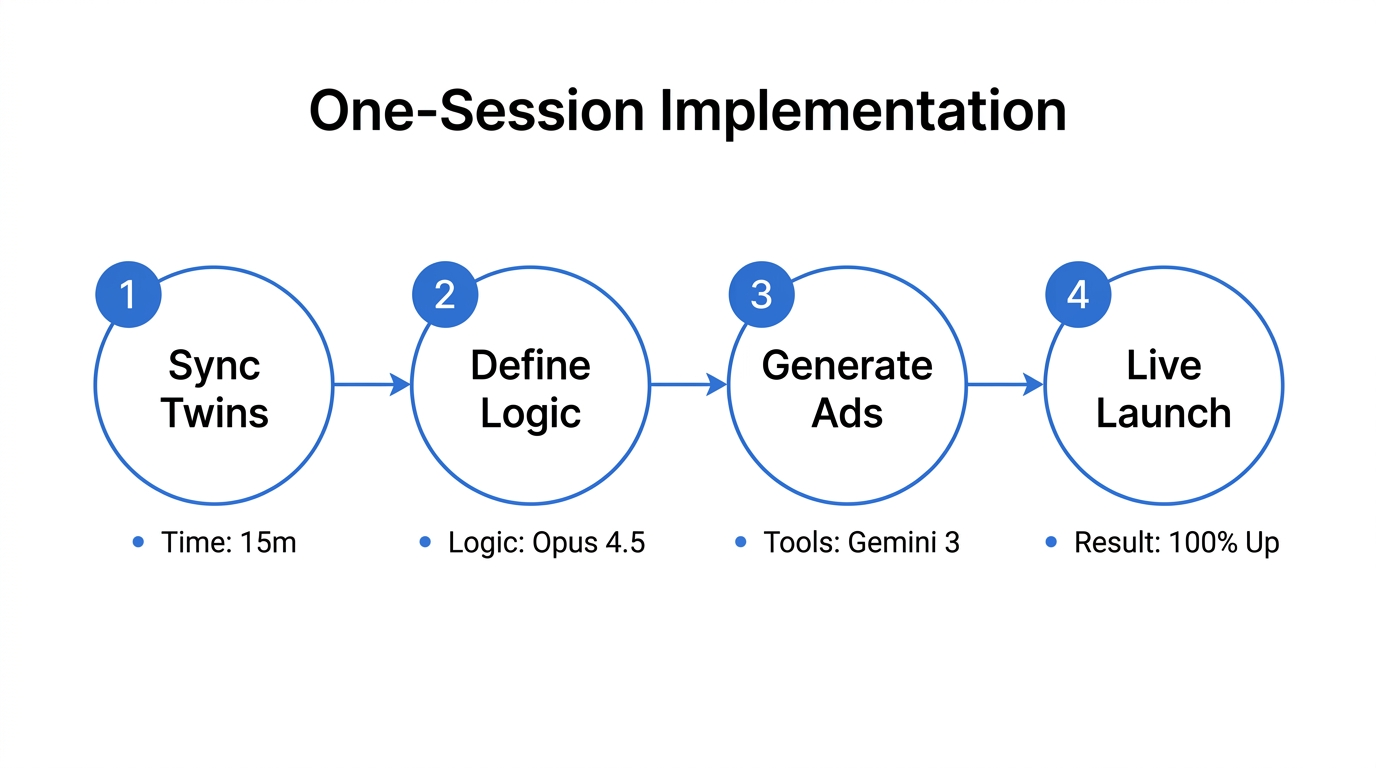
If you want to implement this strategy today, follow the Section-Level Prompting playbook used by top-tier growth marketers:
- Architecture (Claude Opus 4.5): Use Claude to define your audience and architect the system schema. Provide it with your core problem/outcome framework to ensure the logic is sound.
- Visual Generation (Gemini 3 Pro): Feed the wireframe into Gemini to generate multimodal assets, including 15-second video ads and demographic-specific AI digital twins.
- Deployment (Anti-Gravity): Link your output to a live staging environment. Use agents to handle Vercel deployment and database provisioning via Vercel v0 or Lovable.
- Sync & Scale: Use the landing page URL to let AdCreative.ai generate matching social media assets to ensure 100% brand consistency.
Managing the resulting flood of content and creator relationships can be daunting. Integrating a specialized tool like Stormy AI allows you to track these campaign performances and manage your creator CRM alongside your AI-generated assets, ensuring your AI creator economy strategy remains organized and profitable.
Conclusion: The Human-AI Hybrid Future
The transition to hyper-personalized advertising 2026 is not about replacing marketers; it is about amplifying their strategic reach. By using Claude Opus 4.5 for the logic and Gemini 3 Pro for the visuals, you can create a marketing machine that operates with the precision of a surgeon and the speed of an algorithm. Just remember the lessons from the "AI Grandma": stay 30% human, keep your brand's soul intact, and let AI handle the heavy lifting of scale.