In the traditional business model, growth has always been tied to headcount. If you wanted to double your output, you had to double your hiring. For the modern solopreneur, that era is officially over. We are entering the age of the autonomous digital operator—a shift from simple chatbots to AI agents that don't just answer questions, but actually ship code, manage projects, and find market opportunities while you sleep. By leveraging AI agent workflows, founders are now building 'Mission Control' centers that allow a single person to manage the output of a ten-person agency without the overhead of a human team.
The 'Business in a Box' Model: Hardware vs. The Cloud
The first step in scaling with AI agents is deciding where your 'employee' lives. While many beginners start with cloud-based services like Amazon AWS EC2, serious founders are moving toward a local hardware strategy. This is often referred to as the 'Business in a Box' model. By running agents on local machines like a Mac Mini or a maxed-out Mac Studio, you gain total control over the environment and your data.
Using local hardware eliminates the friction of constant API integrations for every minor task. It allows the agent to monitor your local files, watch your downloads folder, and interact with the same tools you use daily. When you host your AI locally, you aren't just paying for a subscription; you are investing in an asset. A Mac Mini costs roughly $600—a one-time expense for a 24/7 worker. Compare that to a human executive assistant or developer who might cost $10,000 per month, and the ROI becomes undeniable. For a one-person startup, this hardware becomes the physical hub of an automated empire.
Building Mission Control: Automated Project Management
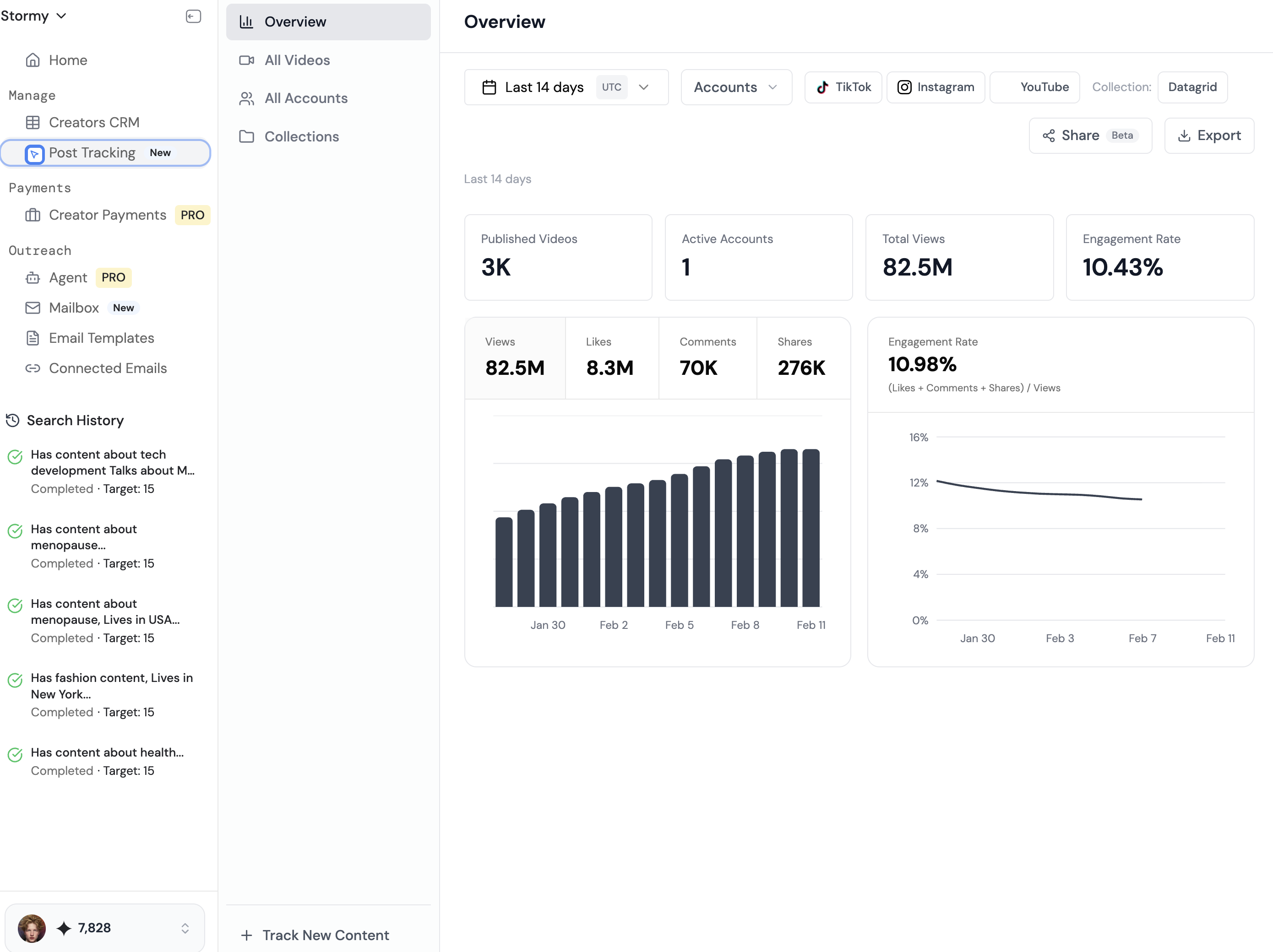
The biggest challenge for any solopreneur is keeping track of what’s getting done. When you have an AI agent working autonomously, you can't just scroll back through a single chat window to find updates. You need a centralized dashboard. This is where the concept of 'Mission Control' comes in. Modern agents are capable of building their own automated project management tools.
Imagine waking up to find that your AI has not only completed three coding tasks but has also updated a GitHub Kanban board with the progress. By instructing your agent to track its own activity, you create a self-documenting workflow. The agent can categorize its tasks into 'To Do,' 'In Progress,' and 'Done,' allowing you to see the activity at a glance. This removes the 'black box' element of AI agents and turns them into accountable team members. You move from being a micromanager to a high-level director who simply approves pull requests and reviews the morning brief.
The 'Brain vs. Muscle' Model: Optimizing for Efficiency
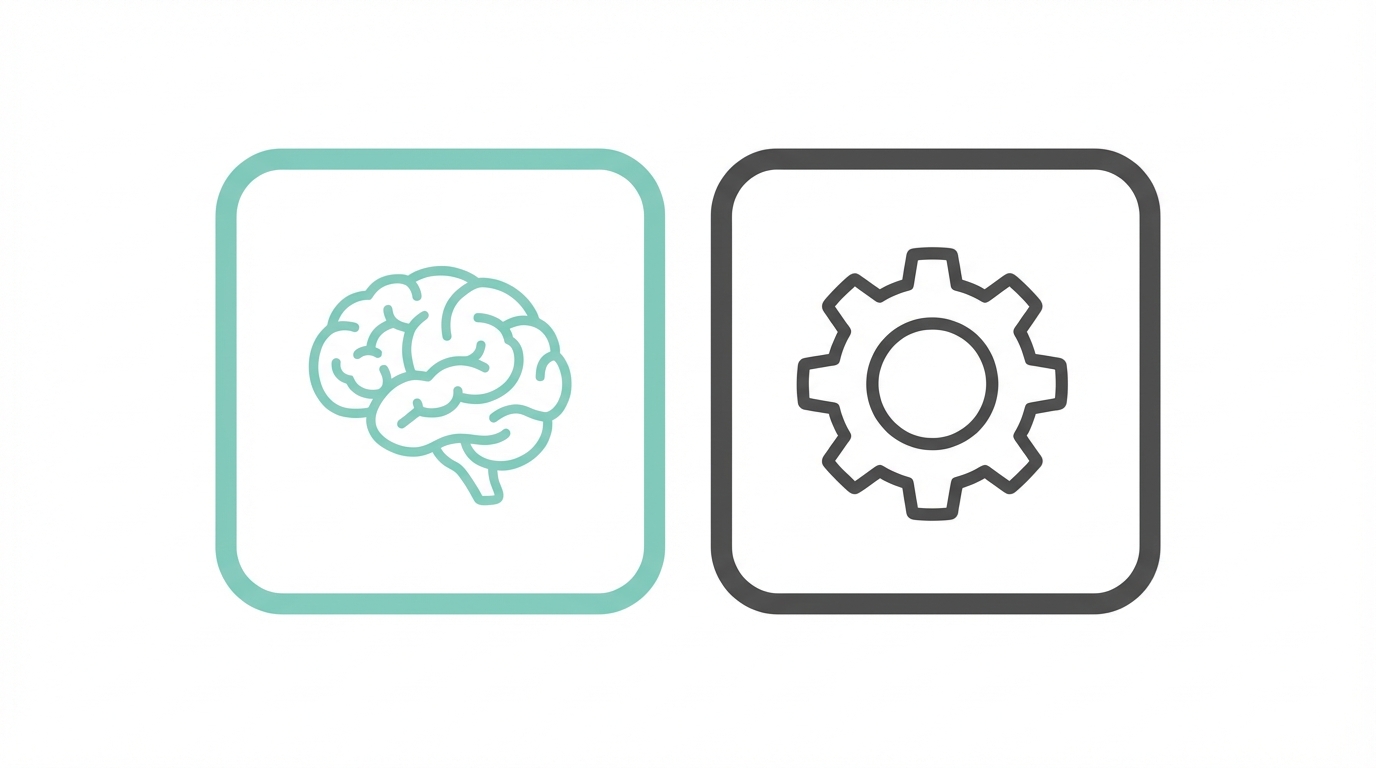
To scale effectively, you must understand how to manage your AI’s 'reasoning' resources. Not every task requires the most powerful model. This is known as the Brain vs. Muscle model. In this framework, you use a high-reasoning model like Claude Opus as the 'Brain'—the strategist that understands your business goals, relationships, and long-term vision.
However, using the 'Brain' for repetitive tasks like writing boilerplate code or scraping data is inefficient and expensive. For the 'Muscle,' you should delegate to specialized coding models like OpenAI Codex. By setting up your agent to use Codex for execution and Claude for reasoning, you save on token usage and prevent the 'Brain' from hitting rate limits. This tiered approach ensures your AI agent workflows remain fast and cost-effective, even as your business complexity grows.
Autonomous Product Development: Shipping While You Sleep
The holy grail of AI for founders is autonomous product development. This isn't just about writing a snippet of code; it’s about an agent identifying a market trend and building a solution without being asked. For instance, an agent monitoring X (formerly Twitter) might notice that a new feature is trending—like Elon Musk’s focus on long-form articles.
The agent can then take that insight, develop a new functionality for your software, test it, and create a GitHub pull request for you to review by morning. This proactive behavior is what separates a 'Tamagotchi toy' from a serious leverage tool. You are no longer the bottleneck of your own business. For founders using content-driven growth, platforms like Stormy AI can help source and manage UGC creators at scale, ensuring that while your agent builds the product, your marketing engine is discovering the right influencers to promote it.

The Onboarding Playbook: How to Train Your Digital Employee
To get these results, your onboarding process must be as rigorous as it would be for a human hire. You cannot just turn an agent on and expect it to know your business. You must hunt the unknown unknowns by providing the agent with massive context.
Step 1: Context Dumping
Provide your agent with links to your YouTube channel, your website, and your social profiles. Tell it your business goals, your relationship status, your hobbies, and even your daily schedule. The more context it has, the better it can make autonomous decisions that align with your brand.
Step 2: Setting Proactive Expectations
Use a specific prompt to set the tone: 'I need an employee taking as much off my plate and being as proactive as possible. Take everything you know about me and do work you think would make my life easier or improve my business. Just create PRs for me to review—don't push anything live.' This gives the agent the 'permission' to think for itself.
Step 3: The Interview Phase
Ask the agent: 'Based on what you know about me, what ten tasks can you take over today?' This allows the agent to suggest workflows you might not have even considered, such as competitor research or automated project management updates.
Risk Management: Security in an Autonomous World
With great power comes significant risk. Giving an AI agent access to your browser and local files is essentially giving it 'the nuclear codes' to your digital life. Prompt injection is a real threat—where a malicious email or tweet could trick your agent into deleting files or leaking passwords.
To mitigate this, founders should set up isolated environments. Create a dedicated email account for your agent rather than giving it access to your primary inbox. Never give an agent direct login access to high-stakes accounts like Meta Ads Manager or your personal banking. Instead, have the agent generate the content or the strategy, and you perform the final 'manual' click to publish. By maintaining a 'human-in-the-loop' for the final 1% of the workflow, you protect your business while still gaining 99% of the automation benefits.
The Real ROI: Why Tinkering is the Ultimate Competitive Advantage
When calculating the return on investment for solopreneur automation tools, you have to look beyond the subscription price. If an AI agent saves you four hours of coding and research per night, that is 28 hours a week of 'found time.' In a year, that is over 1,400 hours of additional productivity. For someone building a SaaS or a content empire, those hours are the difference between a side project and a multi-million dollar business.
Whether you are using Stormy AI to discover 10,000 niche creators in seconds or running a local agent to handle your technical debt, the goal is the same: leverage. We are no longer limited by how much we can do, but by how much we can manage. By building your own Mission Control, you aren't just a one-person business—able to scale infinitely with the power of code and AI.
Conclusion: Your First AI Employee Starts Now
Scaling a one-person business in the AI era requires a shift in mindset. Stop treating AI as a tool for questions and start treating it as a partner for execution. Start with the right hardware, build a transparent Mission Control dashboard, and delegate the 'muscle' work so you can focus on the 'brain' work. The future belongs to the tinkers—those who aren't afraid to buy a Mac Mini, set up a 24/7 digital operator, and watch their business grow while they sleep. It’s time to stop working in your business and start building the machine that runs it.