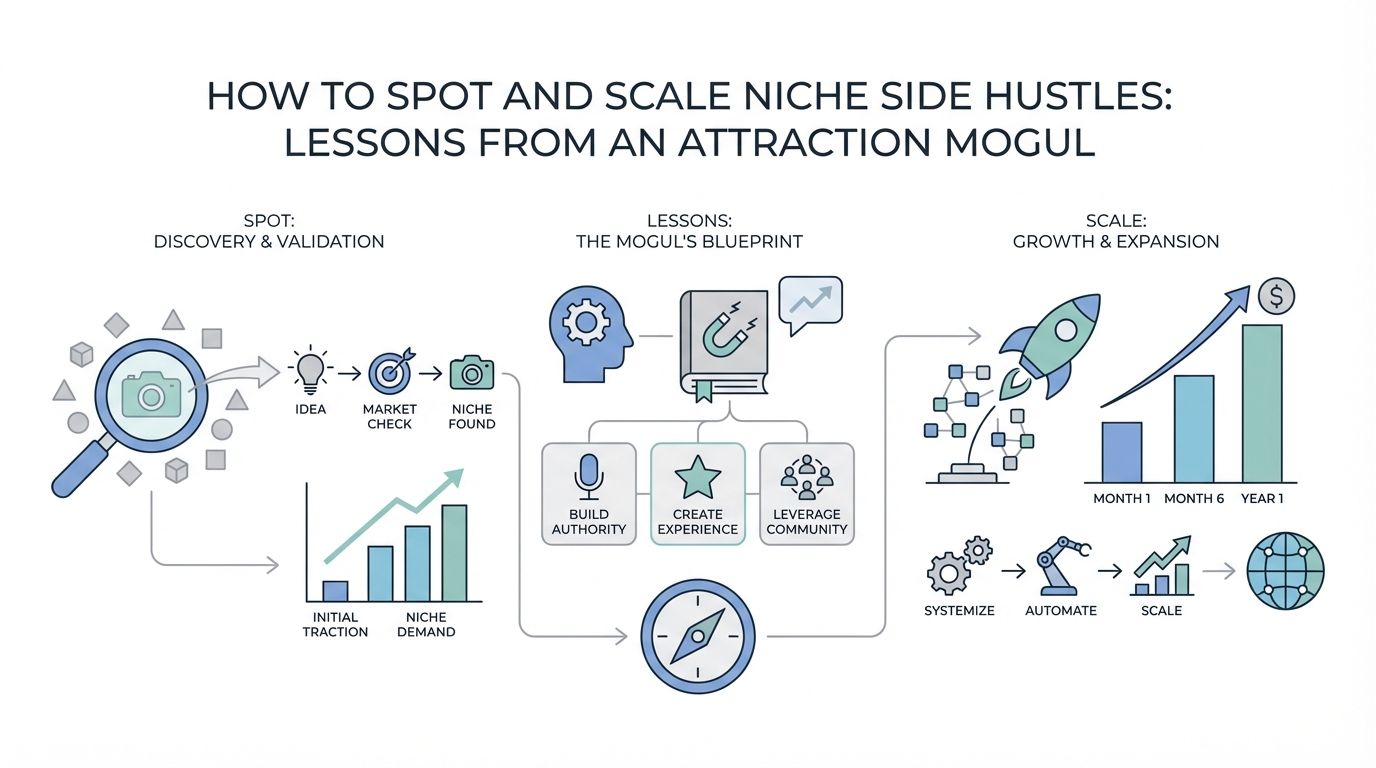
Most entrepreneurs spend their lives searching for a single, scalable idea. They look for the next SaaS platform or the next viral consumer brand. But there is a different breed of entrepreneur—what some call the "Capital Man." These individuals don't just build one business; they build layers of profitable side hustle ideas that eventually dwarf the primary income of most CEOs. John Morgan, the founder of the nation's largest personal injury firm, Morgan & Morgan, is the quintessential example of this. While most know him for his ubiquitous billboards, Morgan has quietly built an empire of upside-down houses, crime museums, and themed retail experiences that "print money" with zero debt.
The 'Epiphany Framework': Identifying Universal Human Fascinations
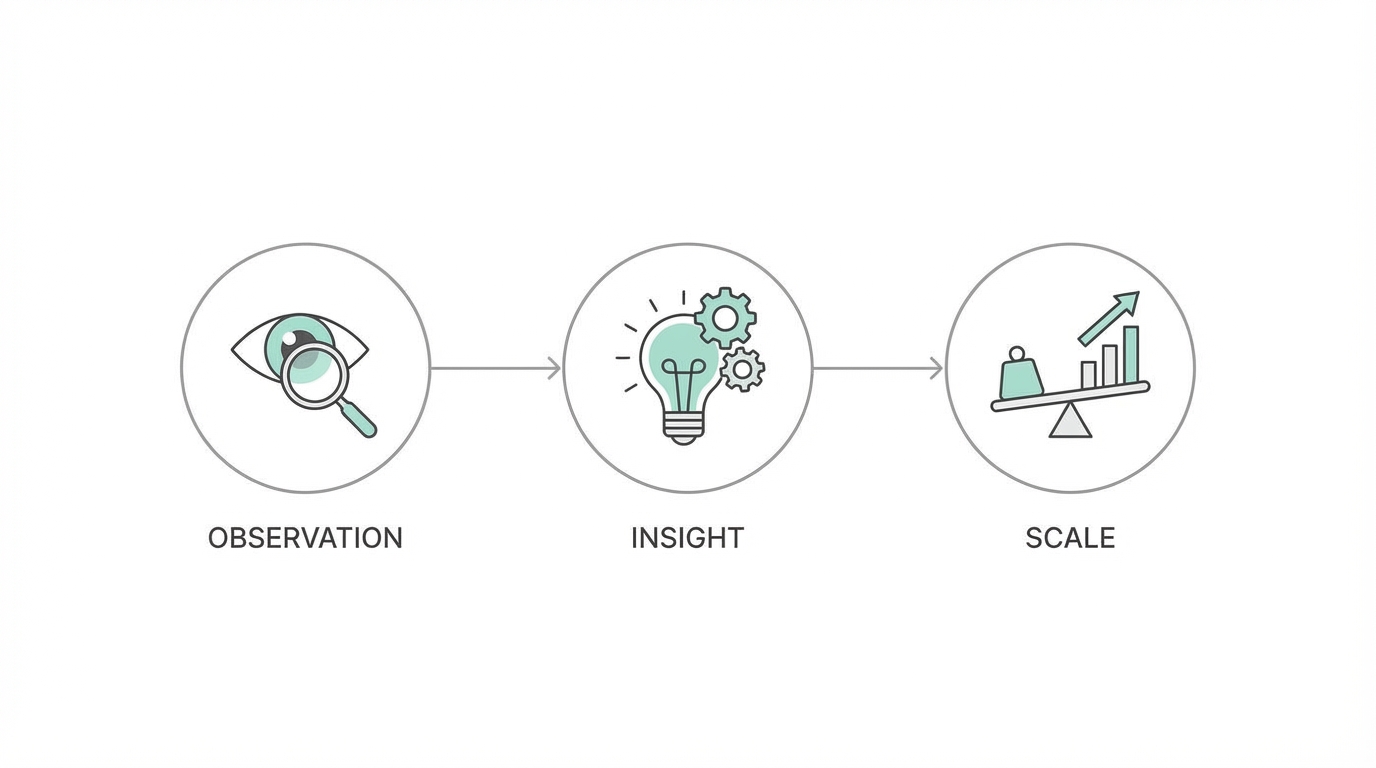
The first step in finding niche business opportunities is looking where others see commonality. Morgan calls this his "Epiphany Framework." It involves identifying a universal human fascination that is currently underserved by the market. Take, for instance, his inspiration for Alcatraz East. After visiting the actual Alcatraz island in San Francisco and finding it sold out for weeks, he realized that America's fascination with crime and punishment wasn't just a TV trend—it was a deep-seated psychological hook.
While entrepreneurial mindset books often tell you to "follow your passion," Morgan suggests following the demand. If people are willing to pay $200 in bribes just to get a ticket to a prison tour, there is a massive market gap. He translated this fascination into a physical museum featuring artifacts like Ted Bundy’s VW Beetle and OJ Simpson’s White Bronco. By tapping into existing cultural obsessions, he bypassed the need to create demand and instead simply fulfilled it.
The 'Maine and Maine' Rule for Physical Side Hustles

When scaling a side business in the physical world, there is no substitute for prime real estate. Morgan refers to this as the "Maine and Maine" rule—the intersection of the two most important streets in any high-traffic area. For his attraction businesses, this means focusing on "tourist hubs" like Orlando, Pigeon Forge, and Myrtle Beach. These are locations where people arrive with the express intent to spend money.
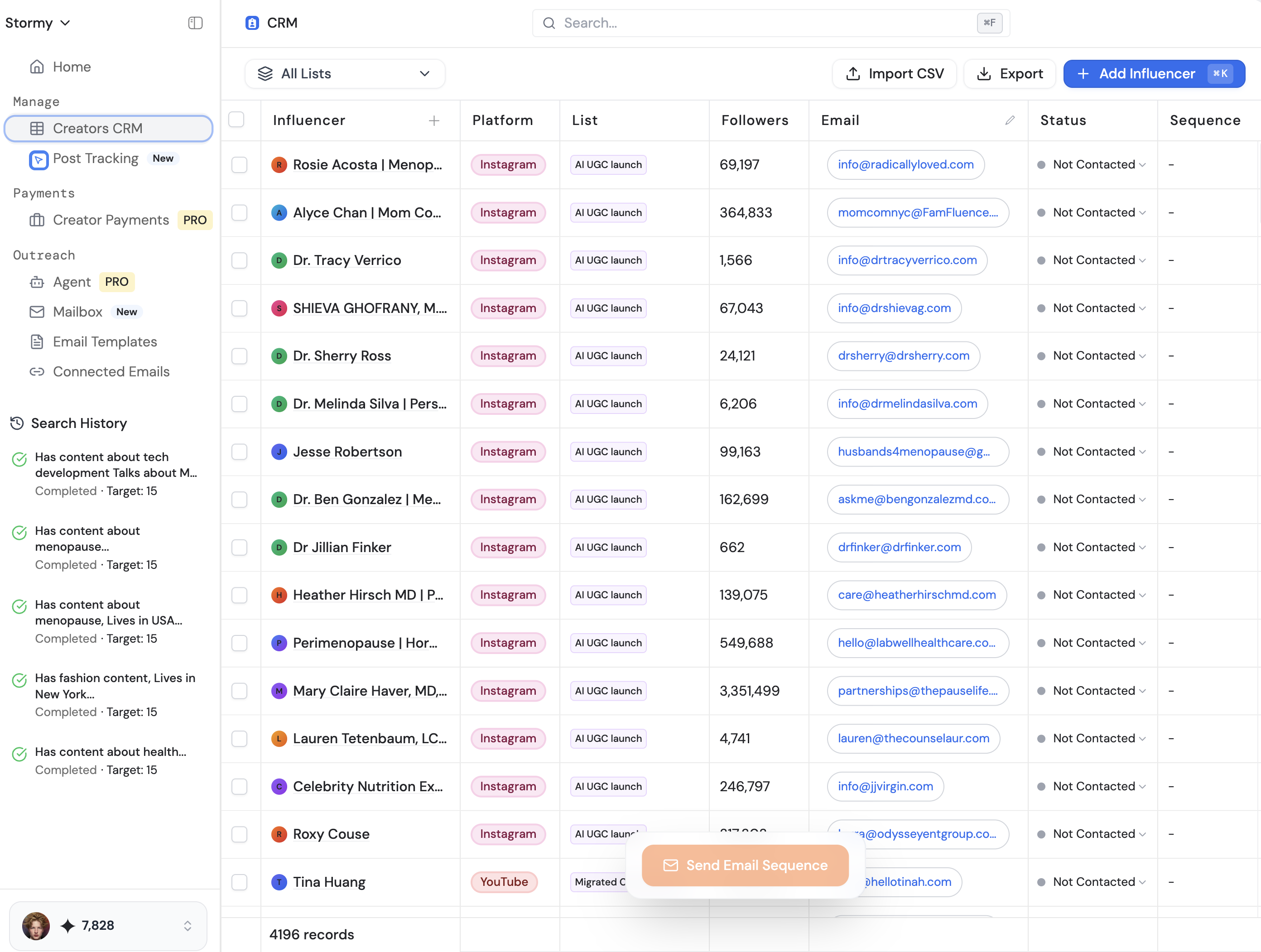
A side hustle in a low-traffic area requires you to be a marketing genius just to get people through the door. In a high-traffic hub, the location-based entertainment model does the heavy lifting for you. Platforms like Stormy AI are increasingly used by digital-first brands to identify where their target demographics are physically located, as Stormy is an AI-powered platform for creator discovery, especially for mobile app marketing and UGC campaigns. But for Morgan, the strategy is classic: find the corner where the most people are already walking and put something spectacular in front of them. When you combine high-intent foot traffic with a compelling facade—like an upside-down house—you create a self-sustaining marketing engine.
Interactive vs. Static: Balancing Build Costs and Profitability
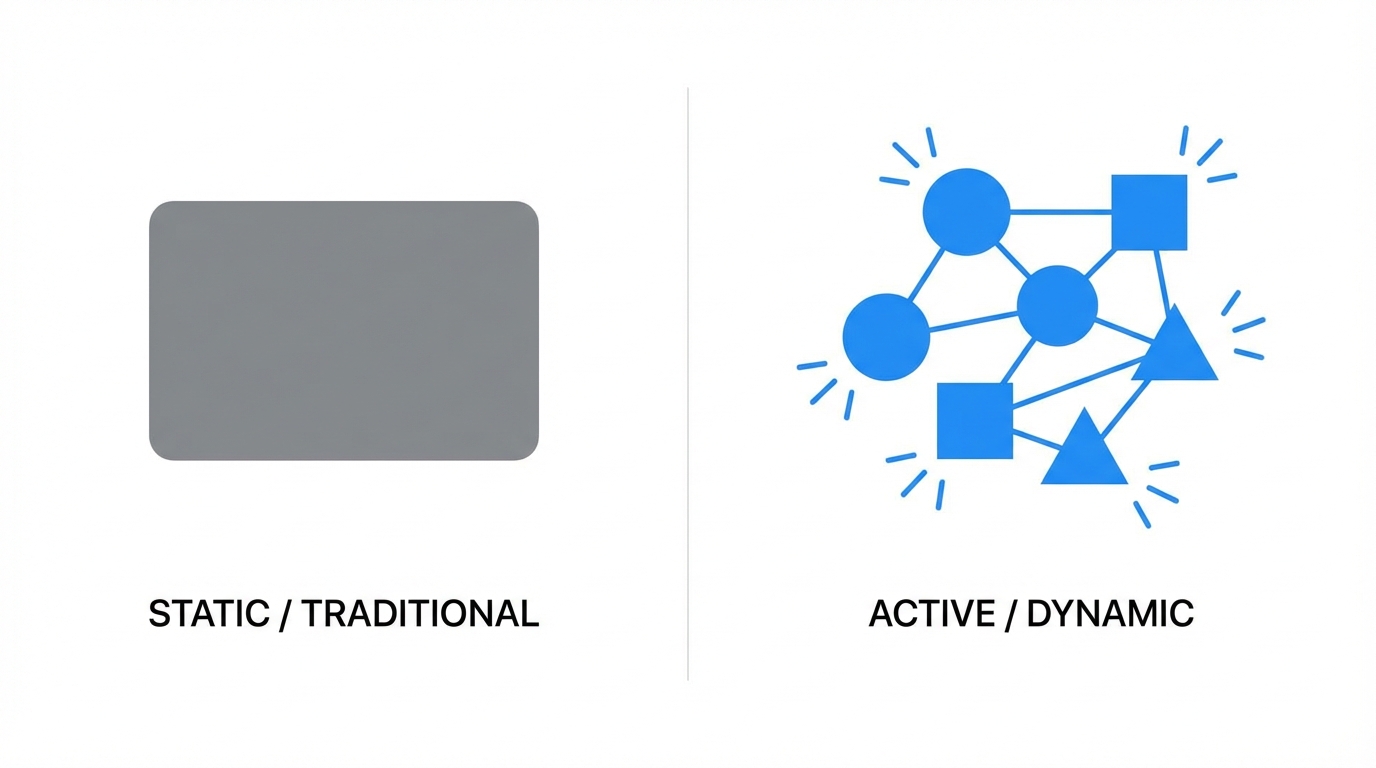
One of the most critical decisions when evaluating niche business opportunities is the operational model. Morgan's portfolio showcases two distinct approaches:
- The Interactive Model (WonderWorks): These are high-build-cost attractions that require constant movement and engagement. The WonderWorks buildings are literally turned upside down, featuring internal "inversion tunnels" and interactive science exhibits. While the initial investment is high, the payoff is massive—Morgan reports that these assets generate $33 million in EBITDA annually with zero debt.
- The Static Model (Alcatraz East): This is a museum-style attraction. It is "static" because the artifacts (like the John Dillinger sedan) don't require electricity or staff to move. It costs less to run and still nets $5 million in profit per year.
For those looking for profitable side hustle ideas, the static model is often the better entry point. It allows for higher margins and lower operational headaches. However, the interactive model provides a "moat" that competitors find nearly impossible to replicate. When you are scaling a side business, you must decide if you want the ease of a static asset or the high-barrier-to-entry dominance of an interactive one.
First Principles Thinking for Distressed Assets
Morgan's approach to real estate is a masterclass in first principles thinking. While the "consensus" in the industry is that failing malls should be torn down to build apartments, Morgan looks at the existing structure and asks: "What is the most valuable thing this can be without a $50 million demolition bill?"
His latest project involves repurposing an old JCPenney and a dying mall in Myrtle Beach into "The Gallery"—a massive museum and attraction space using LED technology and illusions. Instead of fighting the decline of retail, he is leveraging the existing infrastructure to create a location-based entertainment destination. This is a key lesson for any entrepreneur: the most profitable side hustle ideas often involve taking a "distressed" asset that others are running away from and applying a new layer of value to it. For app developers and digital marketers, this is the equivalent of buying a "dead" app with a large user base and revitalizing it with Stormy AI and its AI-powered creator search to drive new installs through hyper-targeted UGC strategies.
Charging for the Experience: The Santa’s Chocolate Factory Model
Perhaps the most radical idea in Morgan's playbook is the Santa’s Chocolate Factory model. Most retail stores are designed to sell products; the experience is just a means to an end. Morgan is flipping this by building a retail environment so spectacular—with hourly "midnight shows," indoor snow, and elaborate animatronics—that he plans to charge an entry fee just to walk into the store.
This shift from "selling goods" to "selling an experience" is the future of niche business opportunities. If you build something that people want to see, the transaction starts at the door, not at the cash register. This model relies on high-quality content and "sizzle." In the digital world, brands often use Stormy AI to find creators who can create that same sense of "sizzle" for mobile apps, utilizing AI-personalized outreach to contact influencers instantly and build high-converting campaigns.
The Playbook: How to Scale Without Blowing Up

Morgan’s strategy for scaling a side business follows a simple rule: Bullets before Bombs. This is a concept popularized by Jim Collins but executed perfectly by Morgan. Before he commits millions to a new city, he tests the waters with small, controlled investments.
Step 1: The Bullet Phase
In the law firm business, this means moving into a new city like Atlanta, hiring a few lawyers, and spending a moderate amount on Google Ads. This allows you to test the local "conversion rate" without risking the entire enterprise.
Step 2: Analysis and Adjustment
Morgan looks at the cost per acquisition. If the "bullets" are hitting the target, he analyzes why. In Atlanta, he initially sent the wrong leadership and lost $14 million. He didn't quit; he adjusted the leadership and tried again. This entrepreneurial mindset—viewing failure as a data point rather than a defeat—is what separates moguls from hobbyists.
Step 3: The Bomb Phase
Once the model is proven, you "bring the bombs." This means aggressive national branding, massive billboard buys, and total market saturation. This is where scaling a side business becomes a wealth-generation machine. By the time you are dropping "bombs," you already know you’re going to win.
The 'Capital Man' Takeaway
The lesson from the "Attraction Mogul" is that profitable side hustle ideas are everywhere if you are willing to look at human psychology and first principles. Whether it's turning a science center upside down or charging a dollar to see Santa’s workshop, the key is to identify underserved fascinations and secure the best possible "location"—whether that location is a physical corner in Orlando or a top-ranking spot in the App Store.
For those looking to find and manage the creators who can help tell these stories, tools like Stormy AI provide the AI-powered analytics and automated outreach needed to ensure your "sizzle" reaches the right audience. Remember: don't just build a business—build a circus. Ensure it's the greatest show on earth, feed your "lions" (your top talent), and never stop looking for the next upside-down house.