Building a successful software company is often portrayed as a high-stakes gamble: you raise millions in venture capital, burn through it to acquire users, and hope for a massive exit or an IPO. However, a growing cohort of entrepreneurs is proving that there is a different, more sustainable path to wealth. By focusing on multi-product SaaS strategy and lean operations, founders are building portfolios of "boring" businesses that generate hundreds of thousands in monthly recurring revenue (MRR) without a single cent of outside investment. This approach doesn't just prioritize growth; it prioritizes SaaS profit margins and founder sanity, ensuring that the business serves the founders rather than the other way around.
The 4-Founder Rule: Engineering the Perfect SaaS Founder Structure

One of the most significant risks any startup faces is not market fit or technical debt, but founder fallout. When a team of two or three people hits a wall, the resulting friction often leads to the death of the company. To combat this, successful portfolio builders like Mike, who manages five apps making over $200,000 MRR, utilize a specific SaaS founder structure: the 4-founder rule. In this model, the company is split equally, with each founder taking a 25% equity stake. This creates a balanced environment where no single individual has total control, yet everyone is deeply invested in the long-term success of the product.
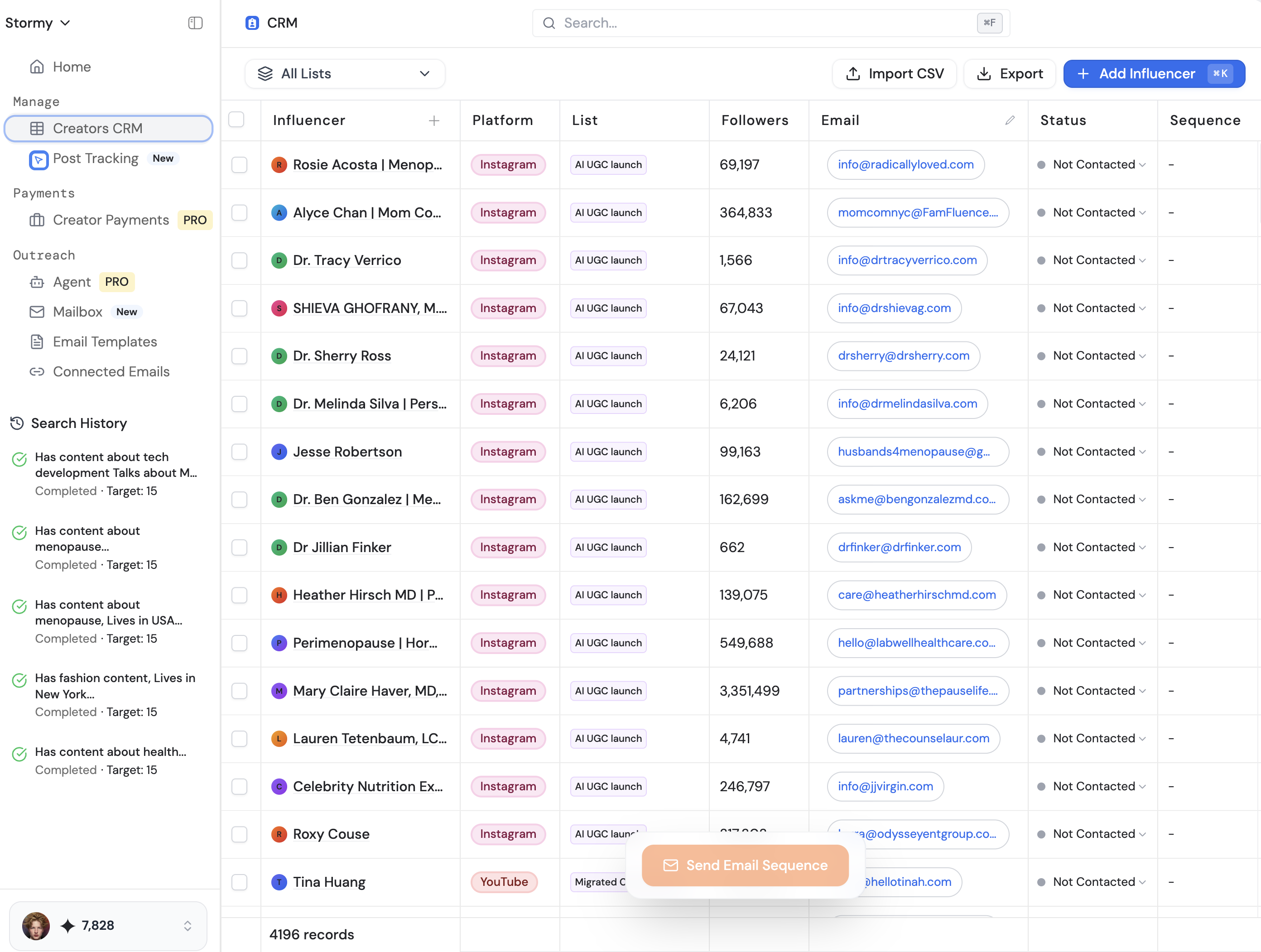
A tech-heavy team is a prerequisite for this model. Ideally, the group consists of a front-end developer, a back-end developer, a designer, and a "product person" who handles operations, marketing, and customer success. By having the majority of the team capable of writing code or designing interfaces, the business can remain agile and lean. When you aren't forced to hire expensive outside contractors for every new feature, your SaaS profit margins remain remarkably high from day one. This structure is particularly effective when scaling a SaaS business, often utilizing Stormy AI as a central CRM to manage creator relationships and partnerships, because it allows the team to replicate the same workflow across multiple products without diluting the quality of the output.
Selecting Ideas That Cannot Fail: Risk Mitigation in SaaS

In the world of multi-product SaaS strategy, chasing "sexy" or revolutionary ideas is often a recipe for disaster. Revolutionary ideas require market education, which is expensive and time-consuming. Instead, seasoned founders look for ideas that have already been proven. If a competitor exists with a clunky user interface but a healthy customer base, that is a prime opportunity. The goal is to build a product in a category where demand is already established, then win by offering superior User Experience (UX) and design. This is why platforms like Stormy AI are becoming essential; they allow founders to use natural-language search to see what creators and users are already engaging with, providing a data-driven look at market trends before a single line of code is written.
Crucially, this strategy involves avoiding platform risk. Relying heavily on a single API or a trending technology like AI can be dangerous. If your entire business model depends on a third-party service that could change its pricing or terms of service overnight, you are at the mercy of that platform. Successful bootstrapped founders often prefer "boring" utilities—tools for digital signage, social media aggregation, or customer feedback. These products solve evergreen problems and are less likely to be disrupted by the next wave of technological hype. When you focus on these stable niches, Google Ads and other search-based acquisition channels become far more predictable and cost-effective.
The 10-Step Playbook for Launching a Successful SaaS

Consistency is the hallmark of a successful multi-app portfolio. By following a repeatable bootstrap founder equity playbook, teams can remove the guesswork from product launches. Here is the framework used to scale multiple apps to $200k MRR:
- Pick a Proven Idea: Don't reinvent the wheel. Look for categories where people are already spending money.
- Define a "Good Enough" MVP: Use competitor feedback to identify the core features users actually need. Don't overbuild.
- Offer a Lifetime Deal (LTD): Early in the process, offer the product for a one-time fee (e.g., $59 or $99). This provides immediate cash flow and a user base.
- Never Give It Away for Free: Always charge from day one. Paying customers are more likely to provide high-quality feedback.
- Sell Private LTDs: Before going to large marketplaces, sell to niche groups on Facebook and Reddit. This can raise initial capital (up to $30k) to fund content creation.
- Start Content Early: Write competitor comparison pages and "alternative to" articles immediately. This builds long-term organic traffic.
- Launch on AppSumo: Use AppSumo to reach a massive audience. A successful launch here can put $100,000 or more in the bank.
- Close the LTD Window: Create urgency by running one final private lifetime deal before switching exclusively to a subscription model.
- Aggressive Review Collection: Use your LTD customers—your early ambassadors—to build social proof on Trustpilot and G2.
- Transition to MRR: As the LTD cash provides a runway, focus your marketing on monthly subscriptions to ensure long-term stability.
The $10K MRR Threshold: Reinvesting vs. Founder Salaries
One of the most difficult decisions for a bootstrap founder is knowing when to stop reinvesting every dollar and when to start taking a salary. In a 4-founder model, the $10,000 MRR threshold is a common benchmark. At this level, the business is typically generating enough revenue to cover its lean operational costs and provide a small but meaningful payout to each partner. While venture-backed companies are often encouraged to burn through cash to achieve hyper-growth, the multi-SaaS model prioritizes bigger salaries over big exits.
By staying super lean and avoiding unnecessary hires, founders can ensure that a larger percentage of the revenue goes directly into their pockets. This contrarian view shifts the focus from an eventual acquisition—which may never happen—to immediate financial freedom. When you aren't spending $50,000 a month on Meta Ads or a massive sales team, your SaaS profit margins can often exceed 80%. This capital can then be used to fund the development of the next app in the portfolio, creating a flywheel of wealth generation.
Maintaining a Lean Tech Stack and High Profit Margins
To manage multiple products simultaneously, the underlying technology must be as efficient as possible. Most successful multi-SaaS portfolios rely on a proven, robust stack like PHP and Laravel for the back-end, combined with Vue or React for the front-end. These technologies have massive communities and extensive documentation, making it easy to troubleshoot and scale. For marketing sites and landing pages, tools like Framer allow the team to move the job of web design away from the core engineering team, freeing them up to focus on product features.
Building a culture of generalist developers is also critical. Every person on the team should be thinking about the UX of the product, not just their specific technical niche. When everyone understands the User Generated Content (UGC) requirements for marketing or how a customer interacts with the onboarding flow, the product becomes more cohesive. For mobile app developers within the portfolio, leveraging Stormy AI, an all-in-one AI search engine across TikTok and Instagram, to find creators for ad campaigns can significantly lower the cost of user acquisition compared to traditional agency models. This lean approach to marketing and development is what allows a small team of four to manage five or more profitable companies at once.
Scaling Through Content, Community, and UGC
Once the product is stable and the initial LTD capital has been raised, the focus shifts to sustainable growth. Search Engine Optimization (SEO) and content marketing are the bedrock of this phase. Founders should use their initial windfall to hire writers or spend their own time creating high-value landing pages. By targeting long-tail keywords and "alternative" searches, a SaaS can start ranking on Google and Apple Search Ads for very specific user intents. This organic growth is slow but compounds over time, leading to a much higher SaaS profit margin than paid-only strategies.
Furthermore, engaging with communities on Reddit and niche forums is essential for maintaining a feedback loop. These platforms are where your most vocal users live. By answering questions authentically and avoiding overly promotional language, you can build a brand that people trust. For those scaling mobile apps as part of their portfolio, UGC for mobile app marketing has proven to be one of the most effective ways to drive installs. Working with Stormy AI to discover and outreach to creators who produce authentic video ads can help your products stand out in a crowded App Store, providing the social proof needed to convert skeptical browsers into paying subscribers.
Conclusion: The Path to Multi-SaaS Success
Scaling a multi-product SaaS strategy is not about working four times harder; it's about building a system that allows you to work smarter. By implementing the 4-founder rule, focusing on tech-heavy teams, and prioritizing SaaS profit margins over venture-scale growth, you can build a life of financial independence and creative freedom. Remember to start with a proven idea, use lifetime deals to fund your initial growth, and transition to a lean, content-driven MRR model as soon as possible. Whether you are building your first app or your fifth, the goal remains the same: create something that provides immense value to your customers while building a sustainable, profitable future for yourself and your co-founders.