In the high-stakes world of venture-backed startups and global finance, the 'lone wolf' founder is increasingly becoming a relic of the past. As we navigate the complex landscape of 2026, the most successful enterprises aren't built on the back of a single visionary, but through the combined force of diverse 'Alpha' partners. This is the 1+1+1=10 Rule—a framework where distinct skill sets, when unified under a single infrastructure, create a valuation output that far exceeds the sum of its parts. By looking at the trajectory of legends like Mike Novogratz and the founding of Fortress Investment Group, we can extract a definitive playbook for entrepreneurial leadership and business growth.
Analyzing the Fortress Partnership Model: Distinct Units, One Powerhouse
 13:00
13:00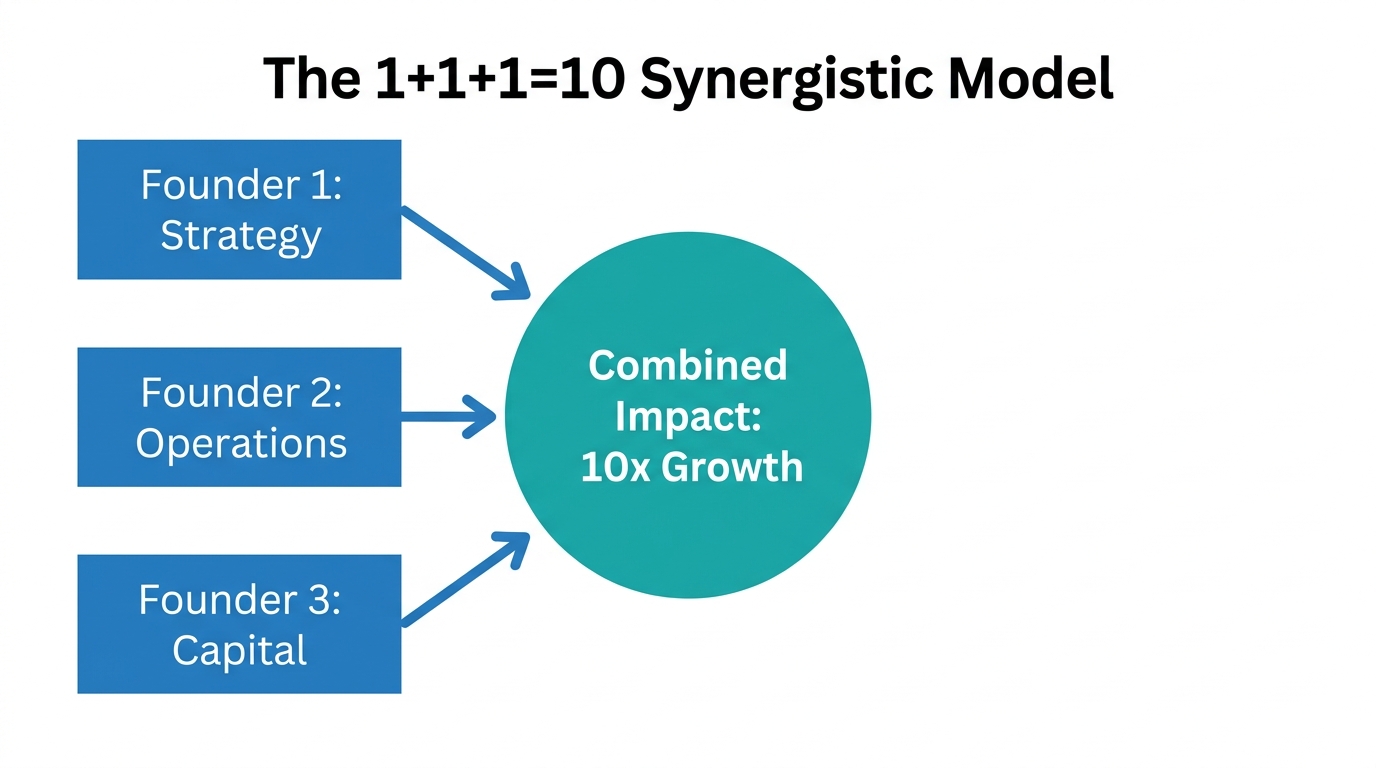
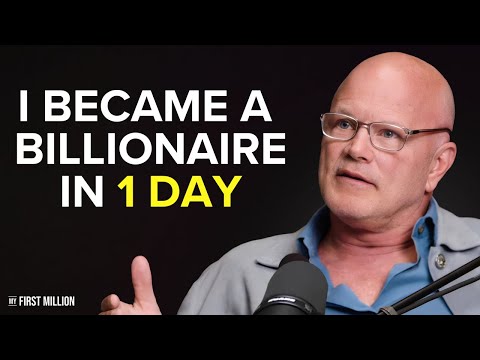
The founding of Fortress Investment Group is perhaps the most salient example of the 1+1+1=10 rule in action. When Pete Briger and Wes Edens joined forces, they didn't just build a company; they built a box for world-class businesses. Each founder operated a distinct 'silo' of expertise: Wes Edens focused on Private Equity, Pete Briger built a credit and distressed debt powerhouse, and Novogratz led the macro hedge fund.
"We said, let's build a company where we all build our own businesses. 95% of the time we spent alone... but we all put them in the same box."
By 2007, Fortress became the first company to take a hedge fund and private equity firm public in the U.S., resulting in five partners becoming billionaires in a single day. This success wasn't due to them doing the same job. It was due to asymmetric skill sets sharing a single brand and infrastructure. For 2026 startups, this means your startup partnership strategy should prioritize specialized autonomy within a collective entity.
How to Identify Complementary 'Alpha' Partners Without Friction
21:52Finding a partner isn't just about finding someone who is 'smart.' It's about finding 'operators at life' who possess pattern recognition and high integrity. Novogratz often cites his intuition—a trait he shares with other greats like Stan Druckenmiller—as the differentiator between the good and the world-class. When searching for partners, look for those who have a history of 'winning' in various facets of life, whether that’s sports, academia, or previous ventures.
In 2026, finding these partners often requires looking beyond your immediate circle. Using professional networks like LinkedIn or even niche discovery tools helps, but the vetting remains human. You need 'lucky generals'—people whose intuition has been honed by massive data intake. For instance, when sourcing high-level talent or influencers for brand growth, platforms like Stormy AI allow you to use natural language to find people with the specific 'vibe' and reach your partnership requires, ensuring a match in both quality and culture [Source: HBR].
| Partner Type | Primary Focus | Value Addition |
|---|---|---|
| The Operator | Execution & Infrastructure | Ensures the 'engine' runs without failure. |
| The Visionary | Market Patterns & Narrative | Identifies the 'future' and builds the story. |
| The Capitalist | Fundraising & Deals | Secures the fuel for growth. |
The Infrastructure vs. Talent Debate: The 10x Valuation Secret
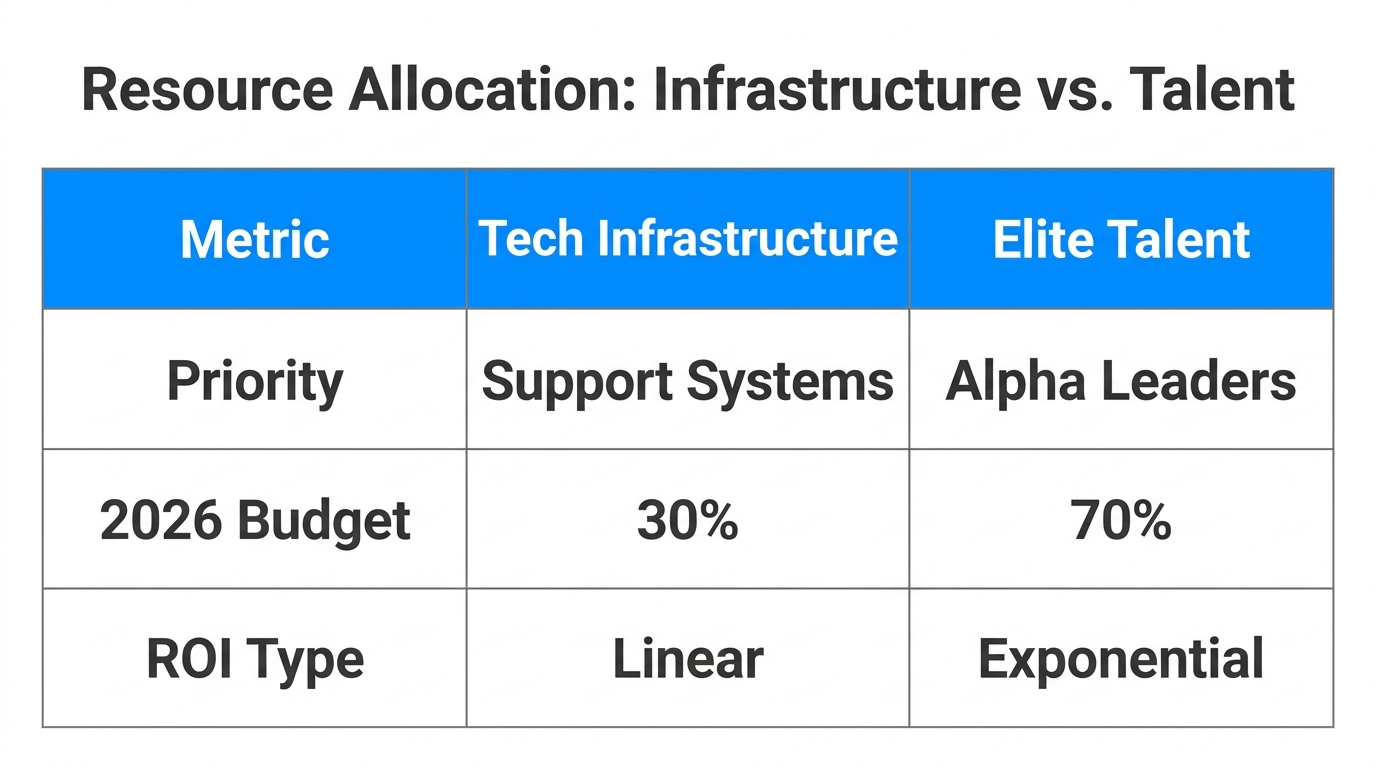
One of the hardest lessons for young founders to learn is that talent alone is rarely enough to scale. Novogratz notes that during his time at Goldman Sachs, the firm paid talent significantly less than the market rate because they provided a 'mythology' and a 'huge infrastructure.' This infrastructure included global trust, massive data, and established processes that allowed individual traders to make hundreds of millions for the firm.
In the modern era, infrastructure is digital. It consists of your AI agents, your CRM, and your automated workflows. For example, a growth agency in 2026 doesn't just hire 50 people; they use a core 'infrastructure' like Stormy AI to handle the discovery, outreach, and tracking of 1,000+ creators automatically. This allows a small, high-talent team to produce 10x the output of a legacy firm. Sharing resources—not just splitting equity—is what leads to a 10x valuation output.
"Infrastructure is the force multiplier that turns a talented individual into a billionaire-making engine."
Building a Culture of Excellence: Lessons from the Yankees of Finance
2:04Mike Novogratz compares being a partner at Goldman Sachs to playing for the New York Yankees. It is a culture of world-class people where everyone is pushing to be the best. This culture is maintained not just by high salaries, but by a collective belief in the enterprise's mission and a mutual respect for the 'boss'—a figurehead like Lloyd Blankfein.
To replicate this in 2026 startups, you must foster an environment where trust is the primary currency. Novogratz learned that building trust with investors and partners comes from 'doing what you say you’re going to do.' In a world where ChatGPT and AI can hallucinate or overpromise, the founder who consistently delivers on their narrative becomes the ultimate 'Alpha' partner.
Actionable Steps: Structuring Multi-Founder Equity for Long-Term Scale
14:36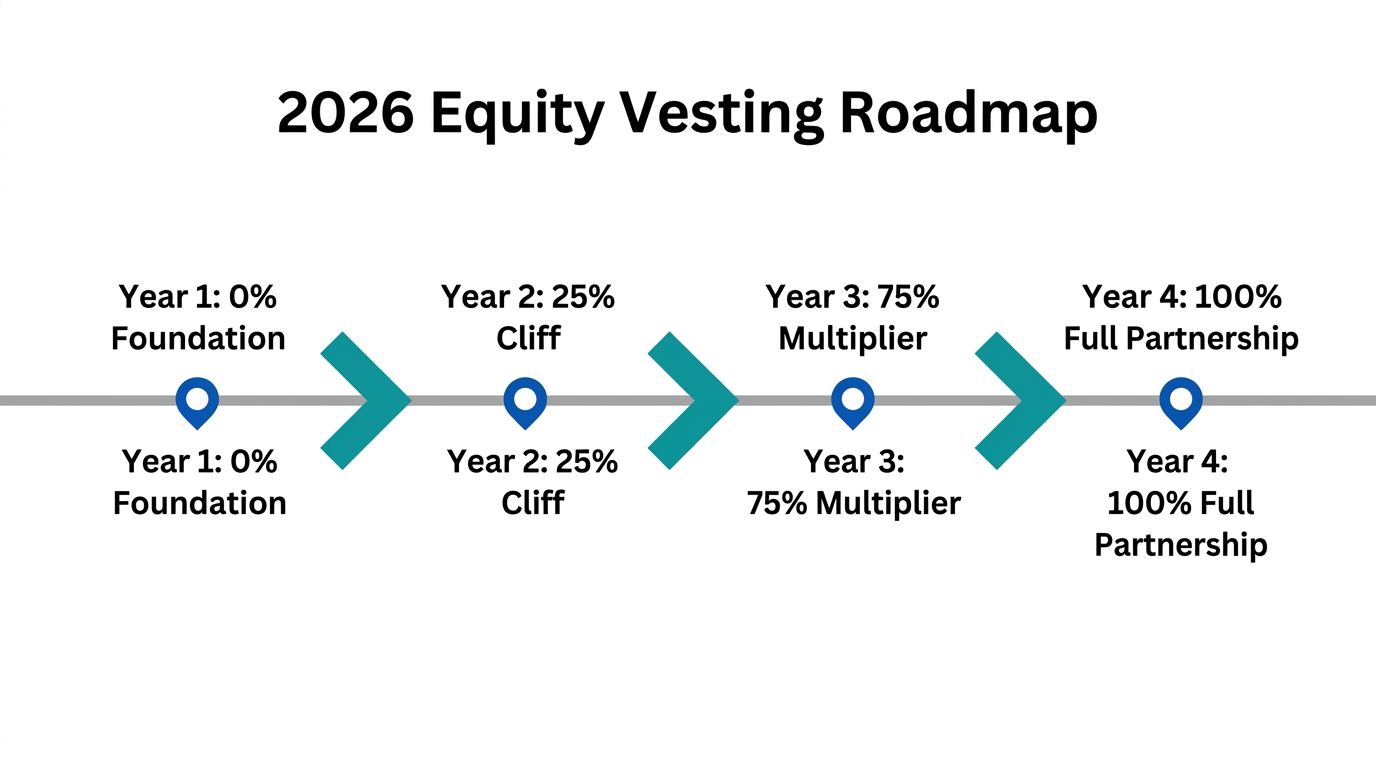
As you build your 2026 business growth framework, the structural side of the partnership is just as important as the cultural side. Novogratz and Briger famously split their interests 50/50, even when their individual market values fluctuated. This radical equality prevents the resentment that often kills startups during their scaling phase.
Step 1: The 'Box' Strategy
Define the 'same box'—the parent company. Each founder should have a specific business unit (Silo) they own entirely. Use tools like HubSpot to track individual performance while maintaining a unified CRM for the parent company.
Step 2: Automate the 'Low Value' Infrastructure
Don't let your Alpha partners waste time on manual tasks. In 2026, your infrastructure should include autonomous AI agents for sales, recruitment, and marketing. Whether you are using Zapier to connect workflows or Stormy AI to handle creator management and outreach, the goal is to keep the founders focused on 'pattern recognition' and high-level strategy.
Step 3: Establish a 3-5 Year Vesting Lock
Mirror the Goldman Sachs model. Equity should be earned, but liquidity should be staged [Source: Carta]. This ensures that the partners are committed to the long-term enterprise value rather than a quick exit. In 2026, with the rapid pace of market shifts, a 3-year lock-in is the minimum for maintaining stability.
"The rich-poor gap never comes back into balance because the wealthy have assets and networks. Your partnership is your greatest asset."
Conclusion: The Future of Entrepreneurial Leadership
Scaling a multi-founder company in 2026 requires more than just capital; it requires a commitment to the 1+1+1=10 philosophy. By identifying partners with asymmetric strengths, providing them with a world-class infrastructure, and fostering a culture of excellence, you can build a firm that doesn't just survive but dominates its market. Whether you are building a macro hedge fund or a tech-enabled agency, the lesson remains: stop trying to be the 'only' guy, and start building the 'best' box.
Ready to start building your own infrastructure of excellence? Explore how AI-powered tools like Stormy AI can help you find, vet, and manage the creators who will scale your brand's narrative to the world.