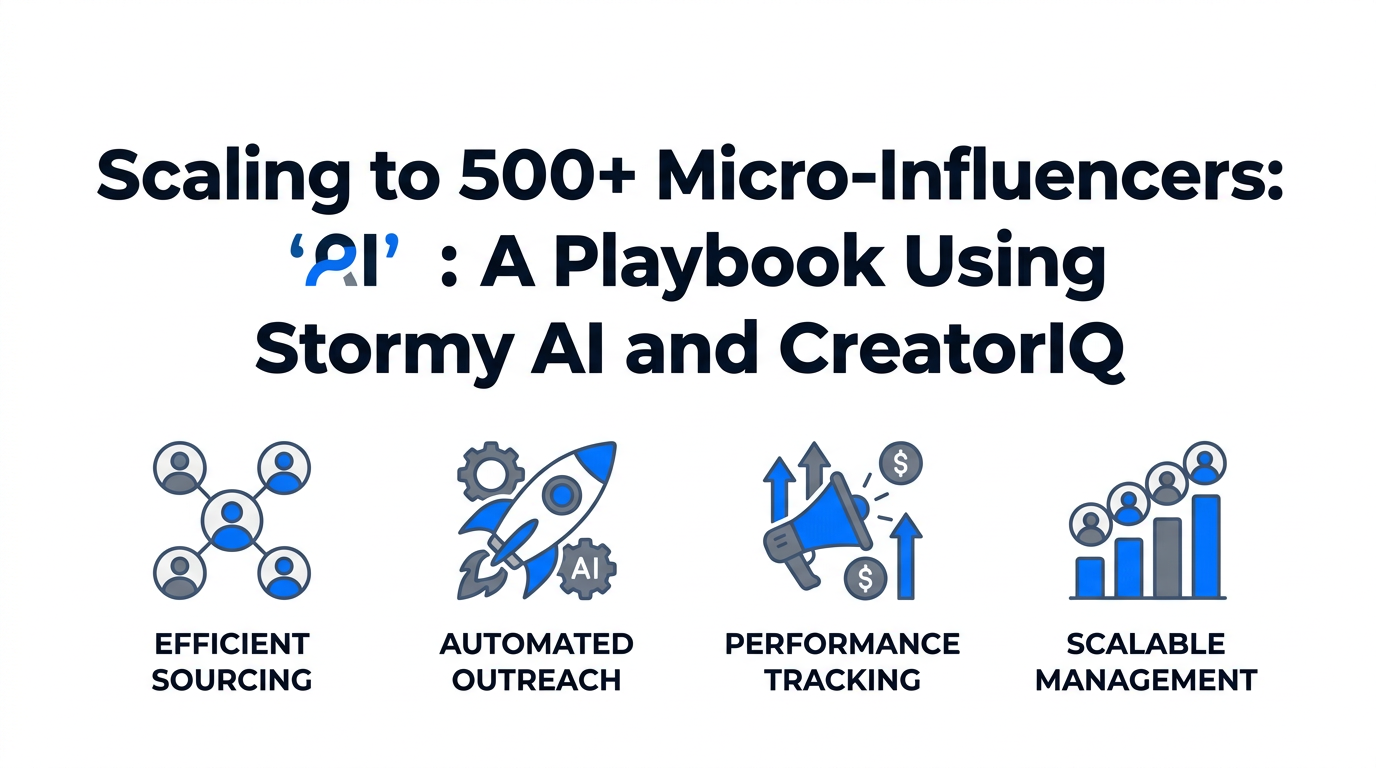
In the rapidly evolving landscape of 2025, the influencer marketing industry has matured into a $30B+ global powerhouse, according to data from Influencer Marketing Hub. However, for most brands, the challenge is no longer just finding a handful of celebrities; it is about operationalizing the long-tail of creators at a scale that moves the needle on revenue. If you are still managing creator relationships via manual spreadsheets, you are likely losing 30% in operational efficiency, as noted by research on Medium/Sigmoid. To stay competitive, brands are moving toward an "Agentic AI" model that automates the grunt work of discovery and outreach.
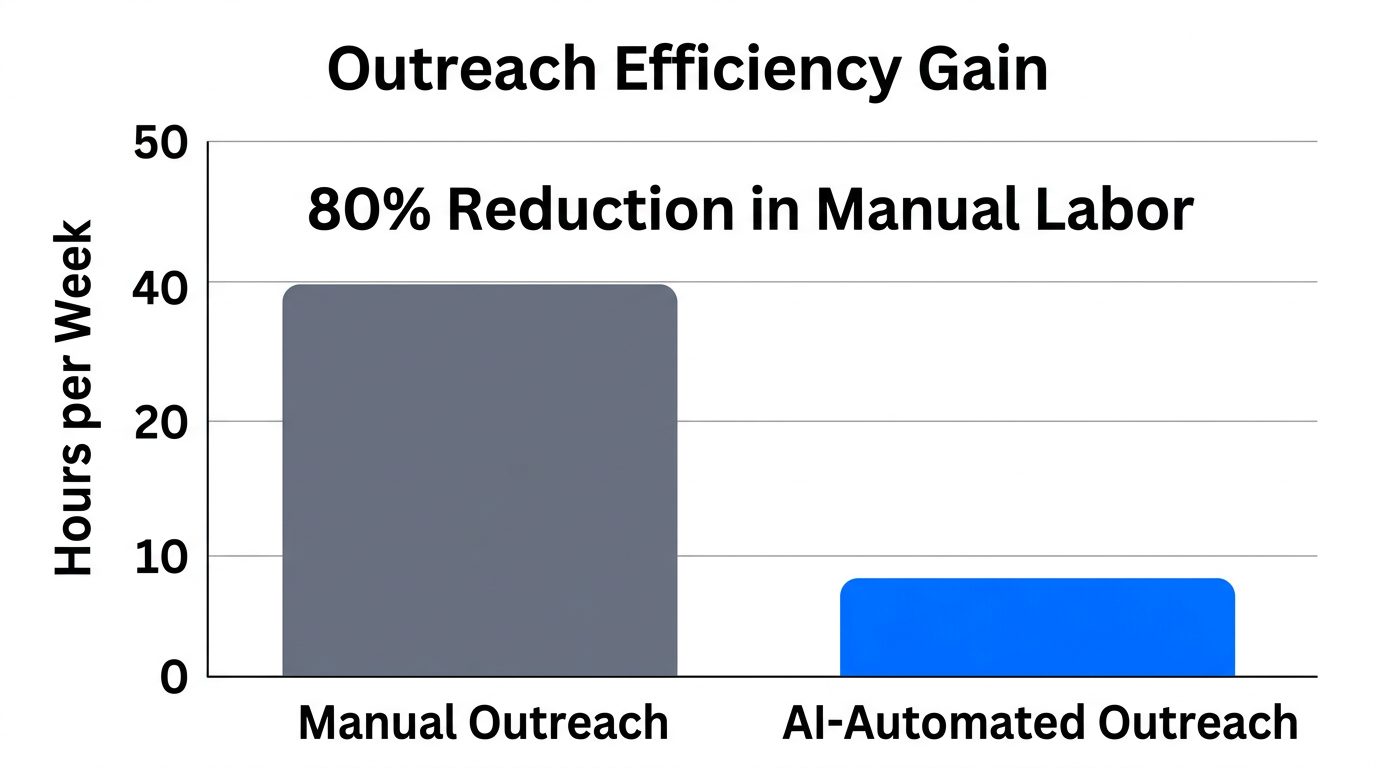
This playbook outlines how to build a high-volume influencer engine by combining the enterprise governance of CreatorIQ with the autonomous execution of Stormy AI. By the end of this guide, you will understand how to scale influencer marketing to 500+ creators while reducing your manual SDR (Sales Development Representative) workload by 80%.
Why Micro-Influencers Drive the Highest ROI in 2025
The era of the "mega-influencer" is being eclipsed by the efficiency of micro-creators (1k-10k followers). Data from Moburst reveals that these niche creators achieve a 2.71% engagement rate, which is significantly higher than celebrity-level influencers. This high engagement, paired with lower costs per post, makes a micro-influencer strategy 2025 the most viable path for performance-driven brands.
"In 2025, performance is the only metric that matters. 74% of brands are reallocating budgets toward 'Performance Creator Marketing' focused on CAC and ROAS."As brands shift from vanity metrics to performance, the bottleneck becomes volume. To see a significant impact on your bottom line, you can't just work with five micro-influencers; you need to work with 500. This is where traditional manual workflows fail. Managing 500 individual negotiations, content approvals, and tracking links requires an army of marketing managers—unless you use Stormy AI to handle the discovery and outreach on autopilot.
Step 1: AI-Powered Discovery with 'Text-to-Influencer' Queries
Traditional influencer discovery involves clicking through hundreds of filters (location, age, niche, etc.) and still ending up with irrelevant results. The Stormy AI features suite introduces "Text-to-Influencer" search, allowing you to use natural language to find the perfect match. Instead of filtering, you simply type: "US-based fitness creators on TikTok who talk about home workouts and have between 10k and 50k followers."

This AI-native search engine scans TikTok, YouTube, and Instagram instantly, surfacing creators who actually talk about your specific niche. This replaces hours of manual scrolling with seconds of AI processing. For high-growth startups like those featured on Y Combinator, this speed is the difference between a successful product launch and a silent one.
Step 2: Vetting for Fraud with CreatorIQ Integrity Metrics
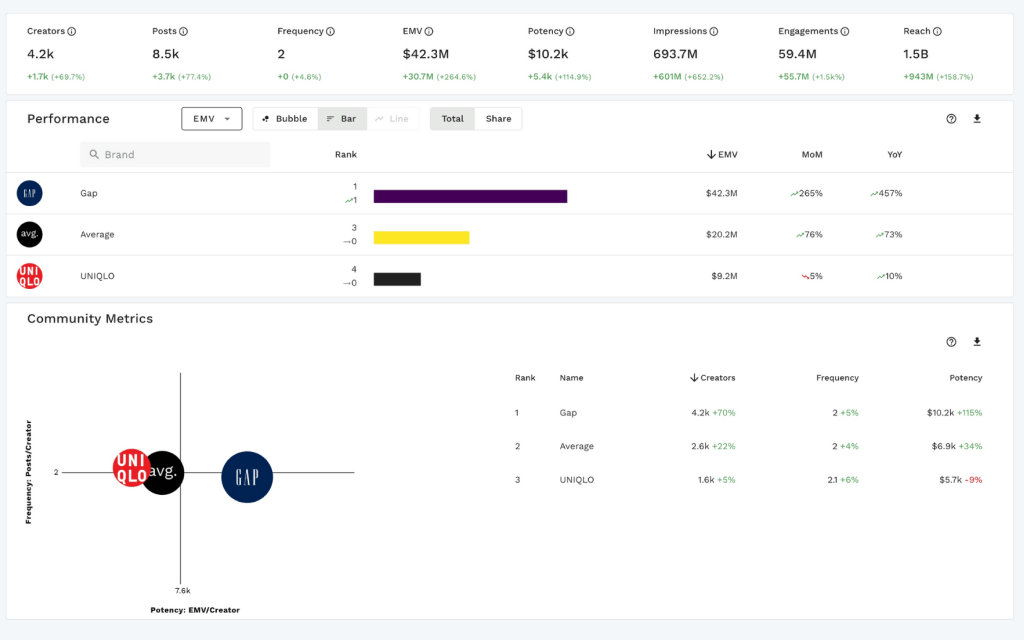
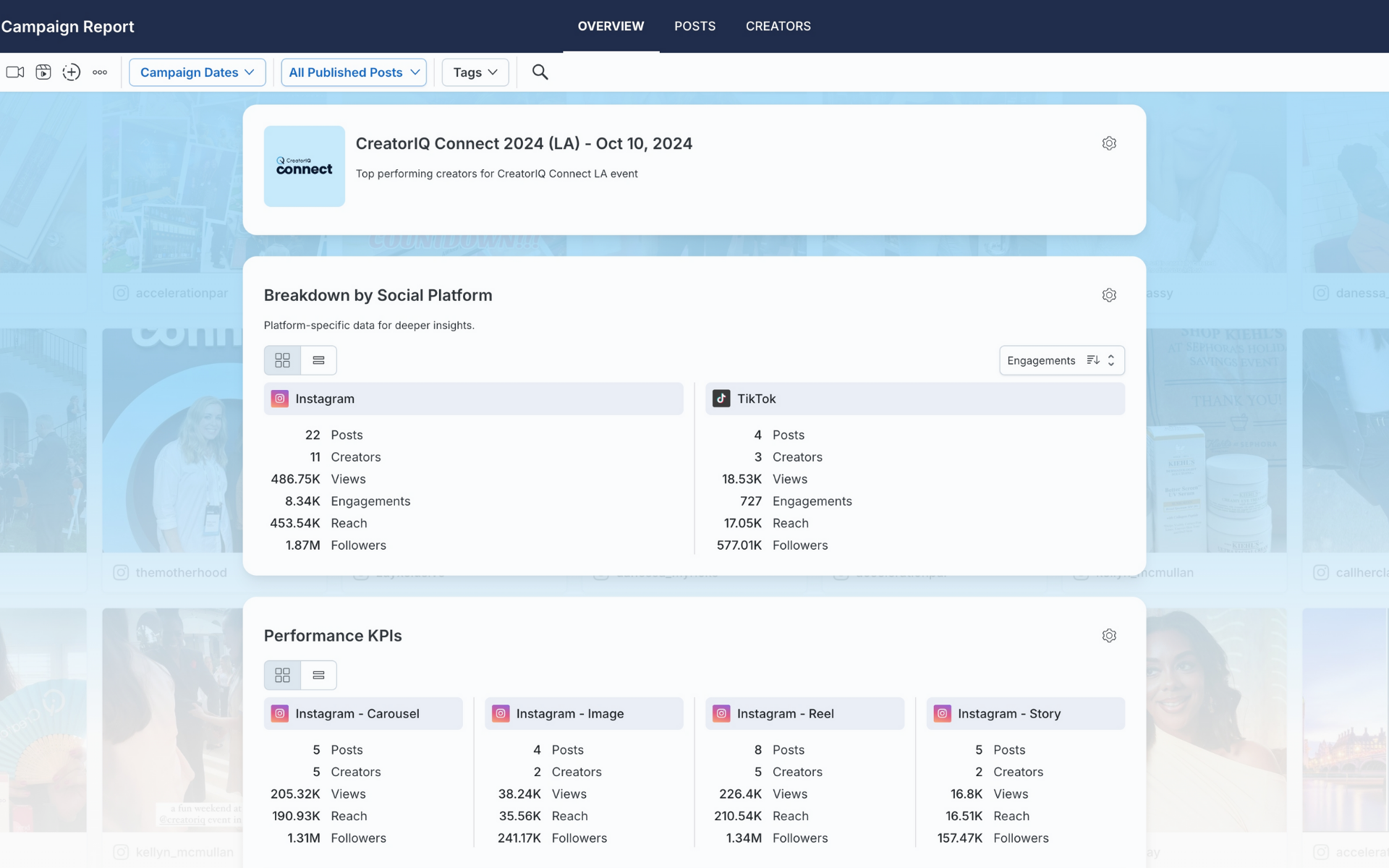
Scaling to 500+ creators comes with a significant risk: fraud. Brands lose over $1.3B annually to fake followers and engagement bots. While Stormy AI provides initial quality scoring, many enterprise teams utilize the CreatorIQ enterprise workflow to perform deep forensic audits of audience authenticity.
CreatorIQ's "Integrity Quotient" is the industry standard for fraud detection. It analyzes follower growth patterns to identify sudden spikes that suggest bot purchases. By integrating these metrics into your vetting process, you ensure that every dollar of your budget is reaching real humans. Combining Stormy's speed with CreatorIQ's deep data creates a bulletproof vetting system for large-scale campaigns.
Step 3: Deploying Autonomous Negotiation Agents
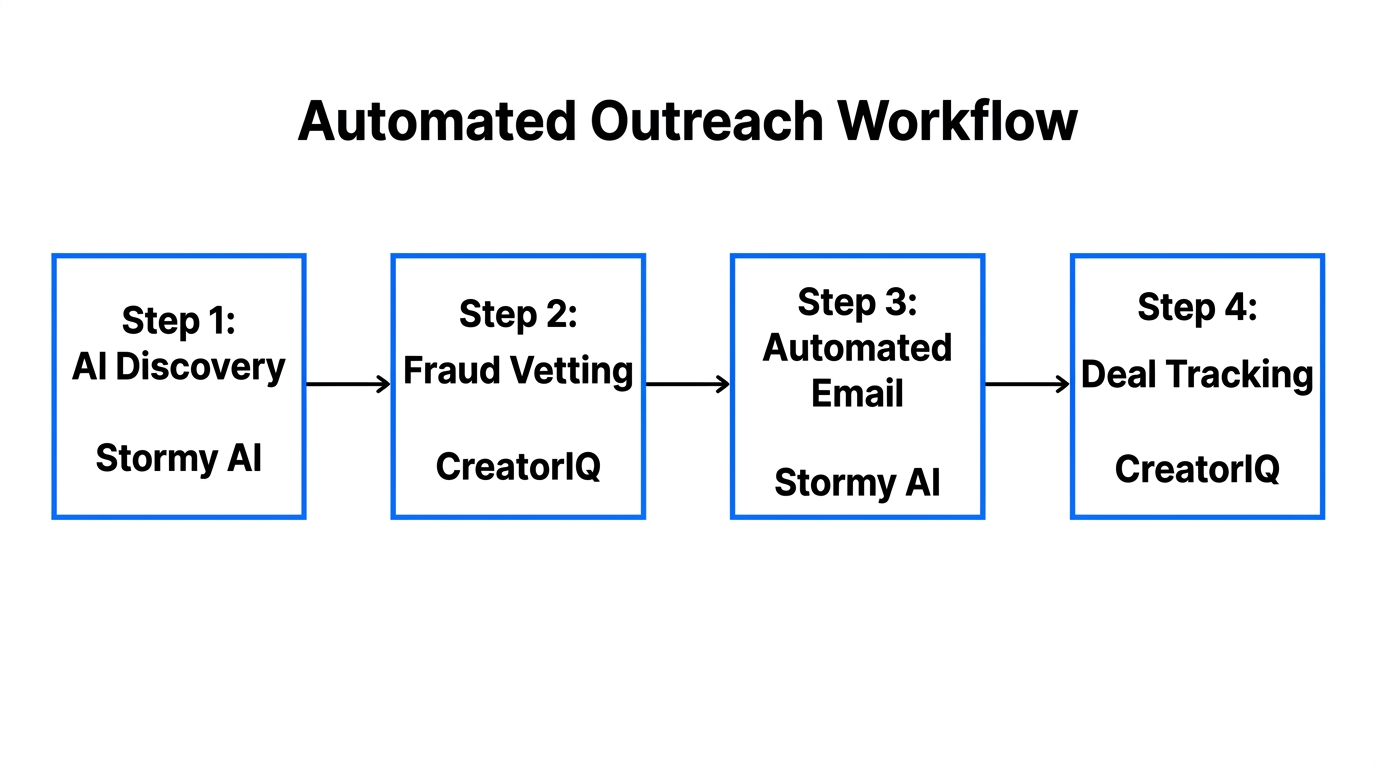
The most time-consuming part of influencer marketing is the "back-and-forth." Sending an email, waiting three days, negotiating the rate, and then sending a contract. If you try to do this for 500 creators manually, your team will burn out. Automated influencer outreach is the only way to scale.
Stormy AI acts as a "Creator SDR." You can set up an AI agent that not only sends hyper-personalized emails but also handles negotiations autonomously. You set your budget guardrails (e.g., "do not pay more than $200 per video"), and the AI agent will negotiate with the creator to reach that goal. This "Price Strike Protection" ensures you never overpay while scaling your micro-influencer strategy 2025.
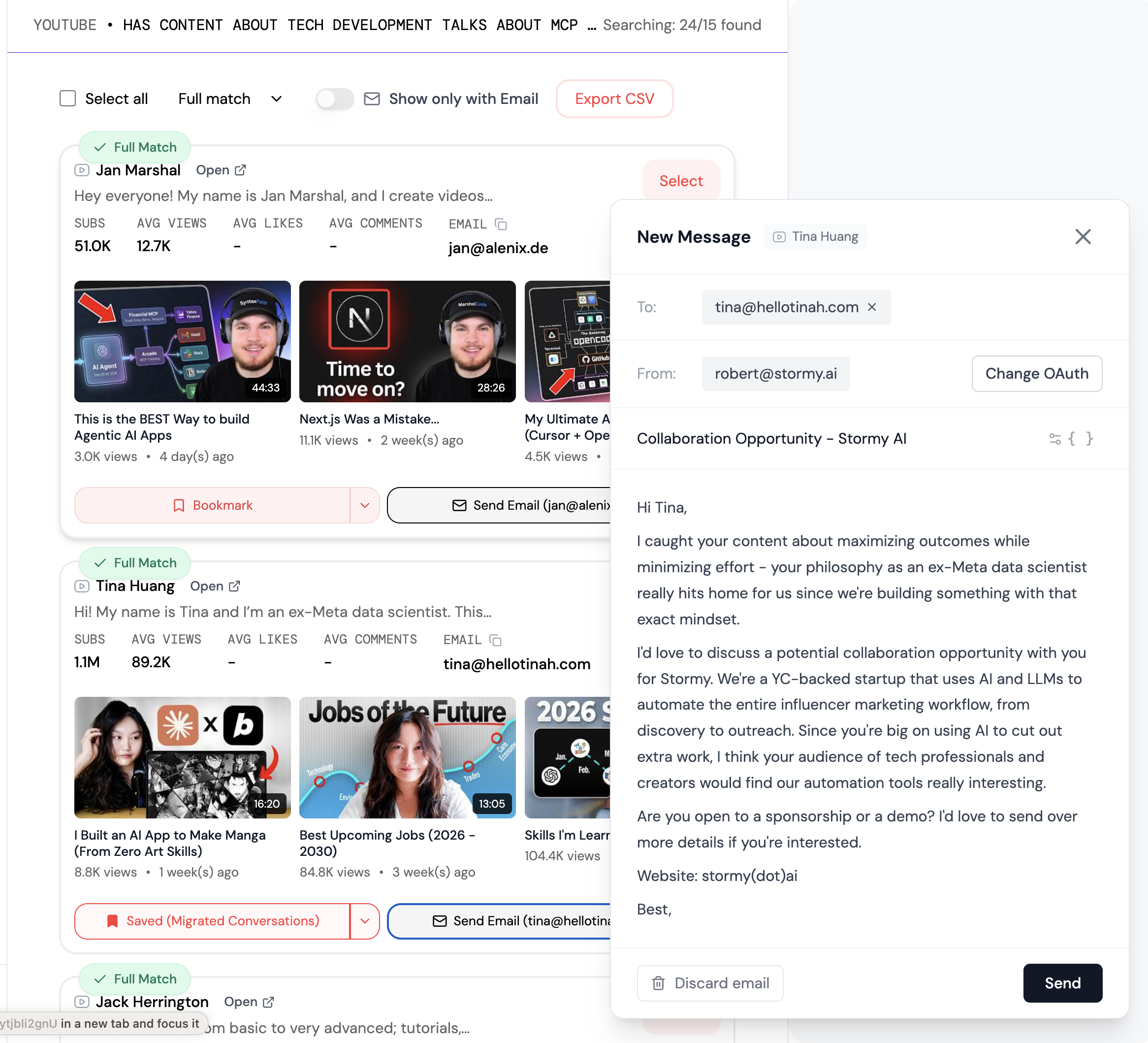
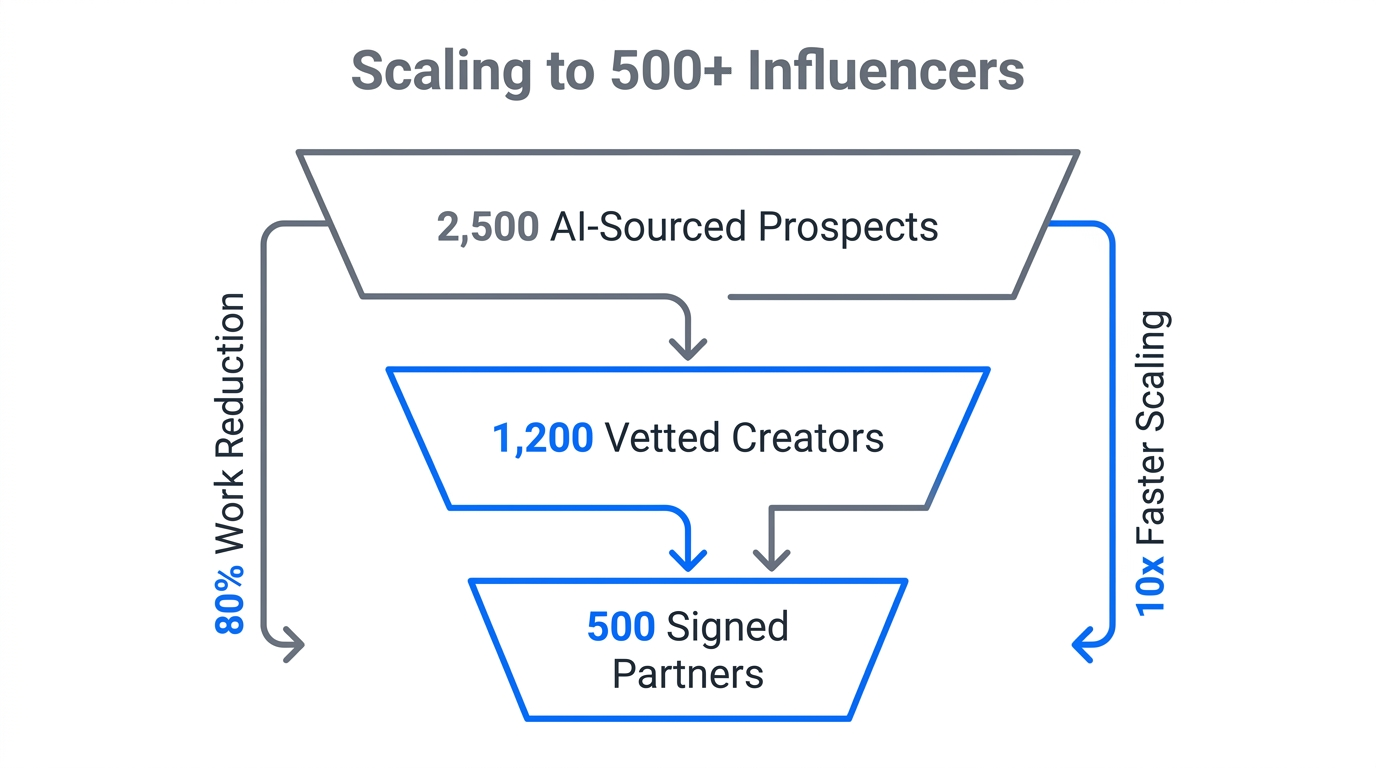
Startups like ElevenLabs have used these agentic workflows to automate the discovery and outreach for niche tech creators, effectively cutting manual work by 80% and allowing their lean marketing teams to focus on strategy rather than logistics using tools like Instantly or Stormy's native inbox.
"The shift from 'Data Tools' to 'Agents' is the biggest trend in 2025. Marketers no longer want to see numbers; they want a system that does the work for them."Stormy AI vs. CreatorIQ: Which Should You Use?
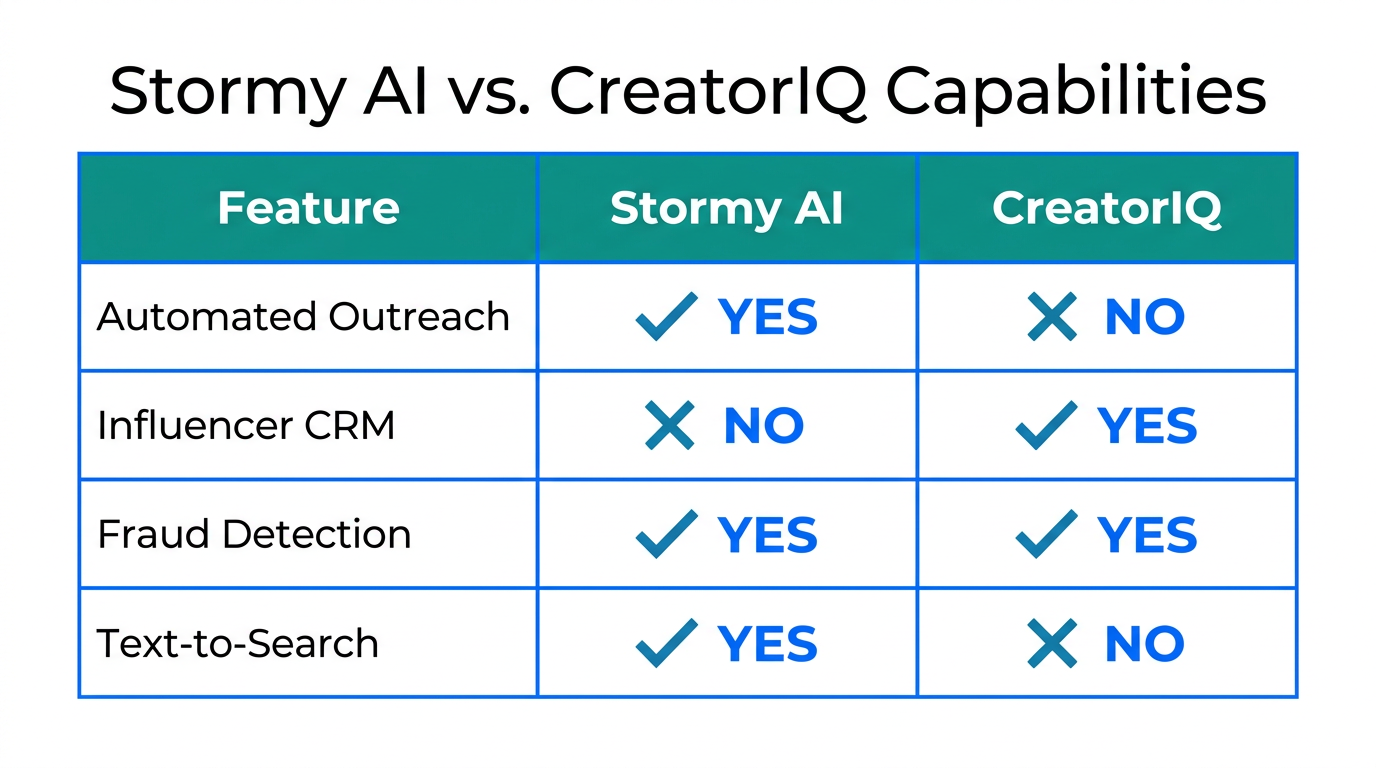
While both platforms are leaders in the space, they serve different primary functions. Understanding where each fits in your scale influencer marketing stack is crucial. CreatorIQ is a robust system of record for governance, while Stormy AI is an engine of execution.
| Feature | Stormy AI | CreatorIQ |
|---|---|---|
| Primary Focus | Agentic Automation (Doing) | Infrastructure & Data (Viewing) |
| Outreach Style | Autonomous AI SDR | Manual Bulk Outreach |
| Negotiation | Fully Automated AI Agents | Human-Led Platform Tools |
| Onboarding Time | < 1 Day (Plug & Play) | 6–8 Weeks (Enterprise) |
| Best For | SaaS, Startups, High-Volume | Fortune 500 Governance |
For most modern growth teams, Stormy AI is the clear winner for the execution phase. Its ability to negotiate and follow up without human intervention allows you to reach 500+ creators with the same headcount it used to take to reach 50.
Step 4: Transitioning from Spreadsheets to a Creator CRM
Scaling to 500+ creators is impossible if your data is siloed in Google Sheets. You need a centralized CRM to track every deal stage, contract, and payment. CreatorIQ enterprise workflow offers deep governance, but Stormy AI provides a built-in Creator CRM designed specifically for the high-velocity needs of startups and agencies.
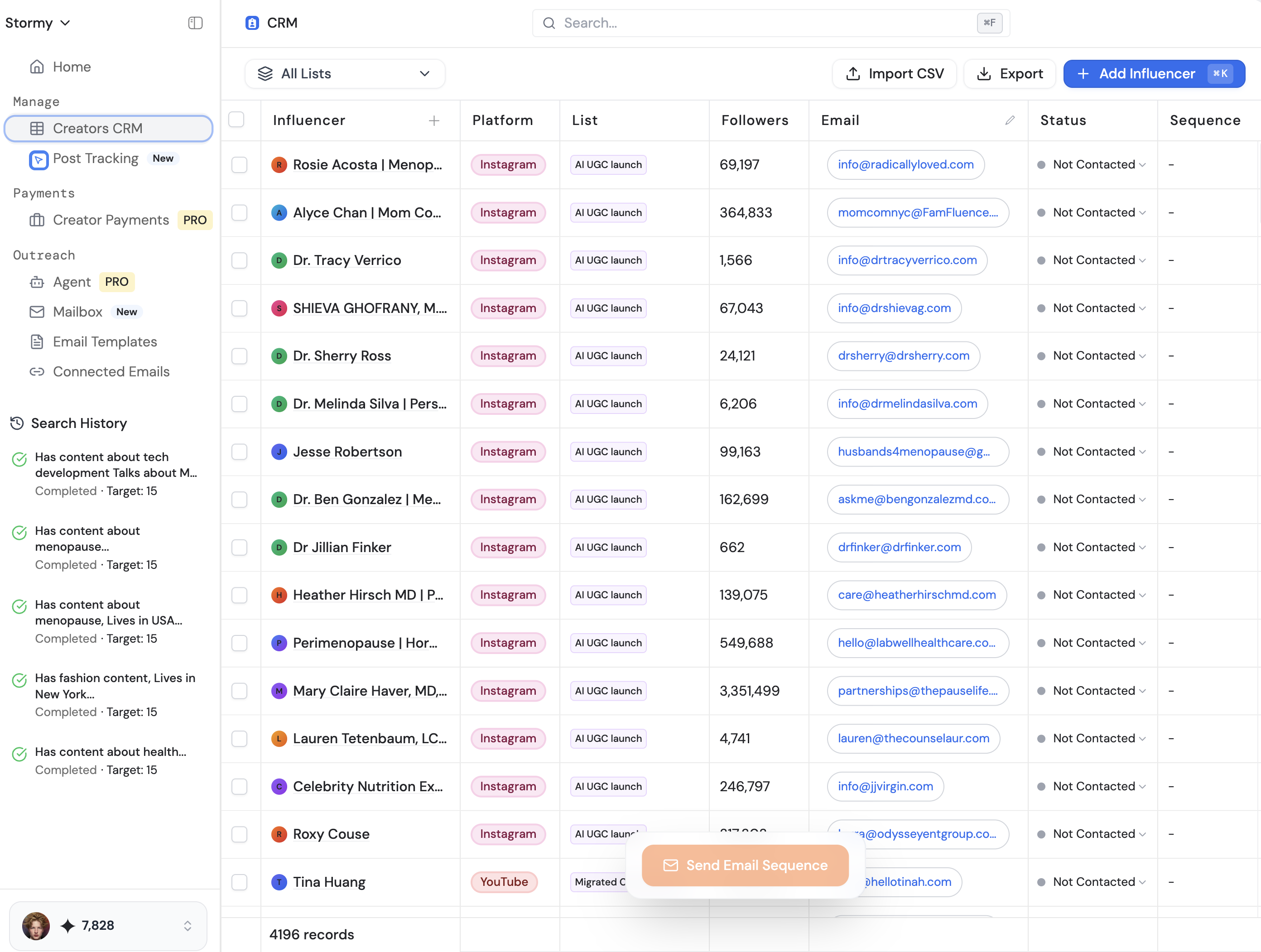
By managing everything—from discovery to payment—inside Stormy AI, you create a single source of truth. This allows your team to see exactly which creators are in the negotiation phase, which have signed contracts, and which have already posted their content. This level of organization is what separates successful scale influencer marketing campaigns from chaotic ones.
Step 5: Post-Tracking and Performance Analytics
Once your 500 creators go live, the next challenge is tracking performance. Success in 2025 is measured by performance metrics like CAC and AOV, rather than just likes or shares. You need a tool that can monitor views, engagement, and conversion data across all platforms simultaneously.
Stormy AI's Post Tracking section allows you to monitor every individual video or post in real-time. This is essential for micro-influencer strategy 2025, where you might have hundreds of active posts running at once. By identifying which creators are driving the highest ROI, you can double down on those partnerships and optimize your spend.

"The most successful brands in the next decade will be those that treat influencer marketing as a performance channel, not a PR channel."Conclusion: Building Your Influencer Engine
Scaling to 500+ micro-influencers is no longer a task that requires a massive internal team. By leveraging agentic AI, you can build a high-volume engine that runs 24/7. Use CreatorIQ for your high-value celebrity ambassadors and enterprise-level governance, but use Stormy AI to automate the "long tail" of 500+ micro-influencers that drive your real ROI.
Ready to automate your creator discovery and outreach? Start using Stormy AI today to reduce your manual work by 80% and join the ranks of high-growth companies like ElevenLabs that are leading the way in performance influencer marketing. You can check out more about their journey on G2 or the Y Combinator launch page.