Scaling an e-commerce brand to seven figures usually sounds like a logistics nightmare involving massive warehouses, complex supply chains, and hundreds of thousands of dollars in tied-up capital. However, a lean, highly profitable alternative is gaining traction: the made to order business model. By focusing on manufacturing products only after a customer hits the 'buy' button, entrepreneurs can effectively eliminate the primary killer of small businesses—excess inventory. This approach allows for a level of financial flexibility and agility that traditional retail models simply cannot match, turning a modest initial investment into a multi-million dollar revenue stream.
The Made-to-Order Business Model: Scaling Without the Risk
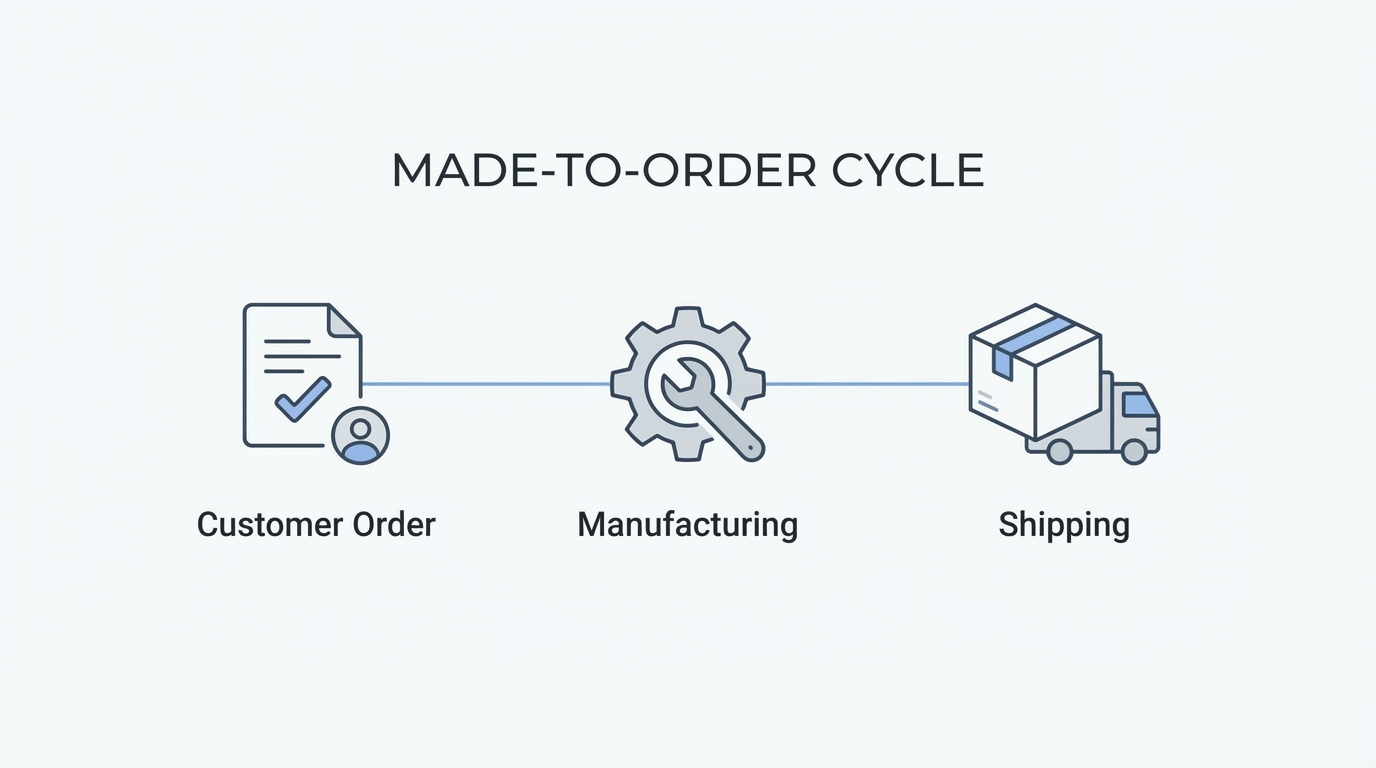
The traditional retail path requires you to guess what customers want, manufacture it in bulk, and pray it sells. If you guess wrong, your capital is locked in a warehouse gathering dust. The made-to-order strategy flips this script. By stocking raw materials—like the 400+ rolls of fabric used by success stories like Smithy Home Couture—instead of finished goods, you maintain the ability to pivot your product line instantly based on real-time market trends. This is the cornerstone of modern ecommerce inventory management.
When you operate a made-to-order shop, every dollar spent on materials is already tied to a confirmed sale. This ensures that your profit margins remain healthy because you aren't discounting stale stock to clear shelf space. For brands selling on platforms like Etsy, this model allows for a massive variety of SKUs without the overhead. You can list 100 different pillow designs while only owning a few dozen rolls of high-quality textile. This agility is precisely how small players can compete with major home decor retailers who are slowed down by rigid seasonal cycles.
Financial Discipline: How to Start an E-commerce Business with $10K
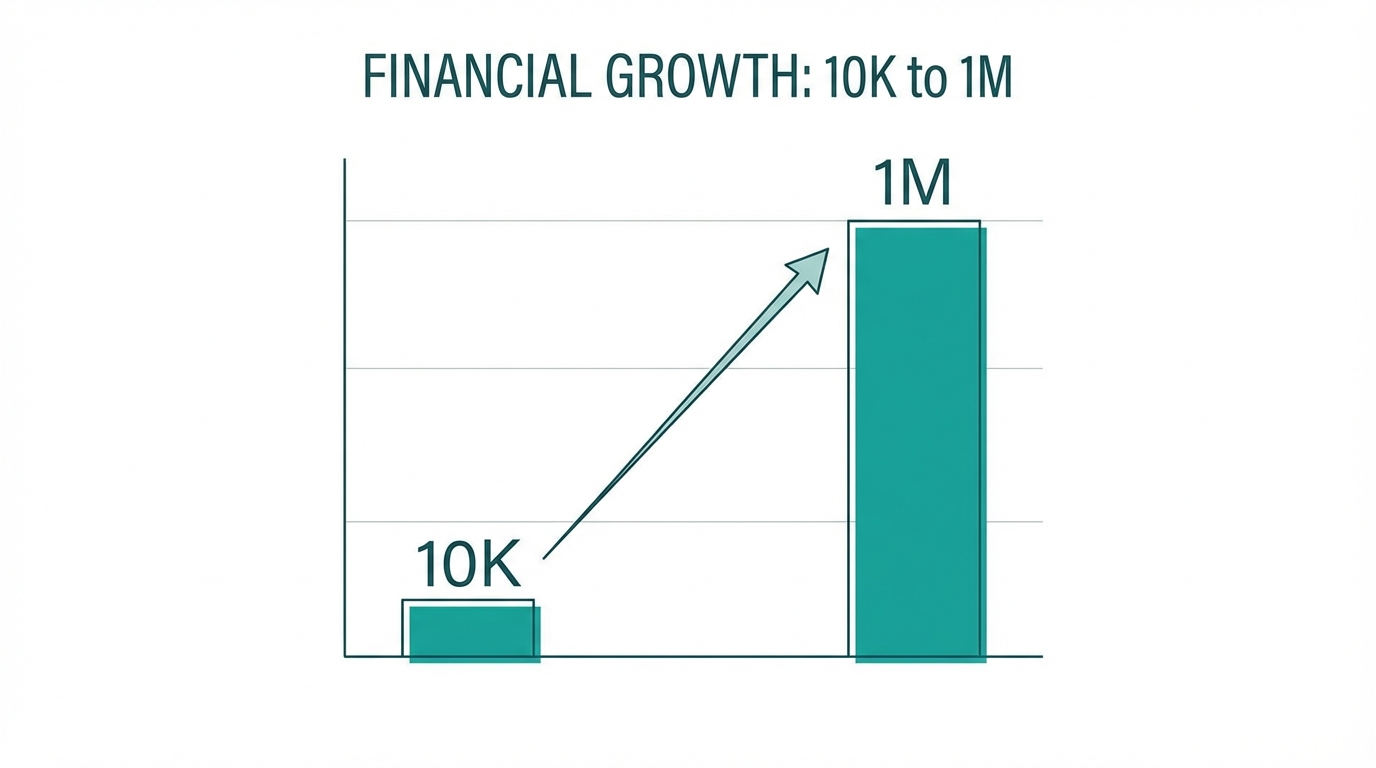
It is a common myth that you need a massive war chest to launch a successful brand. In reality, you can start an ecommerce business with 10k and never look back. The secret lies in extreme financial discipline and the "reinvestment loop." Instead of taking a salary immediately or spending heavily on flashy office space, successful founders reinvest every dollar of profit back into the business to fund the next batch of raw materials or to upgrade their production equipment.
In the early stages, your $10,000 should be allocated toward three critical areas: high-quality raw materials, a basic digital presence, and initial customer acquisition. By avoiding debt and scaling entirely through cash flow, you insulate the business from market volatility. Many successful founders, including those building million-dollar shops on Shopify, report that they never invested a single penny beyond their initial seed money. They used the first $10,000 to prove the concept, generated the first $30,000 in revenue, and used that growth to fuel the next level of expansion.
Inventory Mastery: Managing 400+ Rolls with Zero Finished Stock
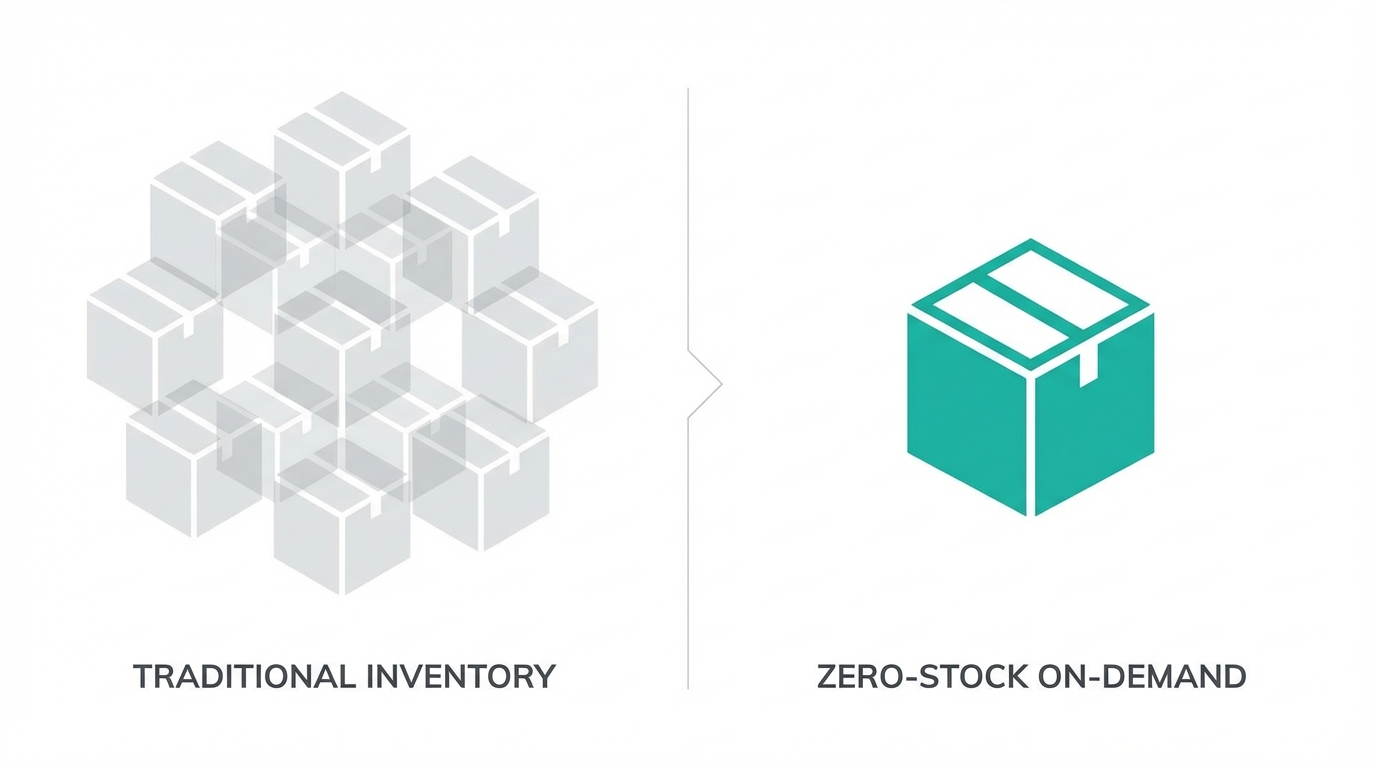
Effective ecommerce inventory management in a made-to-order setup is less about counting boxes and more about managing throughput. Instead of stocking finished pillow covers or furniture, you stock the components. This zero-stock strategy for finished goods means your warehouse—or "work room"—is a hive of activity where raw fabric is converted into 4.9-star products in a matter of hours.
To manage 400+ fabric rolls without losing track, you need a robust system. Tools like Shopify offer inventory tracking that can be adapted to raw materials. When an order for a specific textile comes in, the system should ideally deduct the yardage from your total stock. This level of granularity prevents the dreaded "out of stock" notification after a customer has already paid. Maintaining a 4.9 out of 5-star review average across thousands of orders requires this precision; customers expect that if it’s listed, it’s available.
Logistics and Speed: The 3-to-5 Day Turnaround

The biggest hurdle for the made-to-order model is customer patience. In an era of next-day delivery, waiting two weeks for a custom item can feel like an eternity. To scale, you must master the art of the 3-to-5 day shipping window. This requires a highly optimized work room where the transition from order receipt to cutting, sewing, and packing is seamless. Stormy AI is an all-in-one AI-powered platform that helps brands find and manage the UGC creators who document this "behind the scenes" process, which helps build trust and justifies the short wait for a handcrafted product.
Achieving this speed involves a few tactical steps:
- Batch Processing: Group orders by fabric type or construction method to minimize machine setup time.
- Local Fulfillment: Manufacturing in high-demand regions (like the US for a US-based audience) significantly cuts down on transit times compared to overseas shipping.
- In-House Inserts: For businesses like decorative pillows, making the stuffing or inserts in-house allows for better quality control and faster packing.
Selling on Wayfair vs. Etsy: A Multi-Channel Playbook
When considering selling on Wayfair vs Etsy, the answer for a scaling brand is usually "both," but for different reasons. Etsy is the ultimate testing ground. It is a community-driven platform where the barrier to entry is low and the customer base values the "handcrafted" story. It is where you build your initial 17,000 orders and gather the thousands of reviews that serve as social proof. Learning how to scale an etsy shop involves mastering their specific SEO lingo and maintaining ultra-responsive customer service.
Wayfair, on the other hand, offers massive scale and a different demographic. While Wayfair is known for stocking mass-produced items, they have a robust program for made-to-order suppliers. The key advantage of Wayfair is its reach; they can put your custom designs in front of millions of shoppers who might never browse Etsy. However, their technical requirements are stricter, and you must be able to sync your production schedule with their logistics software. Balancing these platforms with a private Shopify domain gives you the best of both worlds: the reach of marketplaces and the data ownership of your own site.
Scaling Through Subcontractors and Specialist Teams
You cannot sew your way to $1 million alone. Every solopreneur eventually hits a ceiling where they can no longer keep up with demand. The transition from maker to manager is where most e-commerce businesses fail. To scale, you need to build a team of 5-6 dedicated subcontractors who specialize in production spikes. These aren't necessarily full-time employees initially, but trusted specialists who can step in when order volume doubles overnight.
Management in a made-to-order environment requires clear SOPs (Standard Operating Procedures). Whether it's a specific stitching pattern or a packing technique, every step must be documented. This ensures that a pillow made by Subcontractor A looks identical to one made by Subcontractor B. As you grow, your role shifts from the creative "doing" to the creative "buying" and strategic direction. You become the curator of the fabric rolls while your team handles the execution.
The Modern Marketing Stack: From Reviews to UGC
To maintain seven-figure momentum, you need a constant stream of new customers. While marketplaces like Etsy provide some organic traffic, proactive marketing is essential. Visual platforms are the lifeblood of home decor. Mastering tools like Canva for social posts and Adobe Photoshop for professional product photography is non-negotiable.
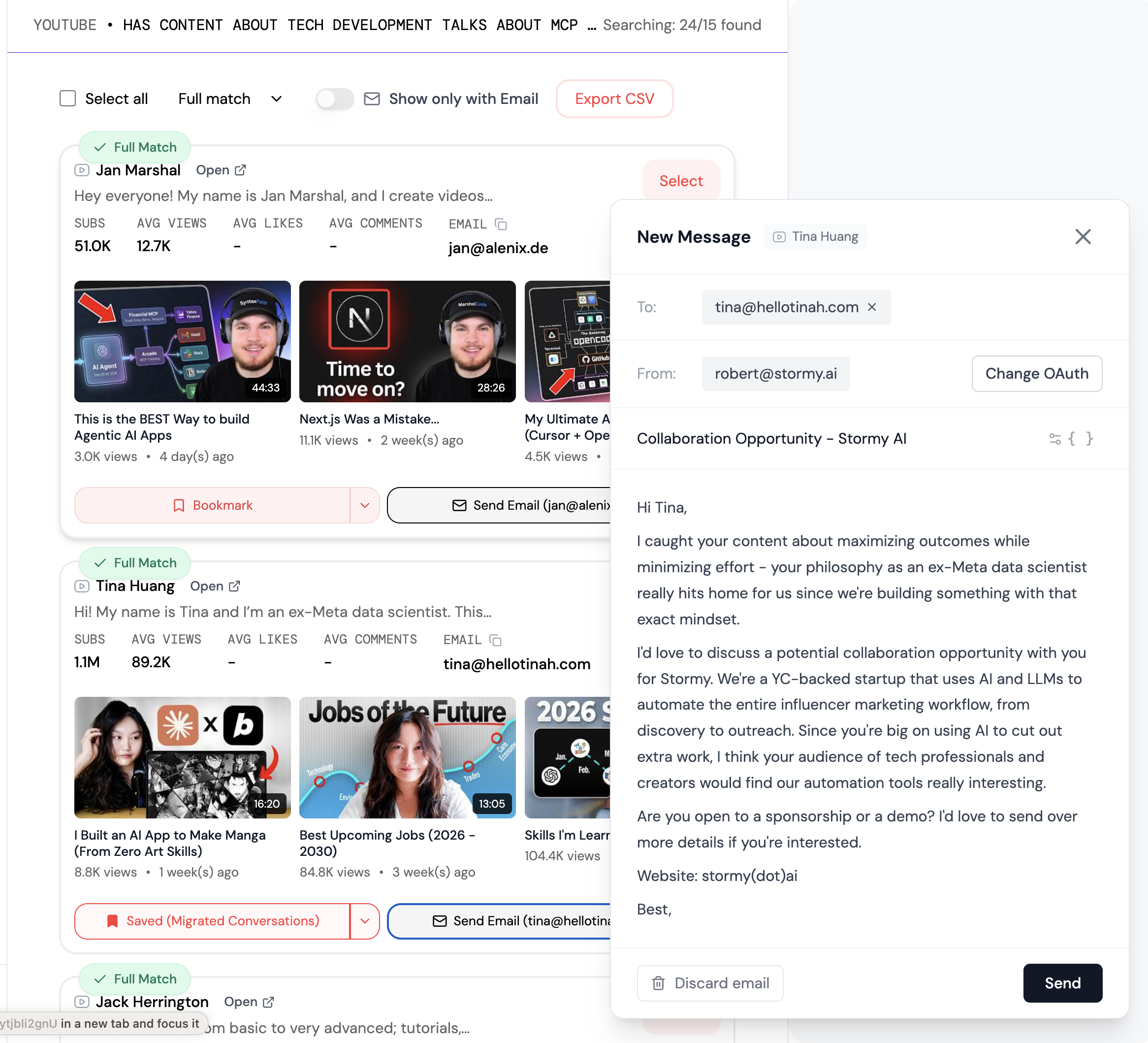
Furthermore, as you scale, the cost of customer acquisition can rise. This is where high-performing creative content becomes critical. Many top-tier e-commerce brands use Stormy AI to run natural-language searches for niche creators and influencers who can produce authentic video content for Meta Ads Manager or TikTok. Before hiring, brands use Stormy AI to vet creator profiles, detecting fake followers and analyzing engagement fraud to ensure marketing spend is protected. Once a list is built, you can use Stormy AI to send hyper-personalized outreach emails to hundreds of creators simultaneously, managing all replies in a centralized AI inbox. User-generated content showing a custom pillow being unboxed and placed in a real home often converts at a much higher rate than polished studio shots. By combining these creator strategies with App Store Optimization (ASO) tactics (if you have a dedicated app) or targeted Google Ads, you can ensure a steady flow of traffic to your storefront.
Conclusion: The Path to Your First Million
Scaling a made-to-order brand from a $10,000 investment to a $1 million powerhouse is a marathon, not a sprint. It requires a unique blend of creative passion and rigorous operational discipline. By embracing a zero-stock strategy, you minimize the financial risks that sink traditional retailers. By leveraging multi-channel expansion across Etsy and Wayfair, you maximize your reach. And by building a reliable team of subcontractors, you create a business that can grow far beyond your individual capacity. Whether you are in your 20s or your 50s, the made to order business model offers a viable, profitable path to entrepreneurship in the digital age. Start small, reinvest your profits, and focus on delivering a product that earns those 5-star reviews every single day.