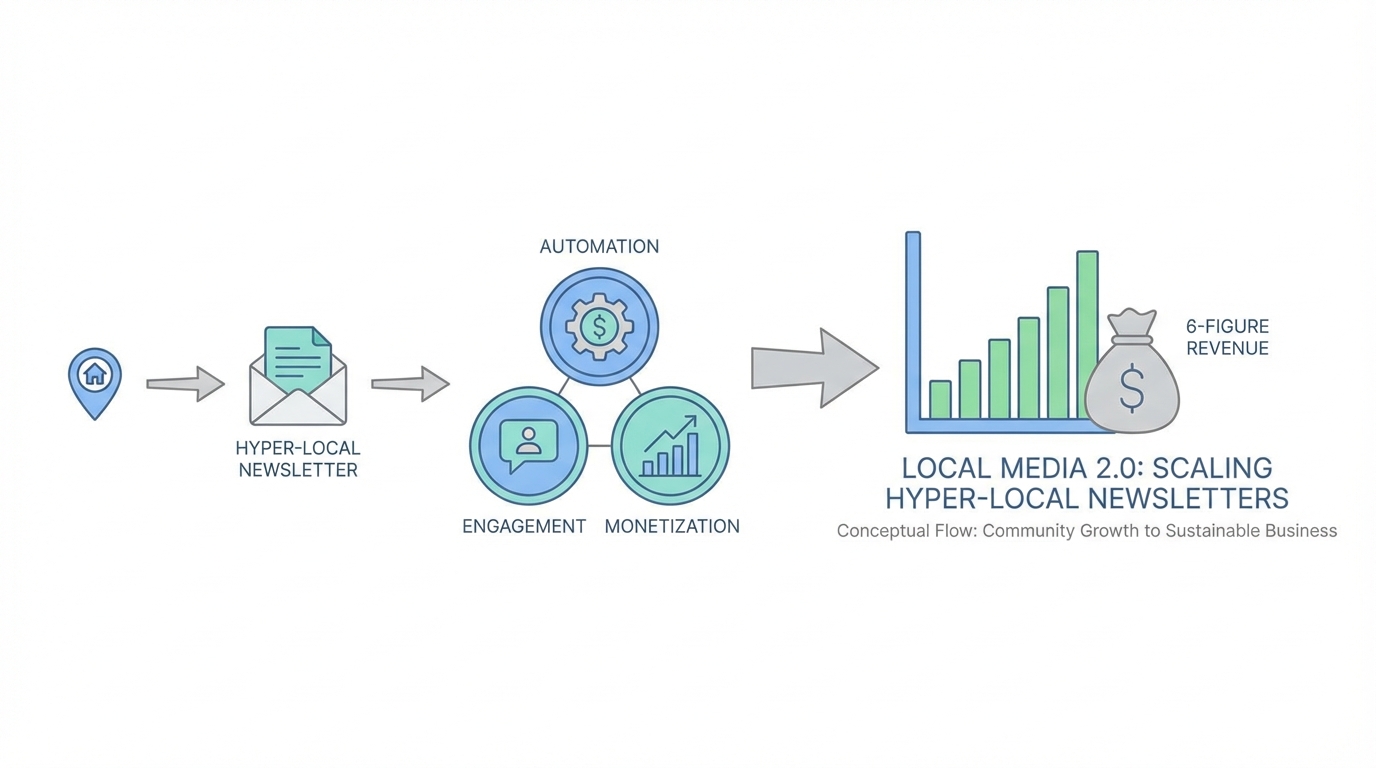
In 2025, the landscape of digital media has undergone a radical shift. While national news outlets grapple with polarization and declining trust, a massive opportunity has emerged in the space they left behind: your backyard. Traditional local newspapers have struggled to make the jump to digital, often cluttering their websites with intrusive ads and focusing exclusively on 'if it bleeds, it leads' reporting. This has created a vacuum for a new kind of local news startup—one that is community-centric, positive, and delivered directly to the inbox. By focusing on a hyperlocal marketing strategy and high-value curation, entrepreneurs are now building six-figure media properties in towns with fewer than 100,000 residents.
The 'Positive News' Pivot: Why Community Content Wins
The first step in revitalizing local media is a fundamental shift in editorial tone. Most legacy local news is heavy on crime, accidents, and political gridlock. While these stories are important, they don't build a loved group of people who look forward to opening an email every morning. To build a sustainable local news startup, you must pivot toward 'Positive News.' This means focusing on what makes a community thrive: new restaurant openings, hidden park trails, high school sports highlights, and local hero stories.
As noted by media experts at Startup Empire, the goal is to create a digital environment that doesn't feel like work to read. People are exhausted by the 24-hour global news cycle; they want to know what is happening on their block that will actually improve their weekend. This curation acts as a 'cheat code' for community building. When your content helps a resident find their new favorite coffee shop or a parent find a weekend activity for their kids, you earn a level of trust that national brands can never replicate.
Growth Tactics: Building a Moat with Hyperlocal Marketing

Building an audience for a local newsletter requires a blend of modern digital tactics and old-school 'boots on the ground' sourcing. Unlike global newsletters that compete for everyone's attention, a local newsletter has a finite, highly targeted audience. This makes hyperlocal marketing strategy much more efficient if executed correctly.
Step 1: The $0.50 Facebook Ad Strategy
One of the most effective newsletter growth hacks is utilizing Meta's granular location targeting. In many mid-sized cities, you can acquire subscribers for as little as $0.25 to $0.50 per subscriber. The key is to offer immediate, localized value in the ad creative. Instead of a generic 'Join our newsletter' call to action, use a lead magnet like '5 Secret Restaurants to Try This Weekend in Miami' or 'The Ultimate Guide to Annapolis Summer Festivals.' These ads should link directly to a high-converting landing page where the value proposition is clear and the signup process is friction-free.
Step 2: Chalkboard Sourcing and AI Curation
To truly stay ahead of the curve, you need information that isn't yet indexed by search engines. Some of the best community engagement tactics involve 'chalkboard sourcing'—finding events listed on physical boards at local cafes, bars, and community centers. While AI can help summarize news, it can't (yet) walk into a local dive bar and see that a jazz trio is playing on Tuesday night. By manually sourcing these hyper-local 'gems,' you create a content moat that aggregators can't touch. Tools like Boring Marketing emphasize that unique, human-verified data is what ultimately wins the SEO and trust game in the age of AI-generated noise.
Step 3: Leveraging Organic Social Loops
Utilize 'Pre-CTAs' and 'Post-CTAs' on platforms like X, Instagram, and TikTok. A Pre-CTA involves teasing a specific piece of local intel—like a leaked menu for a new bakery—and telling followers they can get the full details in tomorrow's email. A Post-CTA involves sharing a screenshot of a successful newsletter section and inviting those who missed it to join the list so it doesn't happen again. This creates a viral loop that converts casual social media followers into owned email subscribers.
Monetizing Local High-LTV Niches
The real secret to scaling a local advertising business into the six-figure range isn't selling $50 banner ads to the local dry cleaner. It’s about partnering with high Lifetime Value (LTV) businesses that can afford significant sponsorship fees because a single lead is worth thousands of dollars to them.
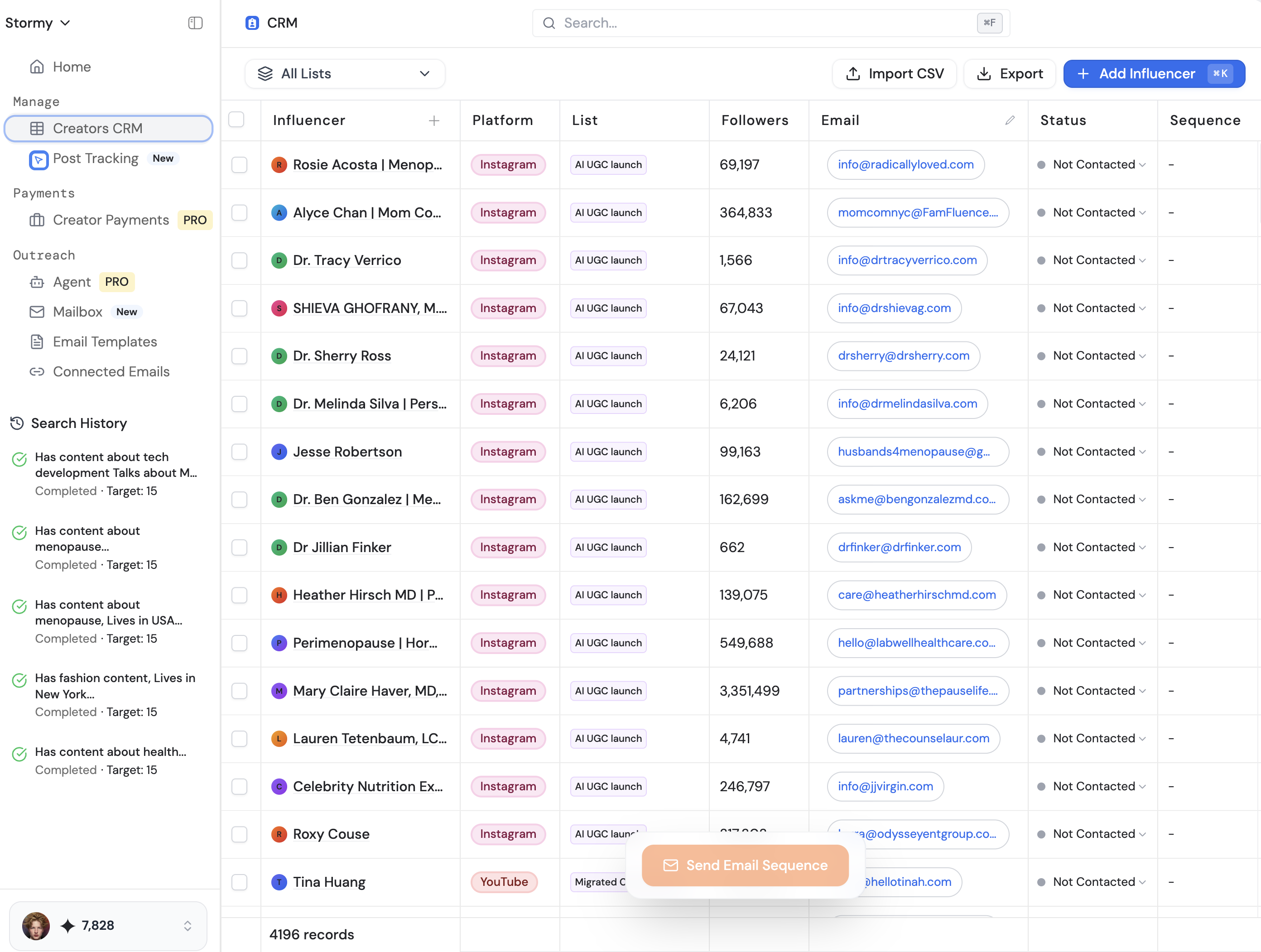
Target industries like real estate, estate law, wealth management, and private banking. For these professionals, being the 'official partner' of a trusted community newsletter is a goldmine. For example, a local realtor may be willing to pay $2,500 per month to be featured in your weekly real estate round-up. If you secure just four of these high-tier sponsors, you are already at a $120,000 annual run rate with very low overhead. To manage these complex relationships and ensure your sponsors are seeing value, using a tool like the creator CRM on Stormy AI can help you track outreach, manage deal stages, and maintain a consistent communication schedule with local business owners.
The 'Run Until Click' Model
For smaller local businesses, use a performance-based 'Run Until Click' model. Instead of charging for a single day, charge a flat fee (e.g., $1,000) and promise the advertiser 200 high-quality clicks from your newsletter. You continue to run their ad in subsequent issues until that threshold is met. This guarantees results for the advertiser and allows you to build a reputation for delivering actual ROI, rather than just 'awareness.'
The Horizontal Scaling Model: From One Town to a Region
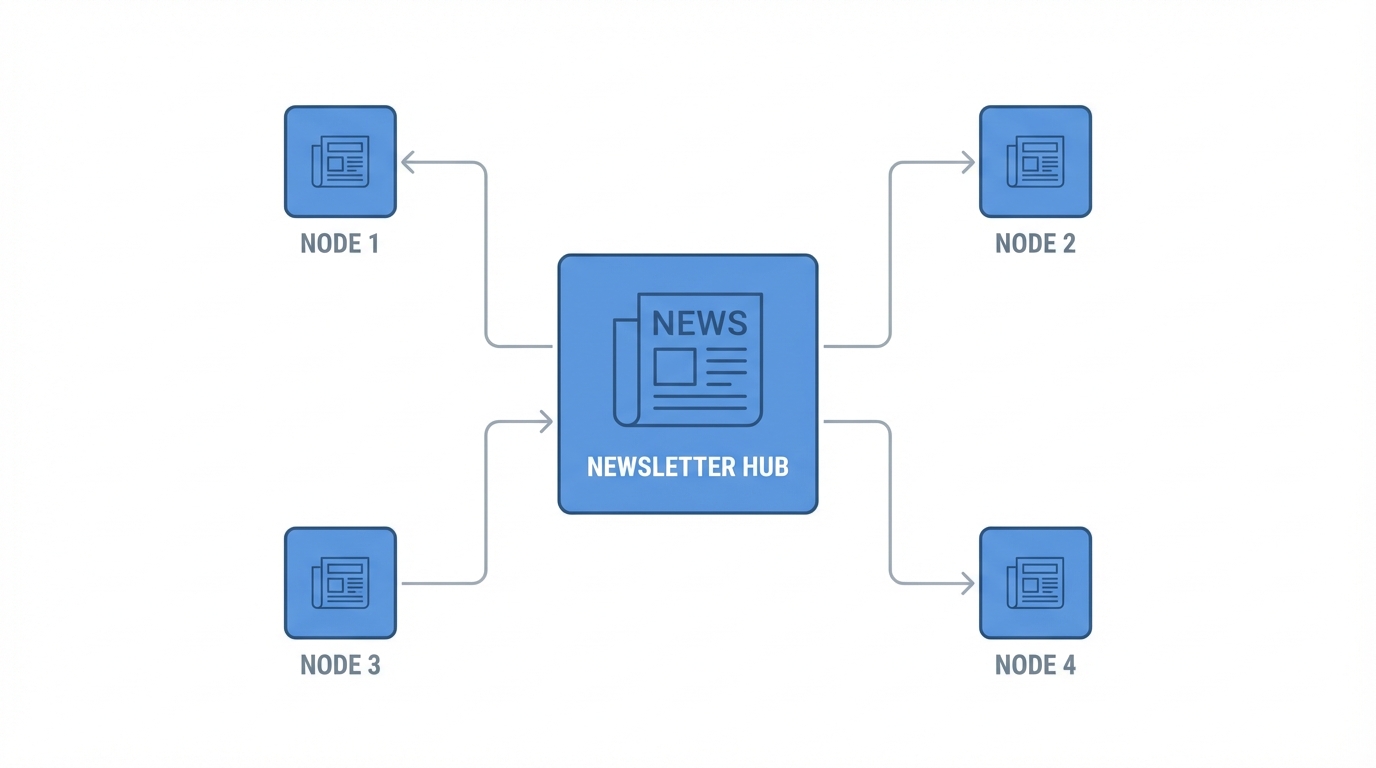
Once you have a profitable local news startup in one city, the next step is horizontal scaling. You don't need to reinvent the wheel; you simply replicate the framework in the next town over. This is the model used by successful media companies like 6AM City, which grew to $8 million in revenue across multiple markets.
Scaling requires a repeatable system for content and operations. You can outsource the technical research and data entry to talent through platforms like OnlineJobs.ph or use specialized recruiting agencies like Somewhere.com to find overseas operators who can manage the daily assembly of the newsletter while you focus on high-level ad sales and community partnerships. By centralizing the 'back office' of your newsletter network, you can launch in a new city every 3-6 months with minimal incremental cost.
Revenue Diversification: Beyond the Inbox
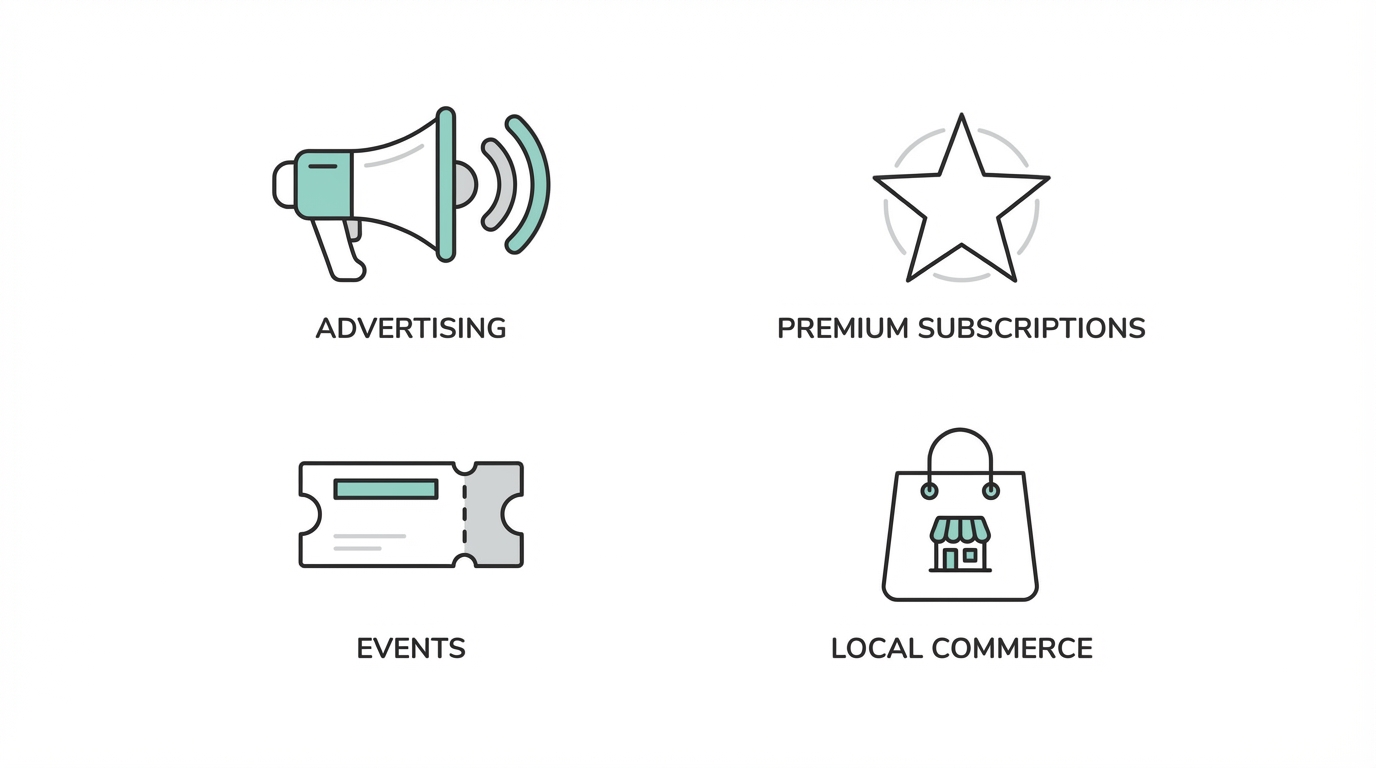
While advertising is the foundation, a six-figure local media business often diversifies its income streams to protect against market fluctuations. Consider these three high-margin additions:
- Premium Property Paywalls: If you run a real estate-focused section, put 50% of the best off-market listings behind a $1,000/year premium subscription handled through a processor like Stripe. Real estate investors are often willing to pay for a time advantage.
- Local Seminars and Events: Host an 'Annual State of the City' breakfast or a 'New Homebuyer Seminar.' Selling 100 tickets at $100 each, plus event sponsorships, can result in a $20,000 payday for a single day's work.
- Bespoke Local Guides: Create digital products like 'The Ultimate Local Hiking Map' or 'The 2025 Summer Camp Directory' and sell them for $19.99. These assets can be promoted seasonally to your existing list for pure profit.
As you grow, finding local influencers to promote these guides can be a game-changer. You can discover creators on Stormy who have high engagement in your specific zip codes, allowing you to run hyper-targeted 'shoutout' campaigns that drive massive traffic to your digital products.
The Future of Local Media: Positive, Curated, and Profitable
Building a local news startup in 2025 is not about competing with the New York Times; it's about becoming the digital heartbeat of your local community. By focusing on positive community engagement tactics, leveraging low-cost social ads, and targeting high-LTV advertising partners, you can build a business that is both financially rewarding and socially impactful. The playbook is clear: start small, prioritize quality over quantity, and focus on the 'prosumer' niches that drive local economies. Whether it's through a weekly 'Things to Do' list or a deep dive into local real estate, the opportunity to own the 'Local Media 2.0' space is yours for the taking. The town you live in right now might just be the location of your next six-figure business.