In 2026, the boundary between "marketing strategy" and "software engineering" has officially evaporated. We have moved beyond the era of simple chatbots into the age of Operational AI—where autonomous agents don't just suggest copy, but actively manage multi-channel distribution. According to recent market data, Claude has surged to a 32% enterprise market share, driven by its superior reasoning and the release of Claude Code, a terminal-native agent that allows growth teams to build automated creator outreach pipelines in minutes rather than months.
The Rise of GTM Engineering: Why Claude Code is the 2026 Standard
The marketing stack of 2026 is no longer a collection of disconnected UIs. High-growth teams are adopting "GTM Engineering," a discipline where leaders interact with their tech stack through a terminal or a database. Anthropic’s annualized revenue reaching $14 billion in early 2026 is a testament to this shift, with a significant portion of that growth coming from the Claude Code product line.
Unlike previous iterations of AI, Claude Code is designed to live in your development environment. It can organize files, write updates, and most importantly, automate the busywork that used to plague influencer marketing departments. By connecting Claude to your brand's data via the Model Context Protocol (MCP), you can create a persistent "War Room" that monitors competitor moves and prepares counter-angles in real-time.
"Success in 2026 requires aligning agents within a strategic framework so they amplify, not scatter, GTM efforts. We are aiming for an AI team member, not a replacement."
Bridging the Gap: Claude Code and Stormy AI Influencer Analytics
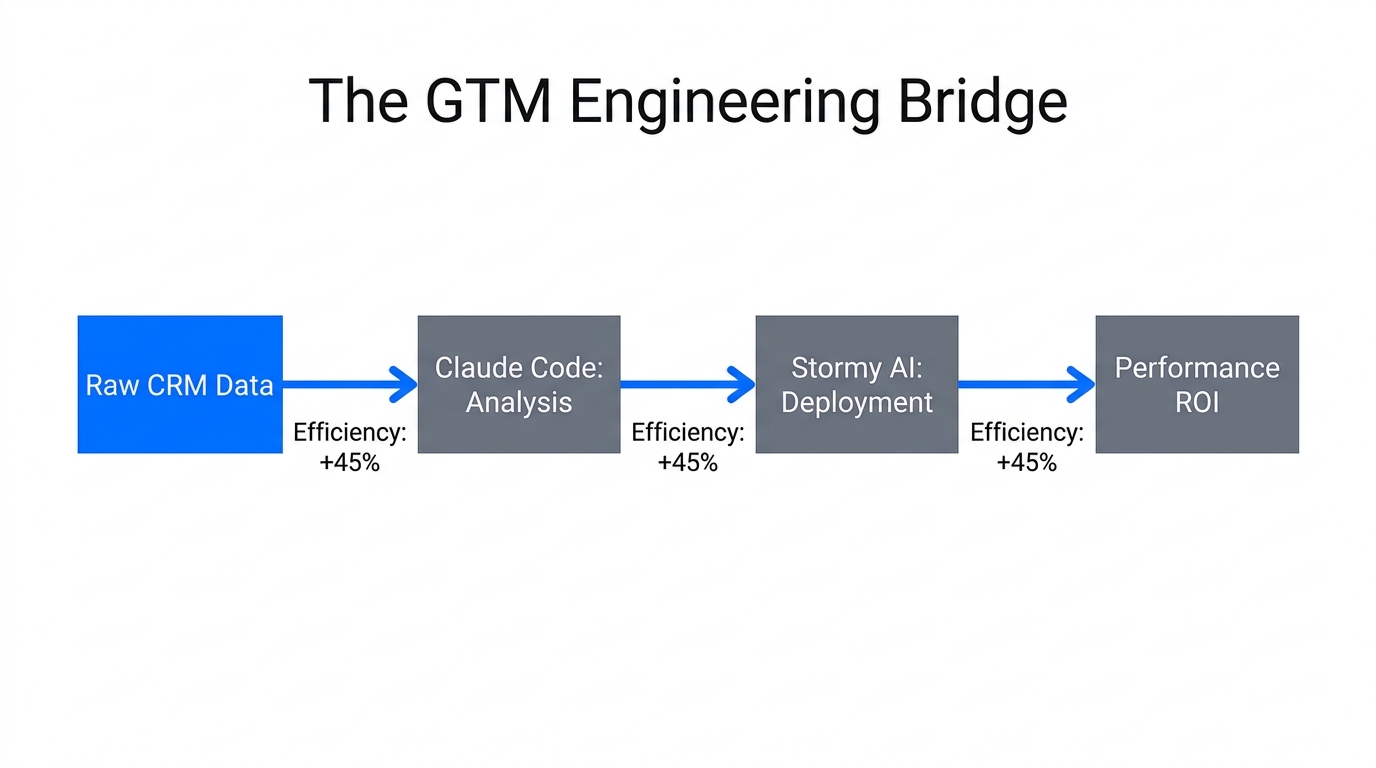
The biggest challenge in influencer marketing has always been the gap between finding a creator and executing a successful campaign. In 2026, sophisticated teams are using Stormy AI to handle the heavy lifting of influencer discovery and vetting. With its AI-powered search engine across TikTok, YouTube, and LinkedIn, Stormy AI provides the data backbone for performance-driven campaigns.
The magic happens when you feed Stormy’s quality reports and audience demographics into Claude Code. You can script a workflow where Claude analyzes a creator’s content style from Stormy’s database and generates a hyper-personalized outreach email that matches the creator’s specific tone. This synergy has led to a 4.8% meeting-booked rate for agent-driven outbound, compared to the dismal 0.6% industry average for legacy templated automation.
Automated Creator Outreach Workflow
- Data Extraction: Export high-engagement creator lists from Stormy AI based on niche and audience quality scores.
- Context Stacking: Use Claude Code to ingest the last 12 months of your brand voice and past successful collaboration data.
- Personalized Scripting: Claude generates custom hooks for each creator, referencing their specific high-performing videos found in the tracking section of your analytics tool.
- Automated Sending: Push these personalized drafts to an AI-managed inbox for final review or autonomous dispatch.
| Feature | Claude (Opus 4.6) | OpenAI (GPT-5.2) | Google (Gemini 3 Pro) |
|---|---|---|---|
| Best For | Strategic reasoning & Brand voice | Data analysis & Math | Ecosystem integration |
| Context Window | 200K (1M beta) | 128K - 400K | 1M - 2M standard |
| Philosophy | Operational/Agentic | Performance/Logic | Distribution/Multimodal |
| Retention Rate | 88% | 76% (industry avg) | 74% |
Automated UGC Research: Monitoring the Competition
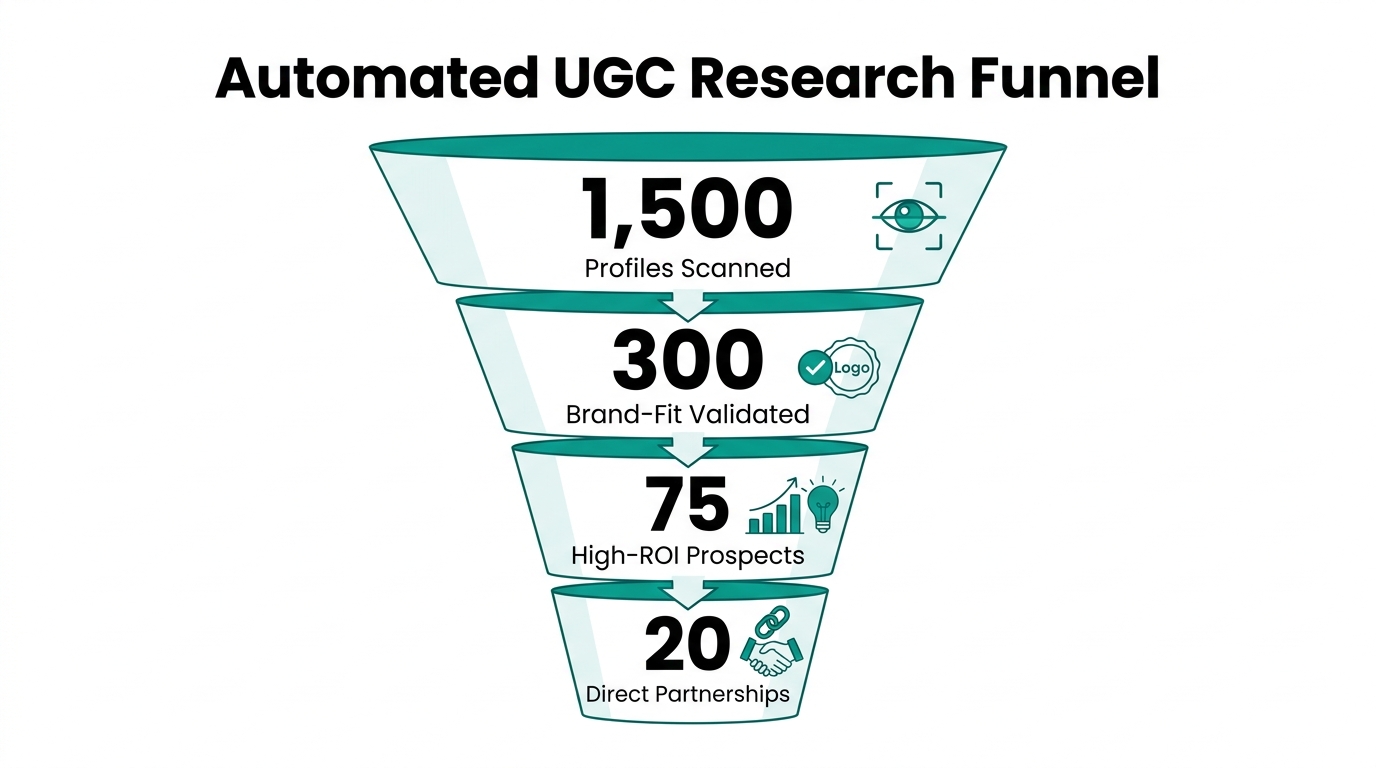
User-Generated Content (UGC) is the lifeblood of mobile app marketing and app install campaigns in 2026. However, keeping track of every competitor mention across TikTok and Instagram is a full-time job. To solve this, GTM engineers are deploying agents on platforms like Railway to scrape competitor mentions and push alerts to Slack.
By using open-source tools and frameworks, you can access pre-built scripts for UGC research. These agents don't just find videos; they analyze the "Belief Friction" in the comments—identifying exactly where potential customers are hesitant about a competitor's product and suggesting counter-angles for your own creators.
"The 'Anthropic Voice' is becoming the new 'Corporate Memphis' if you don't use primary sources. AI works best when you feed it call transcripts and real customer feedback, not generic prompts."
The '5-Minute Agent Deployment' for Influencer Marketing
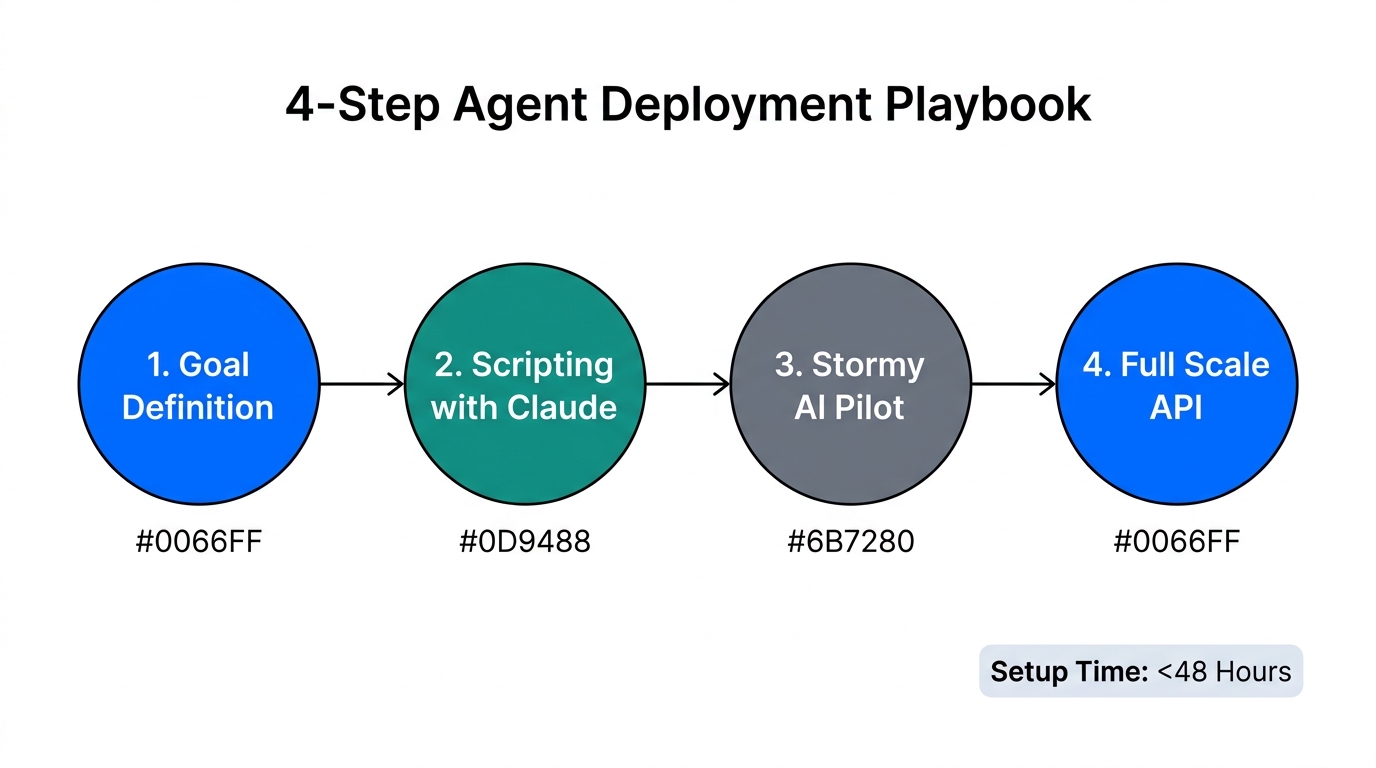
Setting up an autonomous GTM stack doesn't require a computer science degree. Follow this 2026 Bootstrap Protocol to align your brand voice with your AI agents.
Step 1: Install the Environment
Install the terminal-native tool by running npm install -g @anthropic-ai/claude-code. This gives you direct access to the model's reasoning capabilities without the latency of a web browser. Authenticate with your enterprise account using claude auth login.
Step 2: The "Wade Foster" Warm-Up
Before asking for a single recommendation, upload 3-5 years of company history, ICP (Ideal Customer Profile) data, and successful ad creative into a Claude Project. This ensures the feedback is surgical and avoids the "robotic fluff" common in poorly prompted models.
Step 3: Run the Bootstrap
Execute /bootstrap to onboard Claude to your specific campaign goals. Use a platform like Stormy AI to set up an autonomous agent that discovers, outreaches, and follows up with creators daily while you sleep. This automated creator outreach loop ensures your pipeline never runs dry.
Case Study: Tidio and the 90% Resolution Benchmark
One of the most impressive feats of 2026 is Tidio's deployment of Lyro, a Claude-powered support and sales agent. By integrating deep reasoning directly into their e-commerce workflows, Tidio successfully resolved 90% of support inquiries automatically and managed over 2 million conversations with a 71% ticket automation rate.
This same logic is being applied to influencer management. Companies like TELUS have saved over 500,000 hours of manual labor by using AI-based tools for research and content auditing. When you combine this level of automation with the influencer-specific data from Stormy AI, you create a system that can manage thousands of creator relationships with the same personal touch as a boutique agency.
Avoiding 'Agent Washing': Genuine Workflows vs. Simple Automation
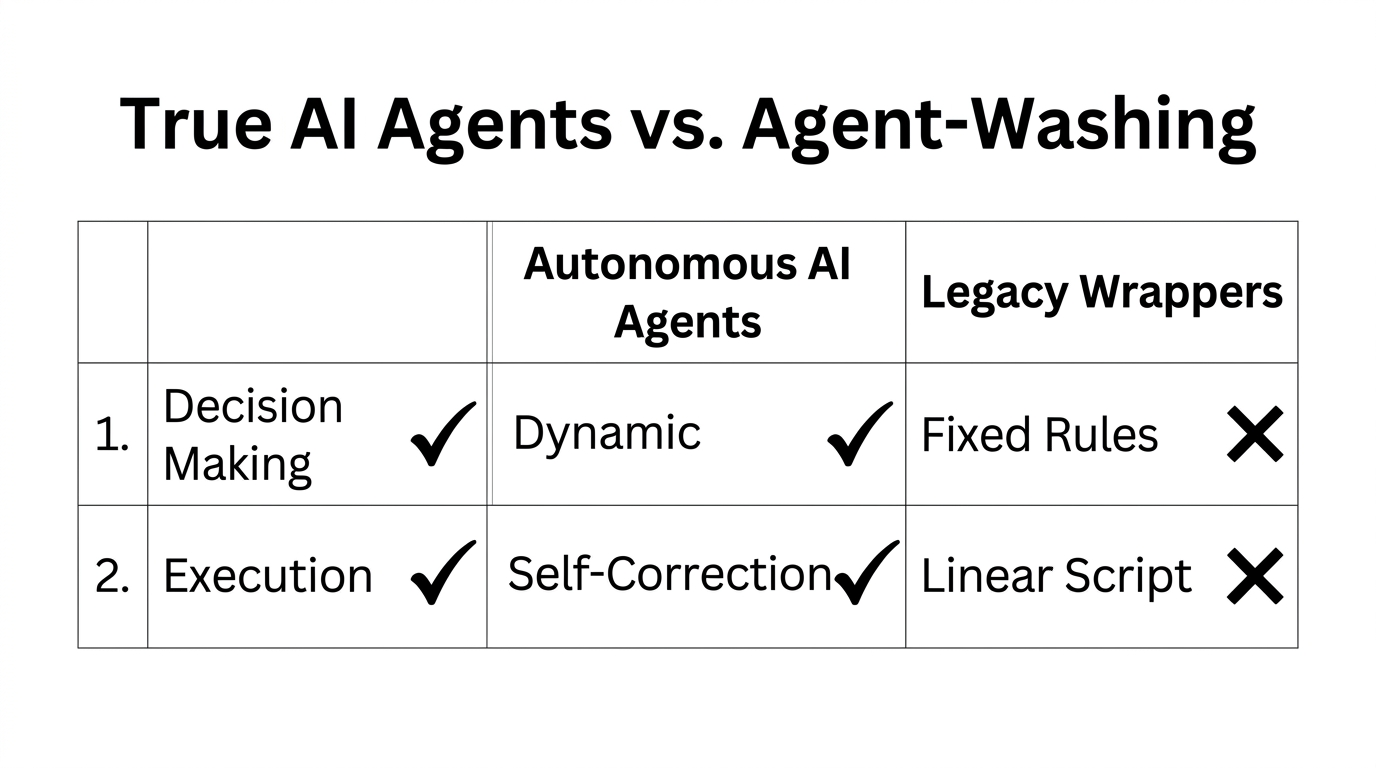
As we navigate 2026, many tools claim to be "AI agents" but are actually just sequential automations. This is often referred to as "Agent Washing." A true agentic workflow can handle unexpected changes—like a creator's profile moving to a private account or a social platform changing its UI—and adjust its strategy accordingly.
To ensure you are using genuine agents, look for tools that support the Model Context Protocol (MCP) and have the ability to read/write to your CRM (like the built-in Stormy AI Creator CRM or Pipedrive) without brittle third-party middleware. HockeyStack is a great example of an AI-native GTM platform that uses these principles for pipeline prediction.
"A common failure in 2026 is 'Context Stacking' gone wrong. Uploading conflicting GTM strategies leads to hallucinated mid-funnel tactics that are years out of date. Sanitize your data before your agents eat it."
Conclusion: The Future of AI Distribution
The combination of Claude Code’s reasoning and Stormy AI’s creator analytics represents the pinnacle of 2026 performance marketing. By moving from manual UIs to agentic terminal scripts, brands can achieve scale that was previously impossible. Whether you are running a UGC automation play for a mobile app or scaling global influencer outreach, the infrastructure is now available to do it autonomously.
Start by auditing your current context stack. If your AI doesn't know your business as well as your top account manager, it's time to implement Context Engineering. Use tools like n8n to funnel your Slack and Zoom data into a central database, then let Claude Code and Stormy AI take it from there.