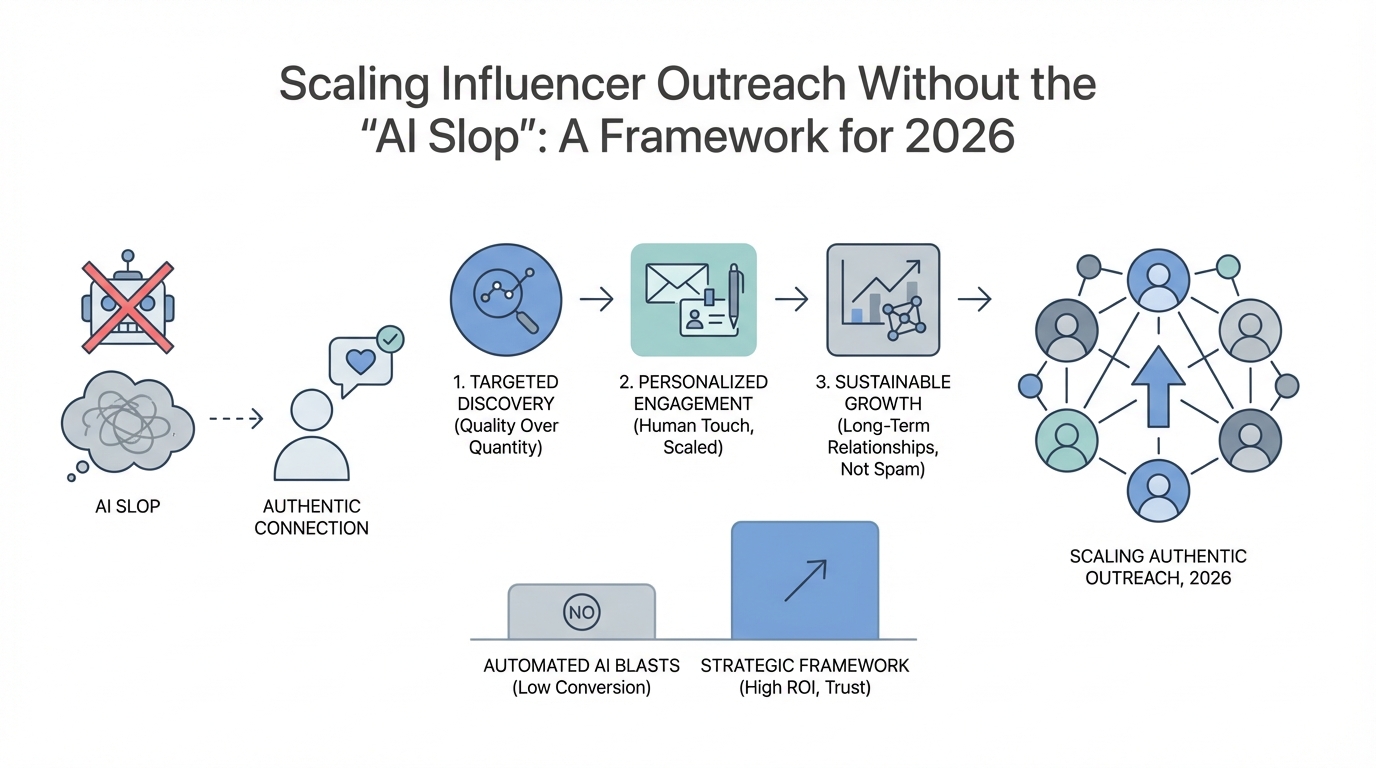
In the rapidly evolving landscape of digital marketing, the transition from manual outreach to high-velocity automation has often come at a cost: authenticity. By 2026, the influencer marketing industry is projected to reach a staggering $35 billion, yet many brands are finding their response rates plummeting. The culprit? 'AI Slop'—the flood of generic, uninspired, and obviously automated messages that creators now filter out by instinct. To succeed in this new era, marketers must move beyond simple scripts and embrace agentic workflows that prioritize personalized outreach at scale while maintaining the 'human-in-the-loop' layer necessary for genuine connection.
The 'AI Slop' Trap: Why Generic Outreach Fails
As AI tools become more accessible, the barrier to entry for bulk outreach has vanished. Unfortunately, this has led to a saturated environment where influencers are inundated with 1,000 unedited, AI-generated emails every week. Research suggests that these generic attempts at automated influencer outreach often result in a response rate of less than 1%. Creators are increasingly savvy; they can spot a template from a mile away, even if an AI wrote it. According to Social Media Today, the over-automation of communication without a strategic foundation is the quickest way to burn through your brand's reputation.
The solution isn't to abandon AI, but to change how we use it. We are moving from "Copilots" to "Delegators." By 2026, a significant portion of marketers plan to use AI specifically for influencer selection, according to industry trends reported by eMarketer. The goal is to leverage these tools to perform deep influencer relationship management by analyzing what a creator actually says and does, rather than just looking at their follower count. This content-first discovery ensures that when an email is sent, it resonates with the creator's specific niche and values.
The Agentic Creator Engine: Research, Plan, Implement
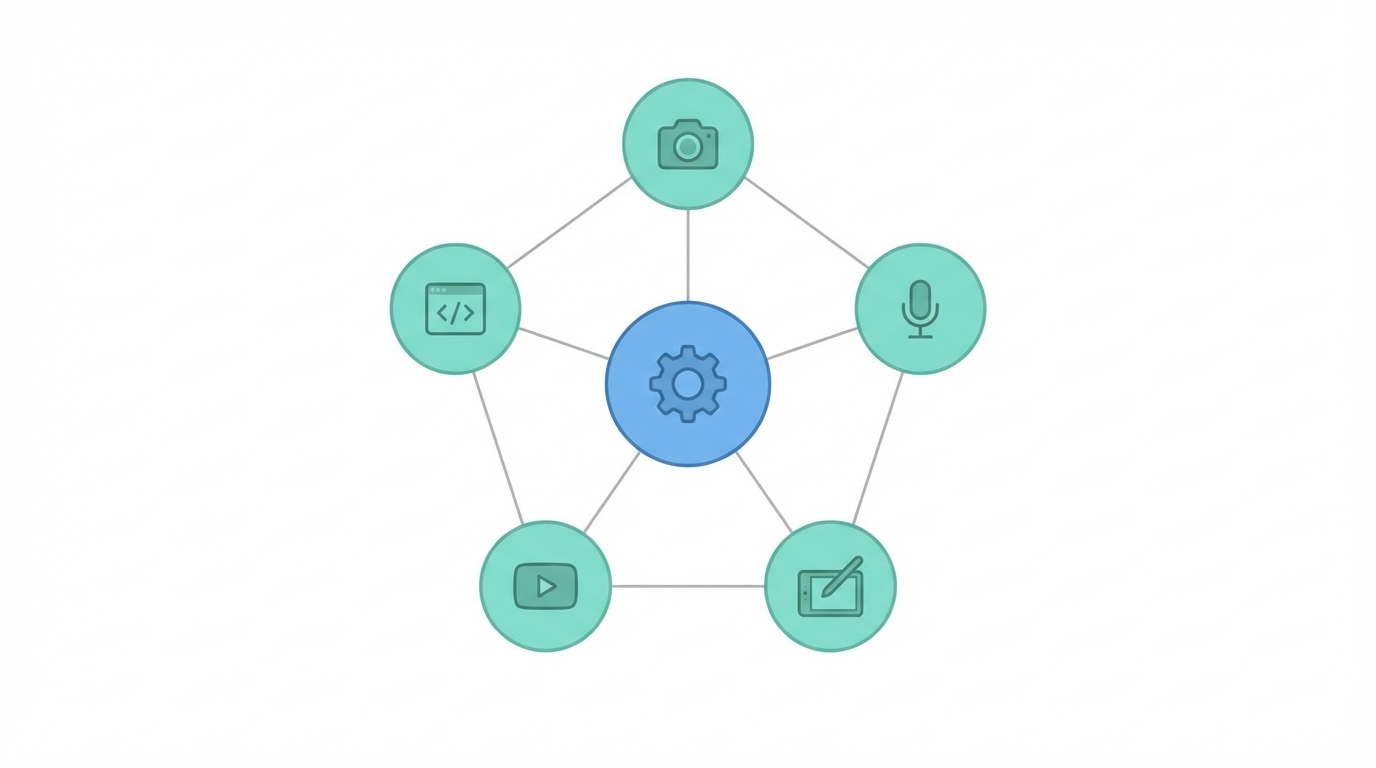
The most successful campaigns in 2026 utilize what experts call a four-step agentic loop. This process involves using tools like Claude as a sophisticated assistant that doesn't just suggest actions but helps structure them within a controlled framework. This shift towards creator partnership strategy allows a single marketer to manage thousands of relationships without losing the nuance of a one-on-one conversation.

First, discovery has moved beyond basic keyword searches. While manual searches take hours, platforms like Stormy AI allow for semantic discovery, enabling natural-language prompts like "find fitness creators who talk about nutrition without promoting fad diets." Once a list is generated, the agent can use APIs from Apify to pull real-time social data, including engagement rates and audience demographics. This data is critical because recent data shows that nano-influencers often deliver significantly higher engagement rates than their celebrity counterparts.
Implementing a Human-in-the-Loop Workflow
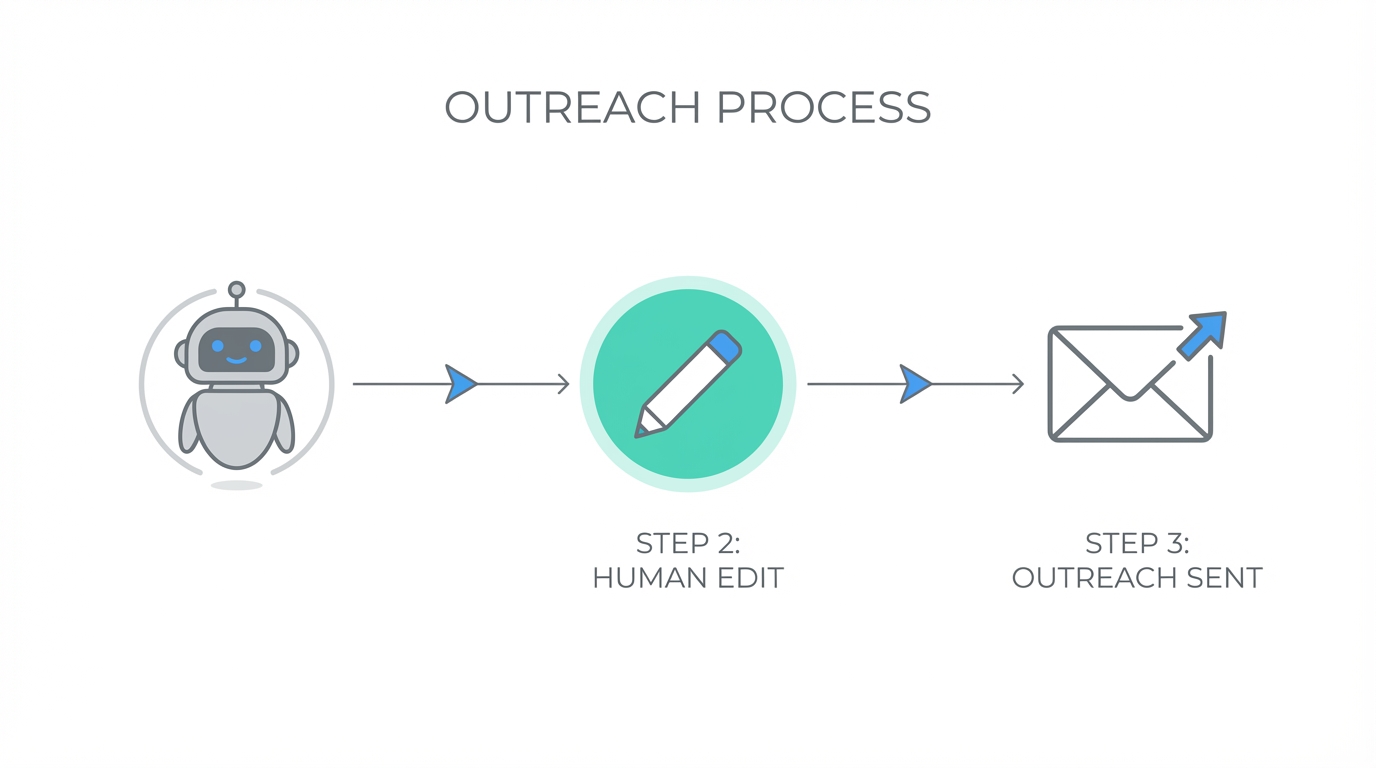
One of the biggest AI marketing mistakes is removing the human element entirely. To avoid the 'slop' label, teams must implement an approval layer between an AI's draft and the 'send' button. As AI researchers at OpenAI and Anthropic highlight, using a generative process before accepting final edits ensures the agent understands the creative vision. For example, you can have an AI agent analyze the last five Reels of a creator to write a hyper-personalized first line, but a human should still spot-check a percentage of these to ensure the tone is correct.
By integrating tools like Instantly.ai for outreach, you can bridge the gap between discovery and contact. However, the true power lies in the continuous verification loop. According to InfoQ, top-performing teams build scripts that check email open rates and adjust the AI's follow-up tone based on the sentiment of the replies received. This level of sophistication is what drives the high ROI seen in AI-optimized campaigns today, often returning substantial value for every dollar spent.
For brands looking to manage these complex workflows without building their own terminal-based scripts, Stormy AI offers an all-in-one alternative. It allows you to search across TikTok, YouTube, and Instagram with natural-language prompts and handle the outreach through an AI-powered inbox that manages follow-ups automatically while you maintain full control over the strategy.
The 'Don't Over-Script' Rule: Authenticity by Design
A common failure in creator partnership strategy is treating influencers like billboards rather than creative partners. Industry surveys show that a majority of influencers prefer to be involved in the creative process early on. When you automate your collaboration briefs, the goal should be to provide guardrails—not a script. Over-scripting kills the very authenticity that brands are paying for in the first place.
Instead of dictating every word, use your AI tools to generate "creative sparks" based on the creator's previous high-performing content. This shows the creator that you actually understand their style. Successful long-term partnerships are built on this trust. Many brands are now moving away from one-off campaigns toward year-long "Digital Ambassador" roles, identifying creators who genuinely align with the brand's long-term vision through strategic alignment.
Scaling Without Breaking: Common Automation Failures
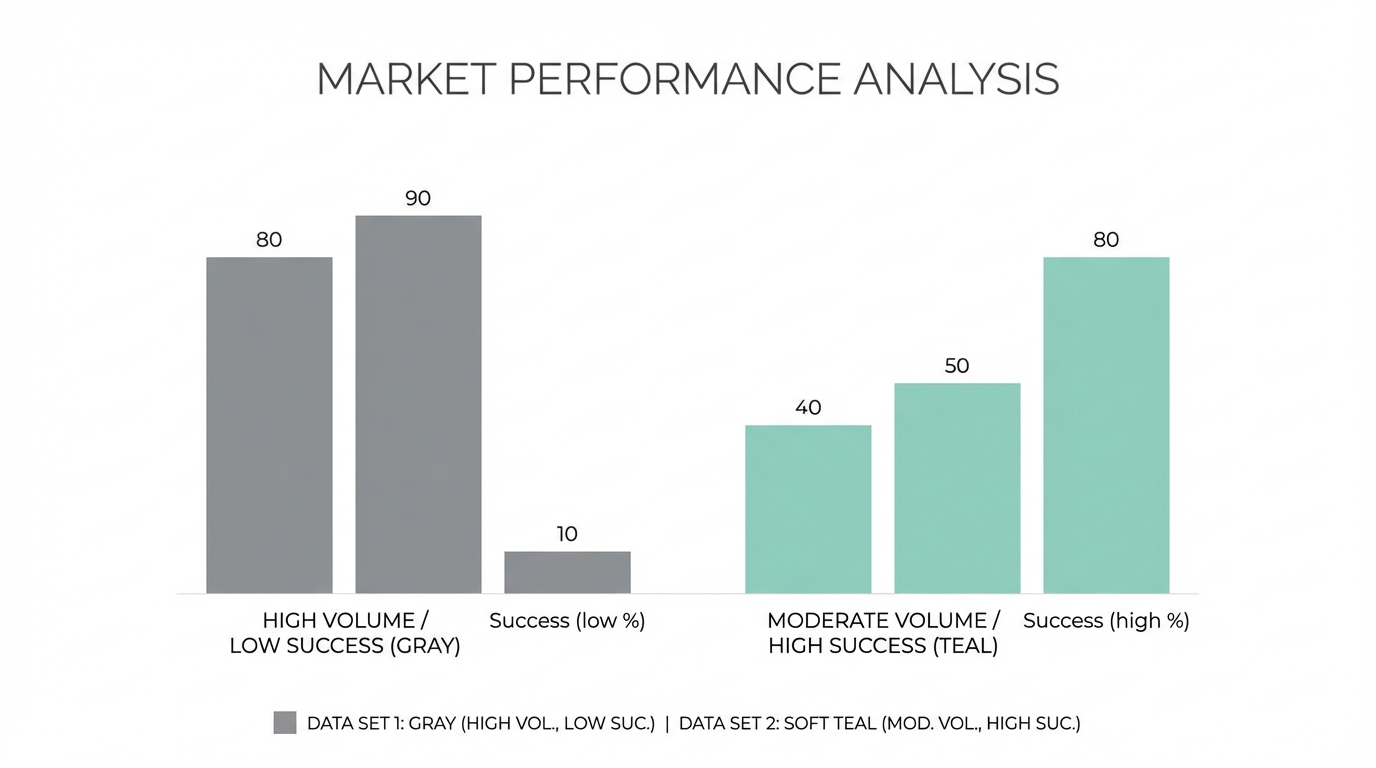
The most dangerous temptation in 2026 is automating a broken manual process. As noted on Medium, AI is an accelerator; it will amplify your results, whether they are good or bad. If your value proposition is weak or your targeting is off, personalized outreach at scale will only result in faster rejection. Before turning on the AI agent, ensure your messaging has been validated through small-batch manual testing.
Another major mistake is an obsession with vanity metrics. Selecting creators solely by follower count is an outdated tactic. High-performing marketers now look at unified metrics via APIs like Phyllo to understand the true impact of a creator across multiple platforms. This data-driven approach allows for a more holistic view of the creator economy. Using a dedicated influencer relationship management system—such as the CRM features found on Stormy AI—ensures that every negotiation and payment is tracked, preventing the chaotic sprawl that often accompanies rapid scaling.
Conclusion: The Future of Outreach is Agentic
As we head into late 2026, the brands that dominate the influencer space will be those that master "Agentic Teamworking." As Bernard Marr suggests in Forbes, the marketing department of the future will consist of a strategic manager coordinating specialized agents for discovery, vetting, and outreach. By avoiding the 'AI Slop' trap and keeping the creator's creative freedom at the heart of the partnership, brands can achieve unprecedented scale without sacrificing the human touch. Start by validating your process manually, then leverage the power of AI to turn your influencer marketing into a high-ROI performance engine.