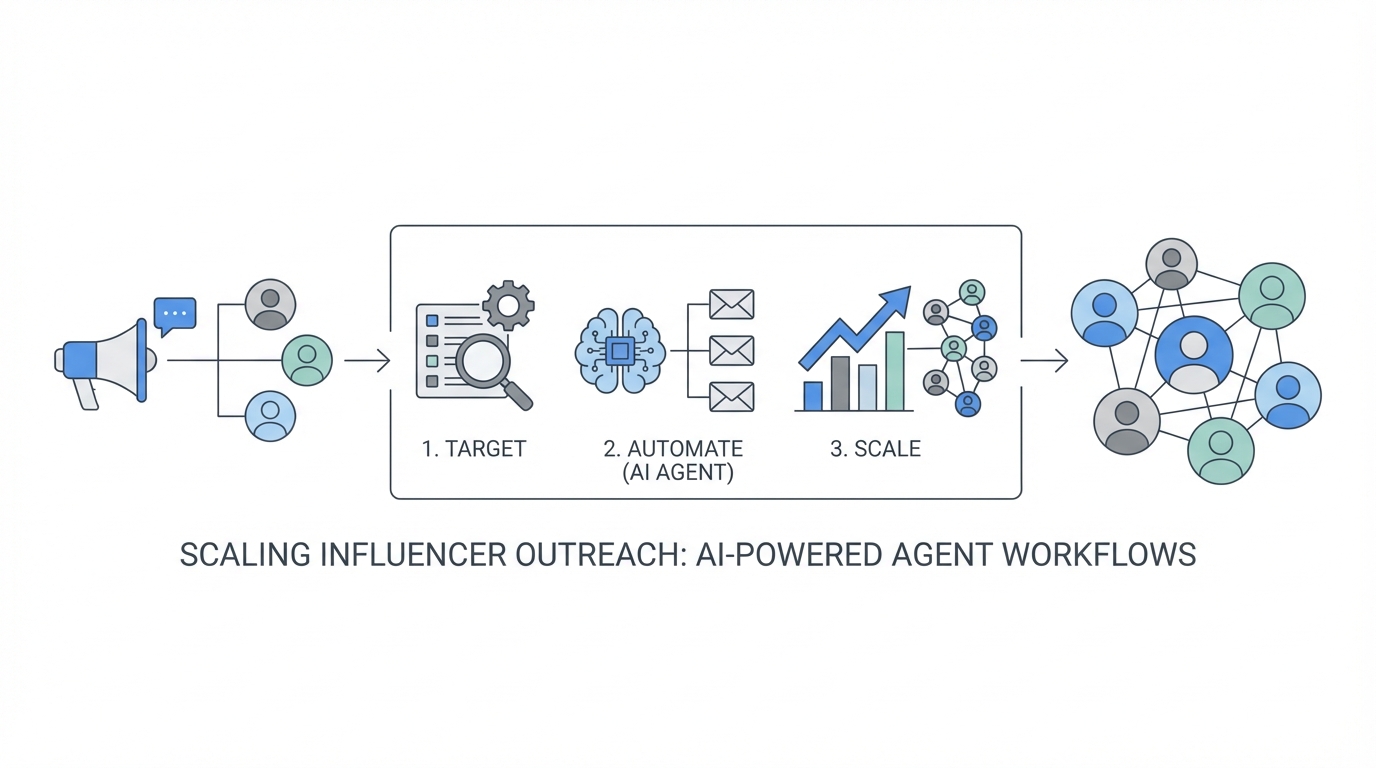
Sam Altman, CEO of OpenAI, famously predicted the emergence of the one-person, one-billion-dollar startup powered entirely by AI. We are no longer just theorizing about this future; we are living in the early stages of its realization. For growth marketers and brand founders, the most labor-intensive bottleneck has always been the manual grind of influencer marketing automation. Between finding creators, vetting their engagement, and managing endless email threads, scaling a campaign often requires a massive team. However, a new paradigm—often referred to as the 'Nebula' approach—is disrupting this model. By leveraging autonomous agents that can research, write code, and communicate, a single marketer can now manage the output of a 20-person agency. This guide provides a step-by-step playbook for building these high-leverage workflows to transform your AI influencer scouting and outreach strategy.
The Shift from Tools to Agents
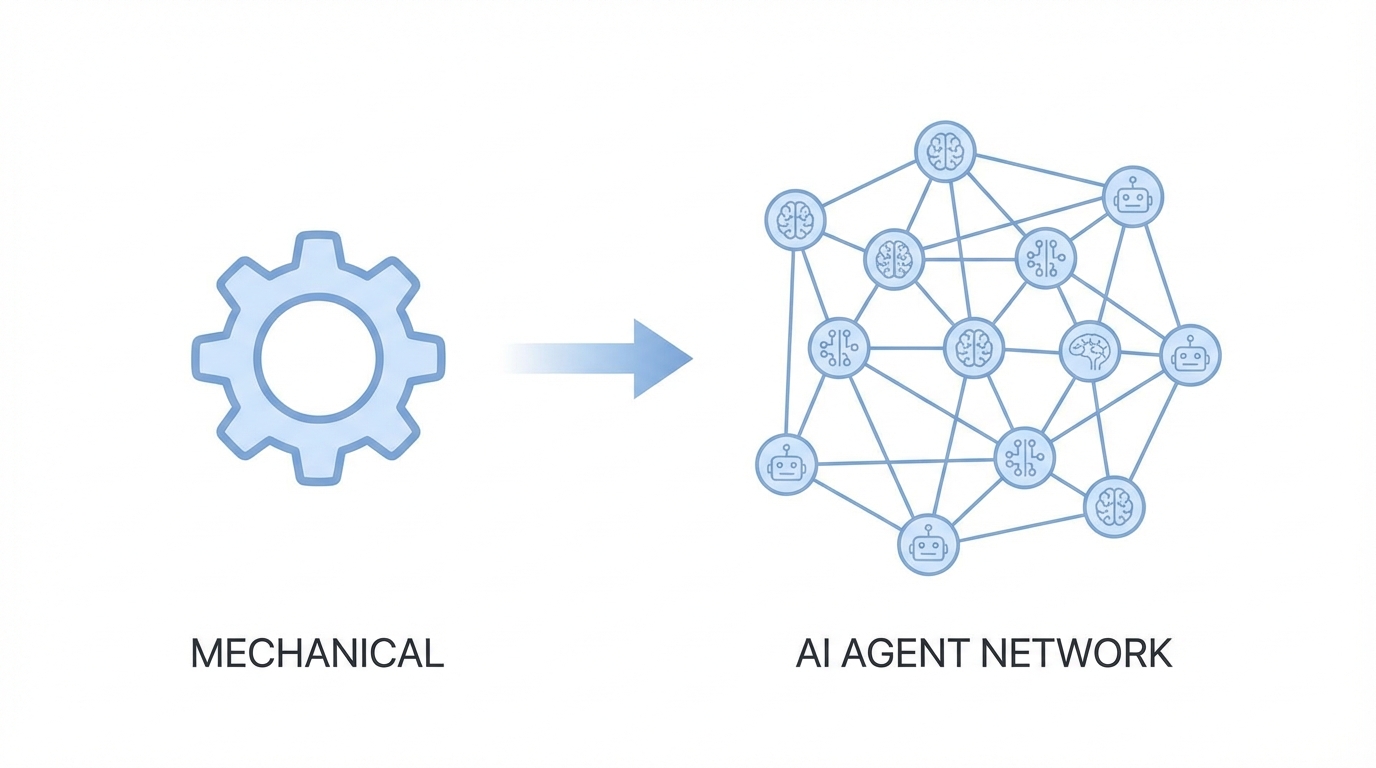

Most marketers are accustomed to using traditional SaaS platforms like Slack or Meta Ads Manager to execute their tasks. While these tools are powerful, they still require a human to perform every action. The 'Nebula' approach, pioneered by tech veterans like Furkan Yildirim (co-founder of AppLovin), moves the work into an environment like Nebula, where the 'users' in your channels are not just people, but autonomous AI agents. These agents don't just provide answers; they execute Python code, browse the live web, and connect to APIs to get work done. For influencer campaign management tools to be truly effective in 2024, they must move beyond static databases and toward dynamic, executing agents that can adapt to changing trends in real-time.
Step 1: Building the Research Scout
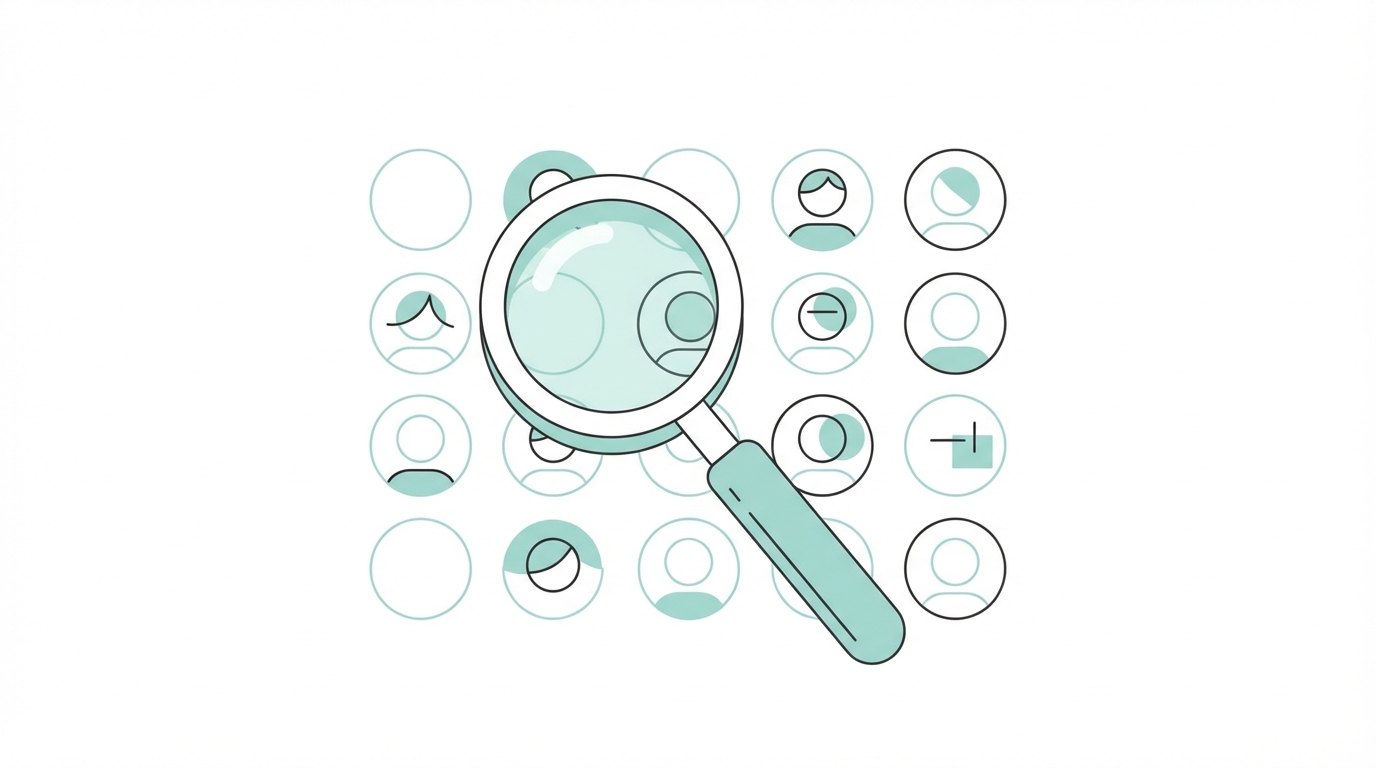
The first step in scaling is to automate the discovery of creators within a specific niche. Traditional AI influencer scouting often relies on outdated databases provided by legacy tools like Julius or Captiv8. Instead, you can build a Research Agent that monitors live platforms. For example, if you are in the VR or gaming space, you can task an agent to monitor top VR influencers across platforms like TikTok and YouTube. The agent can use search functionality to identify which games are currently trending and which micro-creators are driving the most conversation. By setting up these 'scouts' in a messaging-style interface, you receive a constant stream of high-potential leads without lifting a finger. This ensures your outreach is always relevant to what is happening today, not what was popular six months ago.
Step 2: Automating the Social Proof Loop
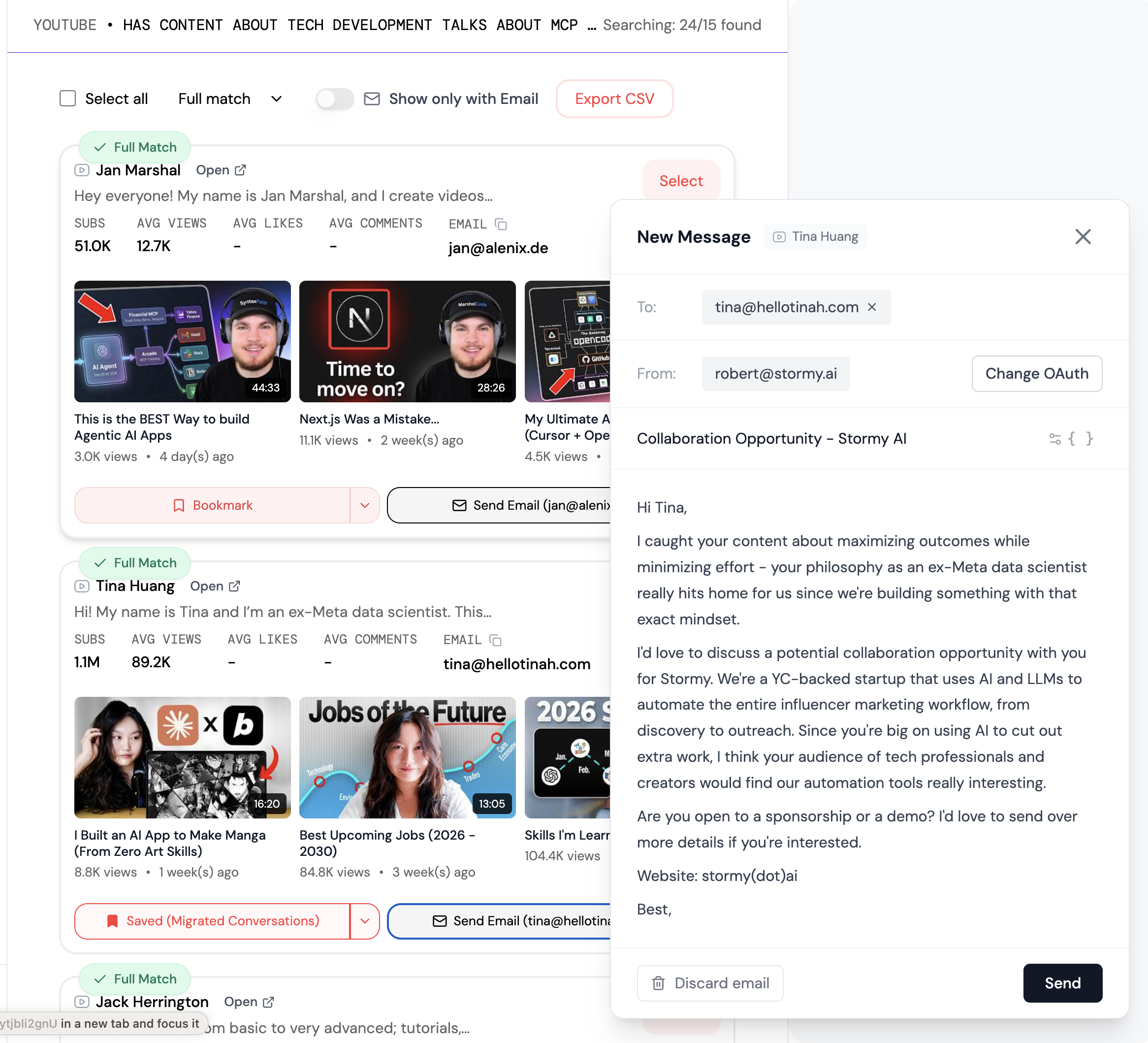
Once you have a list of creators, the next hurdle is personalization. Generic, templated outreach is dead; creators ignore it. The Social Proof Loop uses agents to analyze a creator's most recent top-performing content. The agent looks at the style, tone, and specific keywords the creator uses. Then, it uses this data to automate outreach emails that feel hyper-personalized. For instance, an agent might draft a script saying, 'I loved your recent video on the Quest 3 graphics; your breakdown of the frame rate was exactly what our audience cares about.' This level of detail used to take a human 15 minutes per email; an agent can do it for 1,000 creators in seconds. To ensure the highest quality of discovery before your agents reach out, using an AI-powered engine like Stormy AI can help you filter for creators with genuine engagement and clean audience demographics, preventing you from wasting resources on fraudulent accounts.
Step 3: Triggered Outreach and Scheduling
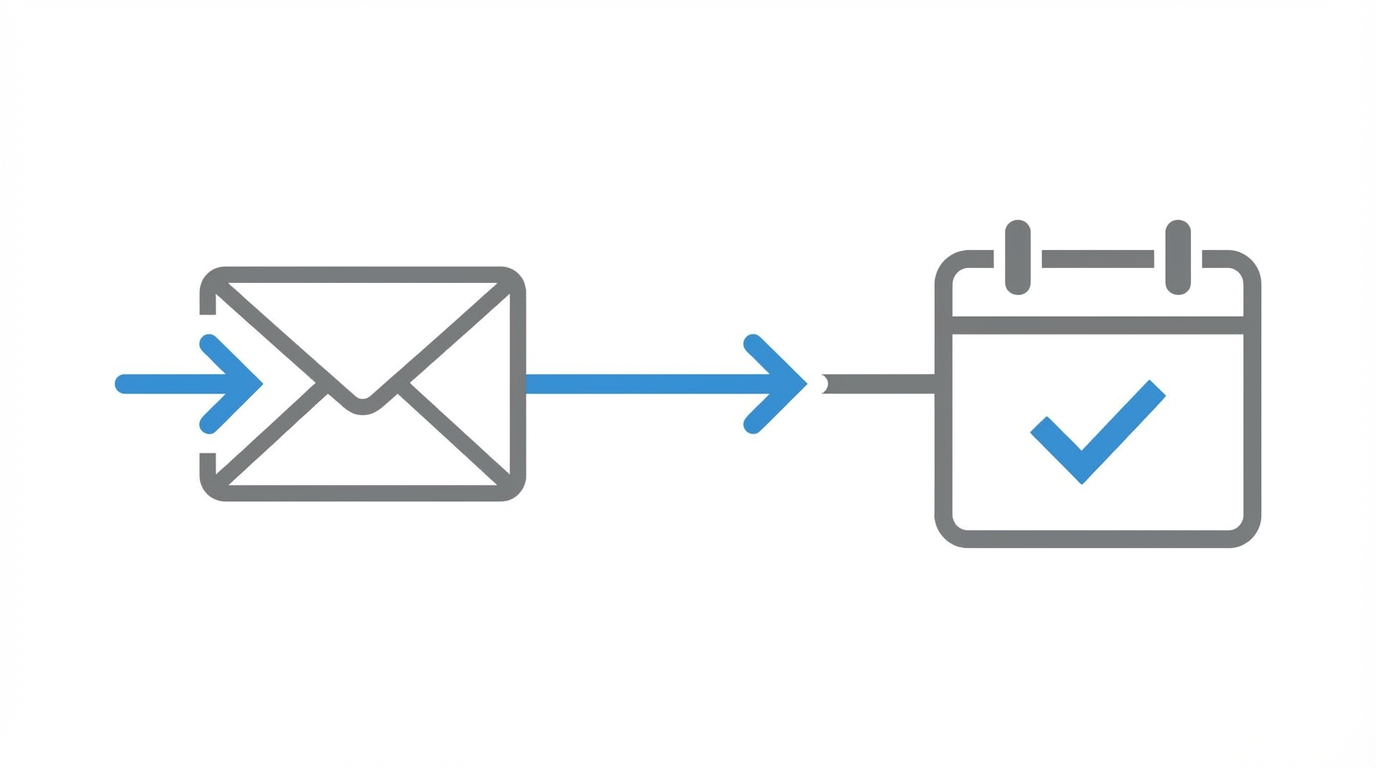
The real power of automation lies in triggers. In a platform like Nebula, you can set up 'crons' or scheduled tasks. For example, you can instruct your agent to: 'Every Tuesday at 9 AM, find five new creators talking about AI productivity tools, draft a personalized proposal, and send it.' This moves your influencer marketing automation from a manual push to an autonomous engine. You can even connect these agents to your CRM to track response rates and follow-ups. Tools like Stormy AI provide a built-in AI email inbox and automated follow-up agents that handle the 'nudge' emails while you sleep, ensuring that no lead falls through the cracks during the negotiation phase.
Managing Multi-Channel Influence
As your operations scale, you will likely manage multiple 'channels' of influence. This might include one channel for lead generation, one for product feedback, and another for content creation for a Ghost blog or Substack newsletter. By organizing these in a central dashboard, you can see your entire marketing ecosystem at a glance. You can even have 'critic' agents that review the work of other agents. For example, before an outreach email is sent, a critic agent can score it 1-10 on 'brand voice' and 'authenticity,' only allowing it to be sent if it meets a certain threshold. This layered approach is what allows for AI for PR and outreach to maintain a human-like quality at a scale that was previously impossible, far surpassing the capabilities of old-school platforms like NeoReach.
Analytics and Optimization
Scaling isn't just about sending more emails; it's about sending better emails. Modern agents can connect directly to your analytics stack, such as PostHog or Google Analytics, to analyze which creators are actually driving traffic and conversions on your Shopify store. Instead of manually reviewing a spreadsheet at the end of the month, your agent can perform a daily analysis: 'Creator A had a 20% higher click-through rate than Creator B; focus future scouting on creators with similar audience profiles to Creator A.' This creates a self-optimizing loop where your influencer campaign management tools are constantly learning and improving your ROI based on real-world data from the Google Slides reports or internal dashboards they generate for you.
The Future of the Service Business
The most profound impact of this technology is the disruption of the agency model. Traditionally, a content or PR agency operates on a 1:1 or 1:5 ratio of humans to clients. With AI-powered agent workflows, that ratio shifts to 1:20 or even 1:50. This doesn't mean humans are obsolete; it means the human's role has shifted from executor to director. You are no longer writing the emails or searching the hashtags; you are setting the strategy, defining the 'taste,' and pointing the abundance of AI energy in the right direction. For brands looking to build a lean, high-output marketing department, the integration of these agents is the ultimate competitive advantage in an increasingly crowded digital landscape, as noted in recent Forbes Agency Council reports.
Conclusion
Scaling your outreach through AI agents is more than a efficiency hack—it is a fundamental rethink of how growth happens. By building research scouts, automating social proof, and utilizing trigger-based systems, you can achieve a level of market saturation that would have required a multi-million dollar budget just a few years ago. Start small: automate one niche scout, refine your social proof loop, and eventually, build a 'business-in-a-box' that runs while you focus on the high-level creativity only a human can provide.