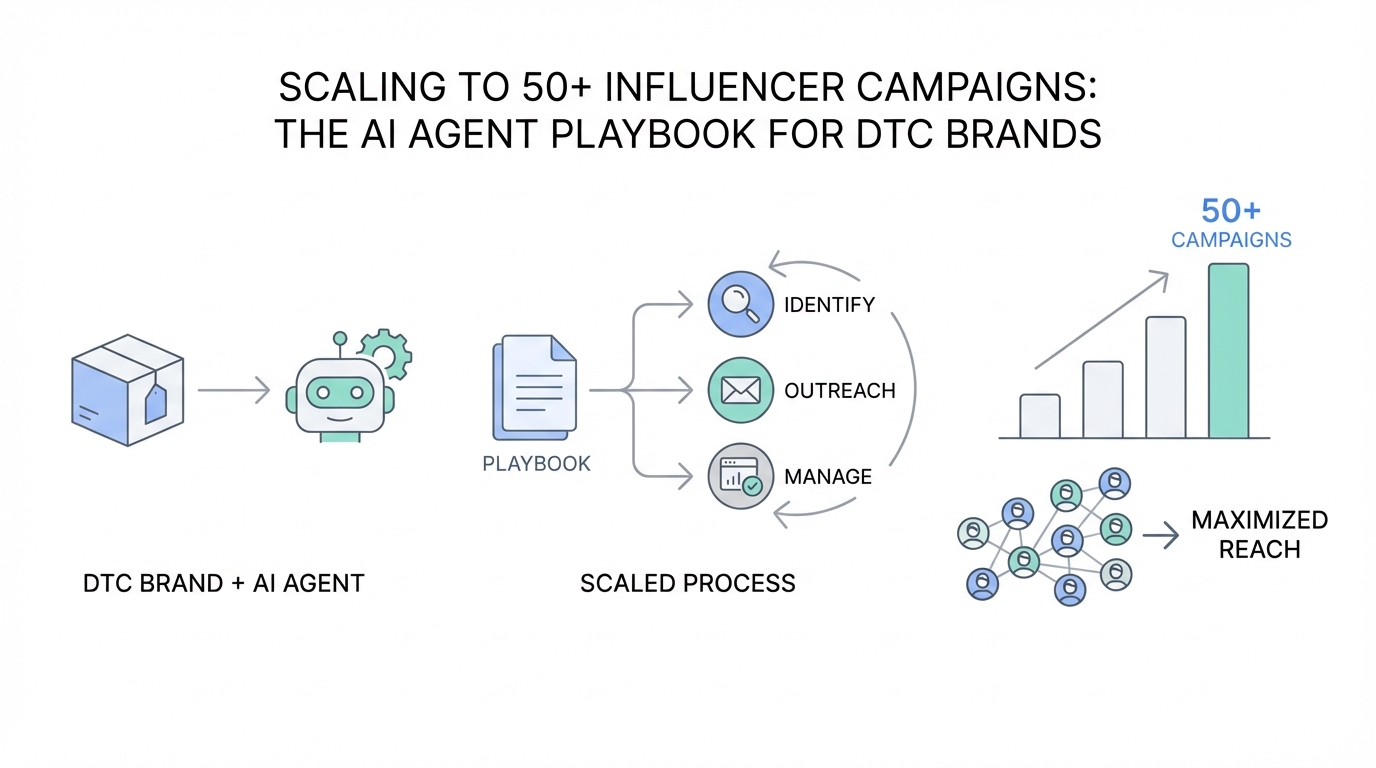
For most direct-to-consumer (DTC) brands, scaling influencer marketing is a game of diminishing returns. The math usually looks like this: if you want to double your campaign volume, you have to double your headcount. Managing five creators is a part-time job; managing fifty is a logistical nightmare involving endless spreadsheets, missed emails, and manual vetting processes. However, a new shift in marketing agency automation is rewriting this script. By leveraging autonomous AI agents, brands are now achieving a 10x increase in campaign volume without adding a single person to their marketing team.
We are currently entering the era of "Vibe Marketing"—a transition from manual campaign management to agentic orchestration. In this new landscape, AI doesn't just suggest ideas; it executes them. According to industry reports, the influencer marketing industry is projected to reach $24 billion by 2025, and 35% of that investment will be driven directly by AI-powered tools. This playbook outlines how your brand can move from 5 to 50 campaigns per month by moving from human-led tasks to AI-led workflows.
The Agentic Shift: Why Standard Automation Is Not Enough
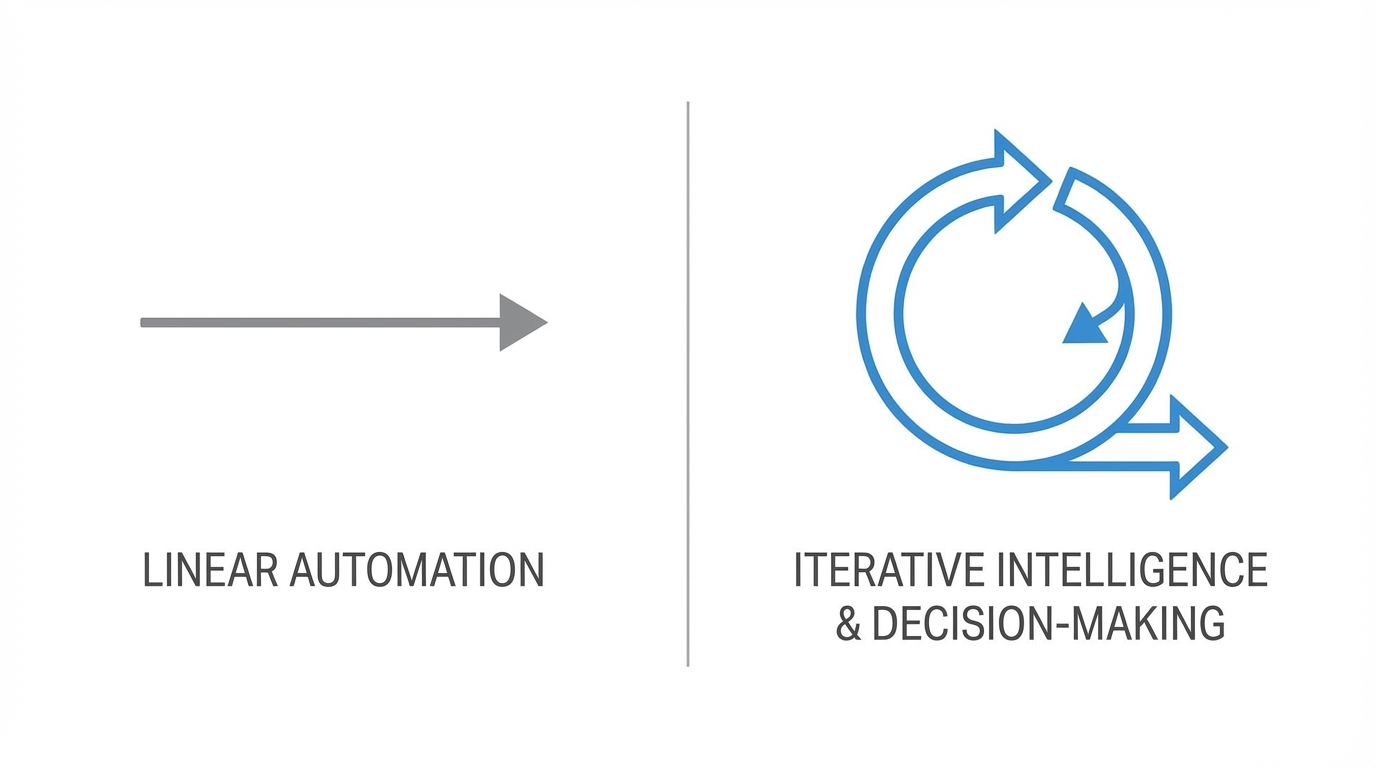
In the past, automation meant setting up a Zapier sequence to move data from a form to a CRM. Today, the rise of "agentic" AI—specifically tools like Claude Code—allows marketers to build systems that can "see" the entire campaign structure, interact with live social media APIs, and make decisions autonomously. Gartner predicts that 40% of enterprise applications will embed these AI agents by the end of 2026.
This isn't just theory. Large-scale organizations are already reaping the rewards. For instance, TELUS integrated Claude across 57,000 employees, saving over 500,000 staff hours and delivering $90 million in business benefit. Similarly, Zapier has deployed over 800 internal AI agents to automate their marketing and engineering efforts, seeing an 89% internal adoption rate. For a DTC brand, this level of automation translates to a 65% reduction in campaign launch time.
The 'Lyra' Methodology: Moving from 5 to 50 Campaigns
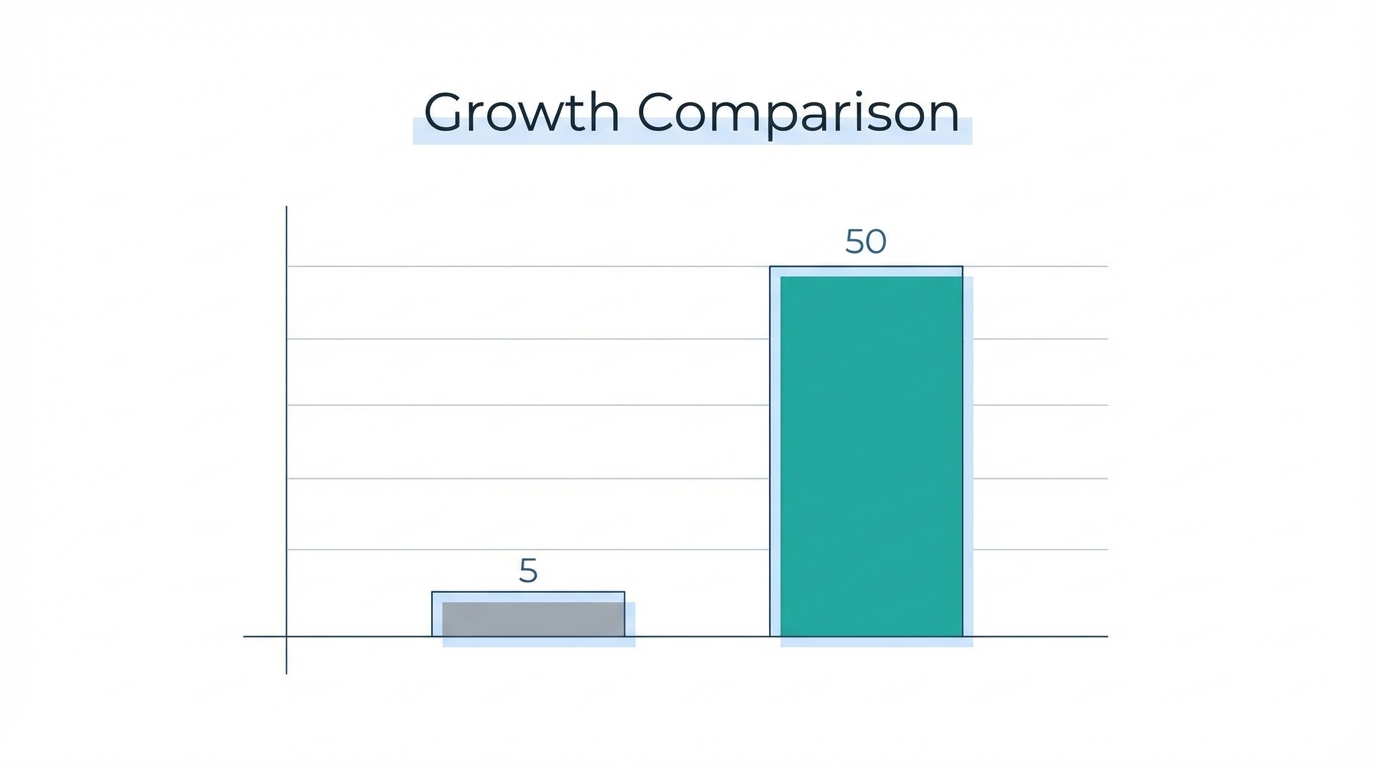
The core of scaling influencer marketing lies in a methodology recently popularized by growth agencies using the "Lyra" agent framework. The goal is to move the needle from five manual collaborations to fifty automated ones per month. This methodology relies on three distinct pillars of automation: Discovery, Hyper-Personalized Outreach, and Performance Feedback Loops.
Research shows that 73% of brands are already using AI for discovery, but the Lyra methodology takes it further. Instead of just searching keywords, agents scan for "social signals"—identifying nano-influencers who often boast a 10.3% engagement rate on TikTok, significantly higher than the sub-2% rates of celebrities. By focusing on these high-engagement creators at scale, brands can drastically improve their influencer marketing ROI.
Automated Influencer Outreach with Claude Code
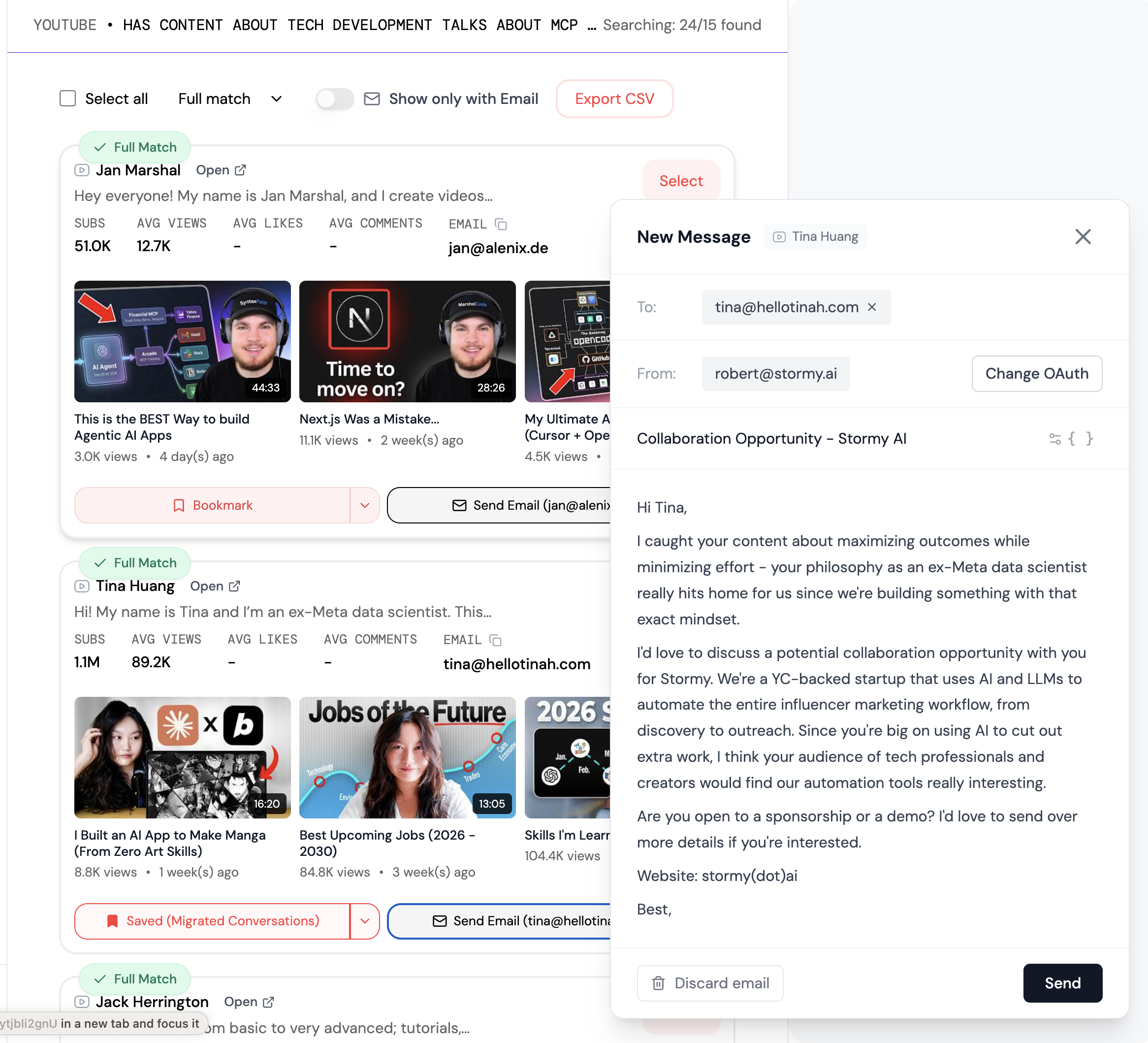
The bottleneck in any campaign is the initial outreach. Standard templates are easily ignored, while manual personalization takes too long. This is where automated influencer outreach powered by Claude Code changes the game. Claude Code is a terminal-based interface that can analyze a creator’s last 20 posts and draft a brief that references their specific visual style, recurring themes, or even specific products they’ve reviewed.
By using this context-aware approach, brands have seen response rates increase by 25%. Unlike a standard chatbot, an agent using the Model Context Protocol (MCP) can connect directly to your email inbox and CRM. It doesn't just write the email; it knows who to send it to, when to follow up, and how to update your internal tracking logs.
For brands that want to harness this level of precision without managing a terminal interface, platforms like Stormy AI streamline creator sourcing and outreach. Stormy’s built-in AI email inbox can handle hyper-personalized outreach and follow-ups on a set schedule, effectively acting as an autonomous agent that works while you sleep.
Step-by-Step: The AI Agent Playbook
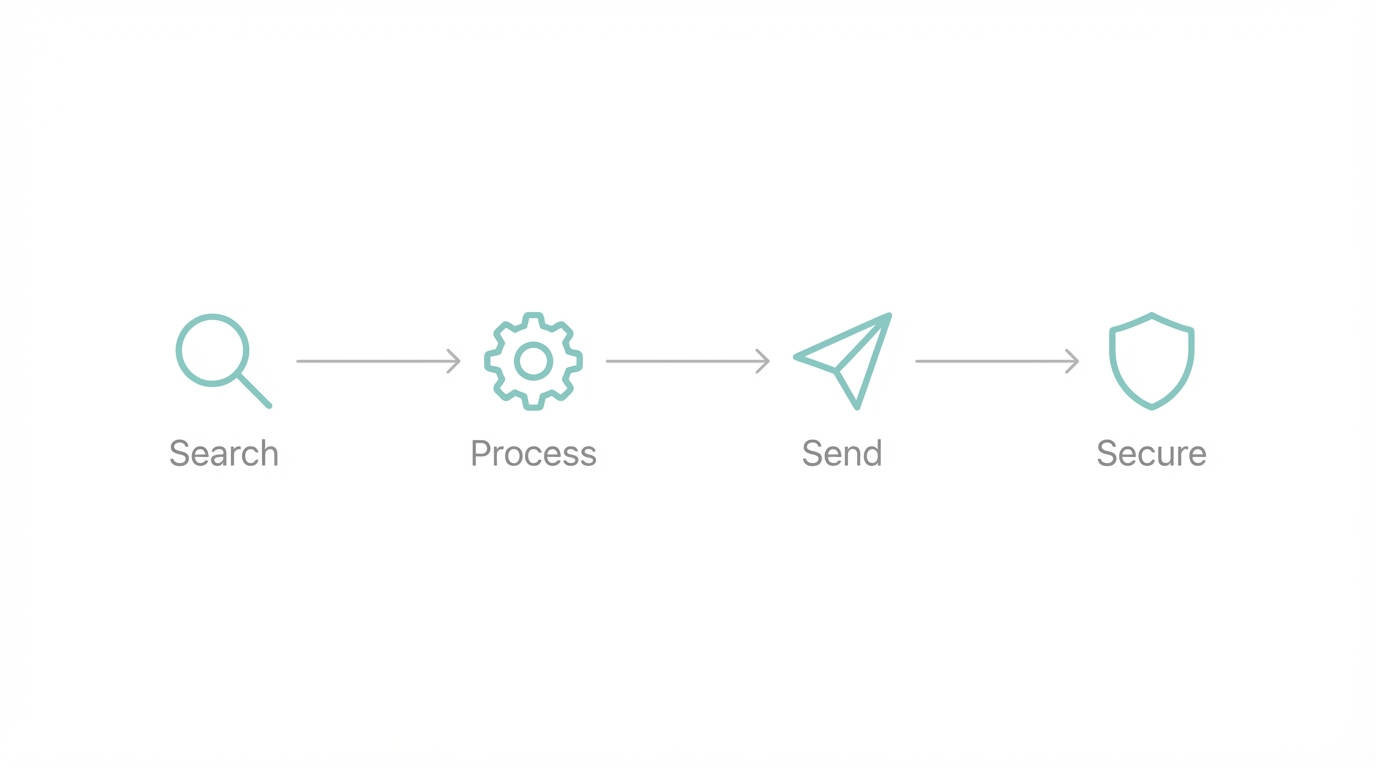
To implement this at your brand or agency, follow these four clear steps to transition into an automated workflow.
Step 1: Build Your Marketing Command Center
Start by creating a persistent context for your AI. In technical terms, this is often a CLAUDE.md file in your project directory. This file should contain your brand voice guidelines, your Ideal Customer Profile (ICP), and specific campaign goals. This ensures every piece of content or outreach the agent generates is aligned with your brand identity, preventing what experts call "AI Slop"—generic, low-quality content that creators and audiences ignore.
Step 2: Deploy Specialized Discovery Agents
Instead of manual searching, use a "Discovery Agent" to find creators. You can leverage existing influencer marketing Claude skills to map out creators based on niche performance. These agents can filter for high-engagement nano-influencers across platforms like TikTok, YouTube, and Instagram simultaneously.
Step 3: Connect to Live Data Platforms
Automation is only as good as the data it accesses. By using MCP servers, you can connect your AI agents directly to tools like Meta Ads Manager or Meta Ads MCP. This allows the agent to monitor which creator content is driving the lowest Customer Acquisition Cost (CAC) and automatically prioritize similar creators for the next batch of outreach.
Step 4: Automate the Outreach and Follow-up
Set your agents to outreach every day on a schedule. The key here is long-context reasoning. An agent can analyze years of historical data to find seasonal trends that human analysts might miss, as noted in comparative studies of AI marketing strategies. If a creator doesn't respond, the agent can pivot the messaging based on the creator's newest content to stay relevant.
The Human Element: Avoiding the Automation Trap
While the goal is 10x scale, over-automation can be a death sentence for influencer marketing. Influencer relationships are built on trust. If every interaction feels like it was written by a machine, creator retention will plummet. Experts at Fast Company warn that while AI gets you 80% of the way there, the final 20% requires human "obsession" with quality and brand nuance.
To avoid the "Context Death Spiral"—where an AI starts to hallucinate or produce generic results—marketers should use commands to summarize context or start fresh sessions for different campaigns. Always have a human review the highest-value contracts and the final creative output. Use AI to handle the volume, but use humans to protect the "vibe."
Conclusion: The Future of Automated Marketing ROI
Scaling to 50+ influencer campaigns per month is no longer a feat that requires a massive agency budget. By adopting an agentic workflow—using modern AI-native platforms like Stormy AI for discovery and outreach—DTC brands can reduce their campaign launch times by up to 65%.
The brands that win in 2025 and 2026 will be those that embrace **AI marketing case studies** as blueprints for their own growth. Start by automating your creator discovery, link your ad accounts to your AI agents via MCP, and focus your human talent on high-level strategy and relationship building. The era of manual influencer marketing is over; the era of the agent has begun.