Scaling a business is often described as a journey, but for those in the driver's seat, it feels more like a series of controlled crashes. You build something that works, and then, almost immediately, the very systems that brought you success begin to mistake under the weight of your own growth. This phenomenon isn't a sign of failure; it is the natural byproduct of the four distinct startup growth stages. Transitioning from a small team in a garage to a global workforce of 1,000 employees requires more than just capital—it requires a complete evolution of the CEO’s role and the company’s operational DNA. In this playbook, we will break down what breaks at every level and how to maintain your risk-seeking soul while building a billion-dollar machine.
The Early Days: 2 to 10 Employees
In the earliest stage of scaling a business, your biggest asset is your agility and your biggest liability is your lack of focus. At this level, the founder is often a "player-coach." You are writing code, handling support tickets, and perhaps running your first campaigns on Google Ads. According to growth experts at Stormy AI, this phase is characterized by "First Principles" thinking. You aren't following an industry blueprint; you are questioning why the blueprint exists in the first place.
The goal here is Founder-Market Fit. You need to be obsessed with the problem you are solving. Experts note that at this stage, 90% of the time things are broken. You are living in a constant state of "existential threat," fearing that a competitor like Salesforce might crush you tomorrow. However, this fear is what drives the 996 (9 a.m. to 9 p.m., 6 days a week) work ethic that is often the minimum requirement for founders. To survive this stage, hire "missionaries"—people who are willing to walk over broken glass for the vision, often recruited from your immediate network or alma mater.
Finding CEO Market Fit: 10 to 100 Employees

Once you cross the 10-employee mark, the nature of the job shifts. You are no longer just building a product; you are building a team. This is the phase where many founders find their "CEO Market Fit." You have enough revenue to validate the idea, and you are starting to see the first signs of a repeatable machine. This is also when business operations at scale begin to matter. You move from running everything yourself to delegating to your first layer of management.
A common mistake at this stage is hiring "big company" executives too early. A CMO from a massive corporation might enter your 50-person startup and wonder where their support staff is. Instead, focus on homegrown talent. Stormy AI helps teams scale by allowing them to vet creators and potential collaborators with AI-powered quality reports, ensuring that even as you hire quickly, you maintain a high bar for quality. Many successful startups famously hired people from Apple Stores to build their support teams, offering them the chance to "sit down at work" while paying slightly more. These individuals eventually grew into senior leaders, sales stars, and product managers because they were steeped in the company’s unique culture from day one. During this phase, you should also begin experimenting with scalable growth channels like Meta Ads Manager to fuel the fire of your validated product.
The 150-Employee Threshold: Dunbar’s Number
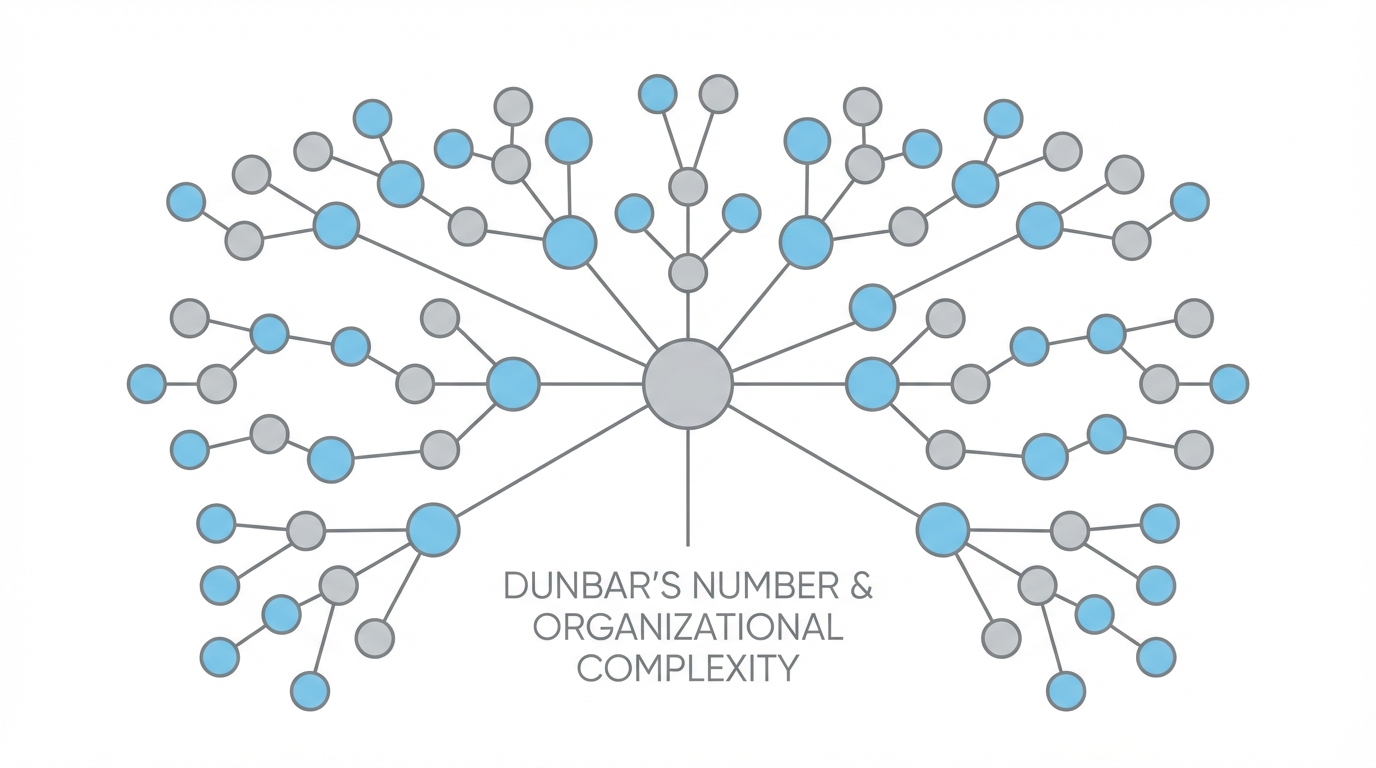
One of the most critical company scaling challenges occurs around the 150-employee mark. This is known as Dunbar's Number, a suggested cognitive limit to the number of people with whom one can maintain stable social relationships. When a company exceeds 150 people, the "tribe" feel disappears. You can no longer know everyone's name, and casual communication through Slack or hallway chats is no longer sufficient.
At this threshold, several things happen simultaneously:
- The Director Layer Appears: There is now a layer of management between the CEO and the customer.
- Mercenaries vs. Missionaries: The people joining now are often more risk-averse than the first 15 employees. They are looking for a stable job, not a revolution.
- Communication Breakdown: Information that used to travel organically now needs structured processes to move across departments.
To combat this, platforms like Stormy AI can be invaluable for finding UGC creators and influencers while maintaining a pulse on the creative side of your business. When you can no longer oversee every marketing asset, using AI-driven tools to manage your UGC (user-generated content) strategy ensures that your brand voice remains authentic even as you scale. This is especially vital for mobile app developers who rely on high-volume creative testing for their Apple Search Ads campaigns.
The Pothole Report: A Framework for Scaling
As you scale from 100 to 1,000 employees, mistakes become more expensive. To prevent self-inflicted wounds, you need a system for retrospective learning. In high-growth environments, this is often managed using a "Pothole Report" alongside a Stormy AI creator CRM to track every interaction and negotiation. The analogy is simple: in the winter, you hit a pothole, and it jolts the car. If the pothole gets too big, you drive the whole car into it. Most of these potholes are predictable if you look at the data.
Step 1: Identify the Pothole
Every time a significant error occurs—a drop in customer satisfaction, a hiring freeze in a critical department, or a missed revenue target—document it immediately. Don't look for someone to blame; look for the systemic failure. For example, if support wait times jump from 30 seconds to 20 minutes, it’s likely because you promoted too many support staff into sales without backfilling their roles fast enough.
Step 2: Look Back 12 Months
Ask yourself: "What data did we have a year ago that could have predicted this?" Often, the signs were there in your churn metrics or hiring velocity charts. If you are using sophisticated analytics from partners like Sequoia Capital or internal dashboards, the "pothole" was usually visible months in advance.
Step 3: Implement Preventative Measures
Change the process so the mistake cannot happen again. This might mean setting a hard ratio for support-to-customer numbers or automating certain aspects of the onboarding process. The goal is to ensure that while everything is "breaking with scale," you never break the same thing twice.
Founder Mode vs. Manager Mode
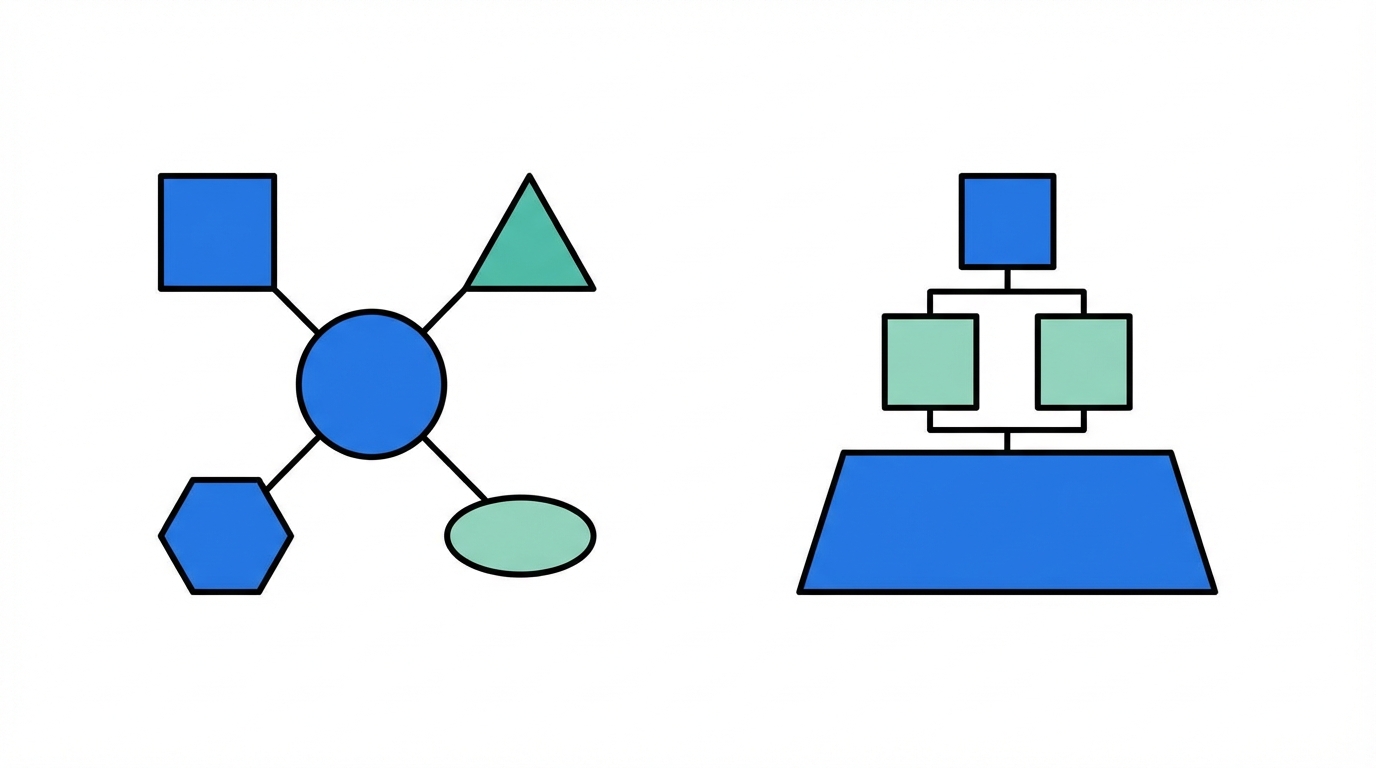
One of the most debated topics in modern tech is the concept of Founder Mode. As a company grows, traditional management consultants will tell you to delegate, run one-on-ones, and hire professional managers. This is "Manager Mode." However, many successful CEOs, including Jensen Huang of NVIDIA, have found success by staying in "Founder Mode" even at a massive scale.
Founder Mode involves staying close to the details, skipping levels to talk to individual contributors, and maintaining a high level of intensity. The risk of moving too far into Manager Mode is that you become a "corporate" entity too early. You lose the risk-seeking appetite that made you successful. Startups have nothing to lose; as they grow, they feel they have everything to protect. To scale successfully to 1,000 employees, you must fight the urge to be "professional" at the expense of being "innovative."
Scaling the SMB Model vs. Enterprise
Your scaling metrics will vary wildly depending on your target customer. The decision to stay focused on Small and Medium Businesses (SMBs) was a contrarian view that nearly every VC on Sand Hill Road disagreed with. The consensus was that you had to go "Enterprise" to find real money. However, by sticking to the SMB model, companies are forced to master viral, inbound marketing—a strategy inspired by the Grateful Dead’s model of letting fans record and share their music freely.
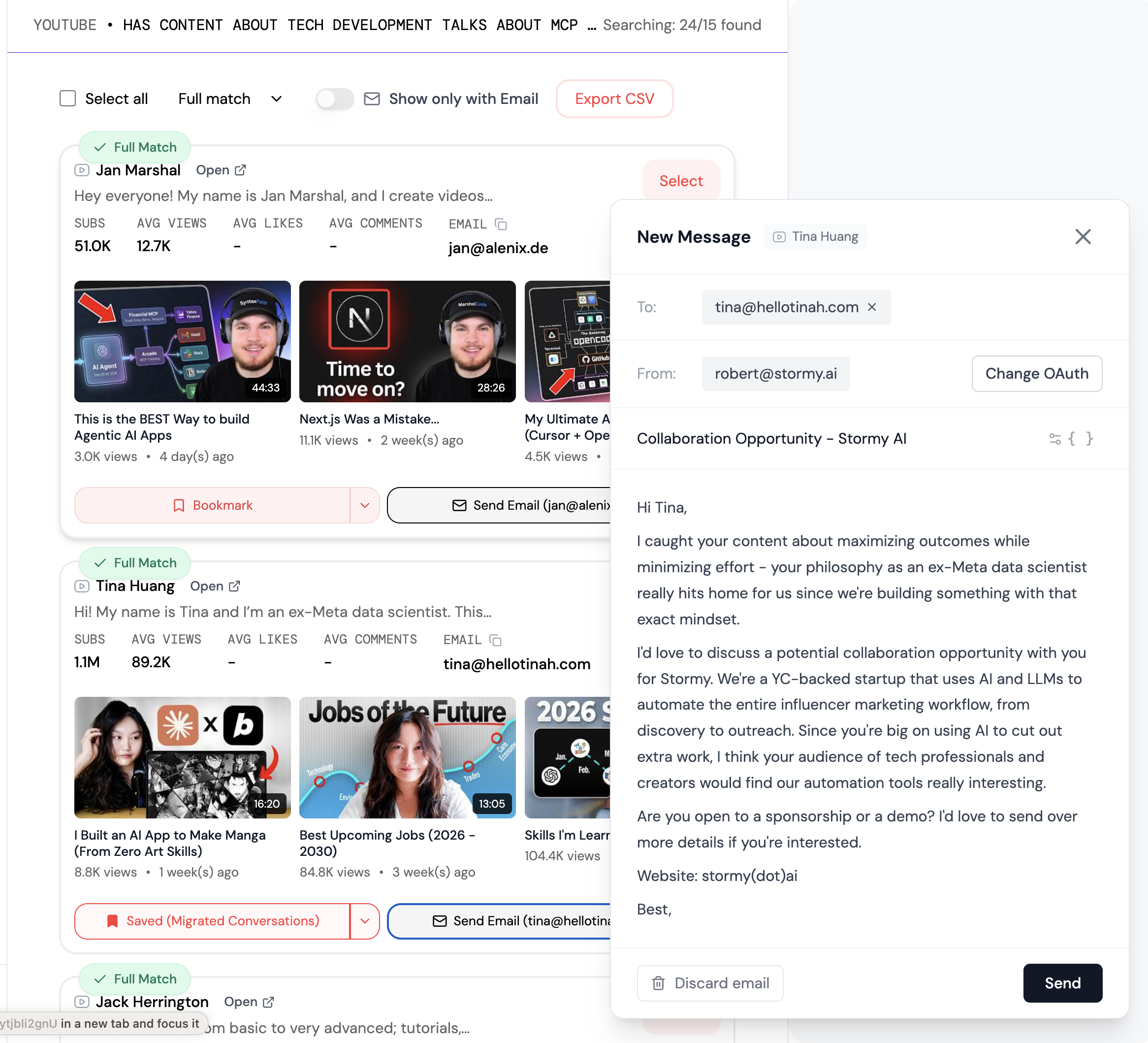
If you are scaling an SMB-focused business, your unit economics (CAC/LTV) must be perfect. You cannot afford a high-touch sales process for a $50/month customer. This is where AI-powered discovery and outreach become a superpower. For companies looking to scale their reach without an army of sales reps, Stormy AI is an AI-powered platform for creator discovery and automated outreach that allows brands to discover and contact creators who can drive mass-market awareness efficiently.
The "Flock" Rubric: Identifying Leaders
As a CEO at the 1,000-employee stage, you aren't just a manager; you are a talent scout. Leaders often use the "FLOCK" rubric to evaluate the entrepreneurs and leaders they advise at Sequoia:
- F - First Principles: Are they thinking for themselves, or just being derivative?
- L - Lovable: Would a talented 27-year-old walk over broken glass to work for them?
- O - Obsessed: Do they have a "chip on their shoulder" and a history of going deep down rabbit holes?
- C - Chip on Shoulder: Do they have something to prove? (Avoid "nepo babies" who might lack the grit for the down cycles).
- K - Knowledgeable: Do they have true Founder-Market Fit, or are they just a tourist in the industry?
If your leadership team meets these criteria, talent and customers will naturally "flock" to your organization. This becomes even more critical as you integrate tools like ChatGPT and Google Gemini into your workflow. High-agency individuals who are empowered by AI will outperform large, stagnant teams every time.
Conclusion: Maintaining the Soul of the Startup
Scaling from 10 to 1,000 employees is a gauntlet that will test your patience, your health, and your convictions. The key takeaway for any founder is that everything breaks with scale—and that’s okay. Whether you are dealing with the 150-employee threshold or the transition from Founder Mode to Manager Mode, the goal is to remain a "risk-seeking" organization.
Don't grow up too fast. Keep the lawyers away from the creative process as long as possible, and continue to prioritize missionaries over mercenaries. By using frameworks like the Pothole Report and leveraging modern tools like Stormy AI for creator discovery and content, you can navigate the startup growth stages without losing the magic that made your first 10 employees believe in the vision. Remember, it’s always two steps forward and one step back—as long as you keep stepping, you’re winning.