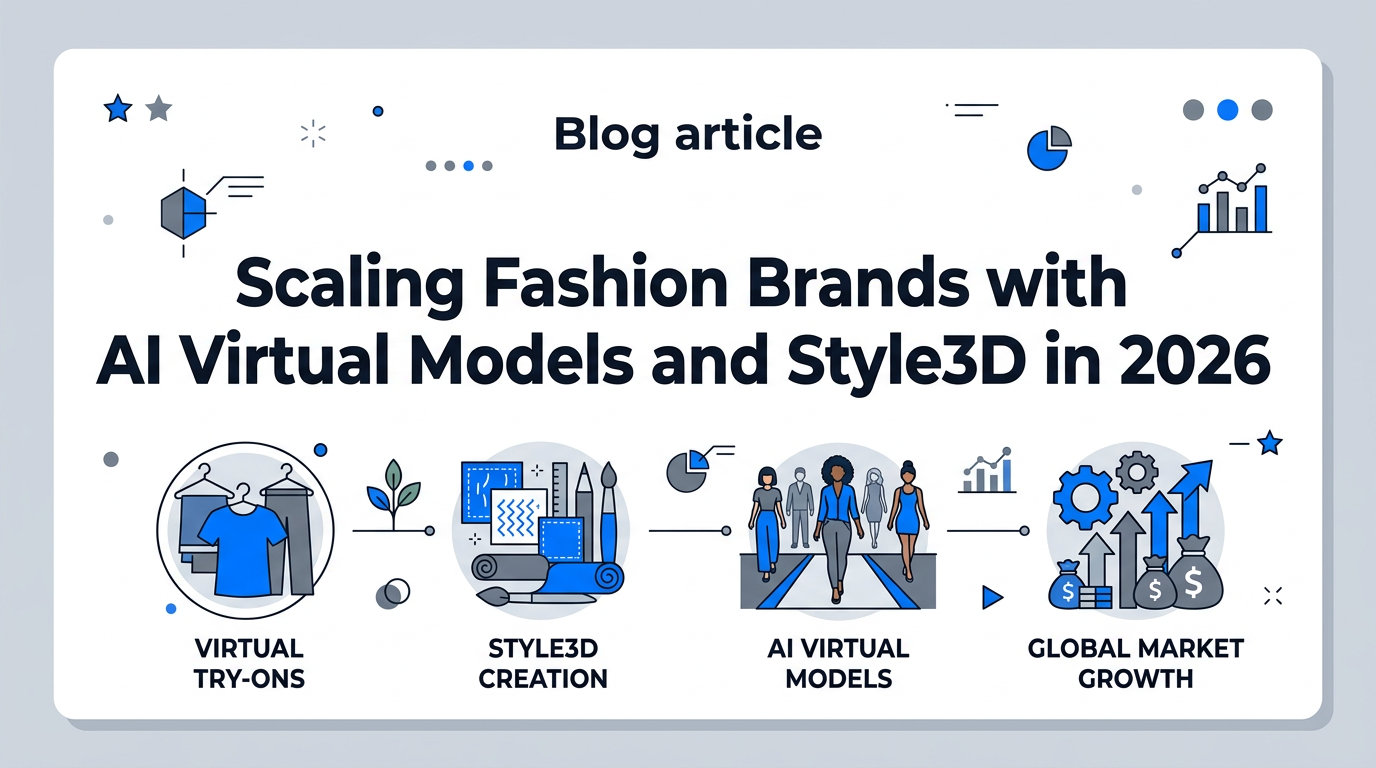
In 2026, the traditional fashion photoshoot—once a multi-week odyssey involving logistics, studio rentals, and high-priced crews—has officially become a luxury, rather than a necessity. The fashion industry has reached a tipping point where AI virtual fashion models are no longer just a trend; they are the engine driving unprecedented scalability and hyper-personalization. For modern fashion entrepreneurs, the ability to transform a basic flat-lay photo into a high-end editorial campaign in minutes is the difference between leading the market and falling into obscurity. By leveraging tools like Style3D and Botika, brands are now slashing production costs by up to 90% while simultaneously increasing conversion rates by showing customers exactly what they want to see.
The Economic Shift: Why AI Models are Non-Negotiable in 2026
The numbers behind this transformation are staggering. According to recent reports from McKinsey & Company, the generative AI sector in fashion is driving billions in value. The AI product photography sector is projected to skyrocket to over $5 billion by the next decade. In this current year of 2026, roughly 80% of retail executives have already integrated AI automation into their visual content workflows to stay competitive.
Cost efficiency is the primary driver. In the old world, a single product line launch could cost thousands of dollars in modeling fees and location scouting. Today, AI-driven image production can reduce these overheads by 40% to 90%. By eliminating the need for physical logistics, brands can reinvest those savings into digital fashion marketing and aggressive performance advertising on platforms like TikTok Ads Manager and Google Ads.
"AI doesn't just replace the camera; it replaces the entire supply chain of content creation, allowing a startup to look like a global powerhouse overnight."
The Evolution of 'On-Model' AI: From Flat-Lays to Editorial Masterpieces
The most significant breakthrough in 2026 is the seamless transition from "ghost mannequin" or flat-lay shots to hyper-realistic human models. Platforms like Botika and Uwear have perfected the physics of how fabric drapes over a digital form. This isn't just about sticking a shirt onto a 2D cutout; it's about complex lighting, skin texture, and realistic movement.
Through a Style3D ecommerce strategy, brands can create 3D digital twins of their garments. These digital assets can then be manipulated to fit any AI-generated model in any environment. For instance, a brand can take a single digital garment file and generate hundreds of unique assets: a model walking down a rainy street in London, another at a sunset beach party in Ibiza, and a third in a minimalist high-tech studio. This variety prevents "creative fatigue" in social feeds and keeps the brand's aesthetic fresh across all touchpoints, from Instagram to Pinterest.
| Workflow Phase | Traditional Method | AI-Powered Method (2026) | Efficiency Gain |
|---|---|---|---|
| Sourcing | Booking models, agents, MUA | AI Model Generation (Modelia) | Instant |
| Environment | Travel to location or set build | Generative Scenes (Pebblely) | 95% Cost Reduction |
| Post-Production | Days of manual retouching | Batch AI Upscaling (Let's Enhance) | Minutes |
Case Studies: How Inditex is Leading the AI Frontier
Global giants like Zara and Stradivarius (under the Inditex umbrella) have set the gold standard for fashion brand scaling in 2026. Stradivarius, in particular, made waves by launching entire editorial collections that featured zero physical photoshoots. Instead, they utilized DALL-E 3 and custom diffusion models to create "dreamlike" settings—vibrant, surreal landscapes that would be physically impossible or prohibitively expensive to build in a studio.
These campaigns proved that AI models do not need to look like robotic avatars. When executed correctly, they evoke more emotion than traditional photography. By using AI virtual fashion models, Inditex brands can test new styles on their websites before a single garment is even mass-produced. This "test-and-react" model reduces inventory risk and ensures that every piece in a collection already has proven digital traction.
"Stradivarius didn't just save money; they expanded the boundaries of their brand's imagination, creating worlds that physical reality couldn't provide."
Hyper-Personalization: The Power of Demographic Swapping
In 2026, "one-size-fits-all" marketing is dead. AI model personalization allows fashion brands to swap the ethnicity, age, and body type of the model based on the specific customer viewing the ad. If a customer in Tokyo is browsing your store, the AI can dynamically serve images featuring models that reflect local demographics. Simultaneously, a customer in New York sees the same product on a different model in a Brooklyn-style loft.
This level of granularity was previously impossible. Now, tools like SCENE4 and Adobe Firefly allow for "Creative Generative Fill," where the product remains 100% authentic while the surrounding context changes. For brands aiming for global scale, this ensures that the product feels locally relevant and inclusive without the need for dozens of international photoshoots.
The Sustainability Angle: Reducing Carbon Footprints with 3D Visualization
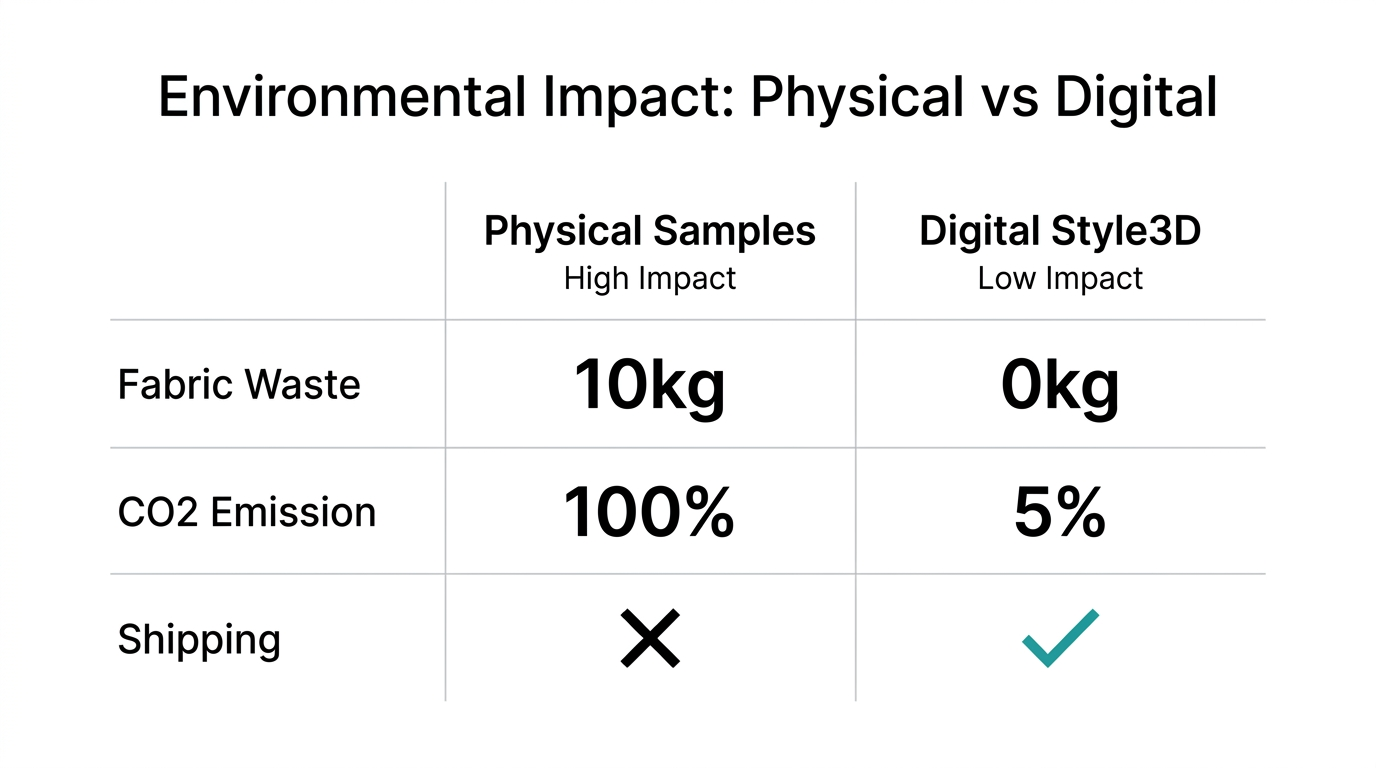
Fashion has long been criticized for its environmental impact. However, the move toward 3D product visualization is a massive win for sustainability. Traditional photoshoots involve shipping physical samples across the globe—often dozens of variations of the same item. By using 3D renders from PixCap or Style3D, brands can visualize products digitally from the design phase.
This reduces the carbon footprint associated with logistics and significantly cuts down on textile waste. Furthermore, AI-powered fit tools—similar to the pioneering Nike Fit technology—help customers find their exact size through AR, reducing return rates by over 20%. In 2026, being an eco-friendly brand is no longer just about the fabric; it's about the digital efficiency of your entire operation.
Best Practices for Texture Accuracy and Avoiding the "Uncanny Valley"
While AI offers incredible speed, fashion entrepreneurs must avoid the "uncanny valley"—where models look slightly "off" or plastic. To maintain brand trust, the product itself (textures, colors, seams) must be 100% authentic. Experts at Luminar Neo suggest that high-end retouching for fine textures like jewelry or cosmetics still benefits from human oversight to ensure the metal glint or fabric weave is perfect.
To succeed in 2026, follow these core rules:
- Resolution is King: Never use low-res base photos. Platforms like Amazon and Shopify require 2000px for zoom functionality. Use Claid.ai to ensure your base images have the depth needed for AI enhancement.
- Consistent Lighting: If you use AI to generate a collection, ensure the lighting direction is uniform. Disjointed lighting across a product grid destroys professional credibility.
- Prompt Specificity: Avoid vague prompts like "modern background." Instead, use: "Minimalist concrete loft, soft 4 PM sunlight through window, high-fashion aesthetic, 8k resolution."
- Compliance: Be careful with tools that add text or badges. Marketplaces often suppress listings that feature "Best Seller" or logo overlays generated by AI.
To truly scale your brand's reach alongside these AI visuals, you'll need a human element to bridge the gap. While AI models handle your catalog, using platforms like Stormy AI allows you to find real-world influencers and UGC creators who can wear your physical products, providing the social proof that complements your high-end AI editorial content. Pairing Style3D visualizations with a robust influencer strategy through Stormy AI is the ultimate growth stack for 2026.
Conclusion: The Future is Hybrid
Scaling a fashion brand in 2026 requires a hybrid approach. AI virtual models provide the volume, cost-savings, and personalization needed to dominate ecommerce, while human creativity and influencer partnerships provide the soul and trust. By mastering tools like Style3D and implementing a data-driven AI model personalization strategy, fashion entrepreneurs can build lean, profitable, and highly resonant brands that would have been impossible just a few years ago. The era of the $50,000 photoshoot hasn't just ended—it has been replaced by a more creative, sustainable, and inclusive digital future.