In the high-velocity landscape of 2026 e-commerce, the difference between a window shopper and a lifelong customer often comes down to a single paragraph. As digital storefronts swell with thousands of SKUs, the manual bottleneck of copywriting has historically stifled growth. However, a revolutionary shift is occurring. Brands are no longer just using an ai product description generator to save time; they are using it to engineer high-converting sales environments. Recent data from a Swiss retailer experiment conducted by Linearloop reveals that AI-enhanced product descriptions can lead to a staggering 23.7% increase in conversion rates. This guide breaks down the 2026 playbook for implementing automated product copywriting that resonates with humans and search engines alike.
The 2026 Pivot: From Generative to Agentic AI in E-commerce
The e-commerce sector has evolved past basic text generation. While 2024 was the year of experimentation, 2026 marks the era of agentic operations. According to industry experts at Digital Sense, we are shifting toward autonomous AI agents that don't just write copy but manage entire catalogs, optimize inventory, and handle buyer queries in real-time. This is driven by a market valuation that is skyrocketing; the global AI-enabled e-commerce market reached $8.65 billion in 2025 and is projected by Precedence Research to hit $64.03 billion by 2034.
This surge in adoption is not merely about efficiency—it is about capturing attention in a world where AI-powered shopping traffic has exploded by 4,700% year-over-year, as reported by Adobe. To compete, brands must move beyond generic templates and embrace a sophisticated ecommerce growth strategy 2026 that prioritizes structured data to satisfy both customers and the LLMs that power zero-click searches.
"The future of AI isn't human vs. AI — it's human with AI." – Kipp Bodnar, CMO of HubSpot.The TCR Framework: A Masterclass in Automated Product Copywriting
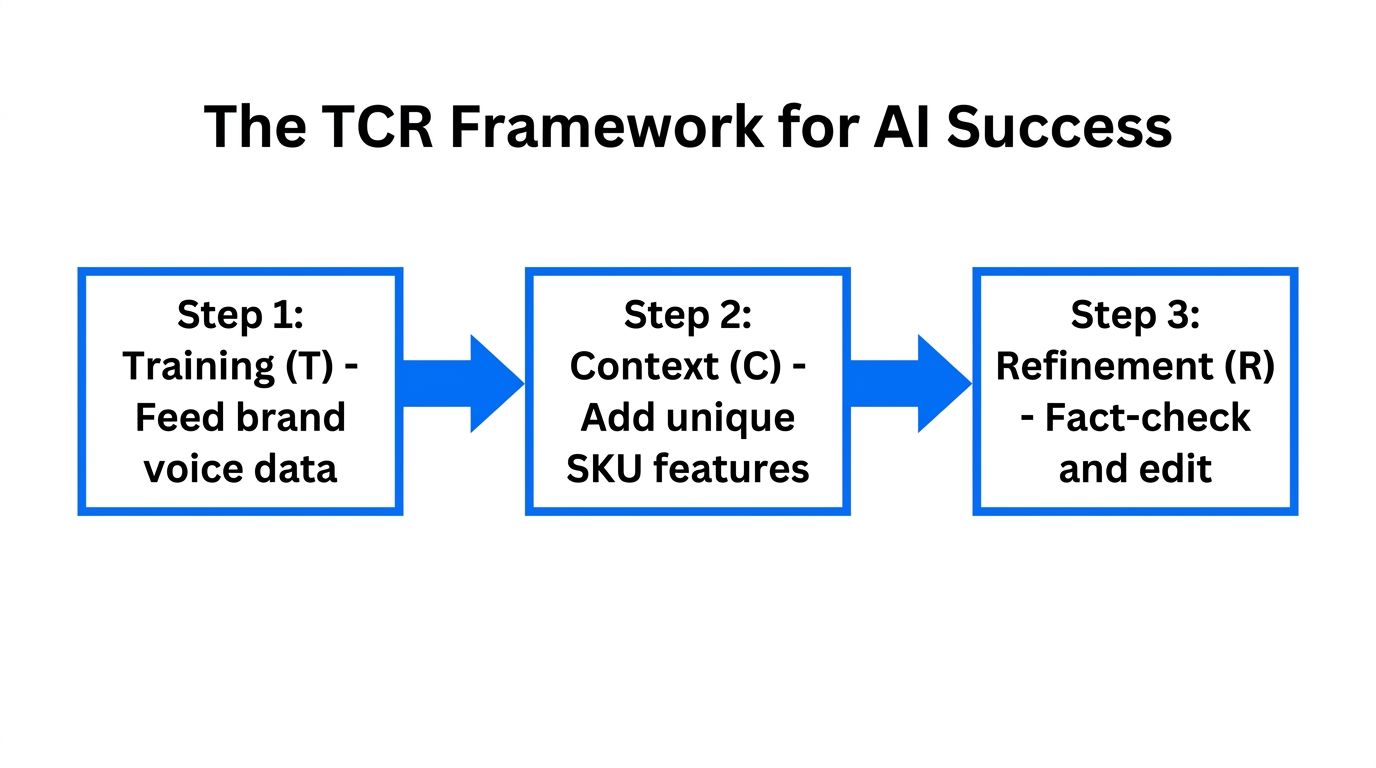
To move from robotic text to high-converting copy, elite marketers use the Task-Context-Reference (TCR) framework. This methodology ensures your bulk product description tool produces content that sounds like it was written by your top copywriter. For instance, when using a platform like Hypotenuse AI for catalog enrichment, the TCR framework bridges the gap between raw data and emotional appeal.
Step 1: Define the Task
Explicitly state the role of the AI. Don't just ask for a description; ask for an ecommerce conversion rate optimization specialist to write it. Set constraints on word count and structure to match your Shopify or Amazon requirements.
Step 2: Provide Rich Context
Supply the AI with your target audience persona and brand voice. For example, specify that you are targeting eco-conscious parents with a playful yet professional tone. This prevents the "bland AI" syndrome that many retailers face when they fail to provide specific guardrails.
Step 3: Insert References
Feed the AI 3–5 examples of your best-performing human-written copy. This helps the model mimic your unique brand nuances. As noted by Codewave, feeding the LLM structured reference data is critical for ensuring your products are cited correctly in AI-generated search summaries.
The Nike and Wayfair Model: Human + AI Efficiency
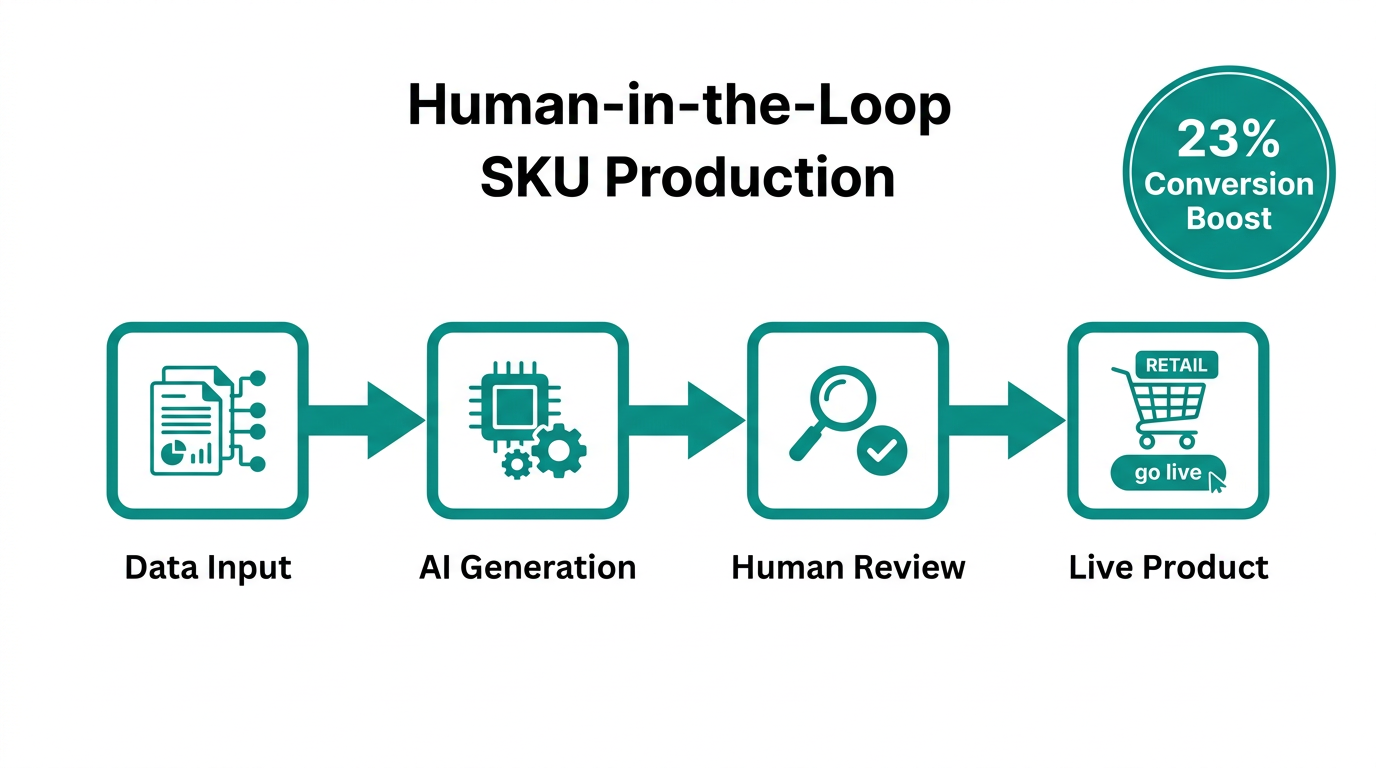
Large-scale retailers like Nike and Wayfair have pioneered the "Human-in-the-Loop" model. Wayfair used generative AI to create thousands of item descriptions, resulting in a 68% reduction in production time. The secret sauce wasn't just the AI; it was the human review process that ensured every description met brand standards before going live.
Nike similarly utilizes AI to handle the volume of shoe descriptions across global markets, but they task human copywriters with the final polish to capture "the athlete's voice." This approach allows brands to scale without losing their soul. As Brad Wolverton emphasizes, as AI content becomes ubiquitous, high-quality human refinement becomes a premium differentiator. For brands looking to supplement these automated descriptions with social proof, using a tool like Stormy AI to discover and collaborate with creators ensures that your product's human story is told across every touchpoint.
| Brand | AI Strategy | Primary Result |
|---|---|---|
| Wayfair | Bulk catalog generation | 68% reduction in production time |
| Migros | AI-enhanced descriptions | 23.7% lift in conversion rates |
| Stitch Fix | GPT-4 for ad headlines | Higher CTR than human-only copy |
| Nike | Human-in-the-loop scaling | Maintained "athlete's voice" at scale |
Multimodal SKU Enrichment: Automating the Visual Pipeline
One of the most exciting trends in 2026 is multimodal "Image-to-Copy" inputs. Modern tools, including the writing features mentioned by Ahrefs, can now analyze a product photograph to automatically identify fabric, style, and color. This eliminates the need for manual data entry for large catalogs.
By feeding an image into a bulk product description tool, the AI extracts structured metadata and weaves it into a compelling narrative. This is particularly effective for fashion and home decor brands where visual details are paramount. However, beware of hallucinations. An AI might incorrectly identify a material or safety rating. A mandatory human fact-check for technical specs is non-negotiable to avoid platform penalties or customer returns.
"AI won't replace humans, but humans with AI will replace humans without AI." – Karim Lakhani, Harvard Business School Professor, via HBR.A/B Testing Strategies: Emotional vs. Technical vs. Problem-Solving
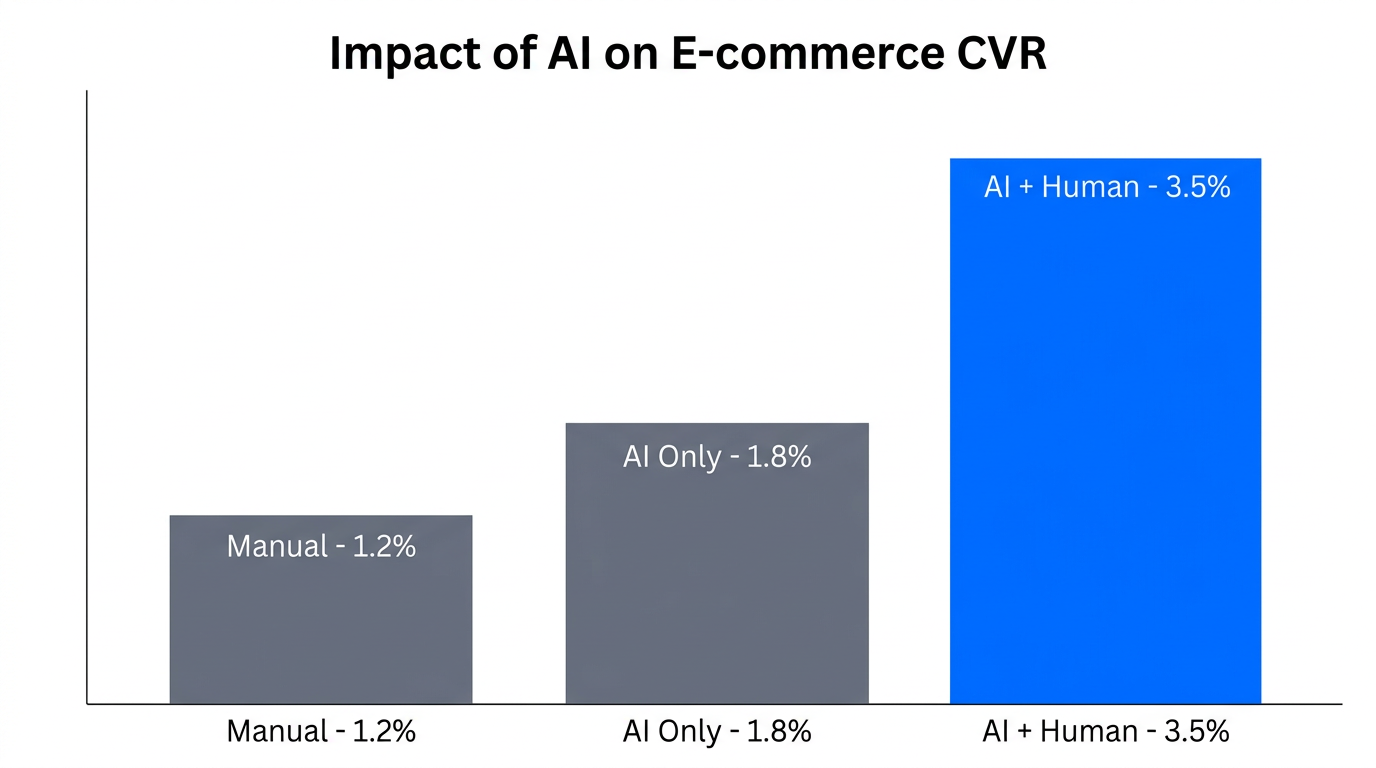
Personalized product recommendations can account for up to 31% of e-commerce revenue, according to Feedonomics. To maximize this, brands should use AI to generate three distinct variations of their copy for A/B testing:
- Emotional Storytelling: Focuses on how the product makes the user feel. Best for luxury or lifestyle products.
- Technical Specs: Highlights durability, dimensions, and materials. Essential for electronics or B2B tools.
- Problem-Solving: Directly addresses a pain point and how the product resolves it.
By monitoring which version leads to a revenue increase (typically between 10–12% for AI-adopters as per Gauss), you can refine your brand's AI persona for future generations. Don't forget to track these changes in your analytics dashboard, perhaps alongside influencer campaign data managed in Stormy AI, to see how copy and creator content interact to drive sales.
Top AI Product Description Generators for 2026
Selecting the right tool depends on your catalog size and platform requirements. Here is a breakdown of the leading solutions for 2026:
| Tool | Best For | Key Strength |
|---|---|---|
| Jasper | Brand Voice | High-level marketing alignment |
| Describely | SEO & PIM | Native catalog enrichment |
| Shopify Magic | Shopify Stores | Seamless native integration |
| Copy.ai | Ad Variations | Multi-platform copy adaptability |
| Writesonic | Speed | Fast, SEO-optimized free generation |
When implementing these tools, remember to avoid common pitfalls like keyword stuffing. Aim for a keyword density of 1–2% to keep the copy natural and readable. Over-optimizing for search engines at the expense of clarity often leads to lower conversion rates and higher bounce rates on platforms like Google Ads.
Conclusion: Your 2026 Growth Roadmap
Scaling e-commerce conversion in 2026 requires a balance of automated product copywriting and human intuition. By adopting the TCR framework, utilizing multimodal inputs, and maintaining a human-in-the-loop review process, you can achieve the 23% conversion lift seen by industry leaders. Start by identifying your highest-potential SKUs, deploy an ai product description generator like Scalenut or Frase for SEO enrichment, and continuously A/B test your messaging. In the age of AI, the winner is the brand that uses technology to become more human, not less.