In the fast-paced landscape of 2026, the traditional boundaries of digital marketing have dissolved. Direct-to-Consumer (DTC) brands no longer view creator partnerships as a secondary experimental channel; it has become the primary operating system for growth. With the global influencer marketing industry projected by Statista to reach a staggering $32.55 billion this year, the difference between market leaders and laggards comes down to one factor: the ability to scale content production through an AI influencer marketing platform.
We have moved past the era of manual spreadsheets and gut-feeling talent scouting. Today, 95% of successful brands have integrated AI into their marketing programs to handle everything from discovery to automated outreach. This guide explores the data-driven strategies and real-world case studies of brands that have successfully scaled their content from hundreds to thousands of units using AI-orchestrated networks.
The ROI of AI: Why Precision Targeting Wins
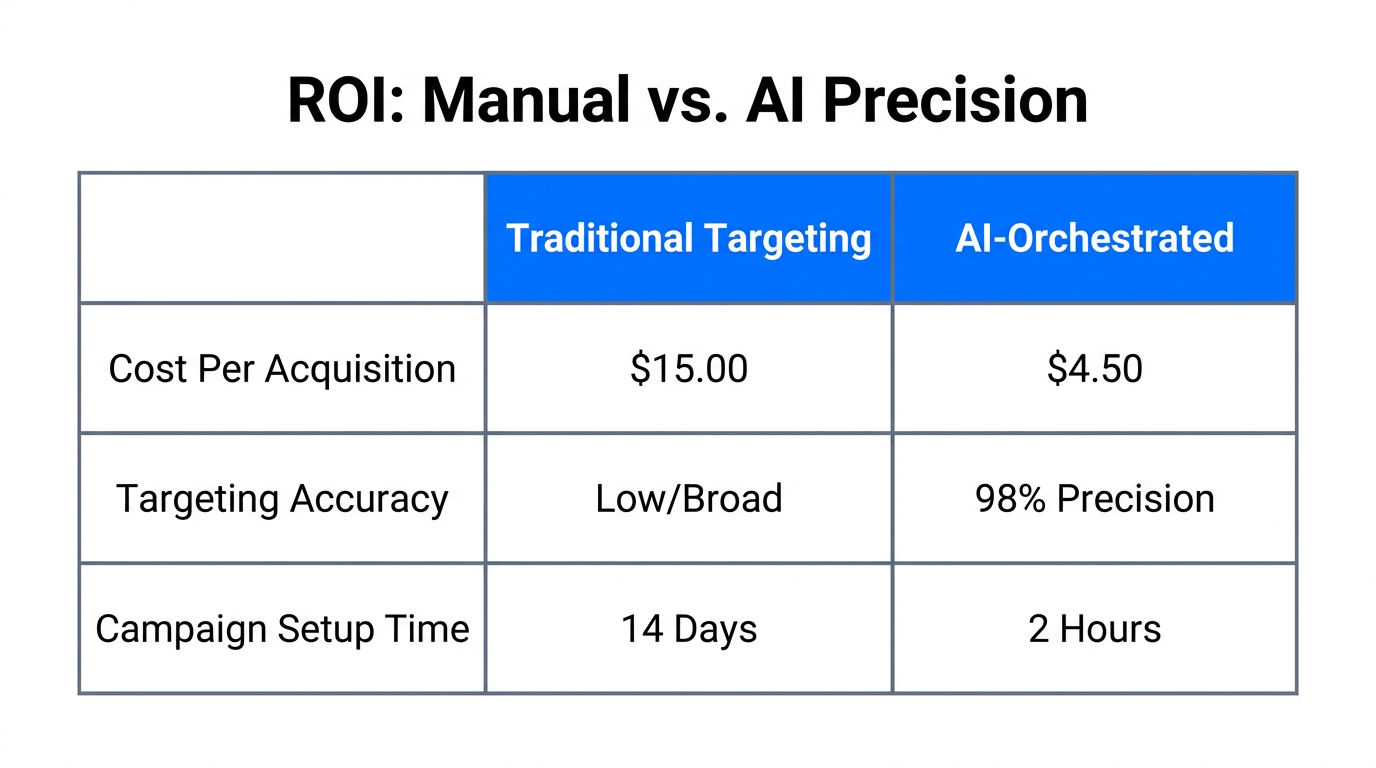
The financial incentive for adopting AI in influencer marketing is no longer anecdotal; it is deeply empirical. While the industry average reflects a solid return, earning roughly $5.78 for every $1 spent, according to research from Shopify, the top 5% of performers—those leveraging sophisticated AI for precision targeting—are seeing returns as high as $18 for every $1 invested.
This massive gap in ROI is driven by the elimination of "waste." AI platforms now use predictive analytics to forecast conversion rates and brand sentiment before a contract is even signed. By analyzing millions of data points across platforms like TikTok and Instagram, these systems identify the "low-hanging fruit"—creators whose audience demographics perfectly align with a brand's target customer profile.
"The future of influencer marketing lies in authentic storytelling backed by data-driven decisions. AI fixes the operational complexity that once prevented it from being a true performance channel."Case Study: How BURGA Scaled to 2,000+ Content Units
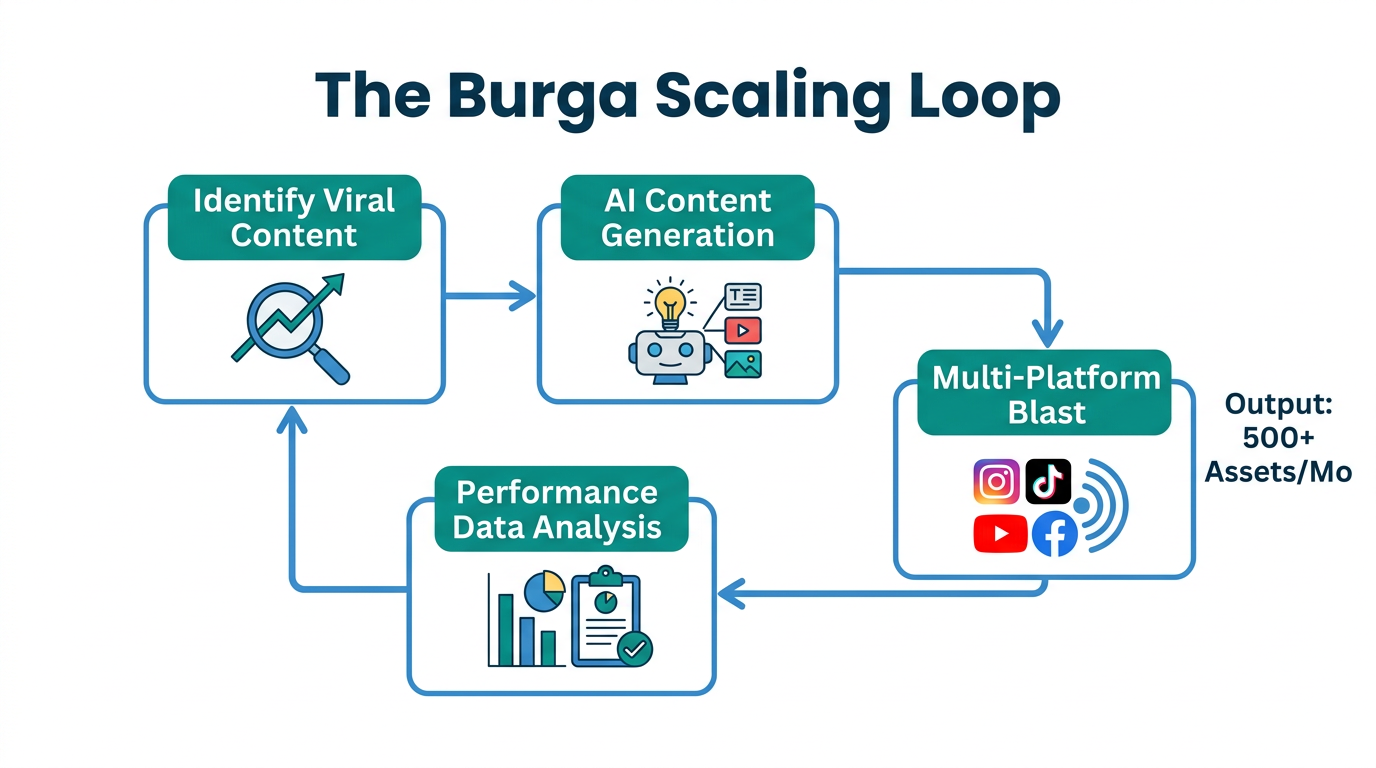
The lifestyle and accessories brand BURGA provides a masterclass in influencer content scaling. Their challenge was a common one: how to maintain a high volume of fresh, high-quality content without ballooning the internal headcount. By utilizing advanced AI discovery tools, they transitioned from producing 300 content units per month to over 2,000 units.
This wasn't achieved by just hiring more people. Instead, they used AI-powered discovery to manage approximately 3,500 influencers per quarter. Analysis of the brand's growth highlights how AI handles the heavy lifting of 1st-party audience data verification, ensuring that every creator in their massive network actually reaches the intended demographic.
| Metric | Before AI Integration | After AI Integration (2026) |
|---|---|---|
| Monthly Content Units | 300 | 2,000+ |
| Influencers Managed | ~400/quarter | 3,500+/quarter |
| Manual Vetting Time | High (Weeks) | Low (Minutes) |
| Cost Per Content Unit | $250 - $400 | $80 - $120 |
For brands looking to replicate this success, platforms like Stormy AI offer AI-powered search engines that allow users to find micro-influencers in specific niches using natural language prompts, effectively removing the bottleneck of creator discovery.
Sephora: Driving Engagement via AI Cluster Analysis
While BURGA focused on volume, Sephora focused on relevance and engagement. Using AI-driven cluster analysis, Sephora identified specific micro-influencer communities that were highly engaged but previously overlooked by traditional search metrics. This strategy, highlighted in beauty industry reports from Glossy, resulted in a significant increase in engagement and a consistent ROI.
Cluster analysis works by grouping creators not just by their follower count, but by the semantic overlap of their content. If a group of micro-influencers is talking about a specific skincare ingredient or a niche makeup technique, the AI identifies them as a "cluster." By targeting these clusters, Sephora ensured their message resonated with a captive, interested audience rather than shouting into the void of a generic follower base.
"AI is an accelerator, not a replacement. Human authenticity remains the inimitable aspect, but AI ensures that authenticity reaches the right eyes at the right time."The 'Dark Posting' Playbook: Organic to Paid Social
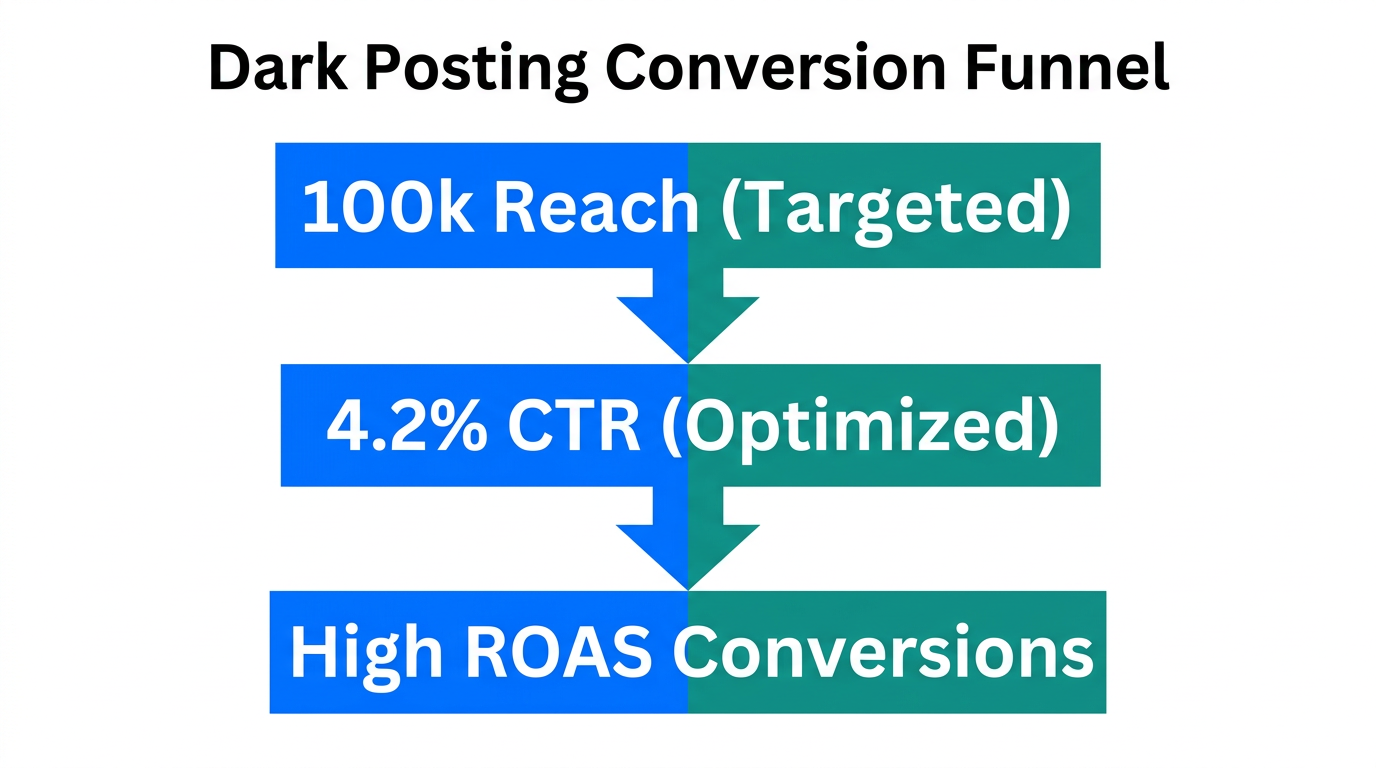
One of the most effective DTC growth strategies in 2026 is the automated identification of high-performing organic content for paid social amplification, often referred to as "Dark Posting" or whitelisting. Instead of guessing which ad creative will work, brands use AI to monitor the performance of organic posts from their creator network in real-time.
When a piece of organic content hits a specific engagement threshold—defined by the AI as having "viral potential"—it is automatically flagged for the brand's performance marketing team. Modern AI systems allow brands to license this content instantly and turn it into a high-converting paid ad through Meta Ads Manager.
How to implement an AI Dark Posting workflow:
- Monitor: Set up AI tracking for all creator mentions and tags.
- Analyze: Use AI to filter out vanity metrics (likes) and focus on engagement quality scores.
- Automate: Use a platform like Stormy AI to track individual video performance and monitor view velocity.
- Scale: Boost the top 1% of content through TikTok Ads Manager.
Avoiding the 'Over-Scripting' Trap
A common pitfall in the era of AI is the temptation to use Large Language Models (LLMs) to write every word of a creator's script. Gen Z and Gen Alpha audiences are incredibly sensitive to content that feels inorganic or "corporate." According to McKinsey & Company, authenticity is the primary driver of Gen Z brand loyalty. Over-scripting is the fastest way to tank your micro-influencer marketing ROI.
The solution is to use AI for briefing, not scripting. AI can generate comprehensive brand guidelines, visual mood boards using tools like Canva, and key talking points while leaving the creator’s unique voice intact. This maintains the creative freedom that makes influencer marketing effective in the first place.
The 30-Day AI Adoption Roadmap for DTC Brands
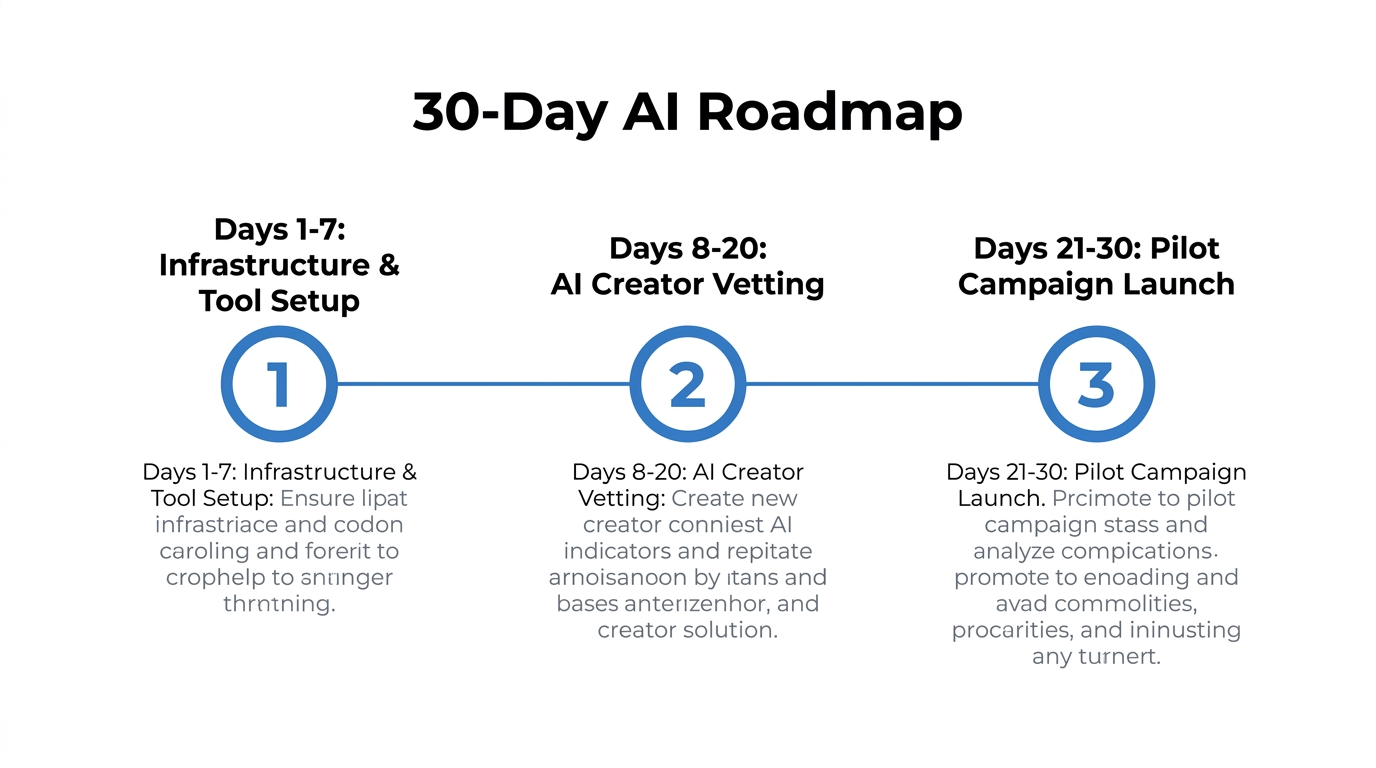
If you are looking to scale your creator operations this year, follow this structured 30-day playbook to integrate an AI-first workflow.
Days 1-10: Discovery & Vetting
Use AI discovery tools to find 100+ niche creators. Focus on audience overlap and semantic fit rather than raw follower count. Check for fraudulent engagement and bot activity using audience vetting protocols to ensure you aren't paying for fake accounts.
Days 11-20: Autonomous Outreach
Deploy AI outreach agents such as Instantly.ai or Lemlist. These systems send hyper-personalized emails that reference a creator’s specific recent post, which has been shown to increase response rates by up to 43%. This allows you to manage thousands of conversations simultaneously without a massive outreach team.
Days 21-30: Tracking & ROI Analysis
Integrate your influencer platform with your e-commerce stack, such as Shopify or Amazon. This ensures that every click and conversion is tracked, allowing the AI to learn which creator types are driving the highest lifetime value (LTV).
"The brands that win in 2026 are those that treat influencers as long-term partners, using AI to manage the admin so humans can manage the relationship."Conclusion: The Future is Automated
Scaling content from hundreds to thousands of units is no longer a feat of human endurance; it is a feat of AI orchestration. By leveraging case studies from industry leaders like BURGA and Sephora, DTC brands can see that the path to growth involves a shift from manual execution to strategic oversight.
Whether it is identifying high-performing content for dark posting or using Stormy AI’s autonomous agents to handle the daily grind of discovery and follow-ups, the tools are now available to turn influencer marketing into a predictable, high-ROI performance channel. Don't let your brand get left behind in the manual age—adopt the AI influencer marketing platform mindset today.