In the early days of generative AI, we were thrilled just to get a coherent paragraph out of a chat box. We spent our hours perfecting the "perfect prompt," acting as the primary bottleneck for every piece of content produced. But as we move through 2026, the paradigm has shifted. We have transitioned from the era of AI as a writing assistant to the era of AgentOps—where autonomous agentic marketing workflows manage the end-to-end lifecycle of content creation, repurposing, and distribution. If you are still manually copy-pasting transcripts into ChatGPT, you aren't just behind; you are leaving thousands of hours of productivity on the table.
Defining AgentOps: The Shift from 'AI as an Assistant' to Autonomous Agents
By 2026, the distinction between a simple AI tool and an AI agent has become the defining line for marketing success. While an assistant waits for your command, an agent understands a goal and executes a series of steps to achieve it. This shift is fueling a massive economic explosion; the market for generative AI in content creation is projected to reach $80.12 billion by 2030, growing at a CAGR of 32.5%.
In the context of AgentOps for content creators, we are seeing the rise of "Agent Factories." As Joao Moura, CEO of CrewAI, famously noted, large enterprises are no longer building manual workflows; they are building autonomous systems that pull transcripts, generate 30 days of multi-channel posts, and optimize schedules based on real-time signals without human intervention.
"In 2026, 'AgentOps' will replace manual workflows. Large enterprises will build 'Agent Factories' to automate the end-to-end creation and distribution cycle."
Building a 'No-Code' Agentic Pipeline: The 2026 Stack
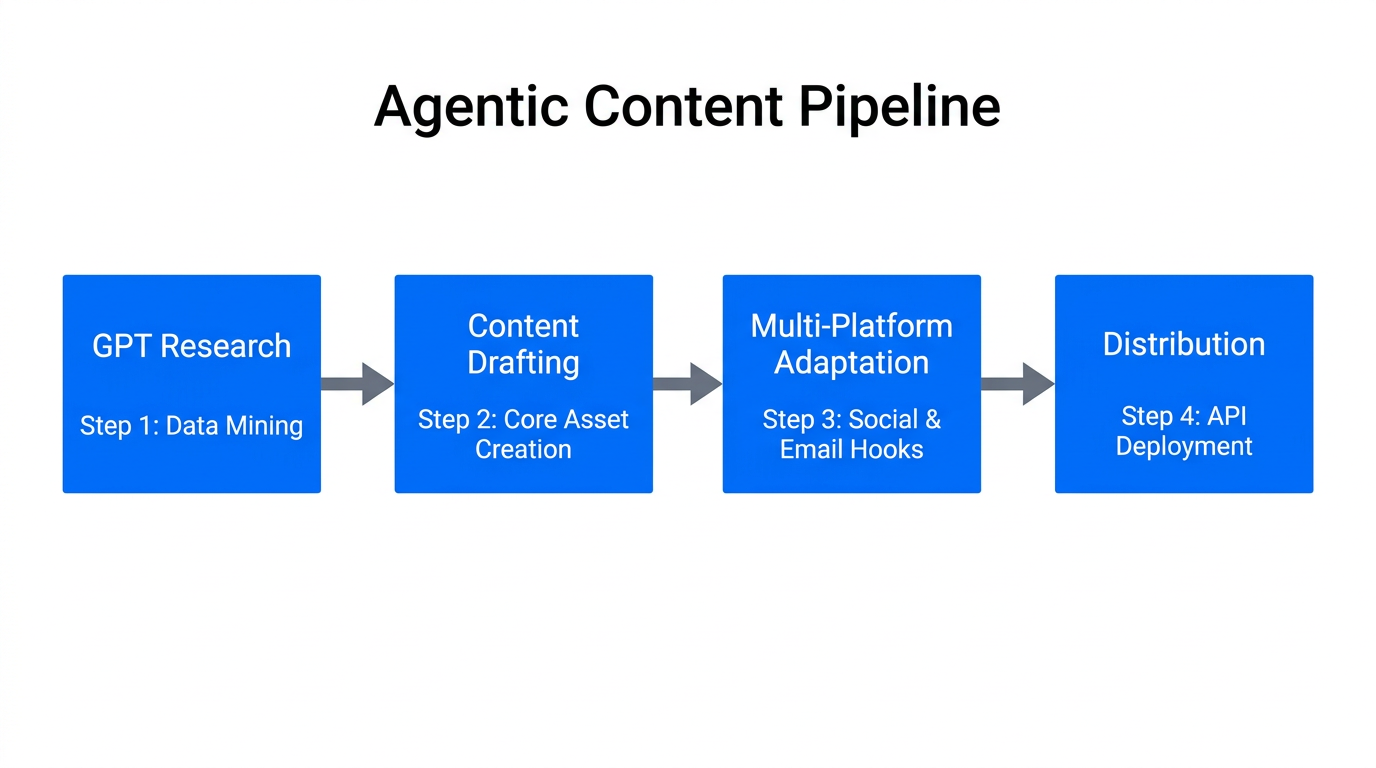
You don't need a computer science degree to build GPT autonomous marketing systems. The 2026 "standard stack" utilizes no-code platforms like Make.com and Zapier to act as the central nervous system, connecting specialized AI agents to your distribution channels.
A typical high-performance pipeline looks like this:
- Trigger: A new video file is uploaded to Google Drive.
- Extraction: The Castmagic API automatically pulls the file to generate a perfect transcript and identify "Magic Chat" insights.
- Transformation: A custom agent (built via Jasper or GPT-4o) processes that transcript into 12 Twitter threads and 4 LinkedIn articles in your specific brand voice.
- Visual Slicing: OpusClip or Munch identifies the top viral moments and generates captioned shorts for TikTok and YouTube.
- Staging: All assets are pushed to a dashboard like Buffer for a final human "thumbs up" before going live.
This level of AI content orchestration 2026 has led to massive gains. For instance, Crabtree & Evelyn saw a 30% improvement in ROAS simply by using AI to manage and repurpose their creative assets across social ads more efficiently.
The 2026 Analytics Loop: Real-Time Optimization
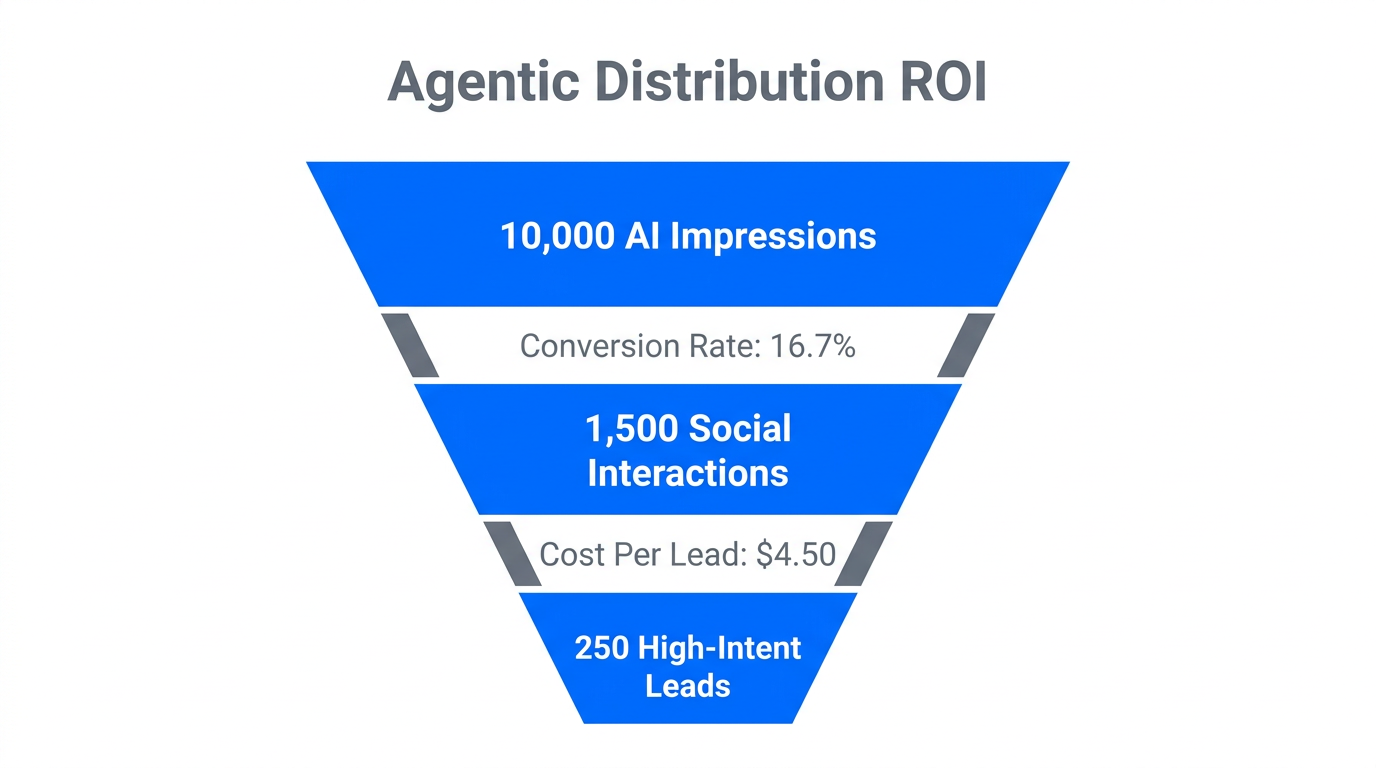
Distribution is no longer a "post and pray" game. The real work begins after the publish button is hit. As Ross Simmonds, founder of Distribution.ai, argues, AI is the accelerant that lets great creators be great, more often. The 2026 analytics loop uses autonomous agents to monitor performance and adjust strategy on the fly.
| Platform Category | Primary AI Tool | Key Function |
|---|---|---|
| Audio/Podcast | Castmagic | Transcript to blogs & newsletters |
| Video Slicing | OpusClip | AI-driven viral score clipping |
| Enterprise Content | Jasper | Brand voice memory & scaling |
| Distribution | Distribution.ai | Auto-piloting 30+ platforms |
Modern automated content distribution systems don't just schedule posts; they engage. Advanced agents now monitor comments and use fine-tuned LLMs like Claude to auto-reply to the first few interactions, boosting the initial engagement signal that social algorithms crave. This has led to lead velocities that are 4.5x faster for teams publishing at least 16 AI-assisted posts per month compared to those posting fewer than 4, according to recent marketing research.
Optimizing for 'Zero-Visit Visibility' and AI Overviews
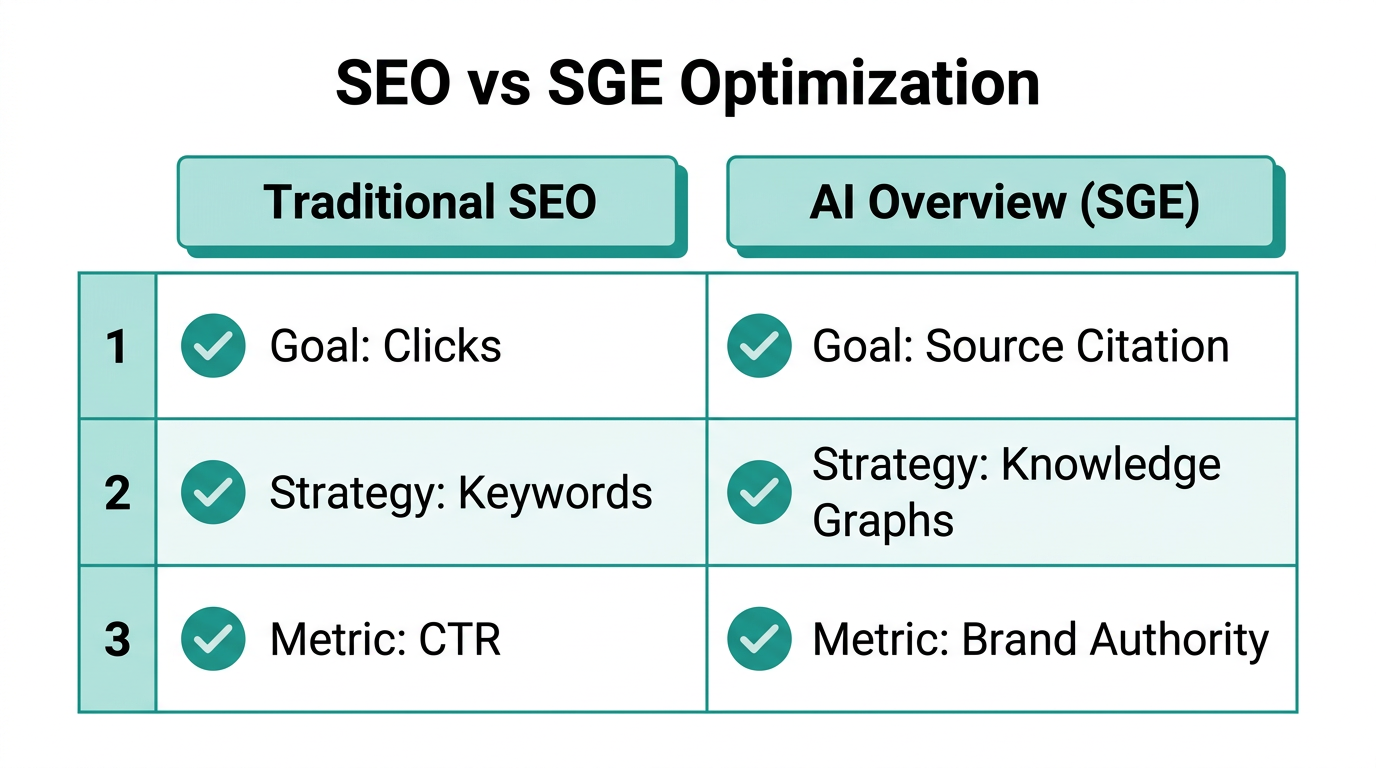
The SEO landscape of 2026 is dominated by AI Overviews (formerly SGE). The goal is no longer just the click; it is to be the definitive source cited by the AI. This is known as "Zero-Visit Visibility." To win here, your agentic marketing workflows must include steps for adding Structured Data Markup and FAQ sections to every repurposed article.
With 24% of users now using AI research assistants to make purchasing decisions, being the "cited authority" is the new Page 1. Companies like Tomorrow Sleep have already proven the power of insight-driven repurposing, seeing a 10,000% increase in web traffic by using AI to identify and fill niche content gaps (Marketing AI Institute).
"Repetition isn't your enemy; it's your ally. Consistency is what builds brands, and AI allows you to turn one high-performing piece into 30+ reusable templates." — Justin Welsh
Managing the 'Human-in-the-Loop' to Prevent 'AI Ick'
Despite the efficiency, there is a rising phenomenon known as "AI Ick." Audiences are becoming highly sensitive to generic, over-automated content. In fact, O'Dwyer's research shows that 66% of consumers feel exhausted from verifying if content is AI-generated, and trust levels for 100% AI content sit at a measly 12%.
To maintain brand authority, your AgentOps pipeline must include a mandatory "Human-in-the-Loop" (HITL) stage. This typically requires 15–20 minutes of review per automated hour of content to catch technical hallucinations and nuance errors. Platforms like Stormy AI help bridge this gap by providing high-quality creator data and analysis, ensuring that even when you use AI to scale, the underlying human partnerships remain authentic and vetted.
The 2026 Playbook: 30 Days of Content from 1 Transcript
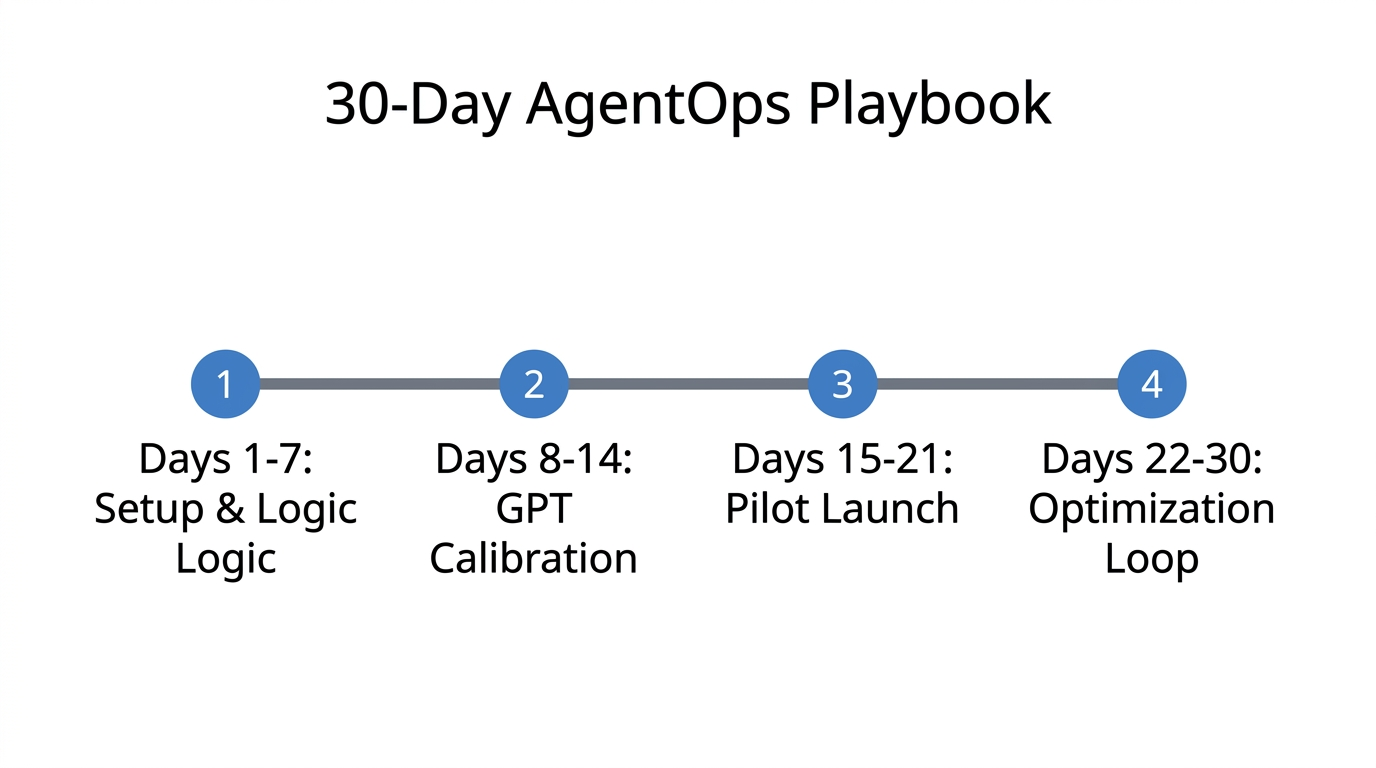
If you want to implement this today, follow this 1:30 (One to Thirty) Strategy used by top practitioners:
- Seed Asset: Record a 45-minute deep-dive webinar using Riverside.fm.
- Transcription & Mining: Use Descript to extract key insights and contrarian takes.
- Video Slicing: Deploy OpusClip to find 10 high-scoring "hook" moments for YouTube Shorts and TikTok.
- Multiplication:
- Week 1: 1 Long-form Blog + 2 LinkedIn Carousels.
- Week 2: 3 X/Twitter Threads + 5 Quote Cards via Canva.
- Week 3: 1 Deep-dive Newsletter + 3 "Question of the Day" posts.
- Week 4: 5 Short-form Clips + 1 "Best of" summary post.
- Distribution: Batch-upload to Metricool and monitor via Distribution.ai.
By automating the discovery of partners and the tracking of these assets, tools like Stormy AI ensure that your distributed content is actually reaching the right audience and driving ROI, rather than just filling a feed with noise.
The Bottom Line: Adapting to the Agentic Era
The transition to agentic marketing workflows is no longer optional for brands that wish to stay competitive in 2026. By shifting from manual prompting to autonomous Agent Factories, you can reduce production costs by up to 30%—as seen with giants like Diageo—while dramatically increasing your lead velocity. However, the true winners will be those who balance this massive scale with a rigorous human-in-the-loop process to ensure brand integrity. Start building your agentic pipeline today, and turn your single best ideas into a month-long engine of growth.