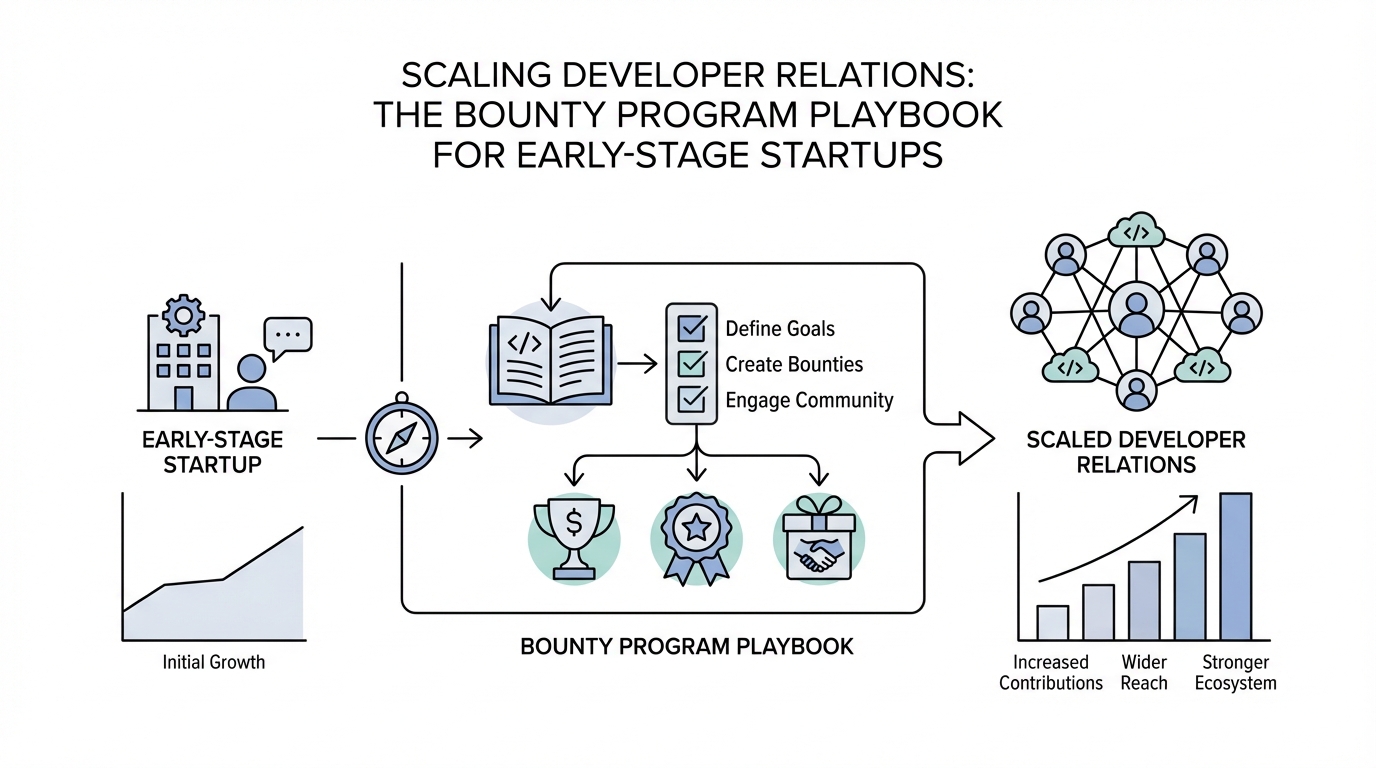
Every technical founder remembers the 'cabin in the woods' moment—that intense, isolated period of pure hacking where the product finally takes shape. You build something incredible, you solve a problem you have personally faced, and you believe the world is ready. But as many second-time founders will tell you, being product ready is a far cry from being market ready. In the modern SaaS landscape, where technological moats are shrinking, your brand and your distribution strategy are the only true moats left. For technical startups, this means your developer evangelism strategy needs to start long before you can afford a celebrity DevRel hire.
The Gap Between 'Product Ready' and 'Market Ready'
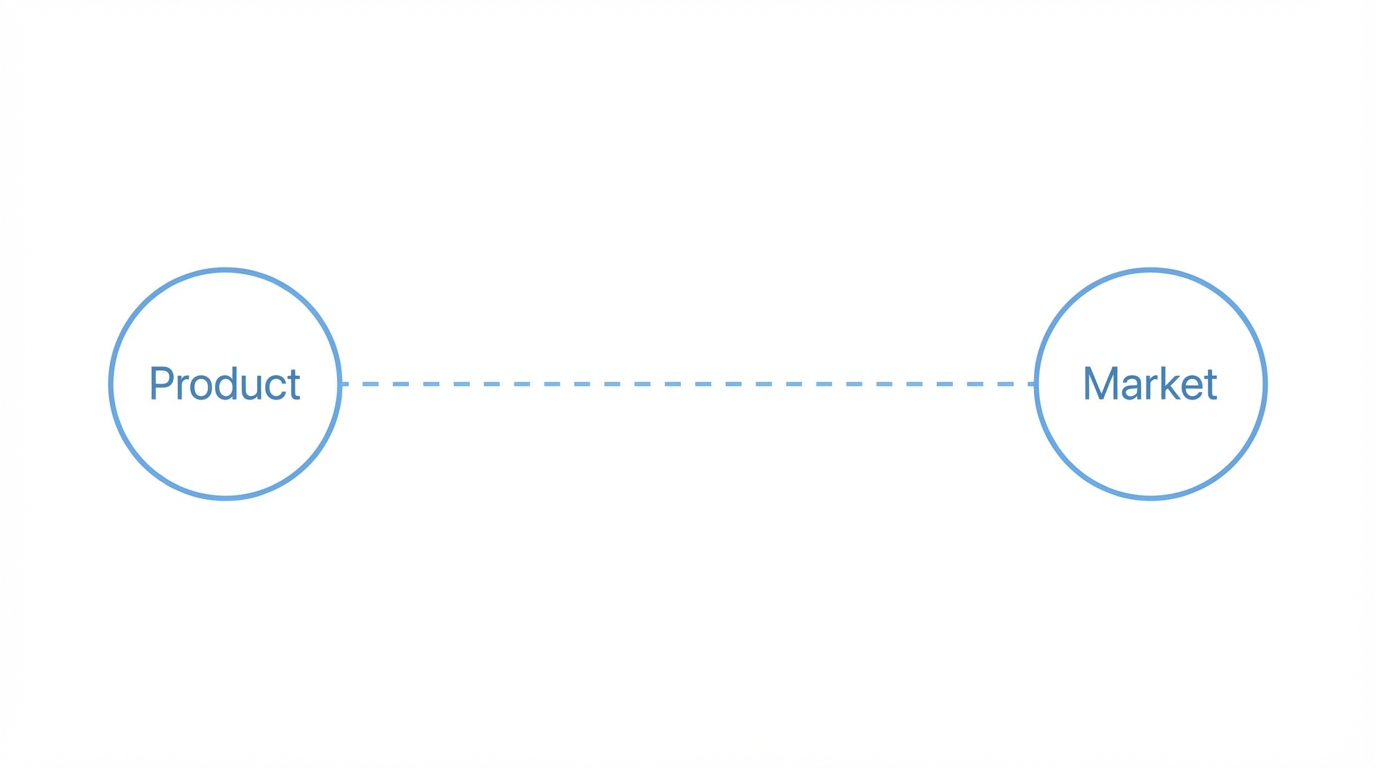
In the early days of a startup like Jam.dev, it is easy to over-index on product. Founders often believe that if the code is clean and the UI is intuitive, developers will naturally flock to it. However, the reality is that distribution is the hardest part of the journey. As technical founders, we frequently under-appreciate that behavior change takes time. Even a revolutionary tool requires a massive amount of technical content—documentation, integration guides, and tutorials—to bridge the gap between a 'cool project' and an 'essential tool'.
This is where the technical content strategy often stalls. The founder is busy raising capital or building features, and they lack the capacity to write the 'Getting Started' guide for every possible framework. This creates a vacuum in your developer relations marketing. Without those entry points, prospective users land on your site and leave because they cannot see how your tool fits into their specific stack. To fix this, you need to shift your focus from purely building to building a movement.
Why the 'Unicorn Hire' is a Trap for Early Startups
When founders realize they need a DevRel presence, the first instinct is to hire a superstar. You look for the person who is great at speaking, writes brilliant code, and already has 50k followers on Twitter. But as the market has shown, these unicorn hires are incredibly hard to find. Companies often spend eight to ten months searching for a single developer evangelist, only to find that the person they want is already building their own company or command a salary that an early-stage startup cannot justify.
Instead of waiting nearly a year to start your devrel playbook, you should look at the 'K-pop style factory' model. This concept involves identifying junior or mid-level talent with high potential and putting them through a specialized training process. But even that takes time. For a startup that needed someone 'yesterday,' a startup bounty program offers a faster, more modular way to scale your technical presence without the overhead of a full-time executive search.
Step 1: Defining Your Bounty-Eligible Tasks
A successful startup bounty program starts with clearly defined, bite-sized tasks. You aren't asking a stranger to define your entire developer relations marketing strategy; you are asking them to solve a specific friction point for a new user. Bounty tasks should be 95% defined so that the contributor can focus on execution rather than discovery.
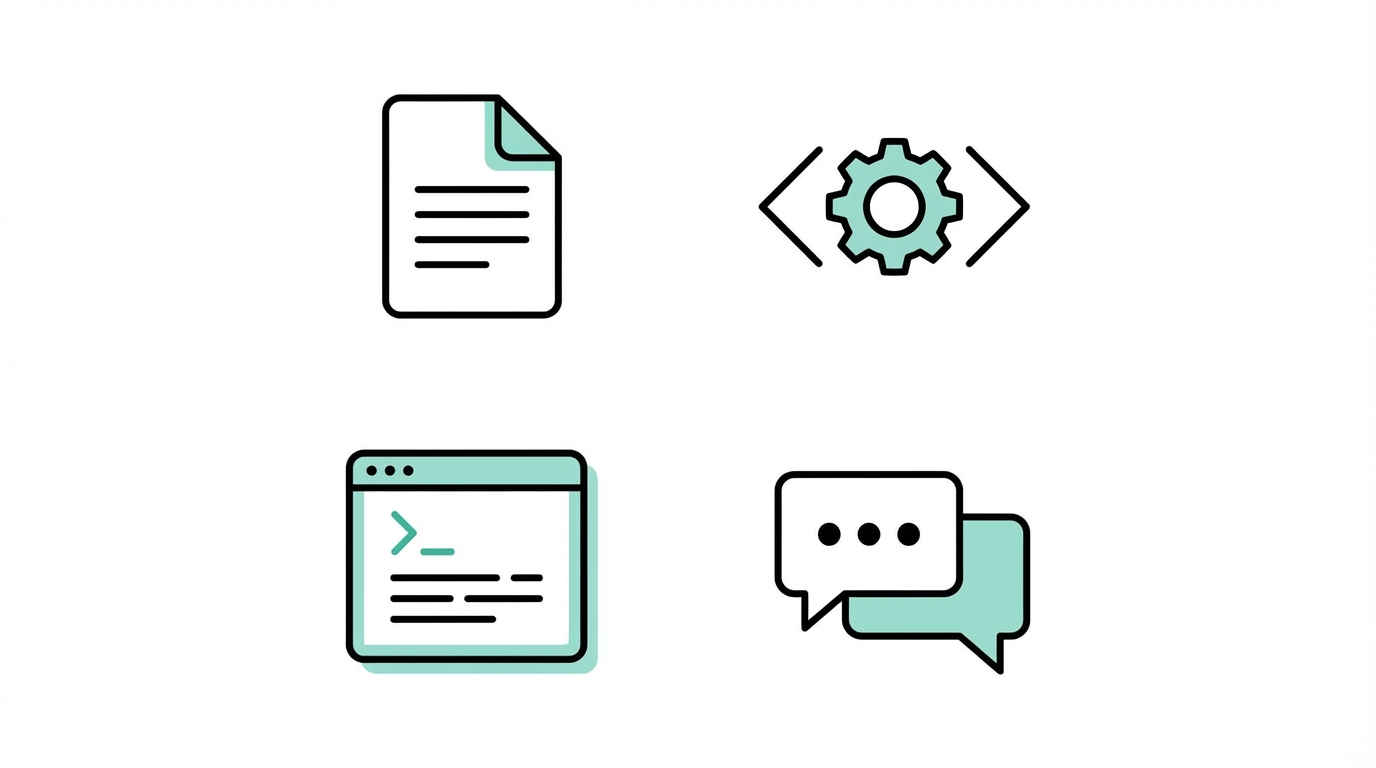
- GitHub Starters: Create 'Hello World' repositories using your API with popular frameworks like Next.js, Remix, or Svelte. These GitHub repos serve as the foundation for new developers.
- Zapier Integrations: Many users want to connect your technical tool to their non-technical workflows. Bounties for Zapier connectors or templates are high-value and relatively low-effort.
- Framework-Specific Tutorials: 'How to use [Your Tool] with Tailwind CSS' or 'Implementing [Your Tool] in a Python Flask App.'
- Video Documentation: Short, 60-second Loom-style videos that demonstrate a single feature.
By breaking these down, you allow junior developers from all over the world to contribute. They gain experience and a line item for their resume, and you get the technical content you need to move from product-ready to market-ready.
Step 2: Setting a Quality Control Layer
The biggest fear founders have with a startup bounty program is the 'Fiverr trap'—receiving a flood of low-quality, AI-generated content that actually takes more time to fix than it would have taken to write from scratch. To avoid this, your devrel playbook must include a rigorous vetting process. You are not looking for a general marketplace; you are looking for a curated community of contributors.
Borrow a page from Growth.design. They don't just post random tips; they produce high-quality, psychologically-grounded case studies that have built a massive brand. Your bounty program should have a high quality bar, similar to how Stripe maintains their world-class documentation. Establish a review committee—even if it's just the founder for the first 10 bounties—to ensure every piece of code and content matches your brand's voice. If a contributor delivers work that is only 50% there, don't pay the full bounty. High stakes ensure high quality.
Step 3: Leveraging AI Tools to Accelerate Production
We are entering an era where the cost of producing software and technical content is declining rapidly. Tools like v0.dev by Vercel are 'pure magic' for this. You can now describe a website or a UI component and have it generated instantly. For a technical content strategy, this means you can provide your bounty contributors with AI-generated baselines from tools like GitHub Copilot to speed up their work.
Imagine giving a contributor a v0-generated UI and asking them to integrate your SDK into it. This lowers the barrier to entry and ensures that the visual quality of the 'starters' you put on Notion or GitHub is consistently high. As a founder, you can run this entire operation yourself using AI, essentially acting as a one-person developer relations marketing department until you hit the scale that requires a full-time lead.
Step 4: Sourcing and Managing Technical Creators
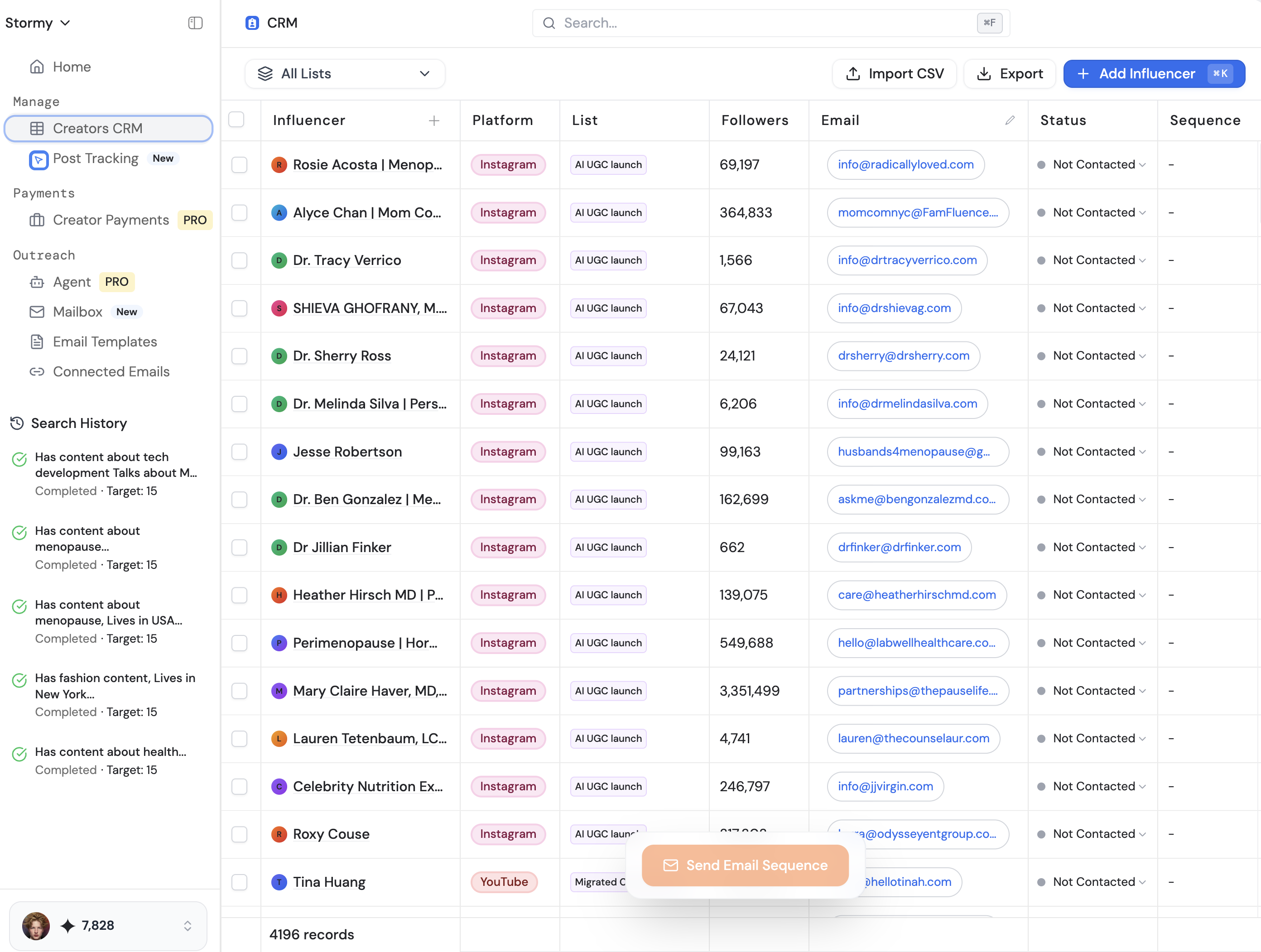
Finding the right people to participate in your bounty program is the next challenge. You want developers who not only code well but also understand how to communicate their process. This is where influencer discovery becomes relevant. You don't always need the 'celebrity' developer; you need the 'micro-influencer' who has a dedicated following in a specific niche like Rust, WebAssembly, or DevSecOps.
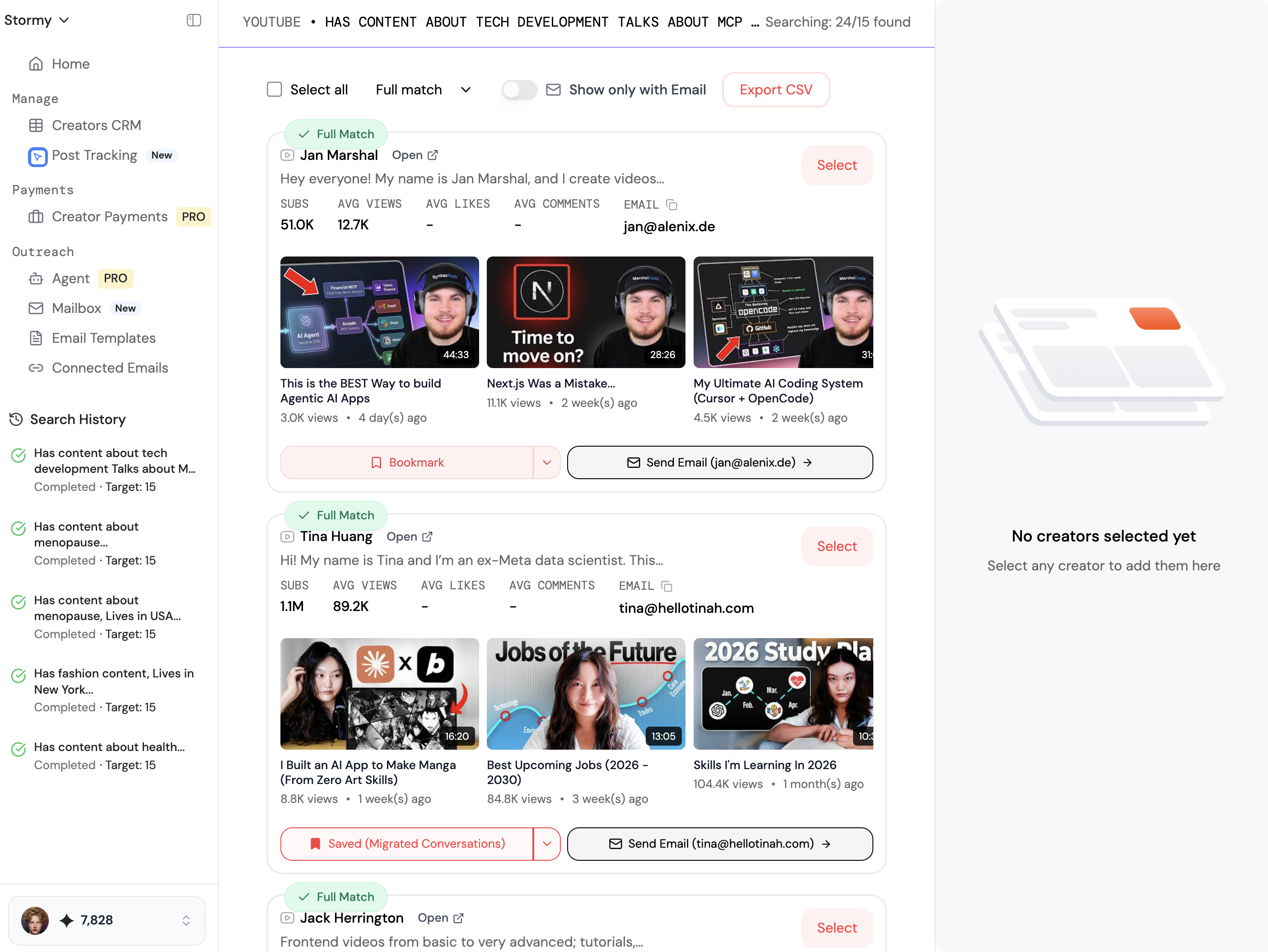
Managing these relationships can quickly become a full-time job. Using platforms like Stormy AI can help you search for and discover technical creators who are already active in your space. Instead of manual outreach, you can use AI-powered discovery to find creators who fit your niche—say, 'React developers with 5k-20k followers'—and invite them to join your bounty program. This systematic approach transforms your developer evangelism strategy from a series of random acts into a repeatable growth engine.
Step 5: Transitioning to Your First Full-Time DevRel
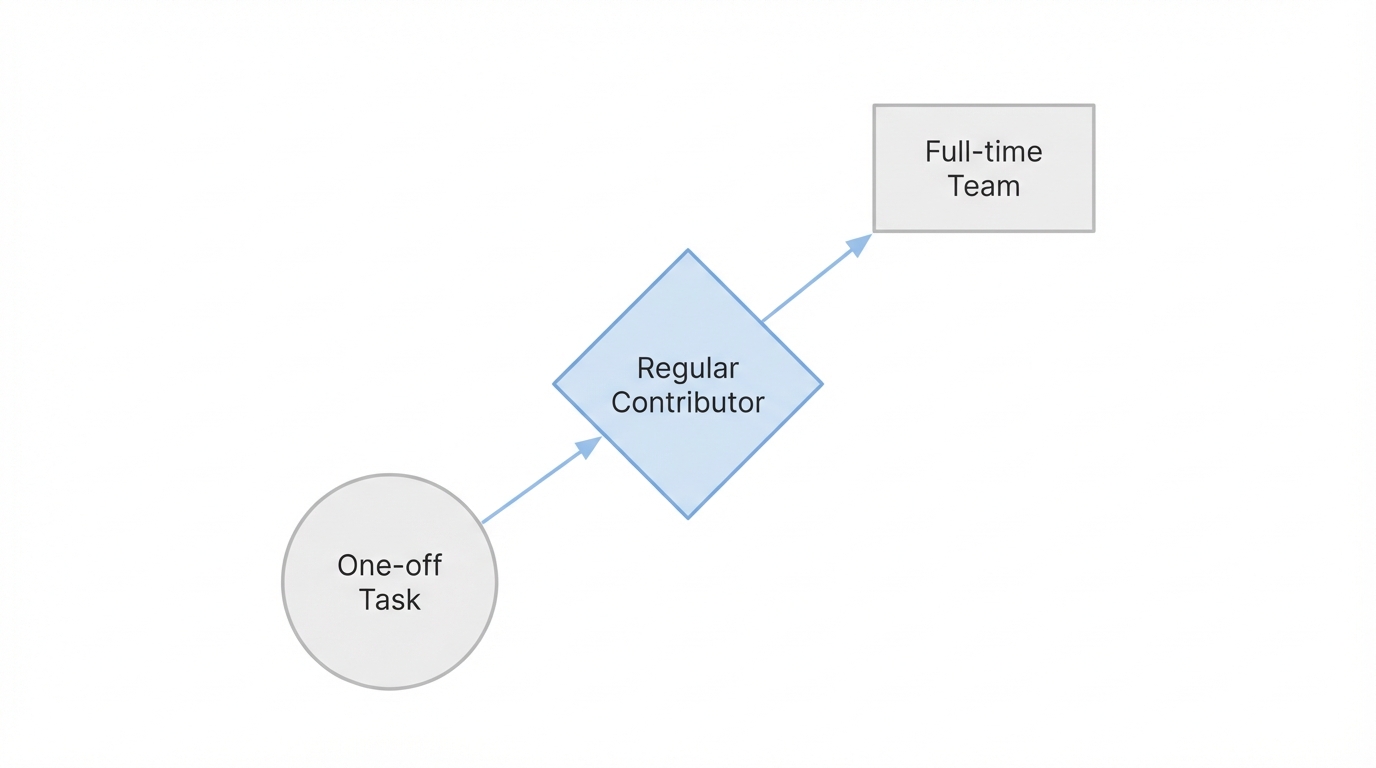
Eventually, the overhead of managing 50 different bounty contributors will outweigh the benefits. That is the moment you are actually ready for a full-time developer relations marketing hire. By this point, you have a wealth of data. You know which types of tutorials drive the most sign-ups, which frameworks your users actually care about, and—most importantly—you likely have a 'shortlist' of bounty contributors who have already proven their value.
Many of the best DevRel hires start as community contributors. When you eventually hire them, they aren't starting from scratch; they are taking over a devrel playbook that is already functioning. They can spend their first 90 days scaling what works rather than trying to figure out what the product even does. This reduces the risk of the hire and ensures they can hit the ground running, much like the early team at Cloudflare did by building community-first solutions.
Conclusion: Brand as the Ultimate Moat
In a world where anyone can ship a product with AI in a weekend, your brand is your only lasting protection. By launching a startup bounty program, you are doing more than just outsourcing documentation; you are seeding a community and building a brand that occupies mental space. Whether you are building a tool for developers or a niche SaaS product, remember that distribution must be baked into the process from day one.
Start small: pick three high-impact technical tasks, set a fair price, and reach out to the creators who are already talking about your space. As you scale, platforms like Stormy AI can help you manage those creator relationships and track the impact of your outreach across platforms like TikTok and YouTube. Don't wait for the unicorn hire to save your distribution. Build the factory yourself, one bounty at a time.