In 2026, the D2C landscape is no longer a battle of who has the best product, but who has the most intelligent supply chain. The days of relying on "last year plus 10%" growth models are officially over, replaced by autonomous demand sensing that can predict a viral TikTok trend before it even hits the For You Page. According to Anchor Group, the global AI-enabled e-commerce market has surged to over $8.65 billion as of last year, with projections reaching a staggering $22.60 billion by 2032. For SMBs and Shopify founders, the ability to predict stock needs with surgical precision isn't just a luxury—it is the only way to protect your margins against rising customer acquisition costs (CAC) and global logistics volatility.
Why Traditional Forecasting is Dead in 2026
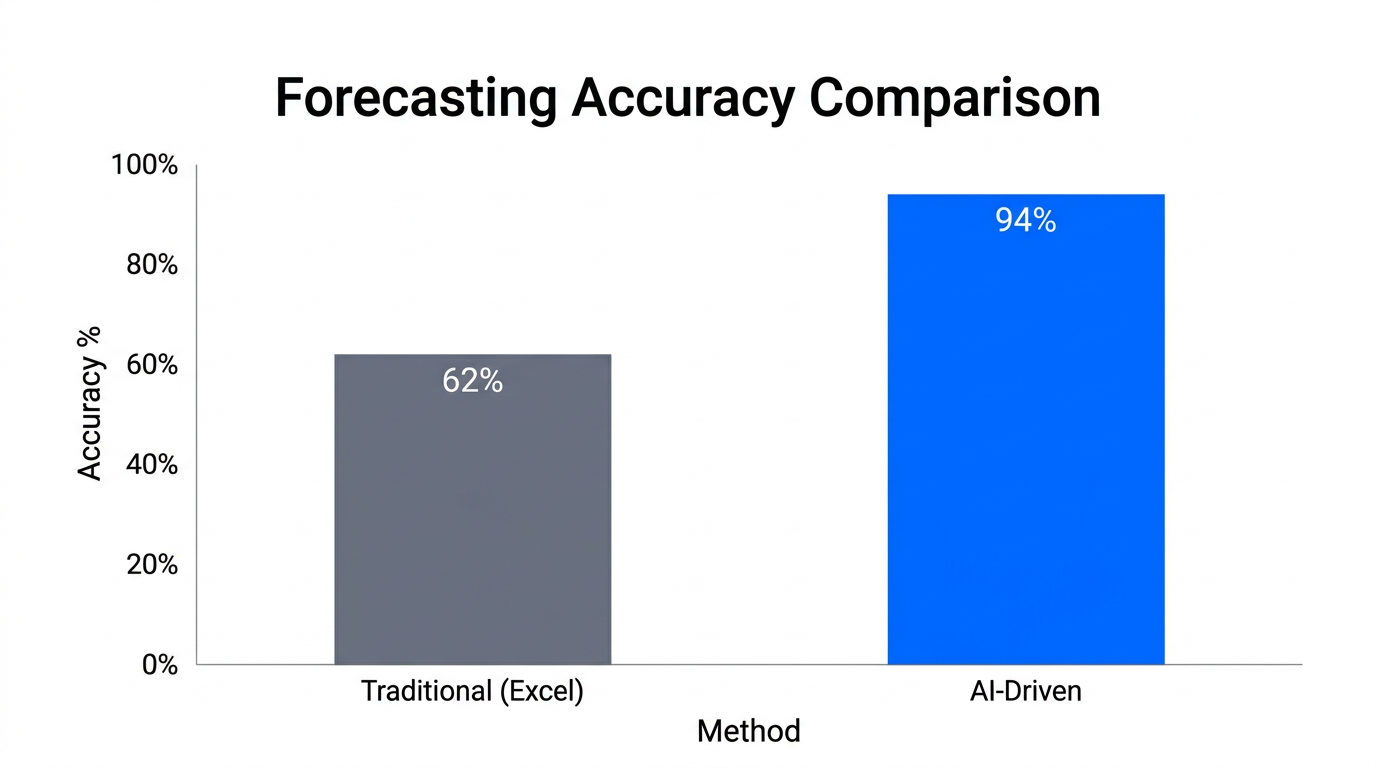
For decades, retail planning was a reactive game. You looked at what you sold in Q3 of 2025 and ordered roughly the same for Q3 of 2026. But in a world where Gartner notes that AI should be a core element of strategic decision-making, that reactive approach leads to two profit-killing outcomes: massive stockouts during unexpected peaks or capital-draining overstock. The shift to AI demand forecasting allows brands to move from historical analysis to real-time demand sensing, ingesting data from social media signals, weather patterns, and even local events to determine exactly what needs to be in which warehouse.
By implementing these systems, brands are seeing a massive return on investment. Research from McKinsey suggests that AI-driven supply chain systems can reduce inventory holdings by 20% to 30%, freeing up vital cash flow for marketing and product development. When you combine this with Apptunix's data showing that AI cuts supply chain errors by up to 50%, the argument for sticking with spreadsheets becomes impossible to defend.
Inventory Planner vs. Prediko: The 2026 D2C Tool Showdown
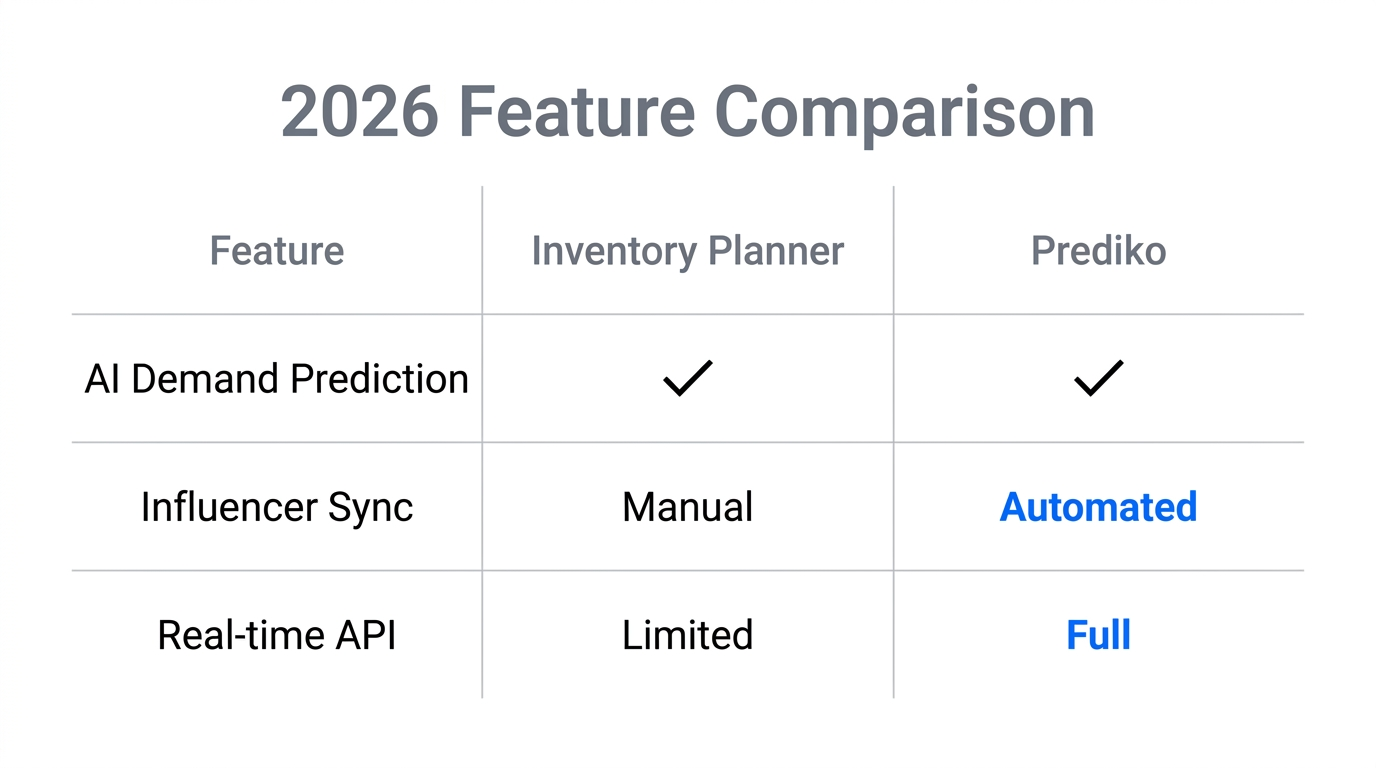
For Shopify founders, two names dominate the conversation in 2026: Inventory Planner by Sage and Prediko. Both tools leverage machine learning to automate the replenishment process, but they serve slightly different needs within the modern growth stack. While you use Stormy AI to discover the creators who drive your top-of-funnel demand, these tools ensure that demand doesn't result in a "Sold Out" button that kills your conversion rate.
| Feature | Inventory Planner | Prediko | Stormy AI (Demand Driver) |
|---|---|---|---|
| Best For | Multi-channel complex brands | Shopify-native D2C brands | Influencer-led growth |
| AI Model | Probabilistic Forecasting | Neural Network Demand Sensing | Generative AI & LLM Search |
| Inventory ROI | Focus on cash flow optimization | Focus on visual buying & agility | Revenue growth via UGC |
| Integration | Broad (Sage, ERPs, 20+ platforms) | Deep (Shopify, GA4, Marketing) | TikTok, IG, YT, LinkedIn |
Inventory Planner is the powerhouse for brands that have moved beyond a single Shopify store and are managing multiple warehouses or wholesale accounts. It excels at telling you exactly when to buy and how much profit you're leaving on the table. On the other hand, Prediko offers a more streamlined, modern interface that integrates deeply with marketing schedules. In 2026, many brands are choosing Prediko for its ability to "sense" marketing spend shifts from platforms like Meta Ads Manager and adjust stock levels accordingly.
"The value of AI-based forecasting includes improved strategic decision-making and faster responses to market changes... it should be a core element, not an add-on." — Jan Snoeckx, Gartner.
The Playbook: Consolidating GA4, Shopify, and Meta Data Silos
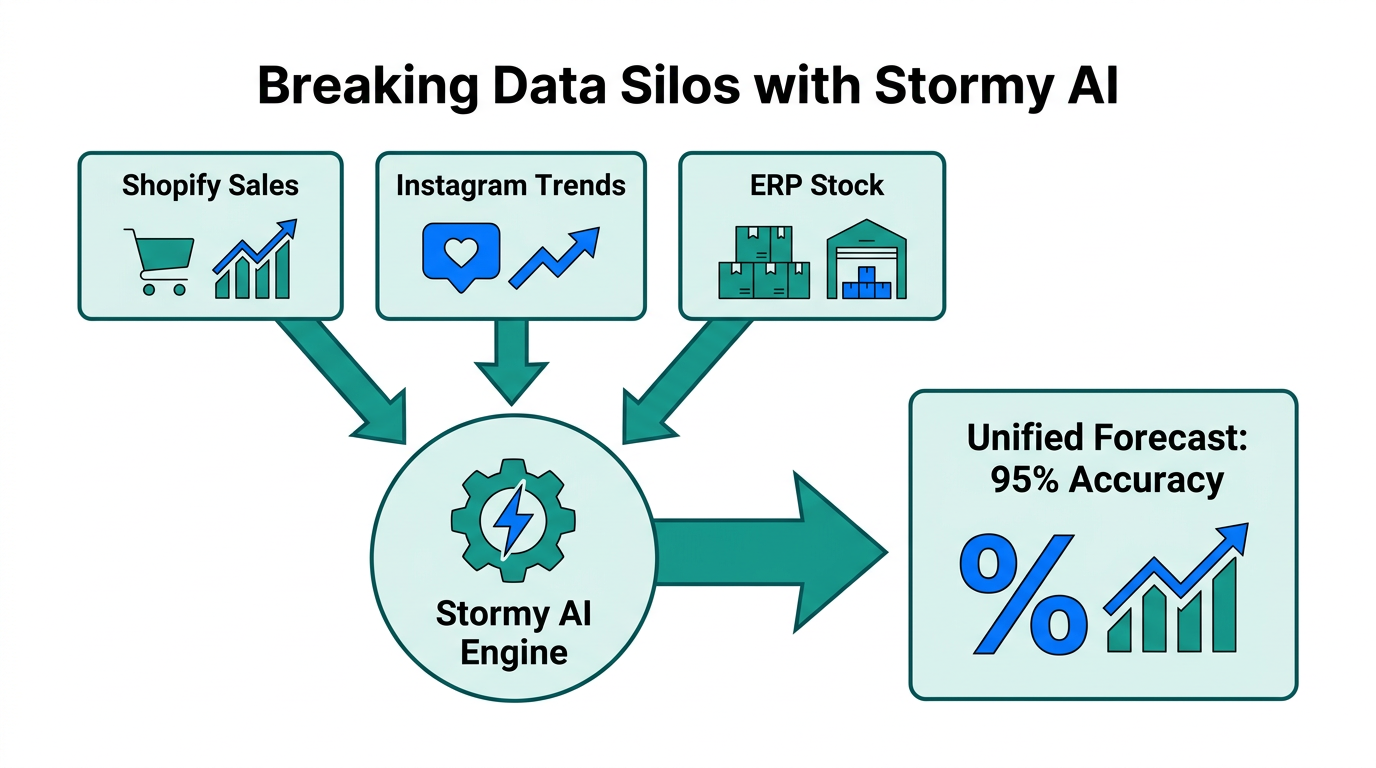
AI is only as good as the data it consumes. To achieve the 30% improvement in forecast accuracy reported by giants like Walmart, small brands must break down their data silos. This means your forecasting tool shouldn't just look at Shopify sales; it needs to look at your traffic trends in Google Analytics 4 and your upcoming ad spend in TikTok Ads Manager.
Step 1: Connect Your Revenue Engines
Start by syncing your primary storefront. Tools like Sumtracker or Prediko will pull two years of historical data to establish a baseline. However, don't stop there—layer in your "Causal Factors" such as upcoming discount windows or seasonal events.Step 2: Integrate Marketing Signals
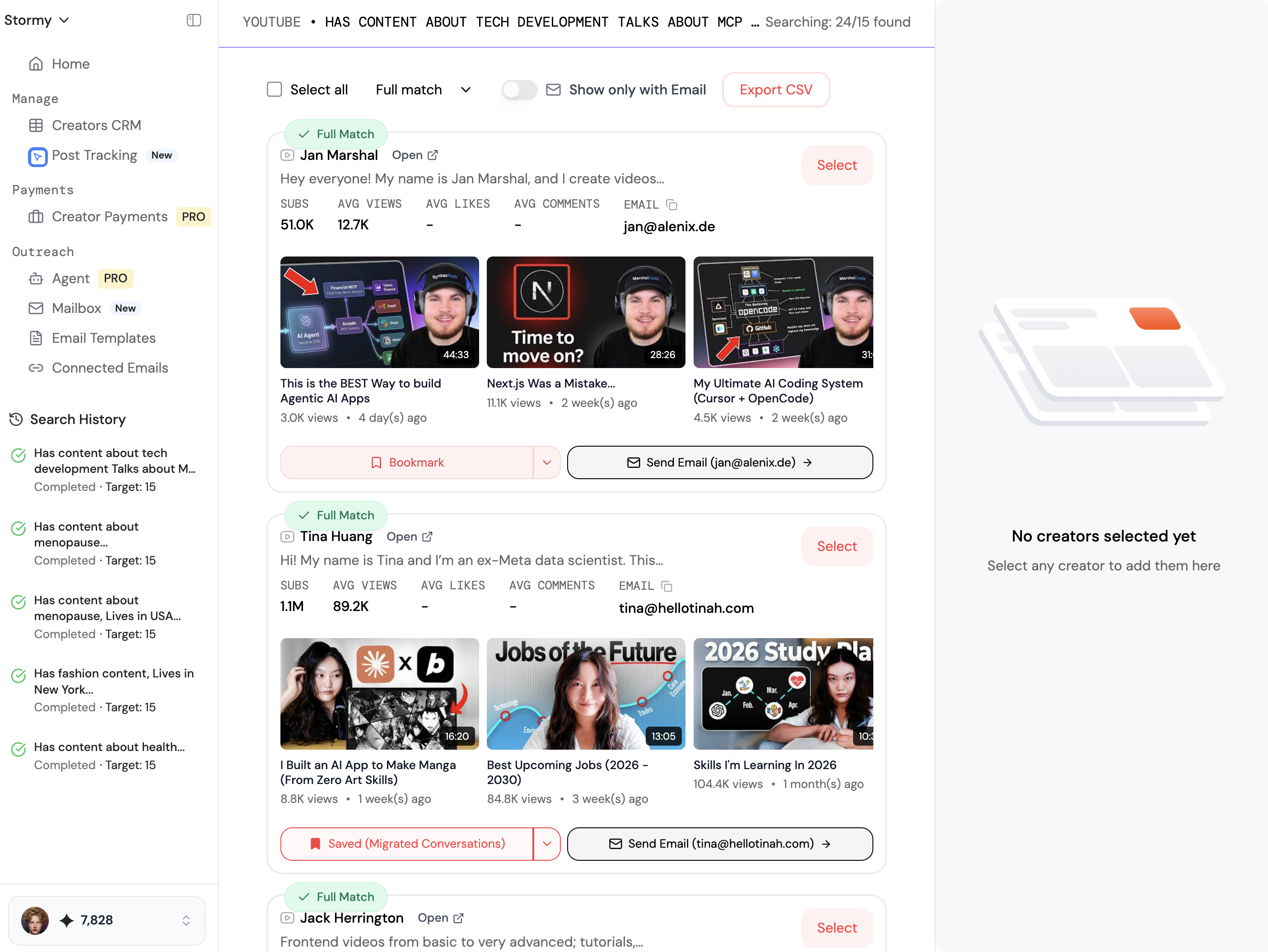
This is where 2026 brands win. If you have an influencer campaign scheduled via Stormy AI, your inventory tool needs to know. When Stormy AI's automated agents reach out to 50 creators a day, that creates a surge in "Demand Sensing" signals that historical data alone cannot predict.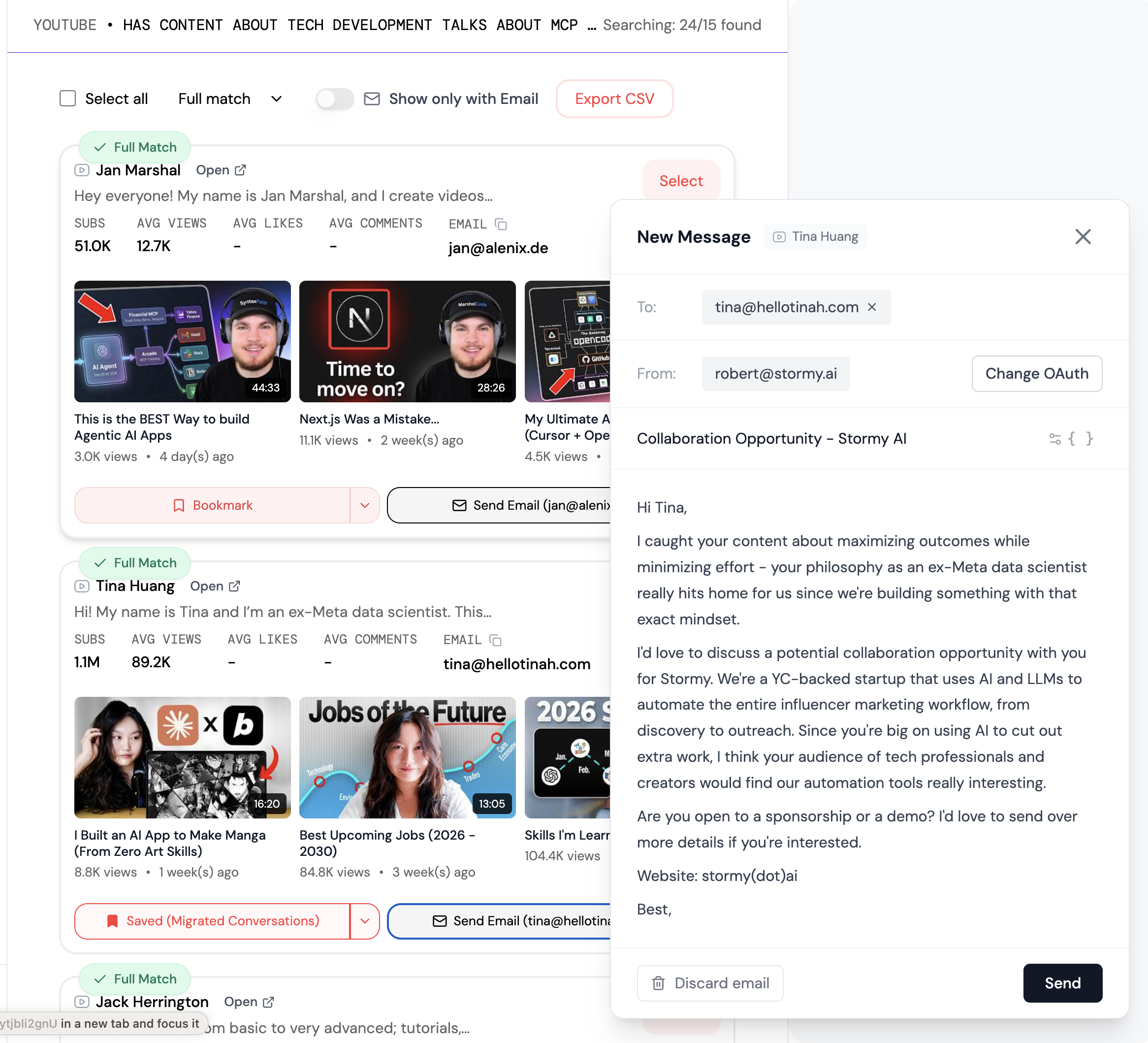
Step 3: Layer in External Variables
Modern AI forecasting doesn't just look at your brand; it looks at the world. Incorporating weather data—especially for seasonal apparel or skincare—can explain why certain SKUs are moving faster in specific regions. As DHL suggests, better demand prediction leads to 5% to 20% savings in logistics alone by allowing for smarter routing.Anticipatory Shipping: Mimicking Amazon's 2026 Strategy
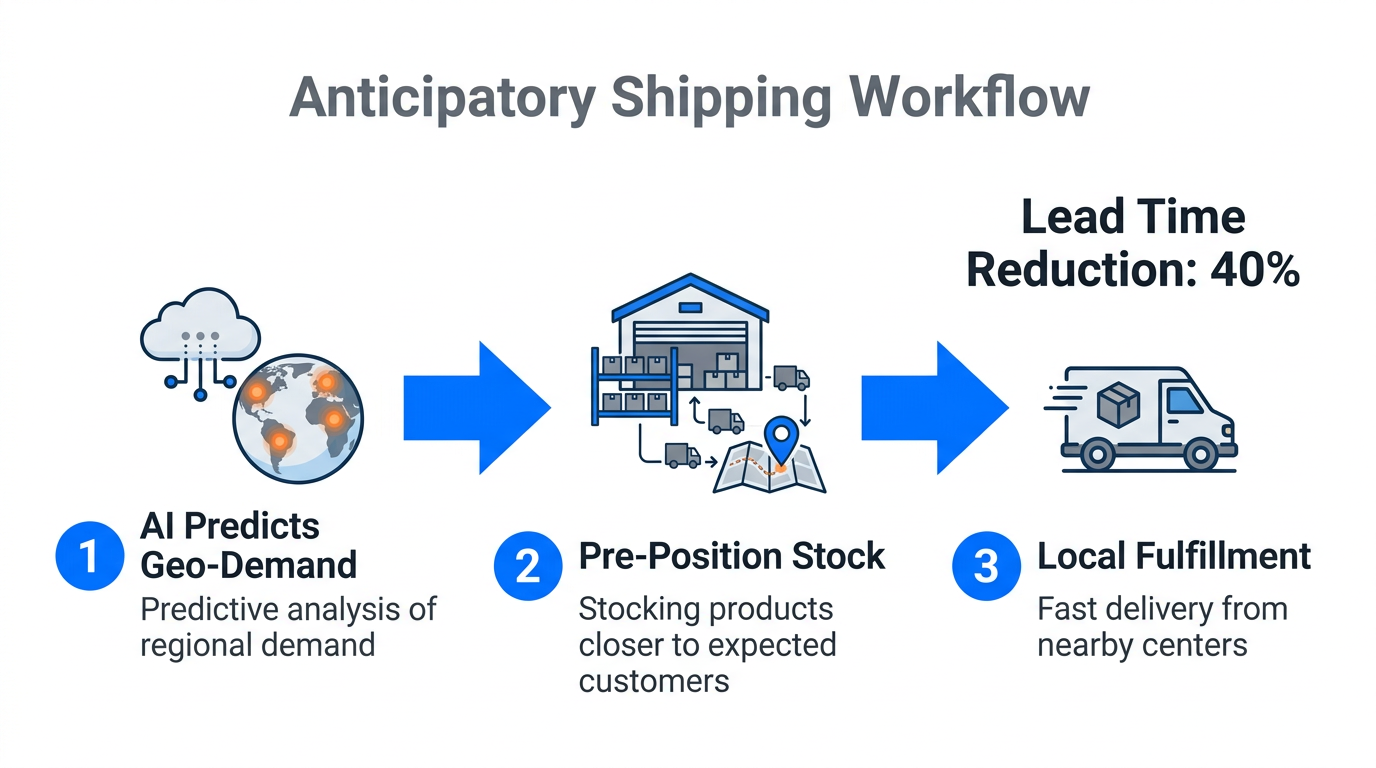
One of the most radical trends in 2026 is Anticipatory Shipping. This is a concept pioneered by Amazon where AI predicts what a customer will buy and ships the product to a local hub before the order is even placed. While a small D2C brand might not have a warehouse in every city, you can use tools like Inventory Planner to perform Hyper-Localization.
By analyzing where your most loyal customers live, you can move stock into regional 3PLs (Third Party Logistics) ahead of major marketing pushes. If Stormy AI shows that 40% of your top-performing influencers are based in Southern California, your AI forecasting model should suggest rebalancing your inventory to a Los Angeles-based warehouse. This reduces shipping times from 5 days to 1 day, significantly boosting customer satisfaction and lifetime value (LTV).
The 'Set-it-and-Forget-it' Trap: AI Maintenance
A common mistake in 2026 is assuming that AI is a magic wand that doesn't require supervision. AI models suffer from 'overfitting' and 'drift' if they aren't regularly retrained with new data. If your brand undergoes a pivot—say, from luxury to mass-market—your 2025 data will actually poison your 2026 predictions.
- Retrain Monthly: Your model should ingest new sales data and marketing plans every 30 days to stay accurate.
- Human Overrides: Use the "Hybrid Approach." AI handles the baseline, but humans should override for "Black Swan" events, like a sudden platform algorithm change or a global supply chain disruption.
- Avoid Over-reliance: As Michalsons notes, while AI-driven pricing can clear inventory, it must be monitored to ensure it doesn't violate brand integrity or legal pricing standards.
"In 2026, the brands that win aren't just using AI; they are managing AI as if it were their most senior employee."
Conclusion: Scaling with Intelligence
Scaling a D2C brand in 2026 requires a symphony of tools working in unison. You need Stormy AI to find the right creators and automate the outreach that builds brand awareness and demand. You then need Prediko or Inventory Planner to ensure that every dollar spent on those creators is backed by enough stock to fulfill the orders.
By shifting from historical guesses to AI-driven Demand Sensing, you can achieve the 20-30% reduction in inventory holdings promised by McKinsey and ensure your brand remains profitable in an increasingly competitive market. Don't wait for a stockout to realize your forecasting is broken—integrate your growth stack today and let AI take the guesswork out of your supply chain.