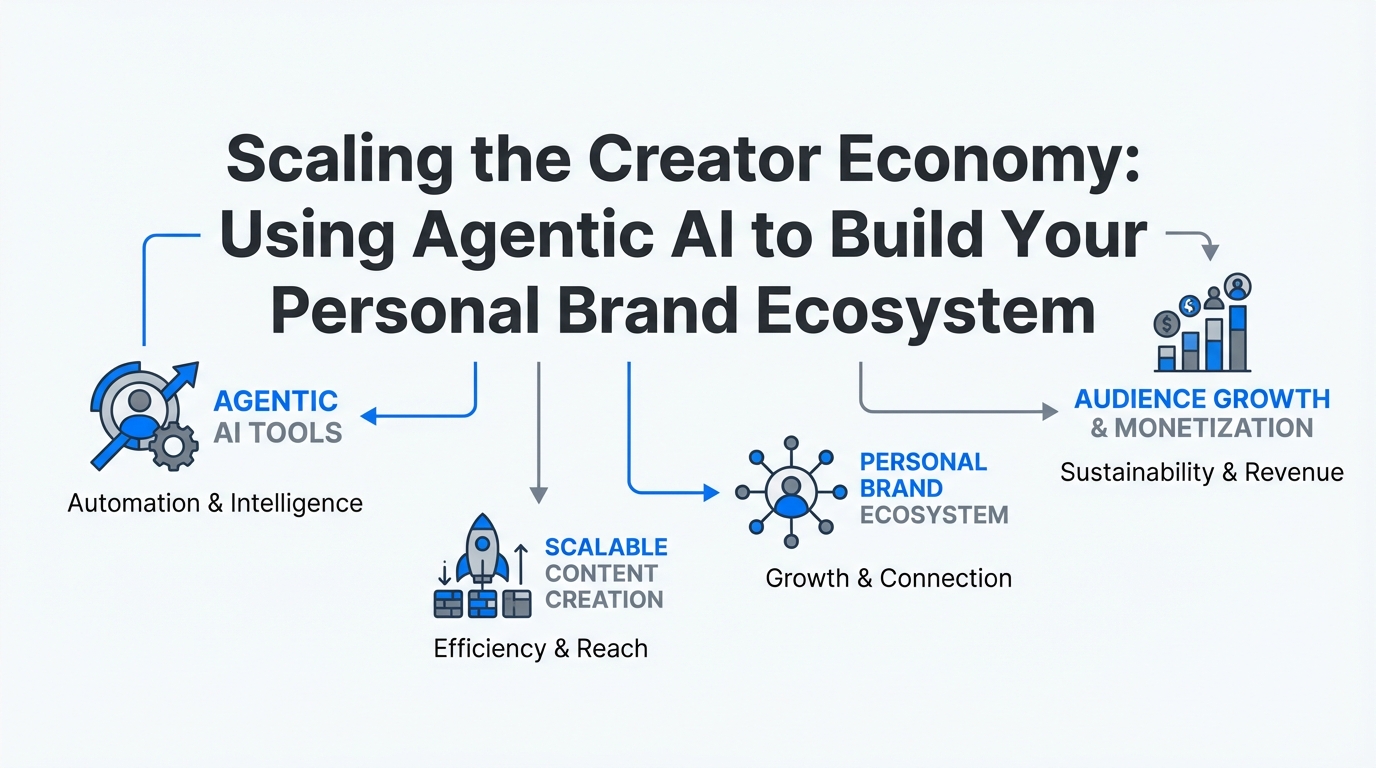
For years, the trajectory of a successful influencer followed a predictable path: create content, grow an audience, and monetize through brand deals. But as we move deeper into 2025, a massive shift in creator economy trends is redefining what it means to be a digital native. We are entering the era of the "Creator-Entrepreneur," where the most successful individuals aren't just selling products via Shopify—they are building ecosystems. This transformation is being fueled by a new generation of agentic AI tools that allow creators with zero traditional coding experience to build their own software, apps, and automated workflows using tools like Zapier. By moving from "chatbots that suggest" to "agents that execute," creators are reclaiming their time and building long-term equity in their personal brand software.
The Rise of the Creator-Entrepreneur: From Content to Code
The traditional creator model has always been limited by a fundamental constraint: time. Whether you are editing a video for TikTok or responding to comments on Instagram, your output is tied to your manual labor. However, a surge in influencer brand building strategies now emphasizes the creation of proprietary tools. According to the 2024 Stack Overflow Developer Survey, 76% of developers were already using AI tools last year, a figure that has since climbed to 84% in 2025. This democratization of technical skill means the barrier to entry for building a custom social media analytics dashboard or a personalized engagement tool has effectively vanished.
This movement is often referred to as "Vibe Coding," a term popularized by Andrej Karpathy. It describes a workflow where the human provides the high-level vision and "vibe," while an AI agent like Claude 3.5 Sonnet handles the implementation. For a creator, this means you can describe a tool that tracks your specific audience demographics across multiple platforms like LinkedIn, and the AI will scaffold the backend, manage the database, and design the interface for you.
"The future of the creator economy isn't just about who has the most followers, but who owns the software that those followers use to interact with the brand."
Agentic AI: The Engine of Modern Brand Scaling
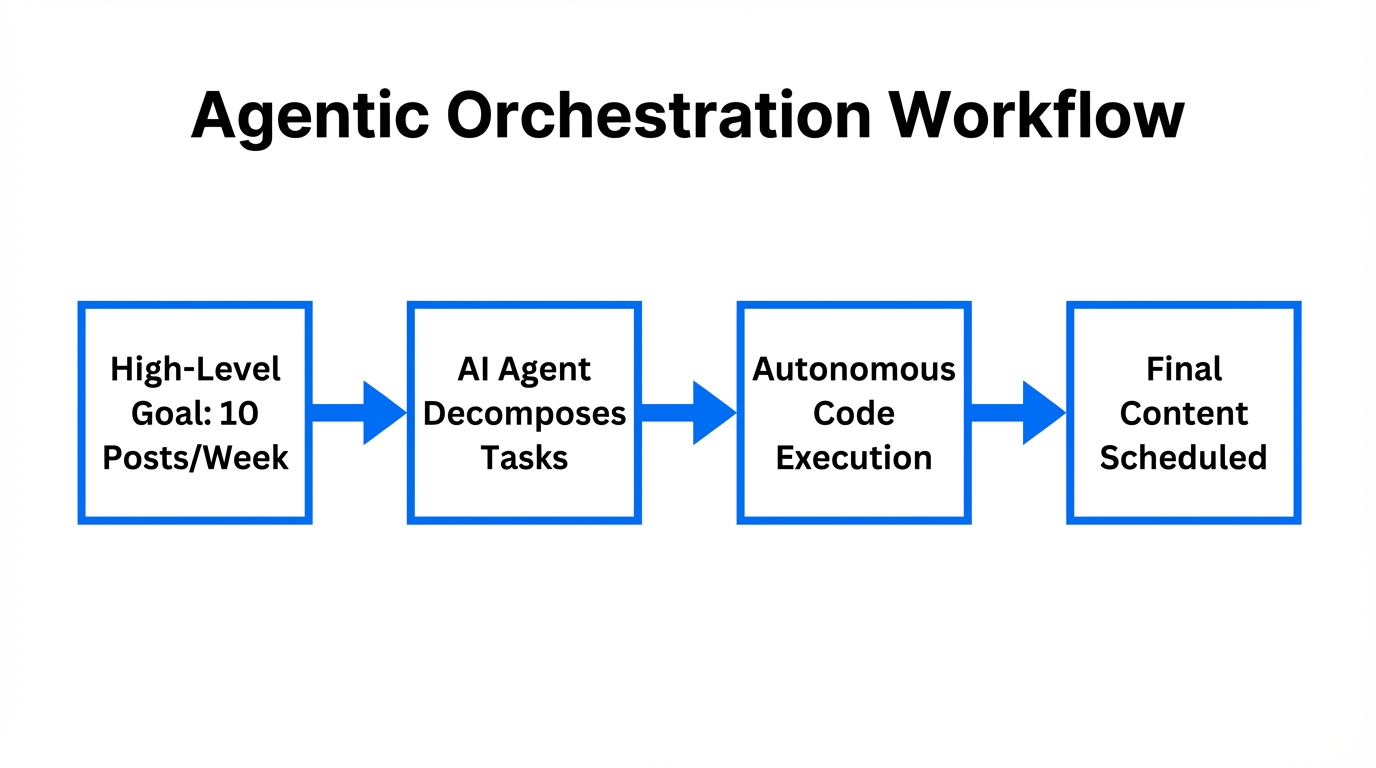
Unlike standard AI assistants that require constant prompting, agentic AI operates with a level of autonomy. Tools like the Claude Code CLI represent a shift toward agentic AI for creators, where the system can read entire repositories, run tests, and fix bugs iteratively. This is not just autocomplete; it is a digital architect that understands the context of your entire project.
Performance benchmarks show why this is a game-changer for non-technical creators. Claude 3.5 Sonnet currently scores 93.7% on HumanEval for Python coding and 49.0% on SWE-bench Verified, which measures its ability to solve real-world GitHub issues. This outperforms many other mainstream models, making it the most reliable partner for building personal brand software. Early reports suggest that early enterprise testers have seen a 20–40% increase in throughput, with boilerplate scaffolding tasks seeing speedups of up to 90%.
Building Custom Social Media Analytics and Engagement Tools
One of the most powerful applications of AI for creators is the development of bespoke analytics. While platforms provide basic data, they rarely give you the deep insights needed for hyper-targeted content distribution tools. Using Claude Code, a creator can build a custom tool that pulls data from the Model Context Protocol (MCP) to connect their social accounts directly to an AI-driven insights engine.
Step-by-Step Tool Creation for Creators
- Identify the Metric: Determine what data you need that isn't easily accessible (e.g., "Which of my followers also engage with my competitors in the fitness niche?").
- Scaffold with AI: Use the Claude CLI to generate a backend using Meta Ads Manager APIs or TikTok's developer portal.
- Iterative Refinement: Use the
/planmode to have the AI outline the multi-step implementation before writing code. - Deployment: Push your tool to a private server or a low-cost host like Vercel.
This allows you to create a feedback loop where your content strategy is informed by data that only you own. Developers at Builder.io have already demonstrated how these agents can refactor massive codebases, proving that as your brand grows, your software can scale with you.
Context Engineering: Keeping Your Brand Voice in the Machine
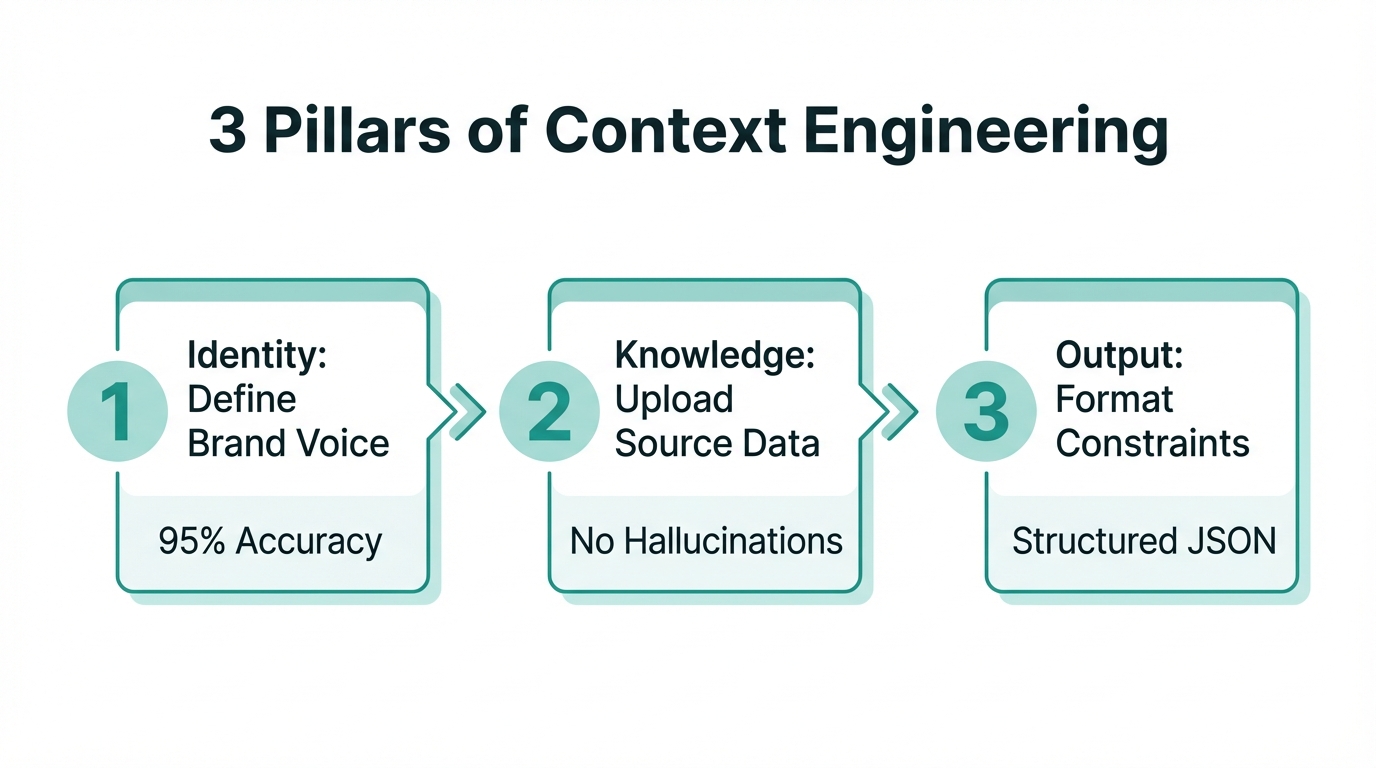
A common fear when using AI is that the output will feel "robotic" or lose the unique personality of the creator. This is where context engineering comes in. By using a file named CLAUDE.md in your project's root directory, you can provide the AI with a permanent memory of your brand voice, audience personas, and content guidelines.
This file acts as a "Senior Architect" for your AI agent. Every time you start a session, the AI reads these instructions. You can store everything from your preferred naming conventions for code to the specific tone of voice your AI-generated emails should use when reaching out to sponsors via Instantly or similar tools. This ensures that every tool you build and every piece of content you automate remains authentic to your personal brand.
| Feature | Traditional Development | Agentic AI (Claude Code) |
|---|---|---|
| Setup Time | Days/Weeks | Minutes/Hours |
| Skill Barrier | High (Years of Study) | Low (Natural Language) |
| Consistency | Manual Documentation | CLAUDE.md Context |
| Maintenance | Manual Bug Fixing | Autonomous Iteration |
The Security Playbook: Protecting Your Brand's Digital Assets
As you build your own software ecosystem, security becomes paramount. A significant risk with AI-generated apps is the accidental exposure of sensitive data. Security researchers note that 48% of AI-generated code in early 2025 contained potential security flaws if not reviewed. For a creator, a leaked API key or a database vulnerability could result in the loss of their social accounts or audience data.
To prevent this, you must implement a strict security playbook. Always include a rule in your CLAUDE.md file that secrets must only be handled via .env files and never hardcoded. Furthermore, using tools like Cline can provide an additional layer of oversight when managing agentic workflows. When sourcing partners for your campaign, using platforms like Stormy AI can help ensure you are working with vetted, high-quality creators, reducing the risk of fraud in your brand ecosystem.
"Efficiency is useless if it creates technical debt at lightspeed. Creators must be the editors of their AI's output, not just the audience."
Maximizing Efficiency: From Technical Hurdles to Content Distribution
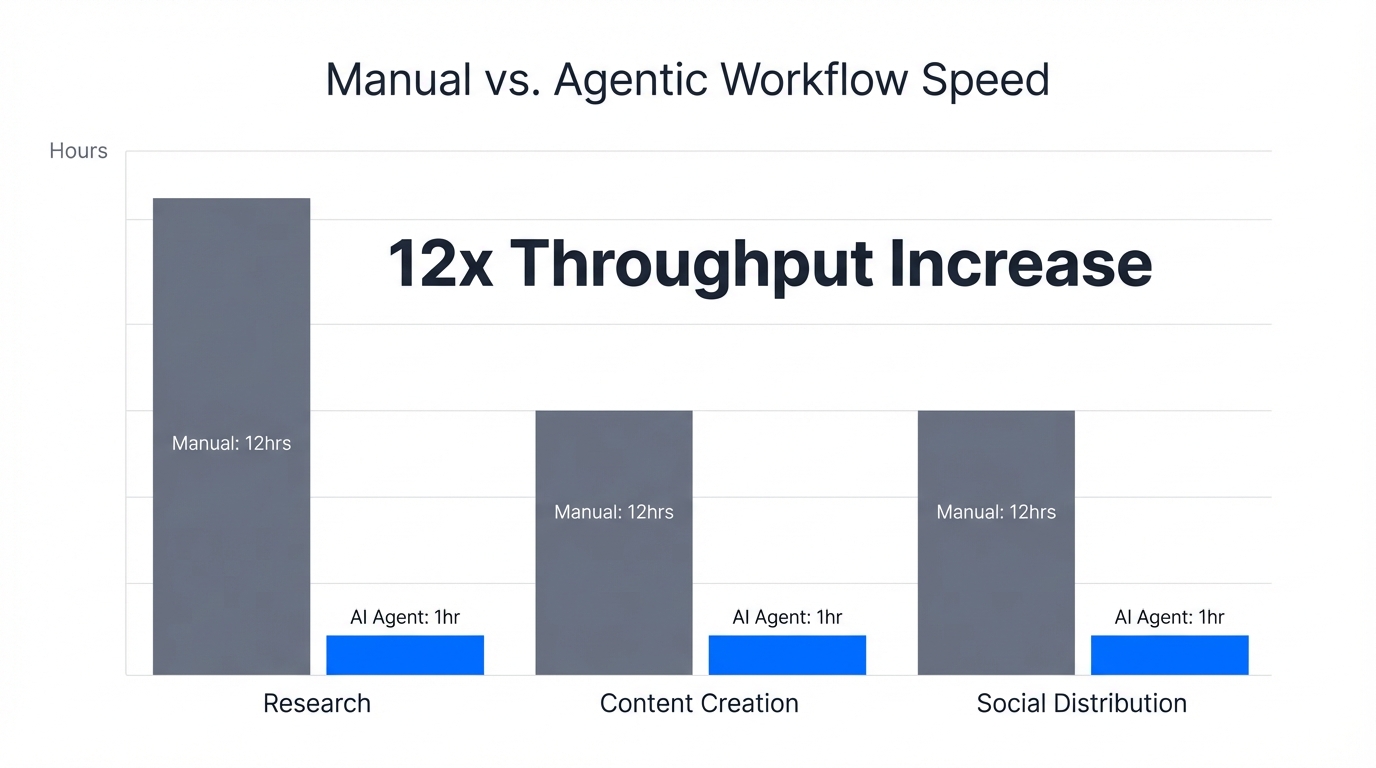
The ultimate goal of using agentic AI is to spend less time on the "how" and more time on content distribution tools and strategy. When your technical stack is automated, you can focus on high-leverage activities like community building and cross-platform growth. For example, instead of manually tracking mentions, you can set up an autonomous agent that discovers new influencers in your niche daily.
Platforms like Stormy AI complement this workflow by handling the discovery and outreach process for you. While you build your proprietary software, Stormy's AI agent can find creators on TikTok or YouTube, vet them for fake followers, and initiate personalized outreach. This allows you to scale your brand's reach while your custom-built tools handle the backend analytics and audience retention.
Conclusion: Building Your Long-Term Digital Legacy
Scaling in the creator economy no longer requires a massive team of developers and data scientists. By embracing agentic AI for creators, you can build a robust personal brand ecosystem that includes custom software, automated distribution, and secure data management. Tools like Claude Code and the SWE-bench Verified models are proving that the future belongs to the "vibe coders"—those who have the vision to see what's missing and the AI tools to build it themselves.
Start small: build one tool that solves a single friction point in your workflow. Use context engineering to keep it aligned with your brand, and always prioritize security. As you move from content creator to software owner, you aren't just building a following; you are building an asset that will last long after the next algorithm update. For managing the human side of that growth, tools like Stormy AI will ensure your creator collaborations remain as efficient as your code.